Physical Address
304 North Cardinal St.
Dorchester Center, MA 02124
Physical Address
304 North Cardinal St.
Dorchester Center, MA 02124
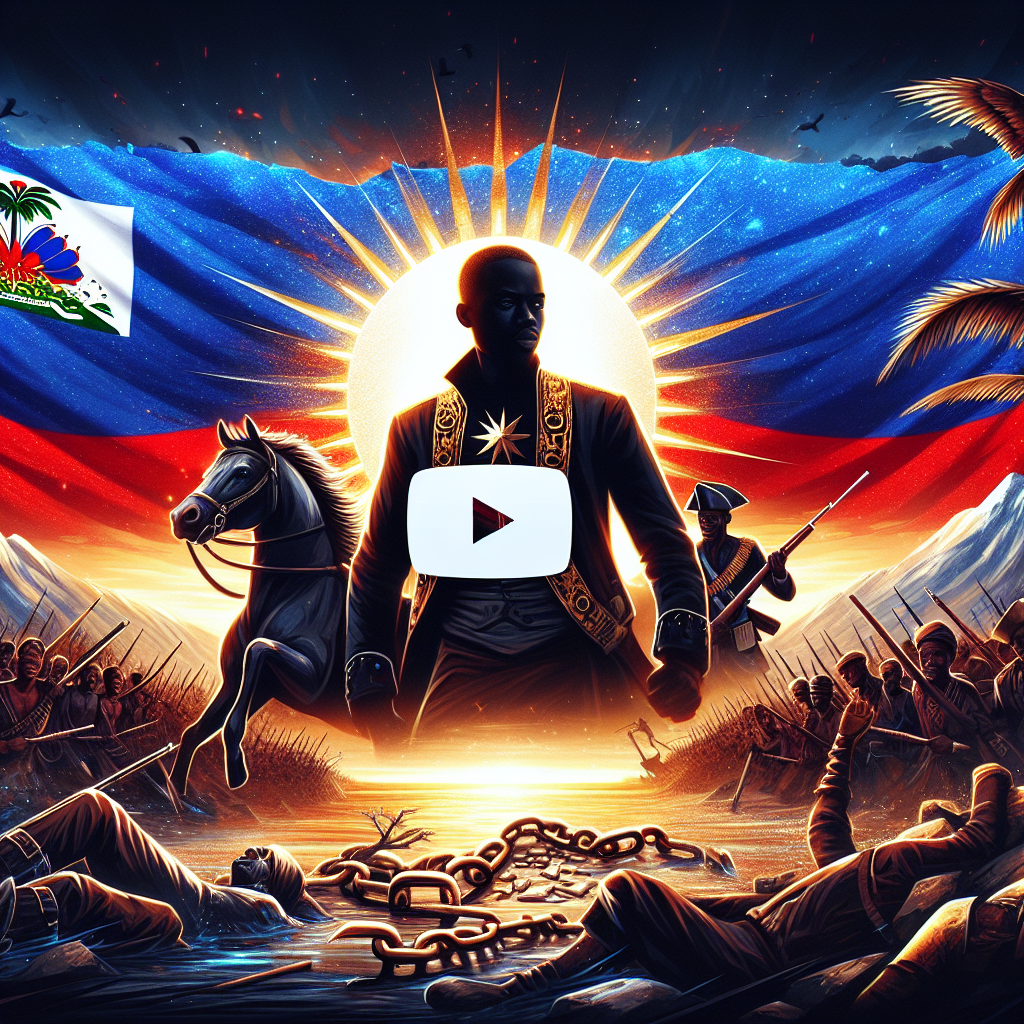
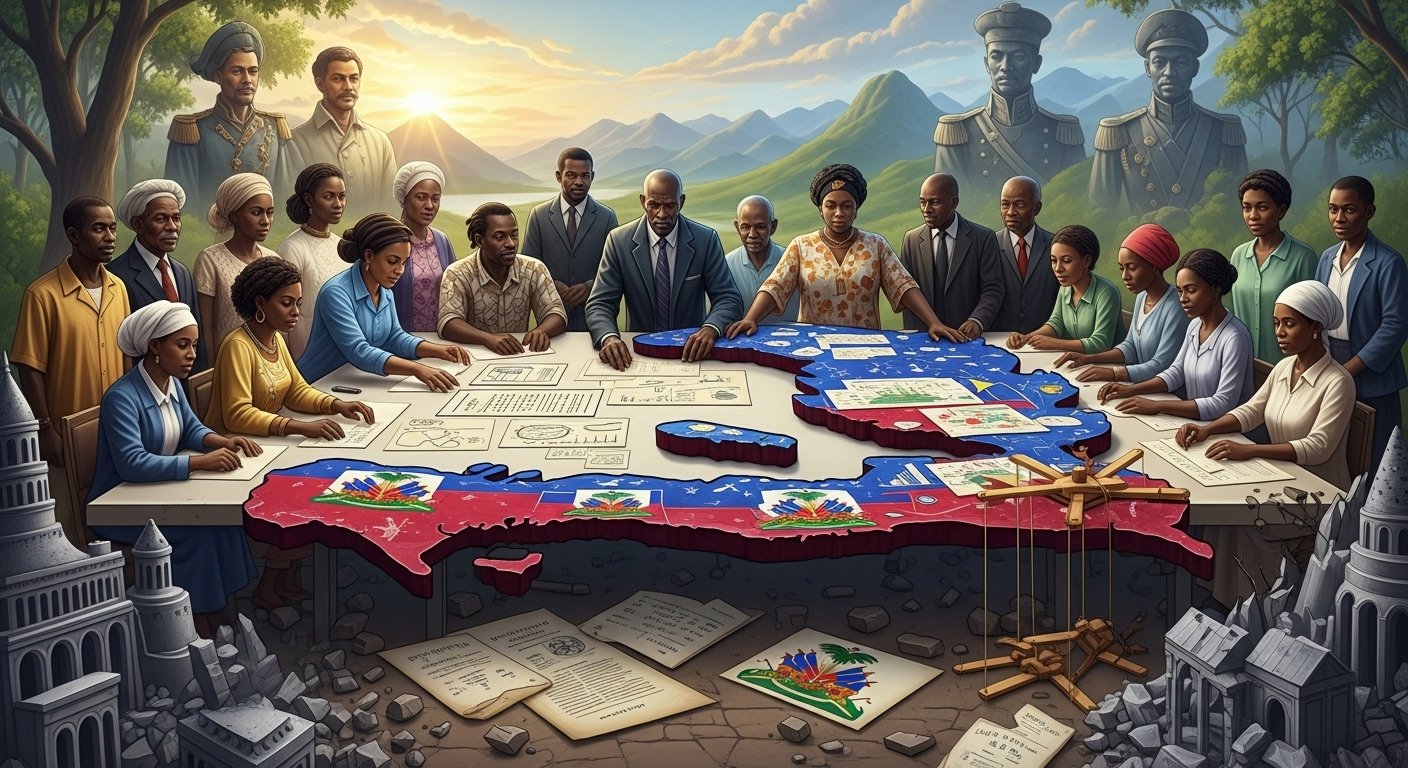
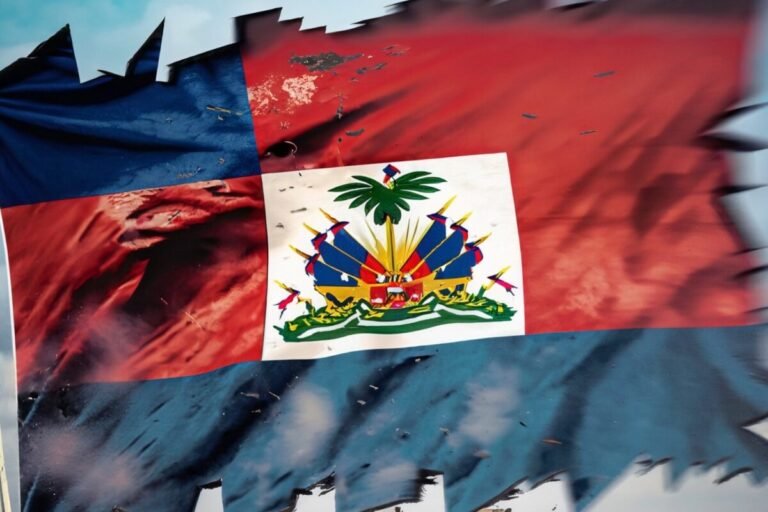
This article imagines a future where Haiti decides for itself, free from outside interference.
The concept of Haitian self-determination is not new, but its significance has never been more pronounced. For centuries, Haiti has struggled with foreign intervention, hindering its ability to chart its own course.
Envisioning a future where Haiti is free to decide its own destiny is a powerful idea. It means embracing Haiti sovereignty and allowing the nation to develop without external influence. This is not just a dream; it’s a necessary step towards a more equitable global community.
For over two centuries, Haiti has been subject to various forms of foreign intervention, shaping its history in profound ways. This complex history has left a lasting impact on the nation, influencing its development and sovereignty. Understanding this historical context is crucial to grasping the challenges Haiti faces today.
Haiti’s history began with colonial rule under France, which imposed harsh conditions on the enslaved population. The Haitian Revolution (1791-1804) was a successful slave revolt that led to Haiti becoming the first independent Caribbean nation. This revolution was a significant event in world history, marking a turning point in the fight against slavery.
After gaining independence, Haiti was forced to pay a hefty indemnity to France, known as the “Debt of Independence,” in exchange for recognition of its sovereignty. This financial burden significantly hindered Haiti’s economic development. Early foreign control, including influence from European powers, further complicated Haiti’s path to self-determination.
The United States occupied Haiti from 1915 to 1934, a period that had a profound and lasting impact on the country. The occupation led to the modernization of Haiti’s infrastructure but also suppressed Haitian culture and self-governance. The legacy of this occupation continues to influence U.S.-Haiti relations and Haiti’s internal politics.
The historical burden of foreign intervention has contributed to Haiti’s current challenges, including political instability and economic underdevelopment. Recognizing this history is essential to understanding the need for Haitian sovereignty and self-determination.
For decades, Haiti has been caught in a cycle of dependency, fueled by foreign aid that was meant to be a temporary solution. The influx of foreign assistance has created a complex dynamic where aid, intended to support development, has instead fostered reliance on external entities.
The proliferation of NGOs in Haiti has led to what some term the “NGO Republic.” With over 10,000 NGOs operating in the country, the line between aid and governance becomes blurred. NGOs often duplicate efforts, leading to inefficiencies and a lack of coordination with government initiatives. This has resulted in a parallel system of governance, where NGOs undertake projects without aligning with national development plans.
| Year | Number of NGOs | Aid Received (USD) |
|---|---|---|
| 2010 | 8,000 | 1.2 billion |
| 2015 | 10,000 | 1.5 billion |
| 2020 | 12,000 | 2 billion |
Foreign aid has also influenced Haiti’s economic policies, often to the detriment of local industries. Conditional aid packages have forced Haiti to adopt economic reforms that favor foreign investors over domestic businesses. This has led to a dependency on imported goods, stifling local production and exacerbating economic dependency.
The result is an economy that is more aligned with the interests of foreign donors than with the needs of the Haitian people. To break this cycle, Haiti must reassert control over its economic policies and development agenda.
The current crisis in Haiti is deeply rooted in decades of foreign influence and control. This complex situation has led to significant political instability and security challenges, affecting the country’s ability to govern itself effectively.
Haiti has experienced a long history of political turmoil, often fueled by external forces. Foreign-backed leaders have frequently been at the center of this instability, as their agendas may not align with the needs or desires of the Haitian people. This has led to widespread discontent and mistrust among Haitians towards their government.
The impact of foreign-backed leadership is evident in the country’s governance structure. Decisions are often made with external interests in mind, rather than prioritizing Haitian welfare. This has resulted in a lack of trust in governmental institutions.
| Year | Event | Impact |
|---|---|---|
| 2010 | Foreign intervention post-earthquake | Increased reliance on foreign aid |
| 2017 | Controversy over foreign-backed government | Escalated political tensions |
Haiti faces significant security challenges, including gang violence and kidnappings. The debate over deploying foreign troops to address these issues is contentious. While some argue that foreign military presence could stabilize the country, others believe it would infringe upon Haiti’s sovereignty.
Key arguments against foreign troops include:
The situation remains complex, with no clear consensus on the best path forward. The need for a balanced approach that considers both the security needs and the sovereignty of Haiti is paramount.
The impact of foreign intervention on Haiti’s development has been profound, leading to a complex web of issues that have hindered the country’s progress. Foreign meddling has resulted in stunted development, a condition where Haiti’s growth and advancement have been significantly impeded.
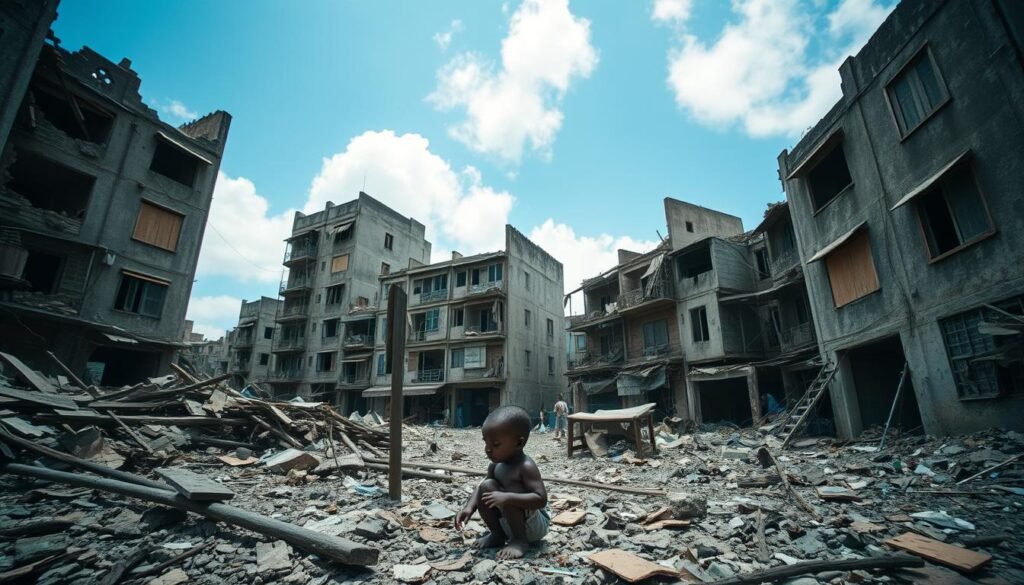
Haiti’s infrastructure and public services have suffered greatly due to external interference. The lack of investment in local infrastructure has led to dilapidated roads, inadequate healthcare facilities, and insufficient educational institutions.
| Infrastructure | Condition | Impact |
|---|---|---|
| Roads | Dilapidated | Hampers transportation and commerce |
| Healthcare Facilities | Inadequate | Affects health outcomes and emergency response |
| Educational Institutions | Insufficient | Impacts education quality and accessibility |
“The foreign aid model has created a dependency that has stifled local innovation and self-sufficiency.” – Expert on Haitian Development
The economic consequences of foreign control have been far-reaching. External economic policies have often benefited foreign interests at the expense of Haiti’s local economy, leading to a lack of economic sovereignty.
The imposition of external economic policies has resulted in:
These factors have contributed to Haiti’s economic instability and hindered its ability to achieve sustainable development.
Recent UN interventions in Haiti have been met with mixed reactions, reflecting the complexity of the country’s challenges. The UN has been involved in various peacekeeping missions, some of which have been controversial.
The MINUSTAH mission, which operated from 2004 to 2017, had a mixed impact on Haiti. While it helped stabilize the country in the short term, it also faced criticism for its handling of local security issues and for introducing cholera to the island.
The cholera outbreak, which was introduced by UN peacekeepers, resulted in a significant humanitarian crisis. Despite efforts to address the issue, the UN faced criticism for its lack of accountability and slow response to the crisis.
| Year | Cholera Cases | Deaths |
|---|---|---|
| 2010 | 200,000+ | 3,000+ |
| 2011 | 350,000+ | 5,000+ |
The UN’s top-down approach to addressing Haiti’s issues has been criticized for failing to engage with local communities and understand their needs. This has led to initiatives that, while well-intentioned, have not been effective in the long term.
Moving forward, it is essential to adopt a more inclusive approach that prioritizes Haitian voices and solutions.
Envisioning a Haiti where decisions are made by Haitians for Haitians, free from the shackles of foreign interference, is a vision worth fighting for. This future is built on the principles of Haitian sovereignty and self-determination, allowing the country to chart its own course without external influence.
Sovereignty is crucial for Haiti’s development as it allows the country to make decisions that are in the best interest of its people. When Haiti is free from foreign meddling, it can focus on developing its economy, infrastructure, and social services without external constraints. As “The future of Haiti belongs to the Haitian people”, a notion that resonates deeply with those advocating for Haitian sovereignty.
With sovereignty, Haiti can implement policies tailored to its specific needs, fostering sustainable development and economic growth. This includes investing in local industries, improving infrastructure, and enhancing public services.
Self-determination is equally important in Haiti’s political systems, enabling the country to choose its governance structures and leaders without foreign interference. This allows for the development of political systems that are truly representative of the Haitian people.
By exercising self-determination, Haiti can build a political landscape that is responsive to the needs of its citizens, promoting stability and democratic governance. As
“A people united in their desire for self-governance is a powerful force for change.”
, highlighting the potential for Haitians to shape their own political destiny.
The path forward requires a commitment to sovereignty and self-determination, allowing Haiti to build a future that is truly its own.
Haiti’s path to a self-determined future begins with solutions crafted by Haitians themselves. For too long, external interventions have shaped the country’s development trajectory, often with limited success. It’s time for Haiti to leverage its internal strengths.
Empowering Local Communities
Grassroots movements and civil society organizations are the backbone of Haiti’s development. They understand the local context and are best placed to implement effective solutions. For instance, organizations like the Haitian Platform for an Alternative Development are working tirelessly to promote sustainable development and social justice. As
“The strength of the people is the foundation of true development.”
Indigenous knowledge and local innovation are crucial in addressing Haiti’s challenges. Traditional practices in agriculture, for example, offer sustainable solutions to food security. Moreover, local innovations in construction and disaster resilience are vital in a country prone to natural disasters. By supporting and scaling these local initiatives, Haiti can foster a more resilient and self-sufficient economy.
The way forward for Haiti involves not just acknowledging but actively promoting its grassroots movements and indigenous knowledge. This approach not only ensures that development is sustainable but also that it is owned by the Haitian people.
As Haiti seeks to break free from foreign meddling, the diaspora community stands as a vital partner in fostering sovereign development. The Haitian diaspora, spread across the globe, represents a significant resource for Haiti’s development, offering a wealth of knowledge, investment, and advocacy.
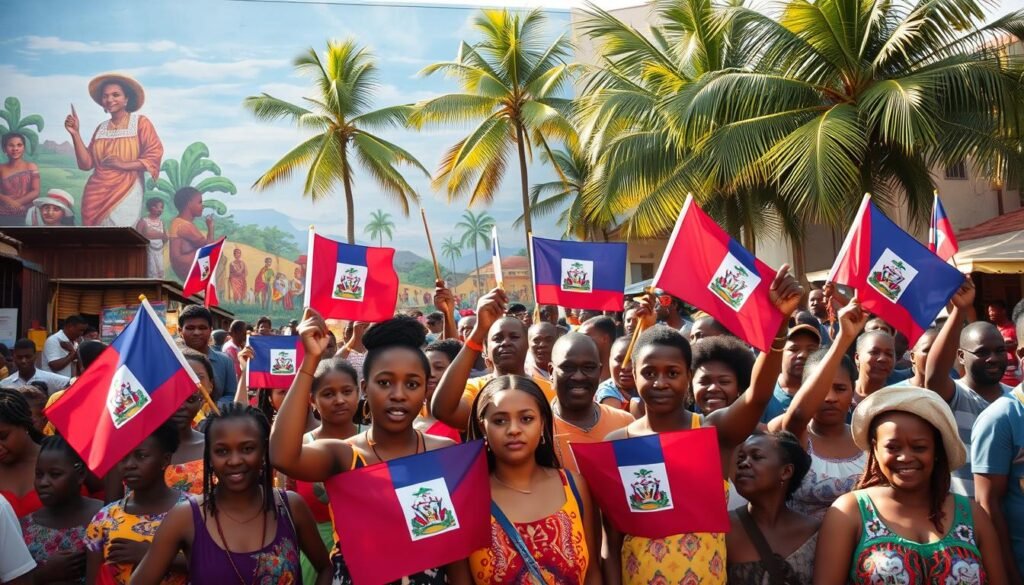
The Haitian diaspora is a rich source of knowledge and skills that can be transferred back to Haiti, contributing to its development. Professionals and entrepreneurs in the diaspora can share their expertise, invest in Haitian businesses, and help build capacity in various sectors.
Some key areas where the diaspora can make an impact include:
| Area of Impact | Potential Contributions |
|---|---|
| Technology and Innovation | Digital infrastructure development, tech startup incubation |
| Healthcare and Education | Medical training, educational resource development |
| Economic Development and Entrepreneurship | Investment in local businesses, entrepreneurship training |
Beyond knowledge transfer and investment, the Haitian diaspora plays a crucial role in political advocacy and fostering international solidarity. Diaspora communities can influence policy in their host countries to support Haitian interests and promote a more equitable global environment.
“The diaspora is not just a source of remittances; it’s a critical actor in shaping Haiti’s future through advocacy, investment, and knowledge sharing.”
By engaging in political advocacy and building international solidarity, the Haitian diaspora can help create a more favorable environment for Haiti’s sovereign development.
Reimagining Haiti’s place in the global economy requires a bold approach to economic sovereignty, focusing on self-determination and sustainable development. This involves rethinking Haiti’s economic strategies to prioritize national interests and local needs.
Haiti must reassess its trade agreements to ensure they serve the nation’s interests rather than perpetuating dependency. This could involve renegotiating existing agreements or forging new ones that promote fair trade practices.
By developing industries that cater to Haitian needs, the country can reduce its reliance on foreign goods and services. This could include investing in agriculture, renewable energy, and local manufacturing.
Sustainable development is key to Haiti’s economic sovereignty. This involves adopting practices that are environmentally friendly, socially equitable, and economically viable in the long term.
| Economic Strategy | Current Status | Proposed Change |
|---|---|---|
| Trade Agreements | Exploitative terms | Renegotiate for fair terms |
| Industry Development | Focused on export | Prioritize local needs |
| Sustainable Practices | Limited adoption | Widespread implementation |
Haiti’s journey toward a brighter future hinges on reclaiming its sovereignty and forging a path that is truly its own. After centuries of foreign intervention and a cycle of dependency on external aid, it’s clear that the road to an independent Haiti requires a fundamental shift.
The key to this shift lies in self-determination and the empowerment of Haitian communities. By leveraging grassroots movements, indigenous knowledge, and the potential of the Haitian diaspora, the country can begin to break free from the shackles of external control.
Embracing economic sovereignty will be crucial, allowing Haiti to reimagine its place in the global economy on its own terms. This involves breaking free from exploitative trade agreements and developing industries that serve Haitian needs, paving the way for sustainable development.
The path forward is not without its challenges, but with a renewed focus on sovereignty, Haiti can chart a course toward a truly independent future. This future is built on the principles of self-determination, local innovation, and a commitment to serving the needs of the Haitian people.
The article argues that Haiti’s future should be free from foreign meddling, emphasizing the importance of Haitian sovereignty and self-determination.
Foreign intervention has shaped Haiti’s history from colonial rule to the U.S. occupation, contributing to the country’s current challenges in achieving sovereignty.
NGOs have contributed to a cycle of dependency in Haiti, undermining governance and posing challenges to Haitian economic independence.
External control has hindered Haiti’s economic development, leading to a lack of infrastructure, inadequate public services, and exploitative trade agreements.
Haiti can achieve economic sovereignty by breaking free from exploitative trade agreements, developing industries that serve Haitian needs, and pursuing sustainable development on Haitian terms.
The Haitian diaspora can contribute to Haiti’s sovereign development through knowledge transfer, investment, political advocacy, and international solidarity.
The path forward involves emphasizing sovereignty and self-determination, building Haitian solutions to Haitian problems, and reimagining Haiti’s place in the global economy.
UN missions, such as MINUSTAH, have had a complicated legacy in Haiti, including controversies surrounding the cholera crisis and lack of accountability.
Grassroots movements and civil society play a crucial role in driving local innovation and development in Haiti, helping to build solutions to Haitian problems from within.