Physical Address
304 North Cardinal St.
Dorchester Center, MA 02124
Physical Address
304 North Cardinal St.
Dorchester Center, MA 02124

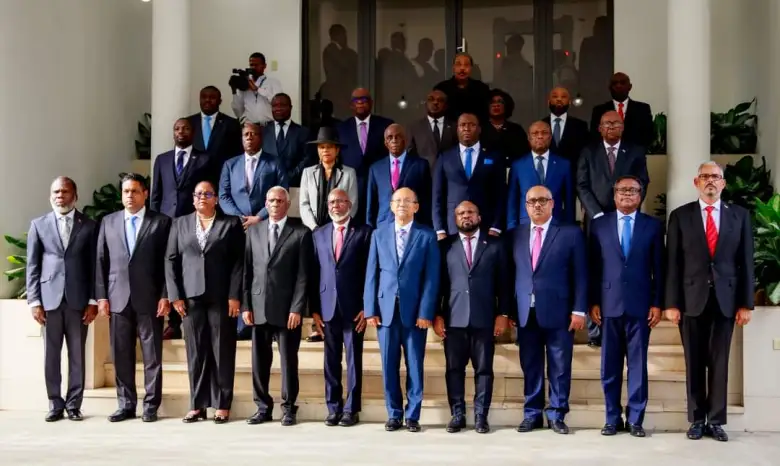
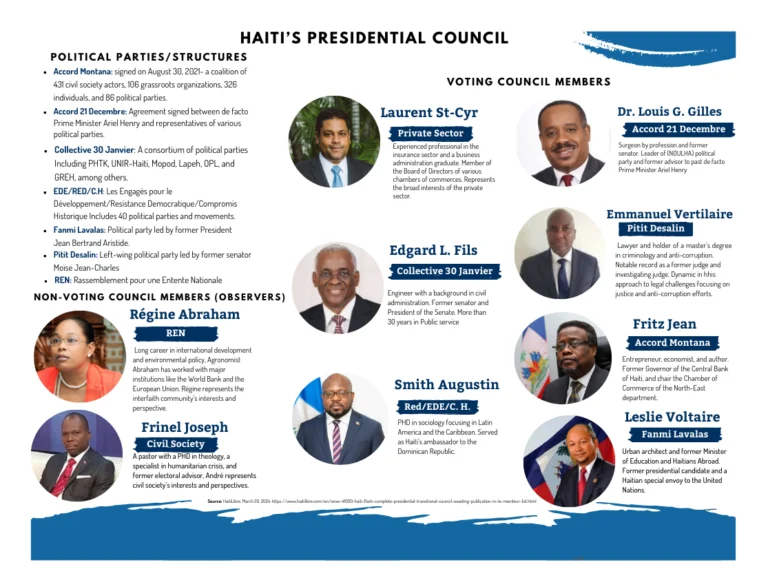
Delve into Haiti's scathing rebuke of leaders who prioritize personal gain over national interests. "Traitors, Not Leaders" reveals their message.
The people of Haiti are sending a strong message to their leaders: prioritizing personal gain over the nation’s well-being will no longer be tolerated. Corruption in Haiti has been a longstanding issue, hindering the country’s progress and affecting the lives of its citizens.
Haiti’s leadership challenges are multifaceted, involving poor governance and a lack of accountability. The nation’s citizens are demanding change, calling for leaders who will prioritize the country’s needs over personal interests.
The need for ethical governance in Haiti is more pressing than ever. By addressing Haitian governance issues, the country can move towards a brighter future, one where leaders are held accountable, and the nation’s resources are used for the benefit of all.
Haiti’s history is marred by instances of public trust betrayal, a pattern that continues to affect its development. The country’s leadership has often been criticized for prioritizing personal gain over the welfare of its citizens.
In Haiti, leadership is expected to foster development and ensure the well-being of its people. Conversely, betrayal occurs when leaders exploit their positions for personal benefit, undermining the nation’s progress. The distinction between these two concepts is crucial in understanding Haiti’s governance challenges.
Corruption has been a significant impediment to Haiti’s development, diverting resources meant for public services into private pockets. This not only hampers economic growth but also erodes public trust in institutions. The cost of corruption is multifaceted, affecting various aspects of Haitian society, from infrastructure to social services.
The impact of self-serving officials is evident in the country’s struggling economy and inadequate public infrastructure. Addressing corruption is essential to restoring public trust and fostering development in Haiti.
Understanding Haiti’s current leadership crisis requires a deep dive into its historical context. The nation’s journey to independence and its subsequent governance struggles have significantly shaped its leadership landscape.
Haiti’s path to independence was revolutionary, making it the world’s first independent black nation. This significant historical event set a precedent for leadership challenges, as the newly formed nation struggled to establish a stable governance structure amidst internal conflicts and external pressures.
Following independence, Haiti faced numerous governance struggles, including political instability, corruption, and power struggles. These challenges were exacerbated by external factors, such as foreign interventions and economic sanctions, which further complicated the nation’s ability to establish a stable and effective leadership.
Throughout its history, Haiti has witnessed patterns of power abuse, with leaders often prioritizing personal gain over the welfare of the nation. This has led to widespread corruption, human rights abuses, and a lack of accountability, further entrenching the leadership challenges faced by the country.
The Haitian people are sending a clear message: those who sacrifice the nation’s well-being for personal benefit will no longer be tolerated. This growing sentiment reflects a broader discontent with the status quo and a desire for leadership that prioritizes the nation’s interests.
There’s a palpable frustration among Haitians towards officials who exploit their positions for personal gain. This sentiment is not just about economic dissatisfaction but also about the erosion of trust in institutions meant to serve the public good.
The public is increasingly vocal about the need for accountability and transparency in governance. Citizens are demanding that leaders be held responsible for their actions, particularly when those actions harm the nation or its people.
Haitians are not just criticizing current leadership; they are also redefining what they expect from their leaders. There’s a growing consensus that true leaders should be servants of the people, not just holders of power.
This shift in expectations includes a desire for leaders who are transparent, accountable, and committed to the nation’s development. It’s about moving beyond traditional notions of leadership to a more inclusive, participatory model that prioritizes the needs of the many over the interests of the few.
Understanding the complexities of national betrayal in Haiti requires a deep dive into the multifaceted issues that have plagued the nation for decades. National betrayal encompasses a range of actions and behaviours that ultimately harm the nation and its people.
Economic exploitation and resource mismanagement are significant contributors to national betrayal in Haiti. Corrupt officials and business leaders have often prioritized personal gain over national interests, leading to the misallocation of resources and economic stagnation. For instance, the mismanagement of aid funds and natural resources has deprived the Haitian people of essential benefits.
| Area of Exploitation | Impact | Consequences |
|---|---|---|
| Natural Resources | Mismanagement of funds from resource extraction | Lack of investment in public infrastructure |
| Aid Funds | Misallocation of international aid | Insufficient support for development projects |
| Financial Systems | Corruption in financial institutions | Reduced trust in banking systems |
Political manipulation and democratic subversion are also critical aspects of national betrayal. Politicians who prioritize power over the public good often engage in practices that undermine democratic processes. This can include electoral fraud, suppression of opposition, and manipulation of information.
Such actions erode trust in government and institutions, creating an environment of instability and mistrust among the populace.
Social division is another tool used to perpetuate national betrayal. By creating or exacerbating social, economic, or ethnic divisions, those in power can maintain control and distract from their own malfeasance. This manipulation can lead to increased tensions and conflict within society.
In Haiti, this has manifested in various forms, including class warfare and regional divisions, which have hindered national unity and progress.
A new wave of activism is sweeping through Haiti, driven by ordinary citizens who are increasingly frustrated with failed leadership. The Haitian people are speaking out, sharing their stories, and demanding change.
Ordinary Haitian citizens are sharing their personal stories of struggle and resilience in the face of failed leadership. For instance, Marie, a mother of three, expressed her frustration with the lack of access to necessities like clean water and healthcare. “We’re tired of living in a country where our leaders seem more interested in lining their pockets than serving the people,” she said. Such testimonies highlight the human impact of political and economic mismanagement.
Grassroots movements are emerging across Haiti, challenging the status quo and pushing for meaningful reform. These movements, often led by young people, are using social media and other platforms to mobilize support and raise awareness about the need for change. They are calling for greater transparency, accountability, and a more equitable distribution of resources. By amplifying the voices of ordinary citizens, these grassroots movements are helping to shape a new vision for Haiti’s future.
Haiti’s struggle for stability and prosperity has been undermined by leaders who sacrificed the nation’s interests for personal benefits. This section examines specific instances where leadership failures led to significant setbacks for the country.
The Duvalier family ruled Haiti with an iron fist for nearly three decades, leaving a legacy of terror and economic mismanagement. Their regime was characterized by brutal suppression of opposition and exploitation of the country’s resources.
François Duvalier’s presidency began in 1957 and quickly turned into a dictatorship, marked by violence and intimidation. His rule was notorious for the creation of the Tonton Macoutes, a paramilitary force that terrorized the population.
Upon François Duvalier’s death in 1971, his son Jean-Claude took over, continuing the family’s reign of terror. Jean-Claude’s rule was marked by corruption and economic mismanagement, further impoverishing the nation.
Jean-Bertrand Aristide’s presidency in the early 1990s brought hope for democratic reforms. However, his tenure was marred by controversy and eventually led to his exile. Aristide’s era is remembered for both its promise of change and its failure to deliver lasting reforms.
In recent years, Haitian administrations have continued to face challenges related to corruption and inefficiency. Despite efforts towards reform, the country remains plagued by political instability and economic hardship. The need for transparent and accountable leadership is more pressing than ever.
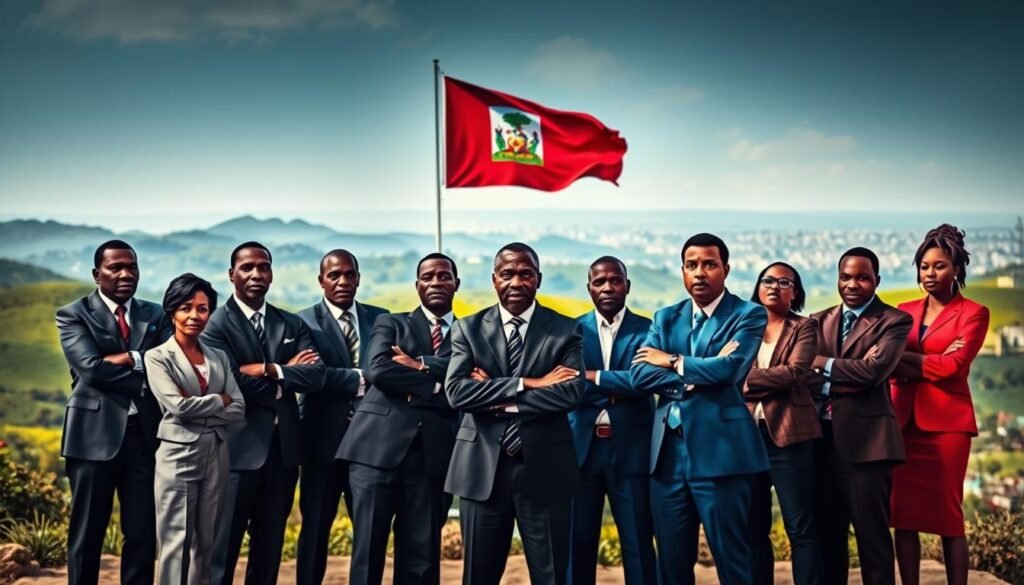
The case studies of the Duvalier dynasty, the Aristide era, and recent administrations highlight the complex challenges Haiti faces in its quest for effective and honest leadership. Understanding these historical and contemporary contexts is crucial for developing strategies to prevent future betrayals of public trust.
Foreign interventions have significantly shaped Haiti’s political landscape throughout its history. The country’s sovereignty has been influenced by various external factors, ranging from historical occupations to contemporary international relations.
Haiti has experienced numerous foreign interventions, starting with the U.S. occupation from 1915 to 1934. This period saw significant control over Haiti’s government and economy by foreign powers. Such interventions have left lasting impacts on Haiti’s political stability and economic development.
Today, Haiti continues to navigate complex international relations. The country is involved in various global and regional organizations, which play crucial roles in its development. However, these relationships also pose challenges to Haitian sovereignty, as external pressures can influence domestic policies.
Foreign aid has been a critical component of Haiti’s economy, providing essential resources for development projects and humanitarian assistance. However, reliance on foreign aid can undermine Haitian sovereignty by creating dependency and limiting the government’s ability to make independent decisions.
The delicate balance between leveraging foreign aid for development and maintaining sovereignty is a significant challenge for Haiti. Ensuring that foreign influence supports rather than hinders Haitian sovereignty is crucial for the country’s future.
The path to a more equitable Haiti starts with rebuilding trust in its institutions. This involves a multi-faceted approach that includes reforming existing structures, promoting ethical leadership, and empowering civil society.

To prevent the betrayal of public trust, Haiti needs to implement institutional reforms that promote transparency and accountability. Key areas include:
Cultivating servant leaders who prioritize the nation’s welfare over personal gain is crucial. This can be achieved through:
Civil society plays a vital role in holding leaders accountable. By:
Civil society can ensure that leaders serve the public interest.
Haiti’s complex history offers valuable lessons for global leaders on ethical governance and accountability. The Haitian experience, marked by significant political and economic challenges, provides a unique lens through which to examine leadership principles that can be applied globally.
Ethical governance is a cornerstone of effective leadership, and Haiti’s history underscores the importance of this principle. Leaders who prioritize the public interest over personal gain foster trust and stability. Key elements of ethical governance include:
By embracing these principles, leaders can build more resilient and just societies. Haiti’s struggles with corruption highlight the need for robust systems that prevent the abuse of power and ensure that leaders serve the nation’s interests.
Accountability is crucial in developing democracies, where the concentration of power can often lead to its abuse. Effective accountability mechanisms include:
These mechanisms are essential for preventing the kind of leadership betrayals that have marked Haiti’s past. By implementing and strengthening these accountability tools, developing democracies can promote more responsible and responsive governance.
The global Haitian diaspora is leveraging its resources, expertise, and networks to foster a new leadership paradigm in Haiti. This community, spread across various countries, is uniquely positioned to influence positive change through multiple channels.
The Haitian diaspora is actively engaged in transnational activism, advocating for democratic governance and human rights in Haiti. Through organized efforts, diaspora communities are raising awareness about critical issues and mobilizing support for reforms.
Digital platforms have become crucial tools for diaspora activism, enabling real-time communication and coordination across borders.
Knowledge transfer is another significant area where the diaspora is making an impact. Professionals and experts of Haitian descent are sharing their expertise through various initiatives, including mentorship programs, educational projects, and professional training.
These capacity-building initiatives are enhancing the skills and competencies of Haitian professionals, contributing to the development of a more capable and effective leadership cadre.
Remittances from the diaspora constitute a vital source of financial support for many Haitian families and communities. Beyond their immediate economic impact, remittances also play a role in shaping local economies and influencing development trajectories.
Furthermore, diaspora investments in Haiti can stimulate economic growth and create opportunities for local businesses, thereby contributing to the country’s overall development.
Haiti’s struggle with leadership betrayal is a complex issue that has been ongoing for centuries. The journey towards redemption requires a collective effort to redefine leadership expectations and prioritize the nation’s interests.
The Haitian people’s growing sentiment against self-serving officials is a crucial step towards creating a new paradigm of leadership. By cultivating a new generation of servant leaders and holding them accountable, Haiti can overcome its leadership challenges.
The path forward involves institutional reforms, transnational activism, and knowledge transfer initiatives. The Haitian diaspora plays a vital role in shaping a new leadership paradigm, and their continued engagement is essential for the nation’s redemption.
As Haiti continues to navigate its challenges, the resilience and determination of its people remain a beacon of hope. By working together, Haitians can build a brighter future, one that is free from the shackles of leadership betrayal and focused on the nation’s growth and development.
The main issue is that many leaders prioritize personal gain over the nation’s well-being, betraying the public trust and hindering Haiti’s development.
Corruption has significantly hindered Haiti’s development by diverting resources away from essential public services and infrastructure, thereby perpetuating poverty and inequality.
The Haitian diaspora has the potential to play a significant role in shaping a new leadership paradigm through transnational activism, knowledge transfer, and economic influence, contributing to positive change in Haiti.
Historical factors include the legacy of the Duvalier dynasty, post-independence governance struggles, and patterns of power abuse throughout Haitian history, which have all contributed to the current leadership crisis.
Haitians are calling for a shift towards more accountable and servant-oriented leadership, prioritizing the nation’s interests over personal gain and demanding greater transparency and accountability from their leaders.
Foreign aid can have a double-edged effect on Haitian sovereignty, providing essential support while also potentially undermining the country’s autonomy and self-determination.
Institutional reforms such as strengthening accountability mechanisms, promoting transparency, and supporting civil society engagement are crucial to preventing leadership betrayal and promoting good governance in Haiti.
The international community can support Haiti’s path towards redemption by promoting ethical governance, providing technical assistance, and supporting civil society initiatives that foster accountability and transparency.