Physical Address
304 North Cardinal St.
Dorchester Center, MA 02124
Physical Address
304 North Cardinal St.
Dorchester Center, MA 02124
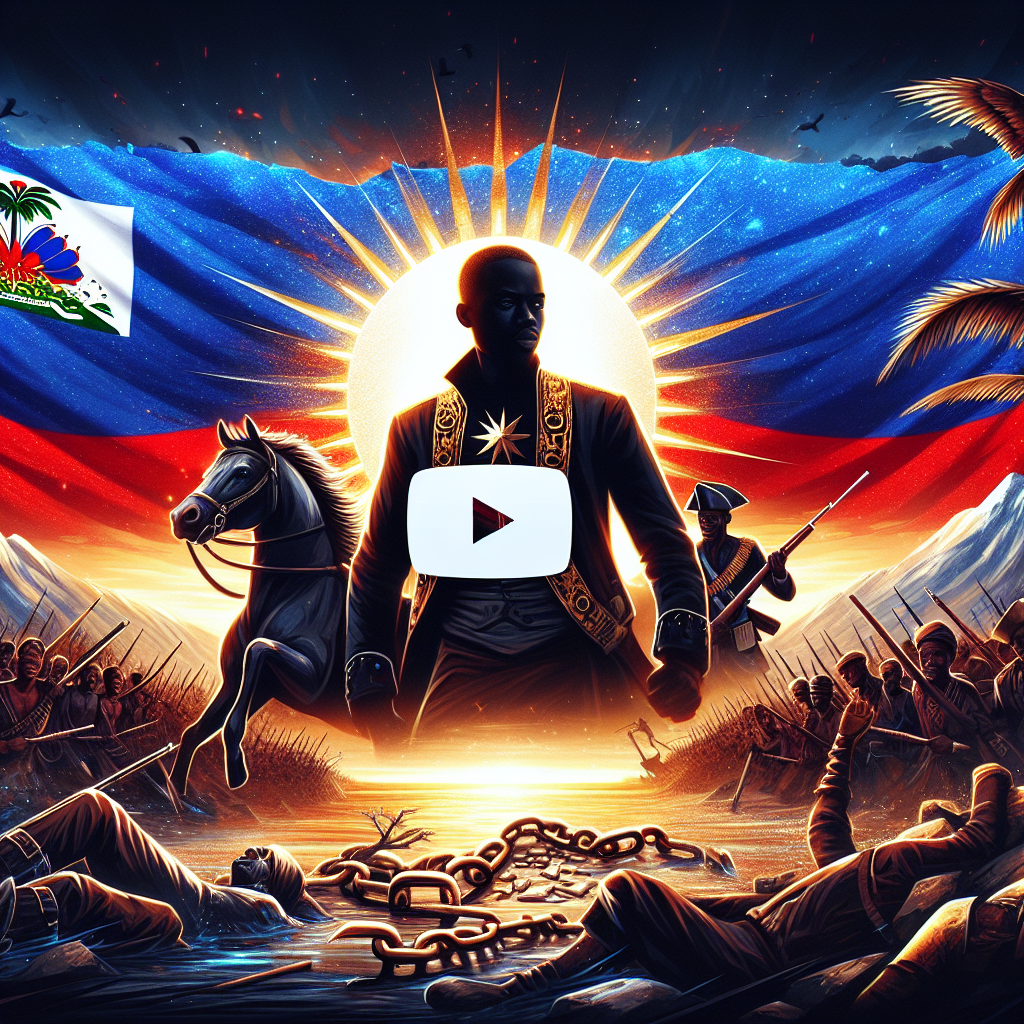
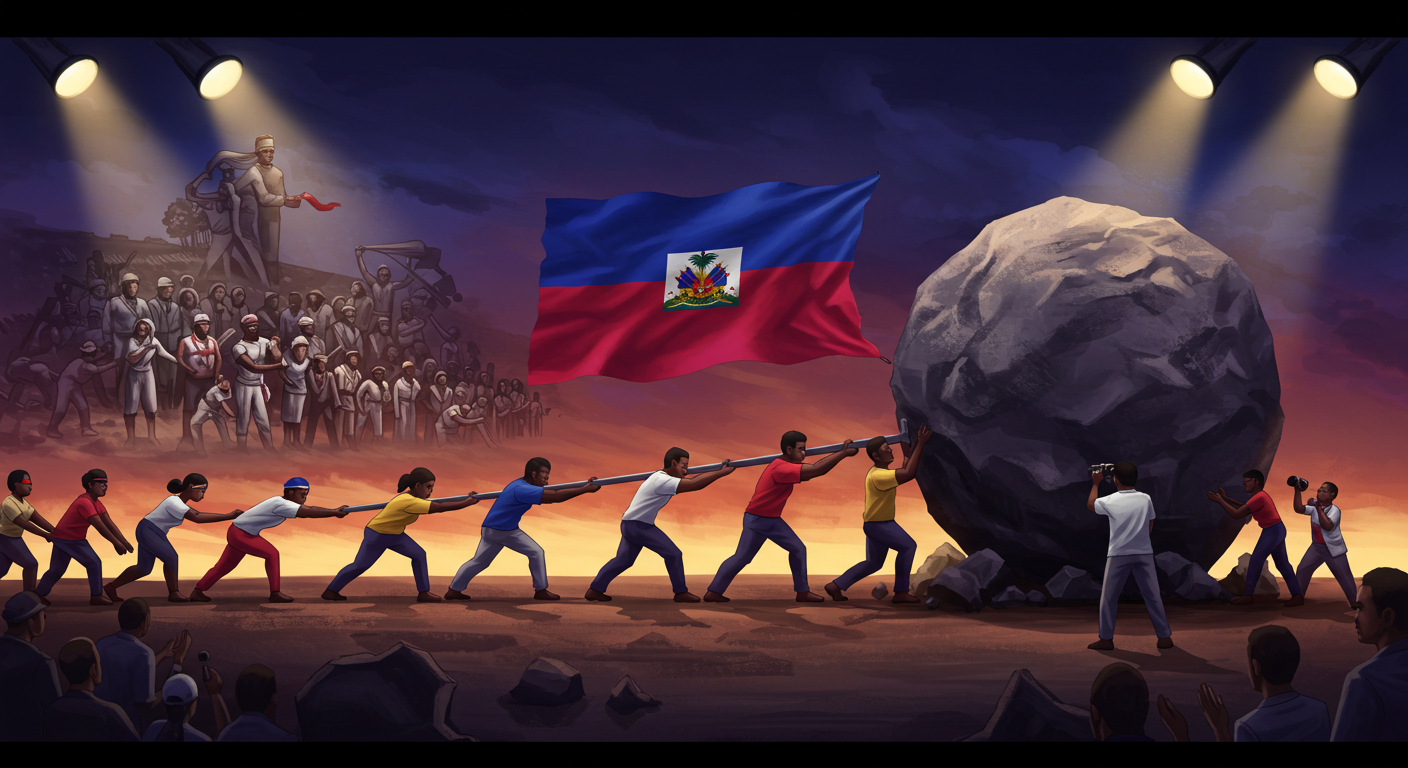
Learn why Haiti's path to progress lies in setting aside individual egos for the greater good in this must-read.
Haiti’s journey towards a brighter future is intricately linked with the ability of its leaders to put aside personal differences and work towards a common goal. Collective action is not just a buzzword; it’s a necessity for the progress of this Caribbean nation.
The path forward requires setting aside egos and embracing a spirit of unity and cooperation. When Haitian leaders prioritize the nation’s needs over personal ambitions, they pave the way for meaningful development.
This unity is crucial for Haiti’s future, enabling the country to tackle its challenges more effectively and seize opportunities for growth.
Haiti’s current situation is marked by a multifaceted crisis that encompasses humanitarian, governance, and economic dimensions. The nation is grappling with severe challenges that impact its stability and future prospects.
The humanitarian crisis in Haiti is characterized by widespread suffering and a dire need for effective intervention. Two critical aspects of this crisis are food insecurity and public health challenges.
Food insecurity remains a pressing issue, with a significant portion of the population lacking access to nutritious food. This is compounded by public health challenges, including the prevalence of diseases and inadequate healthcare infrastructure.
The situation is further exacerbated by the lack of access to clean water and sanitation, contributing to the spread of diseases and malnutrition among vulnerable populations.
Haiti’s infrastructure is in a state of disrepair, with inadequate roads, ports, and other critical facilities hindering the delivery of humanitarian aid and the country’s overall development.
Infrastructure deficiencies not only affect the economy but also impact the daily lives of Haitians, making it difficult to access basic services and opportunities.
Political instability is a significant factor in Haiti’s current reality, with governance challenges undermining the government’s ability to address the nation’s problems effectively.
The lack of stable and effective governance contributes to an environment of uncertainty, discouraging investment and hindering progress.
Economic struggles are a defining feature of Haiti’s current situation, with the country facing significant development hurdles.
The economy is characterized by high levels of poverty, unemployment, and a lack of economic diversification, making it challenging to achieve sustainable development.
Understanding Haiti’s current challenges requires a look into its complex historical context, shaped by centuries of division and power struggles. The country’s history is a tapestry of events that have contributed to its current state.
The colonial legacy has left an indelible mark on Haiti, influencing its social, economic, and political structures. The exploitation and division created during the colonial era laid the groundwork for future conflicts. The impact of colonial rule can still be seen in the contemporary societal divisions.
After gaining independence, Haiti faced significant power struggles that further divided the nation. The competition for leadership and control led to internal conflicts, hindering the country’s ability to unify and develop. These power struggles have been a recurring theme throughout Haiti’s history.
In recent decades, Haiti has experienced heightened political fragmentation, characterized by a “revolving door of leadership” where leaders have come and gone without implementing lasting change. This political instability has had severe consequences for national development.
The frequent change in leadership has created an environment of uncertainty, discouraging long-term investment and development. This instability has hindered the implementation of consistent policies needed for national progress.
The consequences of this political fragmentation and leadership instability have been dire. National development has been stifled, and the country’s ability to address its humanitarian and economic crises has been severely impaired.
The historical context of Haiti is a complex web of factors that have contributed to its current state of division. Understanding this history is crucial for addressing the challenges the nation faces today.
In Haiti, the ‘big man’ syndrome has become a defining feature of political leadership, often at the expense of collaborative governance.
The “big man” syndrome refers to a political culture where leaders prioritize their personal power and influence over collective decision-making and national interests. This phenomenon is characterized by a dominant individual who wields significant control over political processes, often leading to authoritarian tendencies and the suppression of dissenting voices.
Personal ambitions have consistently hindered national progress in Haiti. Leaders with a focus on their own career advancement often implement policies that benefit themselves rather than the broader population. This has resulted in a lack of long-term planning and investment in critical sectors such as education, healthcare, and infrastructure.
Several instances of failed governance in Haiti can be attributed to the “big man” syndrome. For example, the regime of Jean-Claude Duvalier was marked by authoritarian rule and corruption, which significantly set back the country’s development.
Ego-driven decision making has cost Haiti dearly. Decisions made to bolster a leader’s personal image or power have often led to misallocated resources and poorly planned projects. This has not only wasted financial resources but also eroded public trust in government institutions.
The culture of individualism in Haitian leadership is a significant barrier to achieving the collective action needed for national development. By understanding the impact of the “big man” syndrome and personal ambitions, Haitians can begin to move towards a more collaborative form of governance.
Understanding the psychological barriers to collective action is crucial for Haiti’s future. The country’s progress is hindered by deep-seated psychological obstacles that prevent unified efforts.
A significant psychological barrier is the trust deficit between leaders and citizens. When leaders are perceived as untrustworthy, it creates a divide that hampers collective action. Trust is the foundation of any successful collaboration, and its absence can lead to skepticism and inaction.
| Factors Contributing to Trust Deficits | Impact on Collective Action |
|---|---|
| Corruption | Erodes public trust in leaders |
| Lack of Transparency | Creates skepticism among citizens |
| Unfulfilled Promises | Disillusionment and mistrust |
Another barrier is the fear among leaders of losing individual power and influence. This fear can lead to a reluctance to collaborate and share power, hindering collective progress. Effective leadership involves balancing personal ambition with the greater good.
The prevalence of short-term thinking over long-term nation building is a significant psychological barrier. Leaders often focus on immediate gains rather than long-term benefits, which can undermine collective action. Long-term thinking is essential for sustainable development.
A zero-sum game mentality, where one person’s gain is seen as another’s loss, further complicates collective action. This mindset fosters competition rather than cooperation among leaders. A shift towards a collaborative mindset is necessary for Haiti’s progress.
By understanding and addressing these psychological barriers, Haiti can move towards a more unified and collaborative future.
Collective action is the linchpin of Haiti’s progress, requiring leaders to prioritize national interests over personal ambitions. When individuals and groups work together towards a common goal, the impact is significantly greater than the sum of their individual efforts.
Collaborative efforts in Haiti can lead to a multiplier effect, where the benefits of one project or initiative are amplified, creating a ripple effect that fosters further development and growth. For instance, joint initiatives in agriculture can improve food security, which in turn boosts the local economy and enhances community stability.
United leadership is crucial for creating an environment of stability in Haiti. When leaders put aside their differences and work together, they can reduce political volatility and create conditions that are conducive to investment.
A united front among leaders can significantly reduce political volatility, making it easier to implement long-term policies that benefit the nation as a whole.
By presenting a united front, Haiti can become a more attractive destination for foreign investment, which is crucial for economic development and job creation.
The economic benefits of coordination among different sectors and stakeholders in Haiti cannot be overstated. By working together, resources can be allocated more efficiently, and projects can be implemented with greater effectiveness, leading to sustainable economic growth.
In conclusion, Haiti’s future is inextricably linked to its ability to foster a culture of collective action. By setting aside egos and working together, Haitians can create a brighter, more prosperous future for all.
Collective action has been the backbone of Haiti’s progress, with numerous success stories to tell. When Haitians come together, they can achieve remarkable things, driving change and improving their communities.
Grassroots movements have played a crucial role in Haiti’s development, empowering local communities to take charge of their own progress. Community-led development initiatives have been particularly effective, allowing communities to identify and address their own needs.
These initiatives have led to the creation of sustainable projects that benefit the local population. For example, community-led water management projects have improved access to clean water in rural areas.
Cooperative enterprises have also thrived in Haiti, with members working together to achieve common economic goals. A notable example is the successful agricultural cooperatives that have enhanced food security and provided economic opportunities for their members.
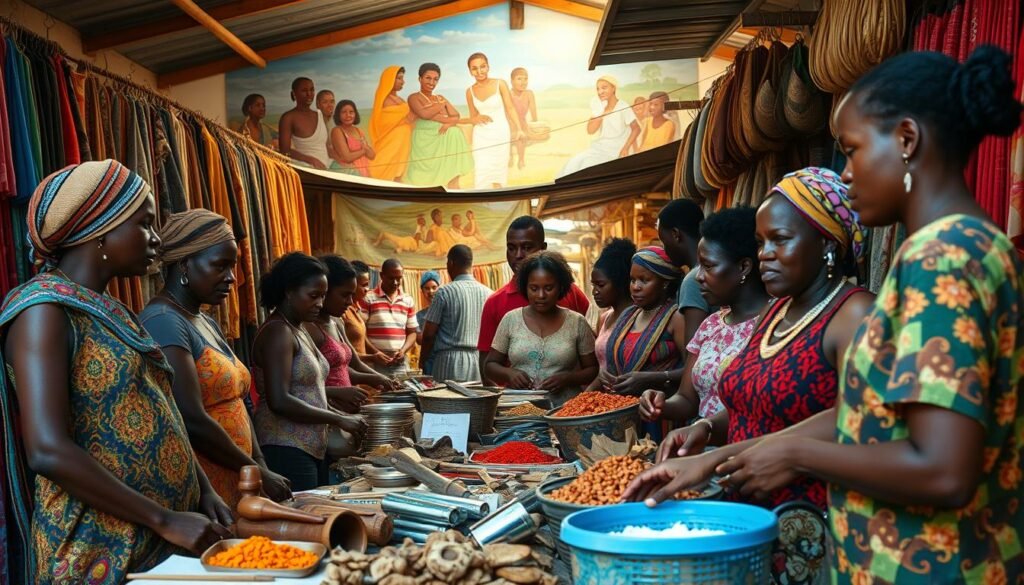
Cross-sector collaborations have been instrumental in driving progress in Haiti. By bringing together different stakeholders, these collaborations have tackled complex challenges and achieved significant results.
For instance, collaborations between government agencies, NGOs, and private sector organizations have improved infrastructure and service delivery in various parts of the country.
Haiti’s experience with natural disasters has provided valuable lessons on the importance of collective action in recovery efforts. Post-disaster recovery has shown that when different stakeholders work together, they can achieve more effective and sustainable outcomes.
The response to the 2010 earthquake was a significant example of collective action, with international and local organizations working together to provide relief and support recovery efforts.
Similarly, the recovery efforts following Hurricane Matthew in 2016 demonstrated the importance of coordination among different stakeholders. The efforts led to improved recovery outcomes and enhanced resilience in affected communities.
| Initiative | Outcome | Impact |
|---|---|---|
| Community-led water management | Improved access to clean water | Enhanced health and well-being |
| Agricultural cooperatives | Increased food security | Economic opportunities for members |
| Cross-sector collaborations | Improved infrastructure and services | Better quality of life |
These success stories highlight the power of collective action in Haiti. By working together, Haitians can overcome challenges and achieve a brighter future.
Haiti’s civil society is instrumental in bridging the divides that have long plagued the nation. By working together, various organizations and groups are creating a more unified Haiti.
Community organizations are at the forefront of promoting unity in Haiti. They work at the grassroots level, addressing the needs of local communities and fostering a sense of togetherness. These organizations often provide essential services, including healthcare, education, and economic empowerment programs.
Religious institutions in Haiti also play a significant role in promoting unity. They provide a moral framework that encourages cooperation and mutual respect among different groups. By bringing people together across denominational lines, religious institutions help to build a more cohesive society.
Youth movements are another crucial component of Haitian civil society. These movements are driven by a vision for a more collaborative and prosperous Haiti. Through education and leadership development programs, young people are being empowered to take on leadership roles and drive positive change.
Education and leadership development are key to building a unified Haiti. Programs that focus on these areas help to equip individuals with the skills and knowledge needed to contribute to the country’s development. By investing in the next generation of leaders, Haiti can build a more stable and prosperous future.
| Organization Type | Role in Promoting Unity | Impact |
|---|---|---|
| Community Organizations | Provide essential services and foster community cohesion | High |
| Religious Institutions | Promote moral values and inter-denominational cooperation | Significant |
| Youth Movements | Drive positive change through education and leadership development | Promising |
International support can be a double-edged sword for Haiti, potentially hindering or helping collective action. While foreign aid is often provided with the intention of supporting development and stability, it can sometimes have unintended consequences.
Foreign aid can reinforce division in Haiti through various mechanisms. Two significant factors are competing aid agendas and the bypassing of local governance structures.
Different aid organizations and countries often have their own agendas, which can lead to a fragmented approach to supporting Haiti. This fragmentation can result in duplicated efforts, inefficiencies, and a lack of coordination, ultimately undermining collective action.
When international aid bypasses local governance structures, it can weaken the capacity of Haitian institutions and undermine their authority. This not only hampers the effectiveness of aid but also erodes trust in local leadership.

Despite the challenges, there are models of international cooperation that have successfully promoted unity in Haiti. These include collaborative efforts that engage local stakeholders, align with national priorities, and foster a sense of ownership among Haitians.
The key to effective international support lies in striking a balance between respecting Haiti’s sovereignty and providing necessary assistance. This involves working closely with local leaders, understanding the needs of the Haitian people, and ensuring that aid is delivered in a way that supports, rather than undermines, collective action.
The key to overcoming Haiti’s challenges is setting aside individual egos for the greater good. Achieving this requires a multifaceted approach that encompasses political, economic, and social dimensions.
One of the foundational elements of a collaborative culture is a political process that values consensus and inclusivity. This can be achieved through:
Economic development that benefits all segments of society is crucial. This involves:
| Strategy | Description | Benefits |
|---|---|---|
| Shared Resource Management | Managing resources in a way that benefits the community as a whole. | Promotes equity and sustainability. |
| Equitable Distribution of Opportunities | Ensuring that economic opportunities are accessible to all. | Reduces poverty and inequality. |
As
“Unity is strength… when there is teamwork and collaboration, wonderful things can be achieved.”
– Mattie Stepanek. Fostering a national identity that transcends factional interests is vital. This can be done by promoting cultural events and educational programs that celebrate Haiti’s rich heritage and diversity.
By implementing these practical steps, Haiti can move toward a culture of collaboration that benefits its citizens and paves the way for a brighter future.
Haiti stands at a critical juncture, where the path forward is fraught with challenges but also ripe with opportunities. The nation’s future depends on its ability to foster a culture of unity and collective action.
By setting aside individual egos and working together, Haitians can unlock the country’s full potential. This collaborative approach can lead to significant progress in addressing the ongoing humanitarian crisis, political instability, and economic struggles that have long plagued the nation.
The strength of many, rather than the strength of one, will be the driving force behind Haiti’s development. Unity is not just a moral imperative but a practical necessity for creating stability, promoting economic growth, and building a prosperous future.
As Haiti moves forward, it is essential to draw on the lessons from past successes and challenges. By doing so, the nation can chart a course toward a brighter future, one that is built on the principles of unity, cooperation, and collective action.
Haiti faces several challenges, including a humanitarian crisis, political instability, economic struggles, food insecurity, public health challenges, and infrastructure deficiencies.
Haiti’s history, including its colonial legacy, post-independence power struggles, and recent decades of political fragmentation, has contributed to its current state of division.
The “big man” syndrome refers to the culture of individualism prevalent in Haitian leadership, where personal ambitions and egos often hinder national progress.
The psychological barriers to collective action in Haiti include trust deficits among leaders and citizens, fear of losing individual power and influence, and short-term thinking versus long-term nation building.
International support can promote unity in Haiti by adopting models of cooperation that prioritize local governance structures and promote inclusive decision-making, rather than reinforcing division through competing aid agendas.
Civil society, including community organizations, religious institutions, and youth movements, can play a crucial role in fostering unity in Haiti by bridging divides and promoting a collaborative vision for the country’s future.
Practical steps toward fostering a culture of collaboration in Haiti include building consensus-based political processes, creating inclusive economic development models, and fostering a national identity that transcends factional interests.
Examples of successful collective action in Haiti include grassroots movements, community-led development initiatives, successful cooperative enterprises, and cross-sector collaborations, such as those seen in post-disaster recovery efforts.