Physical Address
304 North Cardinal St.
Dorchester Center, MA 02124
Physical Address
304 North Cardinal St.
Dorchester Center, MA 02124
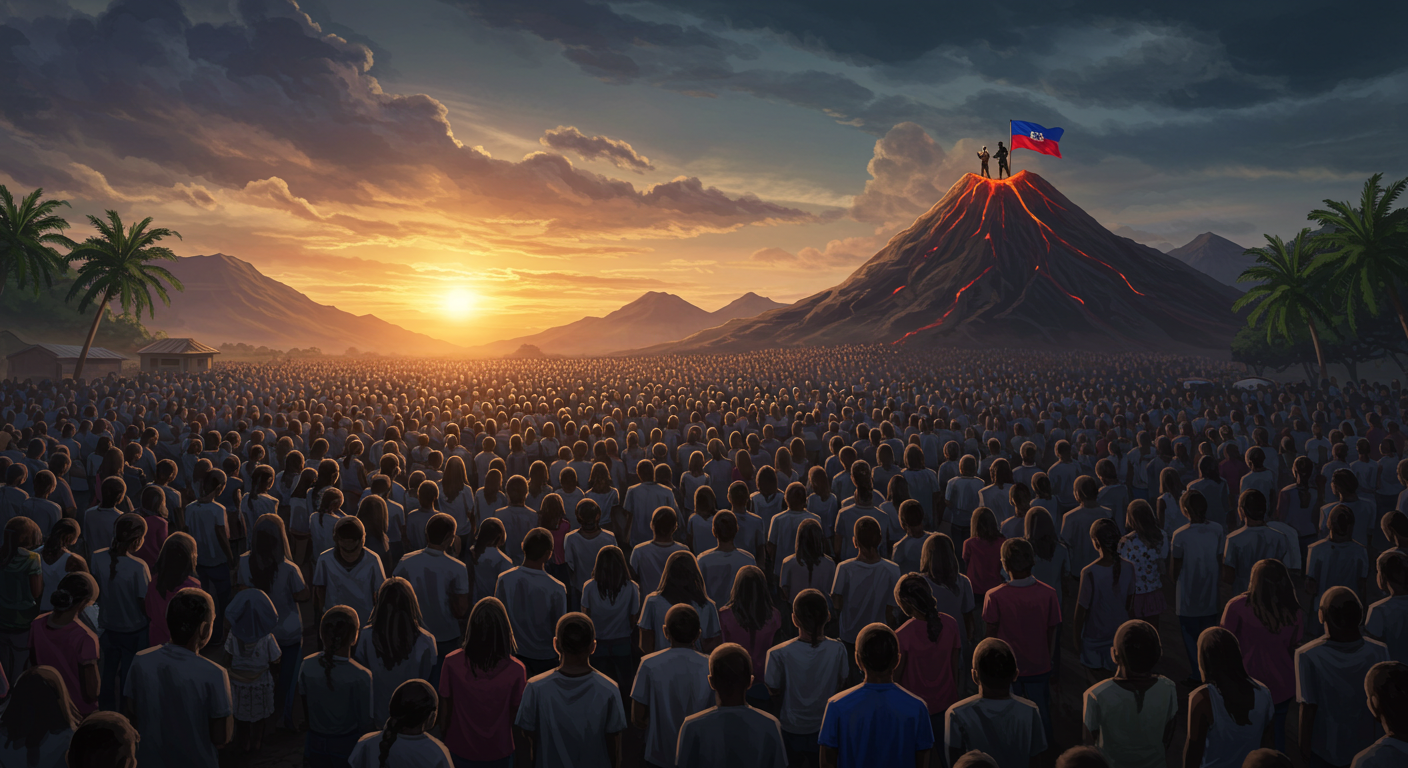
Uncover the surprising acceptance of a corrupt minority's control over Haiti's "silent majority" in this insightful article.
In Haiti, a complex dynamic exists between the “silent majority” and the “corrupt minority” that controls the political landscape. For years, the majority of Haitian society has been subjected to political control by a small, corrupt elite.
This has led to a state where the silent majority feels disenfranchised and powerless against the corrupt minority that wields significant influence over the country’s governance.
Historical and contemporary factors have contributed to this situation, shaping the intricate relationship between the ruling elite and the general population in Haiti.
Understanding Haiti’s historical context is crucial to grasping the dynamics of its power structures. Haiti’s history is a complex tapestry of revolution, independence, and authoritarian rule.
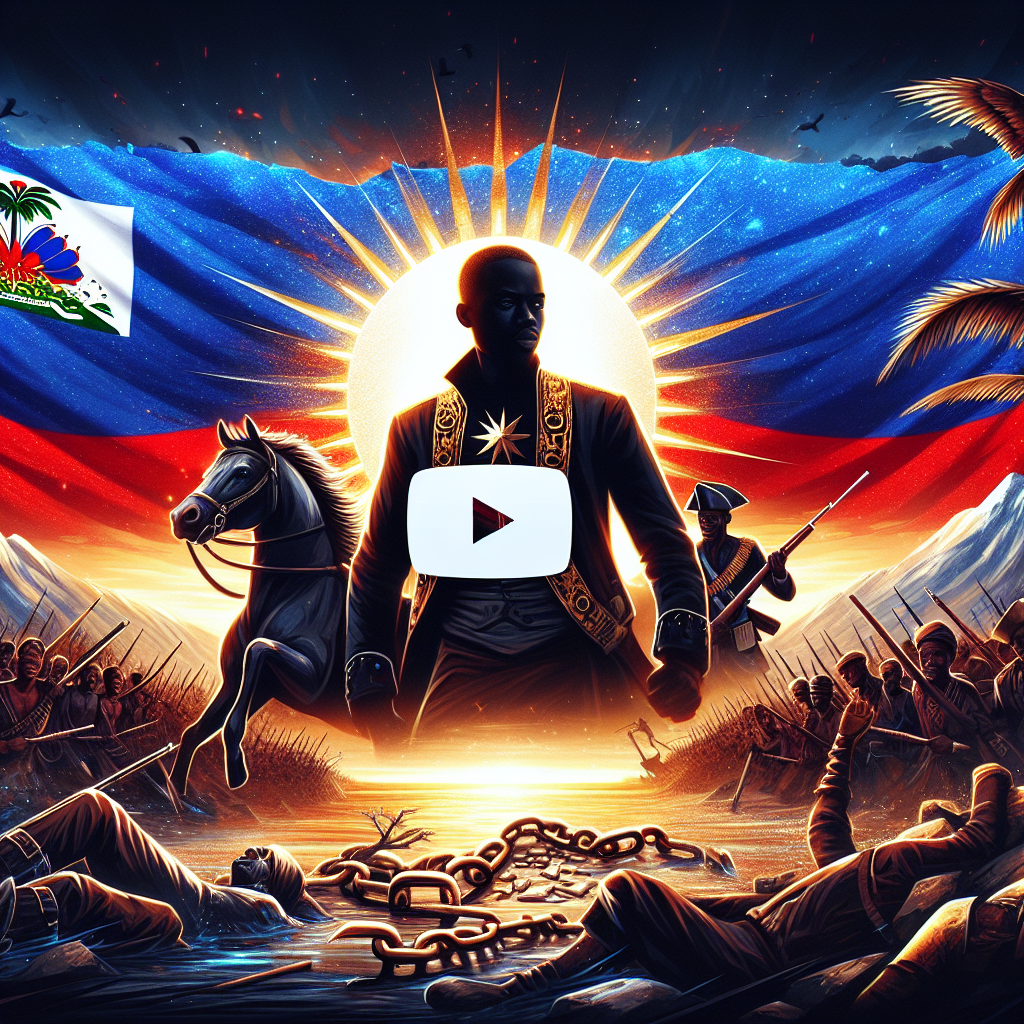
Haiti’s journey to independence was unique in the annals of history. As the first independent black nation in the world, Haiti’s revolutionary spirit was ignited by the enslaved population’s desire for freedom. Led by figures such as Toussaint Louverture, the revolution culminated in the establishment of Haiti as a sovereign state in 1804. This beginning had a profound impact on Haiti’s political structure, setting a precedent for strong leadership and the struggle against foreign domination.
Despite its revolutionary beginnings, Haiti has been marked by patterns of authoritarian rule throughout its history. From the early leaders who followed Dessalines to the U.S. occupation in the 20th century, authoritarianism has been a recurring theme. The most notable example is the Duvalier era, which had a lasting impact on Haitian society.
The Duvalier regime, led by François “Papa Doc” Duvalier and later his son Jean-Claude “Baby Doc” Duvalier, exemplified the authoritarian rule that has characterized much of Haiti’s history. The regime was known for its brutal suppression of opposition and the cult of personality surrounding the Duvaliers. The legacy of this era continues to influence Haiti’s political landscape, with ongoing impacts on its power dynamics.
The historical context of Haiti provides a critical lens through which to understand the current power imbalance. The interplay between revolutionary ideals, authoritarian rule, and the struggle for democracy continues to shape Haiti’s future.
Understanding Haiti’s silent majority requires an examination of the country’s demographic and geographic divisions. Haiti’s population is diverse, with various age groups, occupations, and socioeconomic statuses that influence political participation.
Haiti’s demographic landscape is characterized by a young population, with a significant proportion under the age of 25. Geographic divisions also play a crucial role, with the population divided between urban centers like Port-au-Prince and rural areas.
The urban-rural divide significantly affects political participation in Haiti. Urban dwellers are generally more politically active, while rural populations face barriers to political engagement.
Key factors contributing to this divide include:
Understanding Haiti’s power elite requires examining the intricate relationships between political leaders and economic influencers. This complex network has been instrumental in shaping the country’s political and economic landscape.
Haiti’s political history is replete with examples of political dynasties that have maintained power through a combination of family ties, strategic alliances, and control over key resources. These dynasties have often prioritized their own interests over the needs of the general population, contributing to the country’s ongoing political instability.
The influence of these political dynasties extends beyond the political sphere, with many having significant economic interests that further entrench their power. By controlling key sectors of the economy, they are able to exert considerable influence over the country’s development trajectory.
Economic oligarchs in Haiti play a crucial role in the country’s power dynamics. By controlling major industries and resources, they are able to dictate economic policies that often favor their own interests at the expense of the broader population. Their influence is further amplified through strategic alliances with political leaders and foreign business interests.
These oligarchs use various mechanisms to maintain their control, including investment in key sectors, manipulation of market forces, and strategic use of their economic influence to shape political decisions.
Foreign business interests have long played a significant role in Haiti’s economy, often in partnership with local economic oligarchs. These interests can influence the country’s economic policies and political decisions, sometimes to the detriment of the local population’s needs.
The involvement of foreign business interests can also lead to a dependency on external factors, undermining Haiti’s sovereignty and ability to make independent decisions regarding its own development.
The acceptance of control by a corrupt minority among Haiti’s majority population is a multifaceted issue, influenced by various psychological, economic, and social factors. To understand this phenomenon, it’s crucial to delve into the psychological mechanisms that foster political passivity and the economic conditions that shape political engagement.
Political passivity among Haitians can be attributed to several psychological factors. The trauma and stress resulting from decades of political instability, violence, and economic hardship have led to a sense of learned helplessness among many citizens. This feeling of powerlessness discourages political participation, as individuals may believe that their actions will not lead to meaningful change.
Additionally, the pervasive influence of clientelism and patronage systems in Haiti creates a dependency that further entrenches political passivity. When individuals rely on powerful figures for basic necessities, they are less likely to challenge the status quo, fearing reprisal or loss of support.
The daily struggle for survival is a significant barrier to political engagement in Haiti. Many Haitians are preoccupied with meeting their basic needs, leaving little time or energy for political activism. The concept of survival economics highlights how economic survival takes precedence over political participation.
For the average Haitian, the daily struggle involves working multiple jobs, standing in line for food assistance, or dealing with the aftermath of natural disasters. This constant struggle overshadows political concerns, as immediate needs take priority over long-term political change.
In conclusion, the interplay between psychological mechanisms and economic factors significantly contributes to the political passivity of Haiti’s majority. Understanding these dynamics is crucial for developing strategies to empower the silent majority and challenge the control of the corrupt minority.
The ability of Haitians to engage in political processes is significantly curtailed by entrenched structural obstacles. These barriers not only limit the ability of citizens to participate in the political life of their country but also perpetuate a cycle of control by a corrupt minority.
Haiti’s institutional weaknesses are a significant barrier to political participation. Corruption is pervasive, affecting all levels of government and public administration. This corruption undermines trust in institutions and discourages political engagement among citizens who feel their actions will not lead to meaningful change.
Violence and intimidation are used as tools to control political participation. This can range from gang violence in urban areas to intimidation tactics used against political opponents in rural communities.
“The use of violence and intimidation creates a climate of fear, effectively silencing potential political dissent.”
Gang politics has become a significant issue in Haiti, particularly in urban centers like Port-au-Prince. Gangs often control large swaths of territory and can influence political outcomes through violence and intimidation. This not only affects political participation but also poses significant security concerns for citizens and political actors alike.
The interplay between gang politics, institutional weaknesses, and the use of violence and intimidation creates a complex web of structural barriers that limit political participation in Haiti. Addressing these issues is crucial for fostering a more inclusive and participatory political environment.
The acceptance of control by a corrupt minority in Haiti can be understood by examining the country’s cultural and religious dimensions. Cultural factors deeply influence political attitudes and behaviors in Haiti, shaping how citizens perceive and interact with their government.
Traditional authority structures, such as lakou systems and community leaders, play a significant role in Haitian society. These structures often hold more sway over local populations than formal government institutions, contributing to a complex political landscape.
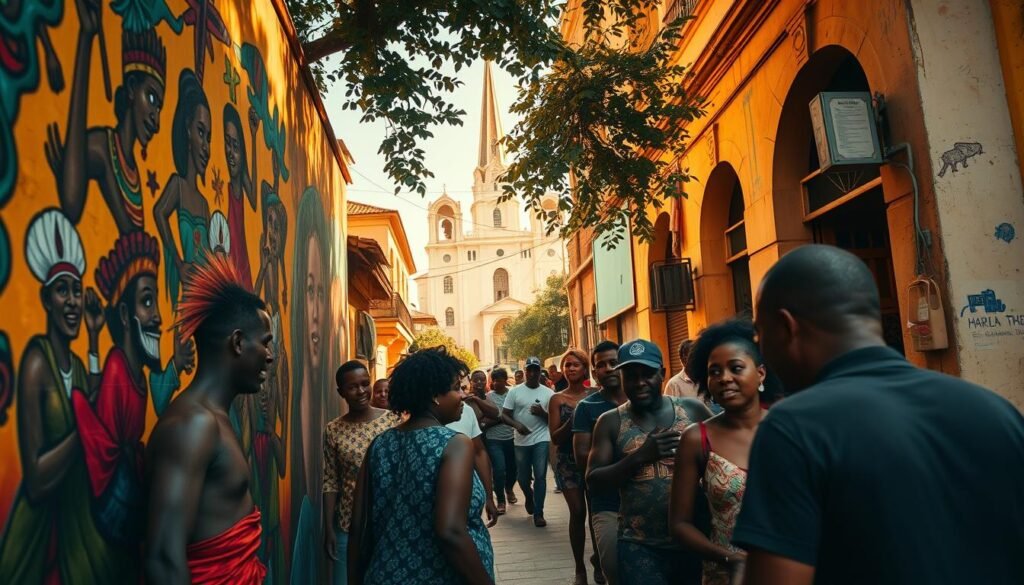
The interplay between Vodou, Christianity, and politics is complex.
“Vodou has been a part of Haitian identity since the country’s founding, influencing political culture and social norms.”
Meanwhile, Christianity, particularly Catholicism, has also shaped political attitudes, often in conjunction with Vodou practices. This blend of religious influences contributes to the unique political culture in Haiti.
Understanding these cultural and religious dimensions is crucial for grasping why Haiti’s silent majority accepts control by a corrupt minority. By examining these factors, we can gain insight into the complex dynamics at play in Haitian politics.
Understanding Haiti’s media environment is essential to grasping how information control affects the population. The media landscape in Haiti is complex, with various factors influencing how information is disseminated and consumed.
The disparity in access to information between rural and urban areas in Haiti is significant. Urban centers like Port-au-Prince have relatively better access to a variety of information sources, including radio, television, and internet services. In contrast, rural areas often suffer from limited access to these resources, relying heavily on community radios and word of mouth.
This divide is further exacerbated by infrastructure challenges, including lack of electricity and internet connectivity in rural areas. As a result, the flow of information is often restricted, making it difficult for rural populations to access news and information that could be crucial for political engagement and awareness.
The spread of propaganda and misinformation is a significant issue in Haiti’s media landscape. Political actors often use various media channels to disseminate information that supports their agendas, sometimes blurring the lines between fact and fiction. This can lead to the manipulation of public opinion and the distortion of political narratives.
The role of social media in this context is particularly noteworthy. While it offers a platform for diverse voices, it also facilitates the rapid spread of misinformation. Understanding the dynamics of propaganda and misinformation is crucial for addressing their impact on Haiti’s political landscape.
The digital divide in Haiti has profound implications for political participation and access to information. Those with access to digital technologies have a significant advantage in terms of accessing information, mobilizing politically, and engaging with the broader world.
A comparison of the digital divide’s impact can be seen in the following table:
| Aspect | Urban Areas | Rural Areas |
|---|---|---|
| Internet Access | Relatively high | Limited |
| Mobile Phone Usage | High | Moderate |
| Information Sources | Diverse | Limited |
The digital divide not only affects access to information but also influences political engagement and participation. Addressing this divide is essential for promoting more inclusive political processes in Haiti.
The Haitian diaspora, a community spread across the globe, has a multifaceted relationship with Haiti. This complex entity influences Haiti’s economic and political landscape in various ways, from remittances to political activism. Understanding the diaspora’s role is crucial for grasping the dynamics at play in Haiti today.
Remittances from the Haitian diaspora are a lifeline for many families in Haiti, providing essential financial support. According to the World Bank, remittances account for a significant portion of Haiti’s GDP, highlighting the diaspora’s economic influence. However, this reliance on remittances also fosters economic dependency, potentially hindering local economic development.
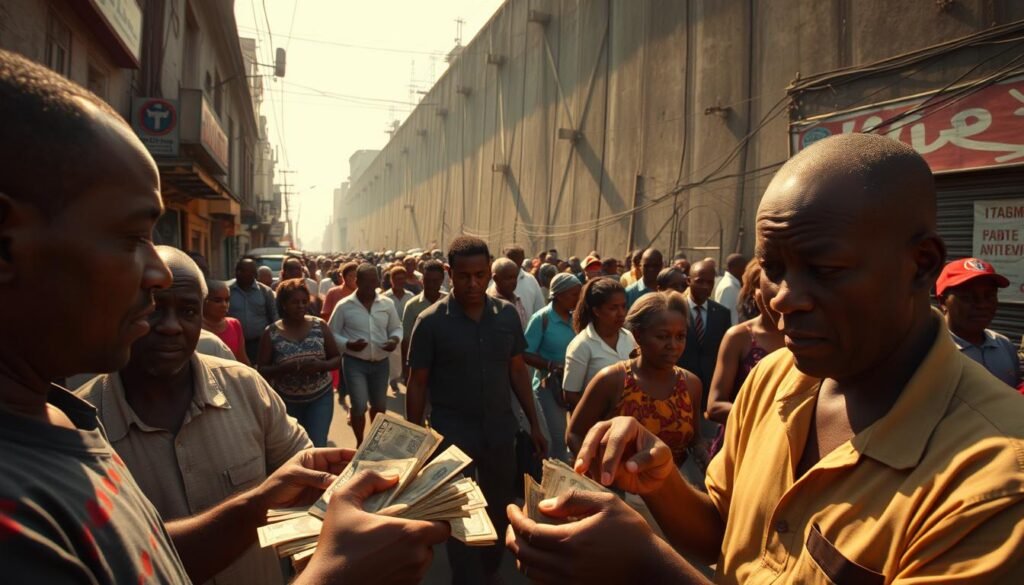
As Maxine Charles, a Haitian economist, notes, “Remittances are crucial, but they also mask the need for structural economic reforms in Haiti.” This perspective underscores the complex nature of the diaspora’s economic impact.
The Haitian diaspora is also a hub of political activism, with many individuals and organizations advocating for change in Haiti. From organizing protests to supporting political candidates, the diaspora’s political engagement is significant. However, the effectiveness of this activism is sometimes debated, with questions arising about the disconnect between the diaspora’s goals and the realities on the ground in Haiti.
There’s a notable generational divide within the Haitian diaspora regarding political engagement with Haiti. Younger generations, born and raised abroad, may have different priorities and perspectives on Haitian politics compared to their parents or grandparents. As Dr. Jean-Pierre, a sociologist, observes, “The younger generation is more likely to engage in digital activism, using social media to mobilize support for causes they care about.”
In the face of entrenched corruption, Haiti’s silent majority is finding its voice through various channels of resistance. This growing movement is characterized by the emergence of grassroots organizations and civil society groups determined to challenge the status quo.
Grassroots movements in Haiti are gaining momentum, driven by local communities demanding change. These movements are often supported by civil society organizations that provide crucial resources and advocacy. Together, they are pushing for reforms and greater accountability from the government.
“The power of the people is greater than the power of the government.” This sentiment, echoed by Haitian activist René Jean, encapsulates the spirit of the resistance. Organizations are working tirelessly to empower communities, educate citizens on their rights, and mobilize action against corruption.
Haiti’s youth are at the forefront of this resistance, harnessing the power of social media to mobilize support and spread their message. Platforms like Twitter and Facebook are being used to organize protests, share information, and counter misinformation. This digital activism is complemented by on-the-ground efforts, creating a robust movement for change.
The journey of these resistance movements is not without its challenges. While there have been successes, such as the mobilization against corruption and the promotion of transparency, there have also been setbacks, including government crackdowns and internal conflicts. Despite these hurdles, the voices of resistance continue to grow louder.
“The resilience of Haitian civil society is a beacon of hope for the country’s future.”
The path forward is fraught with challenges, but the determination of Haiti’s people to challenge the status quo and demand a better future is a powerful force for change.
Haiti’s silent majority remains a powerful force, capable of driving meaningful political change. To empower this demographic, it’s essential to address the structural barriers that have historically limited their participation.
One potential pathway forward involves strengthening grassroots movements and civil society organizations. These groups have been instrumental in mobilizing the silent majority, providing a platform for their voices to be heard.
Additionally, leveraging technology, such as social media, can help amplify the message of change and mobilize support. By harnessing these tools, Haiti’s silent majority can become a driving force behind political change, pushing for a more equitable and just society.
Ultimately, the silent majority’s acceptance of control by a corrupt minority can be challenged through sustained activism and community engagement. By working together, Haitians can create a brighter future, one that is shaped by the needs and aspirations of the many, not just the privileged few.
The “silent majority” refers to the majority of Haitians who are not actively participating in the political process, often due to various barriers such as institutional weaknesses, corruption, and violence.
Haiti’s historical context, including its unique beginning as a revolutionary state and patterns of authoritarian rule, has shaped the current power dynamics, with a corrupt minority controlling the political landscape.
Economic oligarchs in Haiti play a significant role in controlling the country’s economy and politics, often using their wealth and influence to maintain their power and shape the political landscape.
The urban-rural divide in Haiti affects political participation, with rural areas often being more disenfranchised and disconnected from the political process, while urban areas tend to be more politically active.
Foreign business interests can significantly influence Haiti’s politics, often shaping the country’s economic and political landscape to serve their own interests, which can contribute to the power imbalance.
Traditional authority structures and religious beliefs, such as Vodou and Christianity, play a significant role in shaping political attitudes in Haiti, often influencing how people perceive and interact with the political status quo.
The Haitian diaspora plays a complex role in shaping the country’s politics, with remittances and economic dependency being significant factors, as well as political activism from abroad, which can influence the political landscape.
Grassroots movements and civil society organizations in Haiti challenge the status quo by mobilizing people, advocating for change, and pushing for greater accountability and transparency in government, often using social media to mobilize support.
Structural barriers to political participation in Haiti include institutional weaknesses, corruption, violence, and intimidation, which can prevent people from participating in the political process.
The media landscape in Haiti influences information control, with access to information varying between rural and urban areas, and propaganda and misinformation often being used to shape political narratives.