Physical Address
304 North Cardinal St.
Dorchester Center, MA 02124
Physical Address
304 North Cardinal St.
Dorchester Center, MA 02124


The Caribbean’s first independent nation continues to struggle under the weight of leaders who prioritize personal enrichment over national progress
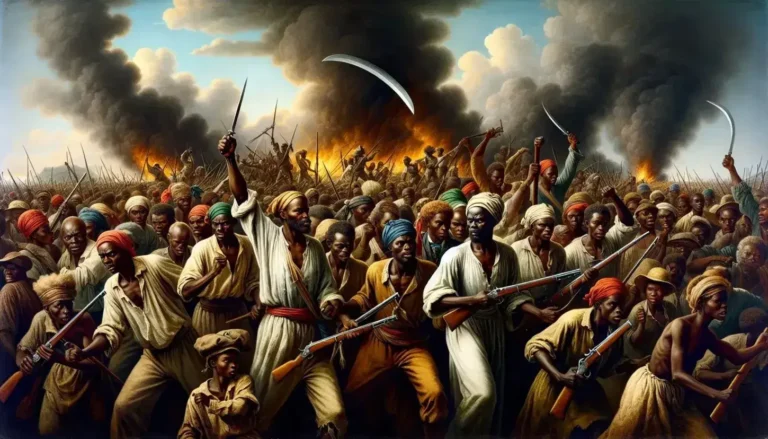
Haiti stands as a paradox in the Western Hemisphere. The nation that achieved the impossible—the world’s only successful slave rebellion that led to independence—now languishes as one of the poorest countries on Earth. While natural disasters and international intervention play roles in this tragedy, perhaps the most devastating factor has been the consistent betrayal by those entrusted with leading the nation forward.
For generations, Haiti’s political elite have operated from a familiar playbook: promise transformation during campaigns, consolidate power upon election, and systematically extract wealth while the nation crumbles. This isn’t merely corruption in the traditional sense—it’s a wholesale abandonment of national interest for personal gain that has become so normalized it’s almost expected.
The numbers tell a stark story. While approximately 60% of Haitians live on less than $2 per day, political leaders and their associates accumulate vast fortunes. Luxury homes in Port-au-Prince’s affluent neighborhoods stand in jarring contrast to the sprawling tent cities that became permanent after the 2010 earthquake. The wealth doesn’t trickle down; it flows out—to foreign bank accounts, Miami condos, and offshore havens.
Infrastructure Funds That Disappear: Road construction projects are announced with great fanfare, funds are allocated, contracts are signed, and then… nothing. Or worse, substandard work is completed at inflated costs while the majority of the money vanishes. The PetroCaribe scandal exemplified this perfectly—$2 billion in Venezuelan aid meant for infrastructure and social programs was systematically embezzled by officials across multiple administrations. Foreign Aid Exploitation: Haiti receives substantial international assistance, yet this aid often becomes another revenue stream for corrupt officials. Phantom NGOs are created, contracts are awarded to companies owned by relatives, and emergency supplies are diverted to black markets. The aftermath of the 2010 earthquake saw billions in aid pledged, yet the majority of Haitians saw minimal benefit while well-connected elites profited enormously. Resource Extraction Without Reinvestment: Haiti’s remaining natural resources—from minerals to agricultural land—are sold off or leased under suspicious terms. Revenue that should fund schools, hospitals, and infrastructure instead enriches a small circle while the population remains trapped in poverty.

The betrayal of Haiti’s leaders has consequences that extend far beyond stolen money. Brain drain has stripped the nation of its most educated citizens—doctors, engineers, teachers, and entrepreneurs who see no future in a system rigged against merit and hard work. Why stay and struggle when the rules are written by thieves?
The education system has collapsed in many areas. Only 20% of teachers are properly trained, and public schools often lack basic supplies. Meanwhile, children of the elite attend private institutions or study abroad, ensuring the next generation of leadership remains disconnected from the suffering of ordinary Haitians.
Healthcare infrastructure is virtually nonexistent outside Port-Au-Prince. Preventable diseases claim lives daily. When the cholera epidemic struck after the earthquake, killing over 10,000 people, the inadequate response highlighted decades of neglect in public health investment.
Haiti’s sellout leaders don’t operate in isolation. International actors—governments, corporations, and financial institutions—have often enabled this corruption through complicity or wilful ignorance. Loans are granted with minimal oversight. Dictators are recognized and supported when they serve geopolitical interests. Banks accept suspicious deposits without serious questions.
The international community’s approach to Haiti has frequently prioritized stability over accountability, propping up corrupt regimes rather than supporting genuine democratic movements. This external enablement provides cover for domestic betrayal, allowing leaders to claim they’re simply working within an international system while pocketing the proceeds.
Young Haitians increasingly recognize that their nation’s problems aren’t inevitable—they’re the direct result of leadership choices. Grassroots movements demanding accountability have emerged, though they face enormous obstacles from entrenched power structures willing to use violence to maintain control.
The diaspora, numbering in the millions, represents both Haiti’s greatest loss and potentially its greatest hope. Successful Haitians abroad increasingly demand change and accountability, leveraging international platforms to expose corruption and advocate for reform.
Haiti’s tragedy isn’t a lack of potential—it’s an abundance of betrayal. The nation possesses creative, resilient people who have repeatedly demonstrated their capacity to overcome seemingly impossible odds. What’s missing isn’t talent, work ethic, or resources—it’s leadership that serves the nation rather than exploiting it.
Real change requires:Genuine accountability mechanisms that can prosecute corruption regardless of political connections. Transparent financial systems that track government spending and make it impossible to hide stolen funds. International pressure that prioritizes fighting corruption over maintaining convenient relationships with pliable leaders. Support for independent media and civil society that can investigate and expose betrayal without fear of violent reprisal.
Most importantly, it requires a new generation of Haitian leaders who view public service as exactly that—service—rather than an opportunity for personal enrichment. Until the cost of betrayal exceeds its benefits, the sellout generation will continue to trade Haiti’s future for their personal gain.The question facing Haiti isn’t whether change is possible—history proves Haitians can achieve the impossible. The question is whether the international community will finally support accountability over stability, and whether Haitians themselves will demand leadership worthy of their sacrifice and resilience.