Physical Address
304 North Cardinal St.
Dorchester Center, MA 02124
Physical Address
304 North Cardinal St.
Dorchester Center, MA 02124
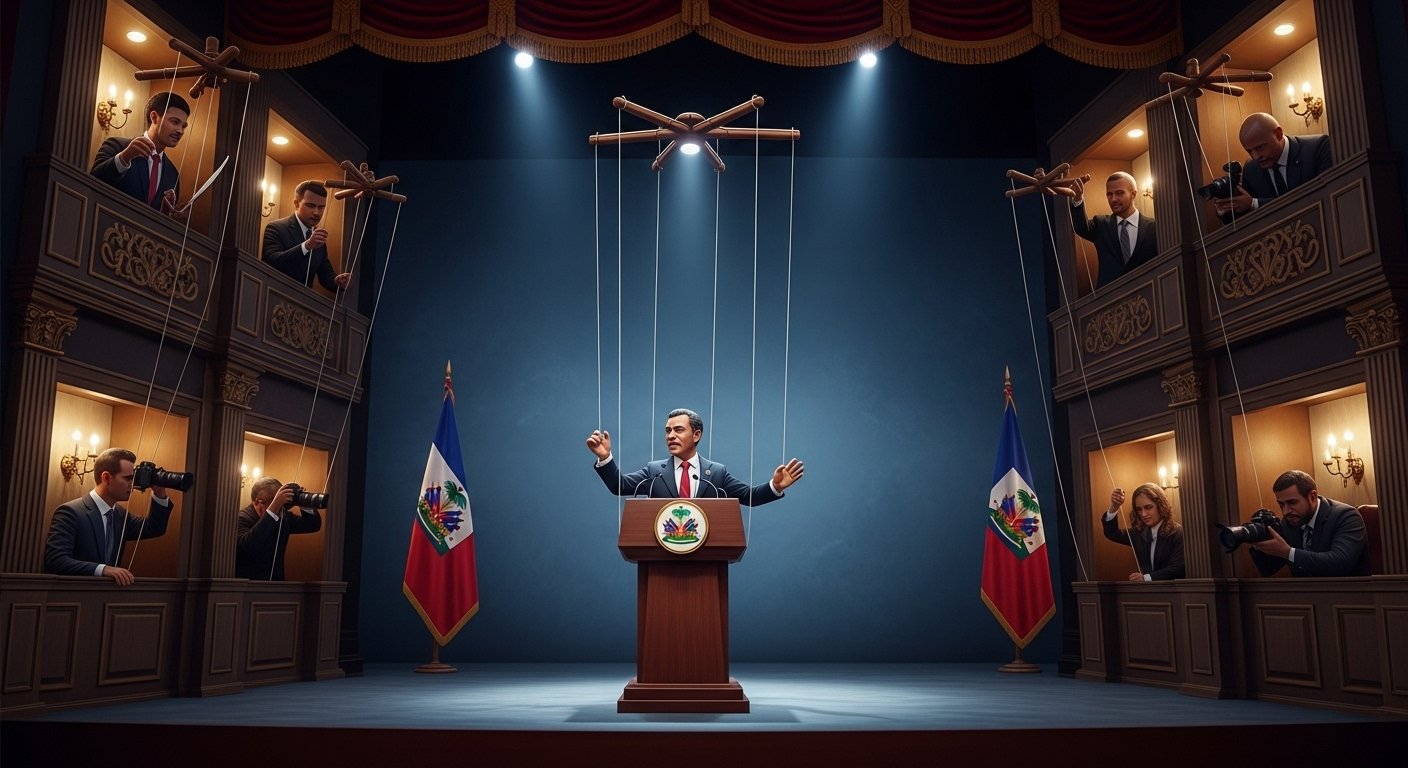
Uncover the truth behind Haiti's "Puppet Presidency" and why its visible leaders rarely hold true power.
Haiti’s political landscape is complex, with a history of puppet governments influencing the country’s direction. The concept of a “Puppet Presidency” refers to a situation where the visible leader is not the one holding the actual power.
In Haiti’s case, the Haiti political system has been shaped by various factors, including foreign interventions and internal power struggles. This has led to a situation where the true power often lies with unseen forces, rather than the elected officials.
Understanding this dynamic is crucial to grasping the intricacies of Haitian politics and the challenges faced by its leaders. By examining the factors that contribute to the “Puppet Presidency,” we can gain insight into the country’s governance and the role of its visible leaders.
Haiti’s history, characterized by colonial rule and revolutionary fervor, has shaped its power structures in lasting ways. The country’s past is a complex tapestry of external influences, internal power struggles, and significant historical events that have cumulatively contributed to its current leadership dynamics.
The colonial era laid the foundation for Haiti’s power imbalances. As a French colony, Haiti, then known as Saint-Domingue, was a significant producer of sugar and coffee, with enslaved Africans making up the majority of the population. The brutal conditions of slavery and the harsh treatment of enslaved people sowed the seeds for the Haitian Revolution.
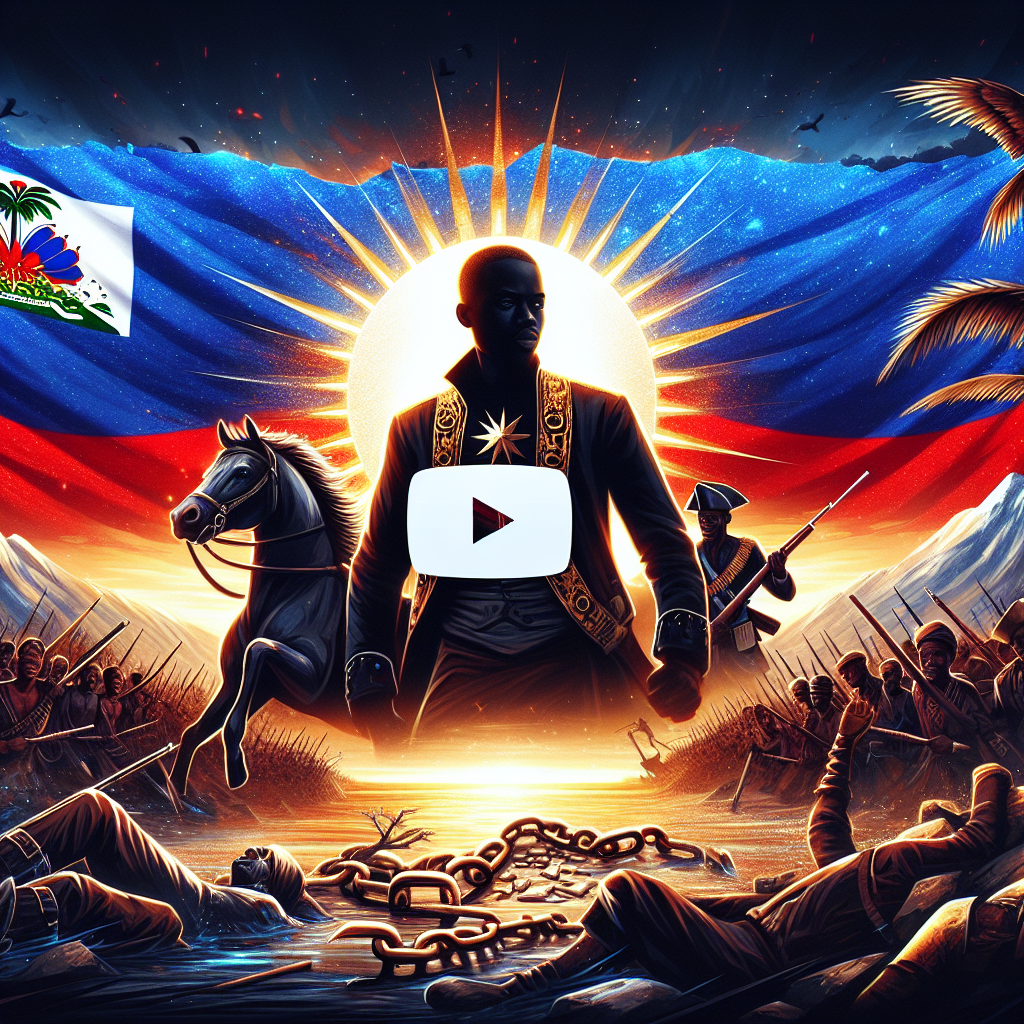
The Haitian Revolution (1791-1804) was a successful slave revolt that led to Haiti becoming the first independent nation in the Caribbean. However, this revolution also created new power dynamics, with leaders like Toussaint Louverture and Jean-Jacques Dessalines playing crucial roles. The legacy of this period includes both the ideals of liberty and equality, and the contradictions of a post-revolutionary leadership that sometimes mirrored the authoritarian structures of the colonial era.
After gaining independence, Haiti faced significant challenges in establishing a stable governance structure. The early years were marked by internal conflicts and external pressures, including indemnity claims from France that drained Haiti’s resources.
External control has been a recurring theme in Haitian history. Following independence, various international actors, including the United States, have exerted influence over Haiti’s political and economic affairs. This external influence has often shaped the country’s leadership and power dynamics.
| Period | Key Events | Impact on Power Dynamics |
|---|---|---|
| Colonial Era | Exploitation, enslavement | Established power imbalances |
| Haitian Revolution | Successful slave revolt | Created new leadership, contradictions |
| Post-Independence | Internal conflicts, external pressures | Challenged stable governance |
The phenomenon of a “puppet presidency” is a complex issue that transcends borders, affecting nations worldwide, including Haiti. This concept refers to a situation where the president or head of state appears to be in control but is actually being manipulated or controlled by external or internal forces.
A puppet presidency occurs when the visible leader lacks real authority, with actual power resting in the hands of other entities or individuals. This phenomenon is not unique to Haiti; it has been observed in various countries throughout history. The reasons behind such setups can vary, including foreign interference, economic coercion, or domestic power struggles.
Haiti’s political landscape is characterized by a complex interplay of historical, economic, and social factors that contribute to the prevalence of puppet presidencies. The country’s experience with colonialism, dictatorship, and foreign intervention has shaped its power dynamics.
In Haiti, the president often appears to be the central figure in governance, yet their authority is frequently constrained by powerful elites and external actors. This creates an illusion of control, while actual decision-making power lies elsewhere.
The façade of democratic leadership in Haiti often conceals a more nuanced distribution of power. Despite the presence of elected officials, the actual control lies with unseen forces that shape the country’s governance.
Haiti’s political system is designed to give the appearance of democratic governance. Elected presidents are given significant formal powers, but in reality, their ability to exercise these powers is limited.
The ceremonial duties and public expectations surrounding the presidency create an illusion of authority. However, the true levers of power are often controlled by other entities.
The decision-making process in Haiti’s presidency is influenced by a complex web of factors, including economic pressures, family ties, and international interventions.
The interplay between these factors results in a presidency that is more symbolic than substantive.
A notable example of the disparity between presidential decrees and their implementation can be seen in the following table:
| Presidential Decree | Actual Implementation | Outcome |
|---|---|---|
| Economic reform package | Limited by oligarchic control | Minimal impact on economy |
| Judicial reform initiative | Influenced by political allegiances | Perception of biased justice |
| Social welfare program | Constrained by funding limitations | Insufficient coverage |
This table illustrates how the intentions behind presidential decrees are often undermined by the realities on the ground.
In Haiti, the true power brokers are not the elected officials, but the economic elite who wield significant influence over the country’s political landscape. These individuals and families have amassed wealth and power through various means, often at the expense of the general population.
The economic elite in Haiti play a crucial role in shaping the country’s political decisions. They achieve this through various channels, including financial contributions to political campaigns and direct involvement in governance. Their influence often overshadows that of elected officials, creating a shadow government that dictates the country’s direction.
Family dynasties and business monopolies are key components of Haiti’s oligarchy. These families control significant sectors of the economy, from agriculture to finance. Their grip on the economy translates into political power, allowing them to maintain their positions of influence.
| Family Name | Economic Interests | Political Influence |
|---|---|---|
| Mevs | Import-export, manufacturing | Significant financial contributions to political campaigns |
| Acéphie | Agriculture, real estate | Direct involvement in governance through family members |
| Bigio | Finance, telecommunications | Influence through business monopolies and lobbying |
The influence of these oligarchic families is a significant factor in Haiti’s political landscape. Understanding their role is crucial to grasping the complexities of Haitian politics and the challenges faced by the country.
Foreign influence has been a persistent factor in Haitian governance, impacting the country’s political trajectory. The history of intervention by foreign powers, particularly the United States, has shaped Haiti’s leadership dynamics and continues to affect its political stability.
The United States has played a significant role in Haitian politics, from military occupation to diplomatic influence. The U.S. occupied Haiti from 1915 to 1934, leaving a lasting legacy on the country’s political and economic structures.
The occupation period saw the establishment of certain political and economic systems that continue to influence Haiti today. In modern times, U.S. diplomacy and aid have remained crucial factors in Haitian governance, often shaping policy decisions and political outcomes.
| Period | U.S. Influence | Impact on Haiti |
|---|---|---|
| 1915-1934 | Military Occupation | Established modern political and economic structures |
| Post-1934 | Diplomatic and Economic Influence | Continued shaping of policy decisions and political outcomes |
Apart from the United States, other international actors, including international organizations and non-governmental organizations (NGOs), have also played significant roles in shaping Haiti’s leadership and governance. These actors often influence policy and provide critical aid, impacting the country’s development trajectory.
The complex interplay of foreign influence and intervention has contributed to the dynamics of Haitian governance, with various international actors leaving their mark on the country’s political landscape.
The influence of military and police forces in Haiti extends far beyond their official duties, often enforcing shadow authority. This phenomenon is deeply rooted in the country’s history and continues to shape its political landscape.
Haiti’s military has historically played a significant role in power transitions, often determining the fate of governments and leaders. The military’s influence has been so profound that it has sometimes eclipsed the authority of the civilian government. For instance, during the Duvalier regime, the military was instrumental in maintaining the dictator’s grip on power.
In modern times, Haiti’s security forces continue to play a crucial role, but their loyalties are often divided. While they are tasked with maintaining law and order, they are also susceptible to political manipulation. This dual role can lead to conflicts of interest, undermining the effectiveness of law enforcement.
The politicization of law enforcement is a critical issue in Haiti. Police officers are often appointed based on their political affiliations rather than their professional competence. This practice erodes public trust in the police and compromises their ability to serve as impartial enforcers of the law.
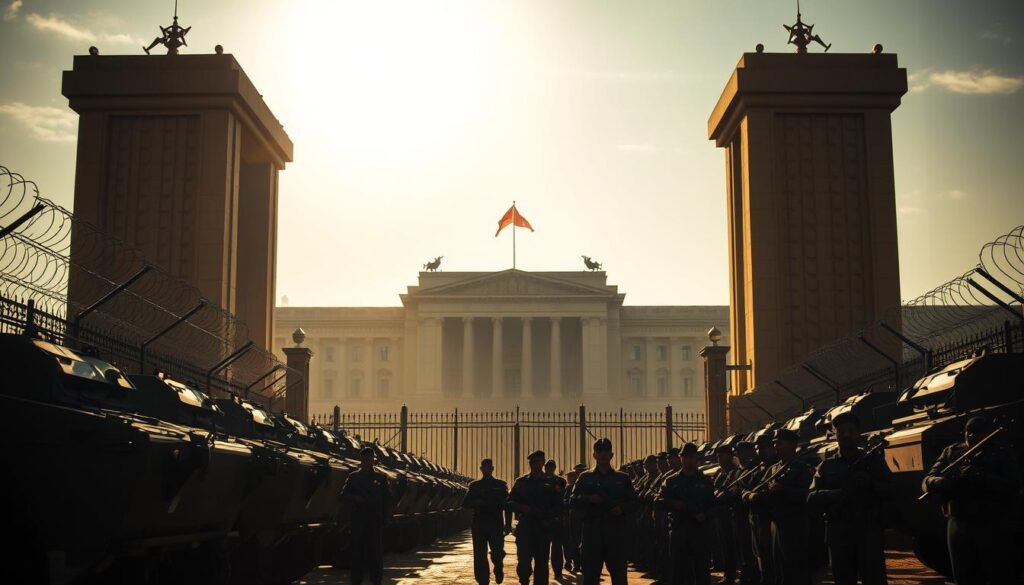
Throughout its modern history, Haiti has seen numerous presidents who were mere puppets in the hands of more powerful forces. This phenomenon has significantly impacted the country’s political and social development.
The Duvalier regime, which lasted from 1957 to 1986, is a prime example of a puppet presidency. François Duvalier, also known as Papa Doc, initially came to power with the support of the United States. However, he soon established a dictatorship, using violence and intimidation to maintain control. His son, Jean-Claude Duvalier, or Baby Doc, continued this regime until its collapse in 1986. The Duvalier era had a lasting impact on Haiti, entrenching a culture of authoritarianism and corruption.
Following the Duvalier era, Haiti struggled to establish democratic governance. Successive administrations were often constrained by external forces and internal power struggles. For instance, the administration of Jean-Bertrand Aristide was marked by controversy and external interference.
The pattern of control exerted over Haitian presidents continued beyond Aristide’s tenure. Subsequent presidents faced similar challenges, with powerful elites and foreign governments influencing their decisions. A comparative analysis of these administrations reveals a persistent theme of puppetry.
| President | Term | Influencing Forces |
|---|---|---|
| François Duvalier | 1957-1971 | United States, local elites |
| Jean-Claude Duvalier | 1971-1986 | Family dynasty, international backers |
| Jean-Bertrand Aristide | 1991-1996, 2001-2004 | External interventions, local political factions |
Haiti’s political power is heavily dictated by economic leverage from foreign entities. This influence permeates various aspects of the country’s governance, from policy decisions to the overall political stability.
Haiti has long been dependent on foreign aid, which often comes with political conditions that can sway the country’s governance. This dependency creates a power dynamic where donor countries or organizations can exert significant influence over Haiti’s political agenda.
Conditions attached to foreign aid can include policy reforms, governance structures, and even specific political appointments. This can lead to a situation where Haiti’s leaders are more accountable to foreign donors than to their own citizens.
The private sector, both domestic and international, also plays a crucial role in shaping Haiti’s policy decisions. Large investments and business interests can drive political decisions, sometimes at the expense of the general population’s welfare.
The banking sector is a critical component of Haiti’s economy, and its influence on political decisions is significant. Financial institutions can affect monetary policies, interest rates, and even government borrowing costs.
| Economic Factor | Influence on Governance | Impact on Political Stability |
|---|---|---|
| Foreign Aid | High dependency on donor conditions | Potential for political instability due to external influence |
| Private Sector Investments | Significant sway over policy decisions | Risk of prioritizing business interests over public welfare |
| Banking Sector | Influence on monetary policies and government borrowing | Potential for economic instability if not managed carefully |
International organizations play a crucial, albeit complex, role in Haiti’s political stability. Their involvement has been a double-edged sword, bringing both benefits and challenges to the country’s governance.
The United Nations has been involved in Haiti through peacekeeping missions, aiming to stabilize the country. However, the effectiveness and impact of these missions have been debated. While they have provided security, they have also been criticized for unintended consequences, such as introducing cholera and sparking controversy over their mandate.
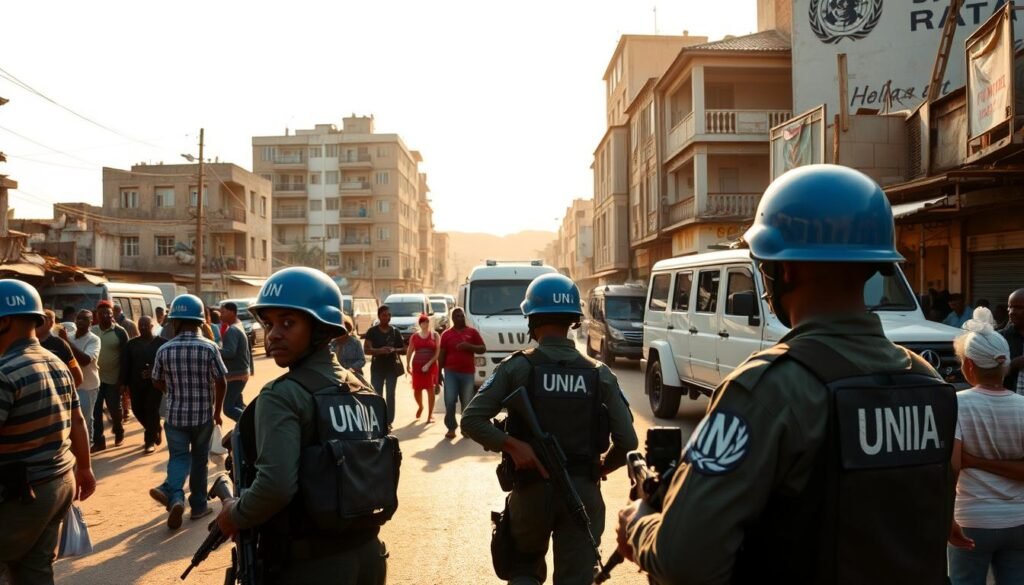
Nongovernmental organizations (NGOs) have a significant presence in Haiti, often filling gaps in service delivery left by the government. However, this has led to concerns about the erosion of state authority, as NGOs sometimes operate as a parallel government, implementing projects without sufficient coordination with or oversight by Haitian authorities.
The phenomenon of NGOs acting as a parallel government raises questions about accountability and the long-term sustainability of services. While NGOs provide essential services, their operations can undermine the state’s capacity and legitimacy, creating a dependency that hinders the development of robust, locally owned governance structures.
In conclusion, the role of international organizations in Haiti’s governance is multifaceted, with both positive and negative impacts. Understanding these dynamics is crucial for fostering more effective and sustainable governance in Haiti.
The media in Haiti not only reports news but also shapes the narrative, often reflecting the interests of its owners. This control over information dissemination plays a significant role in shaping public perception.
Haitian media outlets are often owned by influential individuals or families with significant economic and political interests. This concentration of ownership can lead to biased reporting, favoring the interests of the owners.
The construction of narratives in Haitian media can be manipulated to support certain political or economic agendas. This manipulation can significantly impact public opinion and perception.
Social media has emerged as a disruptive force in Haiti’s media landscape, providing alternative voices and challenging traditional narratives. However, it also presents challenges related to misinformation and disinformation.
As stated by a Haitian journalist, “The media can be a powerful tool for shaping public opinion, but it requires responsible ownership and reporting to serve the public interest.” This highlights the importance of media literacy and critical consumption of information.
| Media Type | Ownership Influence | Narrative Control |
|---|---|---|
| Traditional Media | High | Significant |
| Social Media | Variable | Moderate |
Haiti’s unique political landscape, characterized by puppet leadership, significantly impacts the nation’s socioeconomic fabric. The consequences of such leadership are far-reaching, affecting various aspects of Haitian life.
The socioeconomic consequences of puppet leadership in Haiti are profound. Foreign aid dependency and economic mismanagement have led to a lack of infrastructure development and high levels of poverty. The table below illustrates some key socioeconomic indicators.
| Indicator | Prevalence | Impact |
|---|---|---|
| Poverty Rate | High | Limited access to basic services |
| Unemployment | Elevated | Reduced economic opportunities |
| Infrastructure Development | Limited | Inadequate access to clean water, healthcare, and education |
As a result of the socioeconomic challenges, there has been a rise in political disillusionment among Haitians. This disillusionment has led to the emergence of civil society movements seeking change.
Grassroots movements are playing a crucial role in challenging the existing power structures. These movements are advocating for transparency, accountability, and good governance
The rise of civil society is a significant development in Haiti’s political landscape, offering hope for a more equitable and just society.
Haiti’s political landscape has long been characterized by a disconnect between visible leaders and true power holders. To achieve authentic leadership, it’s essential to understand the historical and contemporary factors that contribute to this dynamic.
The path to change requires a multifaceted approach, addressing the influence of economic elites, foreign intervention, and the role of international organizations. By promoting transparency and accountability, Haiti can move towards a more equitable distribution of power.
Civil society plays a crucial role in demanding authentic leadership and pushing for reforms that benefit the broader population. As Haiti continues to navigate its complex political environment, fostering a culture of transparency and accountability is key to achieving pathways to change and establishing authentic leadership.
Ultimately, the future of Haitian governance depends on the ability to balance the interests of various stakeholders while prioritizing the needs of the Haitian people. By doing so, Haiti can work towards a more stable and prosperous future, guided by leaders who truly represent the will of the nation.
A “Puppet Presidency” refers to a situation where the visible leader of Haiti, the President, does not actually hold the true power. Instead, they are controlled by other forces, such as the economic elite, foreign powers, or other influential groups.
Haiti’s history, from colonial rule to independence and subsequent foreign interventions, has created a complex power dynamic where external forces and internal elites have often exerted control over the country’s leadership, contributing to the Puppet Presidency.
The true power brokers in Haiti include the economic elite, family dynasties, and business monopolies, who exert significant influence over the country’s politics and governance.
Foreign aid dependency can lead to political conditions that favor the interests of donor countries or organizations over the needs and sovereignty of Haiti, further entrenching the Puppet Presidency.
International organizations, including the UN and NGOs, can have a significant impact on Haiti’s governance, sometimes supporting state authority and other times creating parallel structures that undermine it.
Media control, through ownership patterns and narrative construction, can significantly influence public perception in Haiti, often serving the interests of those who control the media rather than providing objective information.
The Puppet Presidency has significant socioeconomic consequences for Haiti, including perpetuating poverty, inequality, and political disillusionment, which in turn fuels the rise of civil society movements seeking change.
Yes, there are grassroots movements in Haiti that are challenging the status quo and seeking to create pathways to more authentic and representative leadership.