Physical Address
304 North Cardinal St.
Dorchester Center, MA 02124
Physical Address
304 North Cardinal St.
Dorchester Center, MA 02124


Explore the devastating impact of corruption on human rights in Haiti. Discover how "The Price of Justice: How Corruption Undermines Haitian Human Rights" sheds light on this critical issue.
Haiti’s struggle with corruption has severe implications for its citizens’ human rights. The pervasive corruption in Haiti’s institutions erodes trust in the justice system, leaving many without access to fair treatment.
The situation is dire, with corruption affecting every level of Haitian society. This not only hampers the country’s development but also directly impacts the daily lives of its people, undermining their basic rights.
Human rights in Haiti are under threat from various angles, including corruption and political unrest. The country’s complex landscape is marked by numerous challenges that impact the well-being and rights of its citizens.
Haiti faces significant human rights concerns, including arbitrary arrests, torture, and extrajudicial killings. The justice system is often ineffective, leading to a culture of impunity.
Vulnerable populations, such as women, children, and the internally displaced, are disproportionately affected by human rights abuses. These groups often lack access to basic services and are more susceptible to exploitation.
Recent humanitarian crises, including natural disasters and gang violence, have further strained Haiti’s human rights situation. These crises often result in displacement, loss of livelihoods, and increased vulnerability to human rights abuses.
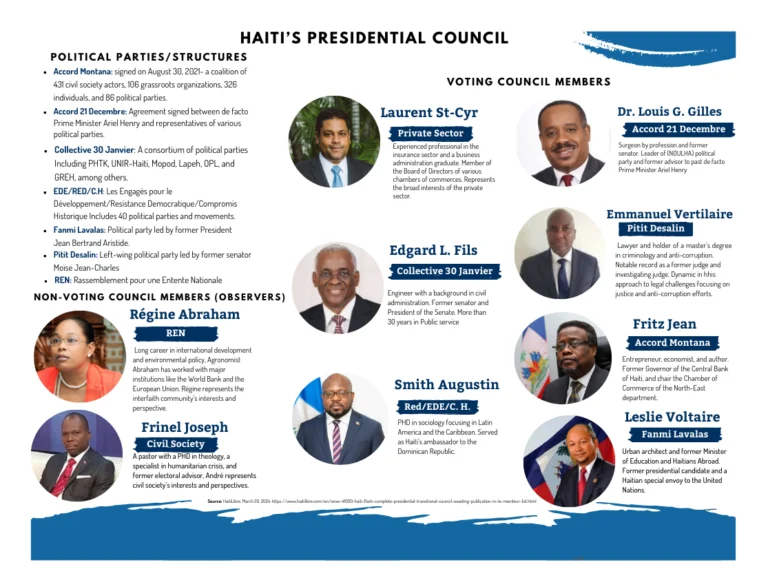
Political instability is a significant factor in Haiti’s human rights challenges. The lack of stable governance and the presence of corruption undermine efforts to protect and promote human rights, creating an environment where abuses can thrive.
The interplay between these factors creates a complex and challenging environment for human rights in Haiti. Addressing these issues will require a multifaceted approach that includes strengthening institutions, promoting accountability, and supporting vulnerable populations.
Understanding corruption in Haiti requires a nuanced look at its definition, historical context, and the cultural factors that contribute to it. Corruption is a complex and multifaceted issue that affects various aspects of Haitian society.
In the Haitian context, corruption encompasses a range of behaviors, from bribery and embezzlement to nepotism and cronyism. It is essential to recognize that corruption is not limited to the public sector; it also permeates the private sector and everyday life.
Haiti’s history has played a significant role in shaping the country’s corrupt practices. Historical events, such as foreign interventions and dictatorial regimes, have contributed to the normalization of corrupt behaviors.
The scale of corruption in Haiti is substantial, with various reports indicating its pervasive nature. Transparency International’s Corruption Perceptions Index consistently ranks Haiti among the most corrupt countries.
Cultural and societal factors, including patronage systems and a lack of accountability, contribute to the persistence of corruption. Understanding these factors is crucial for developing effective anti-corruption strategies.
Addressing corruption in Haiti requires a comprehensive approach that takes into account these complex factors.
The fabric of justice in Haiti is severely undermined by corruption, leading to significant human rights violations. Corruption permeates every level of the justice system, from law enforcement to the judiciary. This pervasive corruption directly impacts the human rights of Haitian citizens.
Corruption in Haiti’s justice system leads to human rights violations by allowing criminals to evade accountability through bribery and other means. This not only undermines the rule of law but also erodes trust in institutions meant to protect citizens. As a result, victims of human rights abuses often find themselves without recourse.
The economic impact of corruption on Haitian citizens is profound. Corruption diverts resources away from essential public services, exacerbating poverty and inequality. Citizens often have to pay bribes to access basic services, further impoverishing them.
Corruption erodes trust in Haiti’s institutions, including the justice system, law enforcement, and government. When citizens lose faith in these institutions, they are less likely to report crimes or seek justice, further entrenching a culture of impunity.
Corruption creates significant barriers to accessing justice in Haiti. The cost of bribes and the influence of powerful individuals can prevent ordinary citizens from receiving a fair trial. This perpetuates a cycle of injustice and human rights abuses.
| Impact of Corruption | Effect on Human Rights | Consequence for Citizens |
|---|---|---|
| Diverts resources from public services | Increased poverty and inequality | Reduced access to basic services like healthcare and education |
| Undermines the rule of law | Human rights violations go unpunished | Loss of trust in institutions and increased fear of crime |
| Creates barriers to justice | Inequality before the law | Ordinary citizens are denied fair trials |
In conclusion, corruption in Haiti has a devastating impact on human rights, undermining the justice system and eroding trust in institutions. Addressing corruption is crucial to improving human rights in Haiti.
Corruption is rampant within Haiti’s justice system, undermining trust and perpetuating human rights abuses. The justice system, which is supposed to uphold the law and protect citizens, is instead often used as a tool for personal gain and political leverage.
The Haitian National Police (HNP) is tasked with maintaining law and order, but it is often criticized for corruption and brutality. Police officers frequently demand bribes to perform their duties or to look the other way. This corruption not only undermines trust in the police but also emboldens criminals, creating a vicious cycle of lawlessness.
The judiciary in Haiti is also heavily influenced by corruption and political pressure. Judges are often swayed by bribes or political connections, leading to unfair trials and verdicts. This erodes the public’s trust in the judicial system and undermines the rule of law.
Haitian prisons are notorious for their poor conditions and corruption. Prisoners often face abuse and mistreatment, and many are held without trial for extended periods. Corruption within the prison system allows for the exploitation of prisoners, further exacerbating their suffering.
Many Haitians lack access to legal representation, making it difficult for them to navigate the justice system. This is particularly true for the poor and marginalized, who are often unable to afford legal fees. As a result, they are frequently denied justice.
| Aspect | Issue | Impact |
|---|---|---|
| Police Corruption | Bribery, Brutality | Undermines trust, emboldens criminals |
| Judicial System | Bribery, Political Influence | Unfair trials, erosion of trust |
| Prison System | Poor conditions, Abuse | Suffering of prisoners, exploitation |
| Legal Representation | Lack of access | Denied justice, particularly for the poor |
As highlighted by human rights activists, “The justice system in Haiti is in dire need of reform to address these systemic issues and ensure that justice is served fairly and impartially.”
The pervasive nature of political corruption in Haiti has a debilitating effect on the country’s human rights landscape. Political corruption not only undermines trust in government institutions but also directly impacts the realization of human rights for Haitian citizens.
Electoral fraud is a significant aspect of political corruption in Haiti, compromising the integrity of the electoral process. This not only disenfranchises voters but also erodes confidence in democratic institutions. The manipulation of election outcomes through fraud and other means prevents the genuine representation of the Haitian people’s will.
The misappropriation of public funds is another facet of political corruption that has severe human rights implications. When public funds are diverted for personal gain, it results in inadequate provision of essential services such as healthcare and education, directly affecting the most vulnerable populations.
Impunity for political elites involved in corrupt practices further exacerbates human rights issues. When those in power are not held accountable for their actions, it creates a culture of impunity that can lead to further abuses of power and human rights violations.
The suppression of opposition and free speech is a critical human rights concern linked to political corruption. Corrupt governments often silence critics and opposition voices to maintain their grip on power, thereby undermining democratic principles and human rights.
| Aspect of Corruption | Human Rights Impact |
|---|---|
| Electoral Fraud | Undermines democratic rights and trust in institutions |
| Misappropriation of Funds | Affects provision of essential services like healthcare and education |
| Impunity for Elites | Creates culture of impunity, leading to further human rights abuses |
| Suppression of Opposition | Undermines democratic principles and human rights |
In Haiti, corruption is not just a problem of governance; it’s a human issue that affects people’s basic rights and dignity. The impact of corruption on everyday Haitians is multifaceted, touching various aspects of their lives.
Personal stories from Haitians reveal the harsh realities of living with corruption. For instance, a woman in Port-au-Prince shared how she had to bribe a police officer to resolve a minor issue, highlighting the pervasive nature of corruption in daily interactions.
Another testimony came from a rural farmer who spoke about the difficulties in accessing government services due to corrupt practices. These stories underscore the human cost of corruption.
Corruption disproportionately affects vulnerable populations, including women and children. Women often face additional barriers in accessing justice and healthcare due to corrupt practices. Children, on the other hand, are deprived of essential services like education and healthcare when funds are misappropriated.
The experience of corruption varies significantly between rural and urban areas. In urban centers like Port-au-Prince, corruption is often more visible, with citizens frequently encountering bribery demands from officials. In contrast, rural areas suffer from a lack of access to basic services, exacerbated by corruption.
The Haitian diaspora provides a unique perspective on corruption, having experienced its effects firsthand before leaving. Many members of the diaspora are actively involved in efforts to combat corruption back in Haiti, through remittances, advocacy, and supporting local organizations.
By understanding the human face of corruption, we can better address its root causes and work towards a more just society for all Haitians.
The impact of corruption on human lives in Haiti is starkly illustrated through various case studies. Corruption permeates critical sectors, leading to devastating outcomes.
Corruption in Haiti’s healthcare system has lethal consequences. This is evident in two main areas:
The theft and distribution of counterfeit drugs are rampant, putting patients’ lives at risk. Counterfeit medications not only fail to treat conditions but can also cause additional health complications.
Bribery is a common practice for accessing basic healthcare services. Patients often have to pay bribes to receive treatment, which exacerbates the vulnerability of those who cannot afford it.
The collapse of buildings due to corrupt practices in construction is a grim reality. This is often a result of:
Bribes allow builders to violate building codes, leading to structurally unsound buildings that can collapse, causing loss of life.
Corruption also affects food security, leading to scarcity and famine. Corrupt officials divert food aid for personal gain, leaving vulnerable populations without necessary sustenance.
| Sector | Corrupt Practice | Consequence |
|---|---|---|
| Healthcare | Medication theft | Patient harm |
| Housing | Building code violations | Building collapses |
| Food | Aid diversion | Famine |
These case studies underscore the urgent need to address corruption in Haiti to protect human lives.
International aid, while crucial for Haiti’s development, has inadvertently fueled corruption, creating a significant obstacle to progress. The influx of foreign assistance has brought about both positive and negative consequences, making it essential to strike a balance between providing aid and ensuring accountability.
Foreign assistance has been vital in supporting Haiti’s humanitarian and development needs. However, it has also created opportunities for corruption, particularly when aid is not managed transparently or effectively. The lack of robust mechanisms for tracking and monitoring aid distribution has led to instances where assistance has been diverted for personal gain rather than reaching those in need.

One of the significant challenges in Haiti is ensuring accountability in the use of international aid. The complexity of aid delivery mechanisms, involving multiple stakeholders and channels, complicates efforts to maintain transparency. Moreover, weak institutional capacities and inadequate legal frameworks further exacerbate the problem, making it difficult to hold individuals or entities accountable for misusing aid.
Despite the challenges, there have been success stories where international aid has been effectively utilized, leading to tangible improvements in the lives of Haitians. For instance, projects that have involved local communities in the planning and implementation stages have shown better outcomes and lower risks of corruption. These success stories highlight the importance of community engagement and participatory approaches in ensuring that aid reaches its intended beneficiaries.
Donor countries also have a critical role to play in mitigating the risks of corruption associated with international aid. By implementing robust monitoring and evaluation mechanisms, donor countries can help ensure that their assistance is used effectively. Furthermore, supporting capacity-building initiatives in Haiti can strengthen the country’s institutions and enhance its ability to manage aid transparently.
In the face of rampant corruption, Haitian human rights defenders are taking a stand. Despite the challenges they face, local organizations are working tirelessly to combat corruption and protect human rights.
Organizations such as the Haitian Platform for Human Rights (PFRH) are at the forefront of this battle. They work to document human rights abuses, support victims, and advocate for policy changes. These organizations often operate with limited resources and under difficult conditions.
Human rights defenders in Haiti face significant risks, including threats, intimidation, and even violence. Many have been forced into exile or hiding due to their activism. The dangers are real, and the impact on their personal and professional lives is profound.
To effectively combat corruption, local organizations are building coalitions with international partners. This collaboration enhances their capacity to advocate for change and hold authorities accountable.
Technology and social media have become crucial tools in the fight against corruption. Activists use these platforms to raise awareness, mobilize support, and document abuses. The digital landscape offers new opportunities for advocacy and engagement.
The fight for human rights in Haiti is far from over, but a brighter future is possible. Addressing corruption is crucial to protecting and promoting the rights of Haitian citizens. By understanding the complex relationship between corruption and human rights violations, we can work towards creating a more just society.
The future of human rights in Haiti depends on collective action from various stakeholders, including government officials, civil society organizations, and the international community. Together, they can help build a society where citizens can access justice, enjoy economic opportunities, and live without fear of violence or intimidation.
Efforts to combat corruption and promote transparency are underway, and these initiatives are vital to improving Haiti’s human rights. As the country moves forward, it is essential to continue supporting local organizations and human rights defenders who are working tirelessly to promote positive change. The future of human rights in Haiti is uncertain, but with sustained commitment and cooperation, a more equitable and just society can be achieved.
Corruption is the main issue affecting human rights in Haiti, as it undermines the justice system, erodes trust in institutions, and creates barriers to accessing justice.
Corruption in the Haitian justice system manifests in various forms, including police corruption and brutality, judicial bribery, and abuses within the prison system, ultimately perpetuating corruption and undermining human rights.
Corruption has a disproportionate impact on vulnerable populations, including women and children, and affects rural and urban communities differently, making it a pervasive issue that affects daily life.
International aid can be a double-edged sword, as it can help address humanitarian crises but also risks being misappropriated due to corruption, highlighting the need for accountability and responsible donor practices.
Local organizations and human rights defenders are actively combating corruption, often utilizing technology and social media as tools, and forming coalitions for change, despite facing significant dangers and challenges.
Human rights defenders play a crucial role in Haiti, working to expose corruption, promote accountability, and protect human rights, often at great personal risk.
Addressing corruption in Haiti’s healthcare system requires efforts to prevent medication theft and counterfeit drugs, as well as bribery for basic services, to ensure that citizens have access to quality healthcare.
Political corruption has significant implications for human rights in Haiti, including electoral fraud, misappropriation of public funds, impunity for political elites, and suppression of opposition and free speech.