Physical Address
304 North Cardinal St.
Dorchester Center, MA 02124
Physical Address
304 North Cardinal St.
Dorchester Center, MA 02124
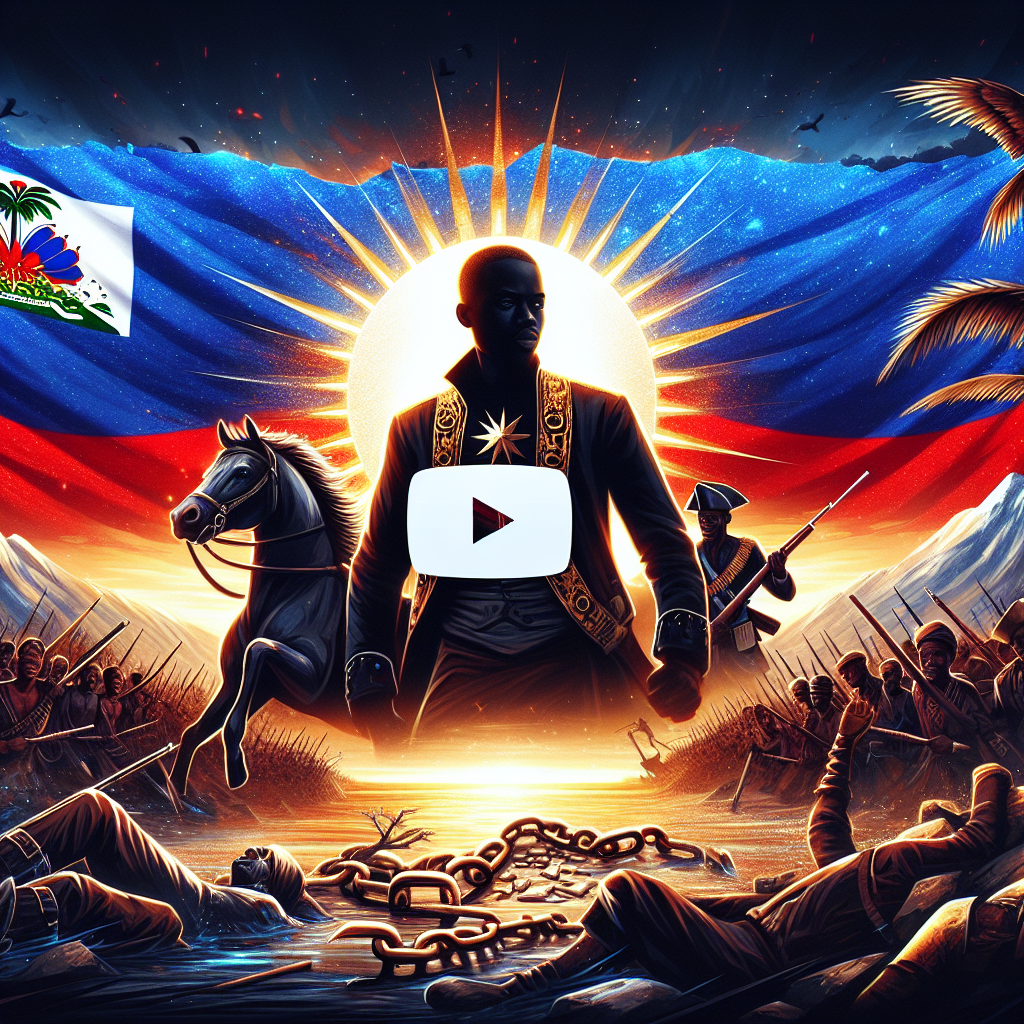

Discover the unifying power of the Haitian flag and why it must become a top priority for all Haitians.
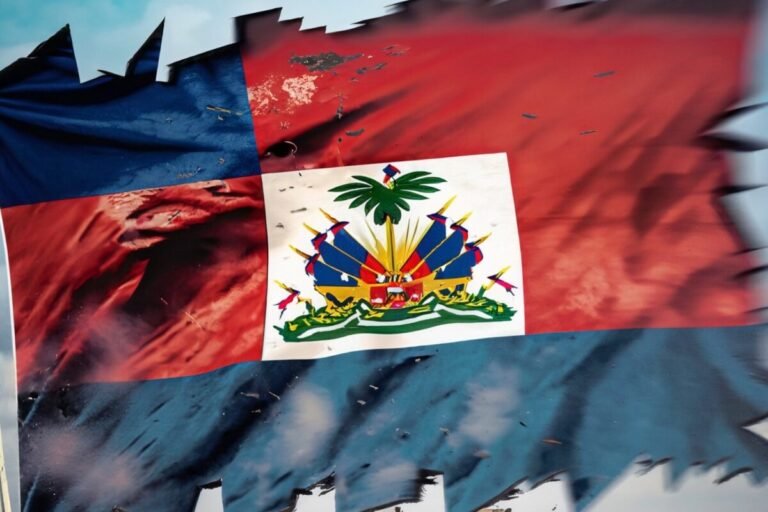
The Haitian flag is more than just a national symbol; it represents the unity, resilience, and rich history of Haiti. For Haitians around the world, it embodies a shared identity and a sense of belonging to a nation that fought for its freedom.
The significance of the Haitian flag lies in its representation of national identity and the struggles that have shaped Haiti. It is a reminder of the patriotic duty that every Haitian has to contribute to the nation’s progress.
Understanding the importance of the Haitian flag is crucial for appreciating its role in Haitian culture and history.
The Haitian flag is more than just a national emblem; it is a symbol of the country’s struggle for independence and freedom.
The Haitian flag was born out of the country’s revolutionary spirit in the early 19th century. It was during the Arcahaie Conference of 1803 that the foundation for the national flag was laid. Catherine Flon, a prominent figure in Haitian history, played a crucial role in sewing the first flag.
Catherine Flon is credited with creating the first Haitian flag by taking the French tricolour and removing the white stripe, symbolizing the rejection of French colonial rule. This act was not only symbolic but also marked the beginning of Haiti’s journey as an independent nation.
The Arcahaie Conference was a pivotal event where Haitian leaders gathered to discuss and solidify their plans for independence. It was during this conference that the decision to create a distinct national flag was made, signifying Haiti’s break from France.Colours of Pride: The Meaning Behind the Red and Blue
The Haitian colours hold significant meaning. The blue represents the country’s African heritage and the sky, while the red symbolizes the blood and sacrifices made during the fight for independence.
The transformation from the French tricolour to the Haitian flag was a deliberate act to forge a new national identity. By removing the white stripe, the Haitians symbolically rejected French dominance and embraced their unique heritage.
The Haitian coat of arms, featured on the flag, includes a palm tree and a liberty cap, among other symbols. These elements represent the country’s commitment to freedom, peace, and its rich cultural heritage.
| Symbol | Meaning |
|---|---|
| Blue | African heritage and the sky |
| Red | Blood and sacrifices made during the fight for independence |
| Palm Tree | Peace and national pride |
| Liberty Cap | Freedom and liberation |
Haiti’s history is a testament to the power of resilience and determination. The island nation’s journey to becoming the world’s first black republic is a story of courage and perseverance.
In 1804, Haiti achieved a historic milestone by gaining independence from France, marking a significant turning point in world history.
The Haitian Revolution, led by figures such as Toussaint Louverture, was a successful slave revolt that paved the way for Haiti’s independence. This revolution was pivotal in challenging the status quo and inspiring other freedom movements.
Haiti’s independence had far-reaching consequences, influencing the abolition of slavery and shaping the course of modern history. It served as a beacon of hope for enslaved people worldwide.
Haiti’s cultural and intellectual contributions have been profound, with significant impacts on literature, arts, and global freedom movements.
Haitian literature and arts are characterized by their vibrant expression of the Haitian experience. Writers like Jacques Roumain and artists like Hector Hyppolite have made lasting contributions.
Haiti’s revolutionary spirit has inspired movements for freedom and equality across the globe. The nation’s commitment to liberty has resonated with people fighting against oppression.
The challenges facing contemporary Haiti are complex and multifaceted, requiring a nuanced understanding. Haiti’s history has laid the groundwork for its current state, but it’s the modern-day issues that demand immediate attention.
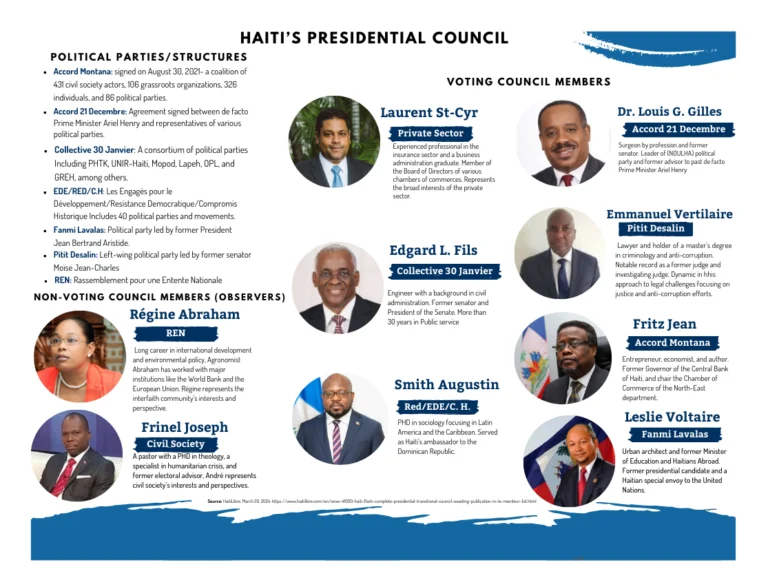
Haitian politics is characterized by instability, with governance issues at the forefront. The cycle of political unrest has deep-rooted causes, including historical legacies and contemporary factors.
The root causes of Haiti’s political instability are varied, including corruption, lack of institutional capacity, and external influences. These factors intertwine, creating a complex web of challenges.
Haiti’s constitutional framework is crucial to understanding its democratic aspirations. Despite efforts to establish a democratic government, constitutional challenges persist, hindering the country’s progress towards stable governance.
Economic challenges and social inequalities are stark in Haiti. The country’s economic landscape is marked by significant disparities, with a small elite controlling a large portion of the wealth.
Haiti is prone to natural disasters, which have a devastating long-term impact on its economy and infrastructure. The aftermath of such disasters exacerbates existing social and economic issues.
The education and healthcare systems in Haiti are underdeveloped, contributing to the country’s social inequalities. Improving these systems is crucial for reducing disparities and fostering development.
Understanding these challenges is the first step towards addressing them. By examining the political, economic, and social issues facing Haiti, we can begin to devise effective solutions to these complex problems.
United under one flag, Haitians worldwide can harness their collective strength to drive national progress. The Haitian flag is not just a national symbol; it represents the unity and shared destiny of the Haitian people.
The concept of national identity plays a crucial role in uniting Haitians across different backgrounds and geographical locations. It serves as a common ground where individual differences are set aside for the collective good.
By focusing on their shared national identity, Haitians can transcend political divisions and work towards common goals. This unity is essential for addressing the challenges that Haiti faces.
The flag symbolizes the shared destiny of Haitians, reminding them that their individual successes contribute to the nation’s overall progress. It is a powerful symbol that inspires collective action.
For Haitians to achieve true success, there needs to be a shift from focusing solely on individual achievements to contributing to the collective progress of Haiti. This involves redefining what success means on a national scale.
Brain drain and disengagement from national issues can have severe consequences on Haiti’s development. It is crucial for Haitians, especially those in positions of influence or with the means to contribute, to engage actively with the nation’s challenges.
Success should not be measured solely by individual achievements but by the positive impact one has on Haiti. By reframing success in terms of national contribution, Haitians can work together towards a more prosperous future.
Haitians living abroad are not just expatriates; they are vital contributors to their homeland’s development. The Haitian diaspora has become an indispensable part of Haiti’s economic, cultural, and political landscape.
The Haitian diaspora makes significant economic contributions to their homeland. These contributions come in various forms, including remittances and investments.
Remittances from Haitians abroad serve as a lifeline for many families in Haiti. According to the World Bank, remittances account for a substantial portion of Haiti’s GDP, providing financial support and stability. Moreover, these funds have the potential to be channelled into investments, fostering economic growth and development.
Members of the Haitian diaspora bring professional expertise and skills acquired abroad back to their homeland. This knowledge transfer is crucial for capacity building and can significantly impact various sectors, including healthcare, education, and technology. By sharing their experiences and skills, diaspora professionals help bridge the gap between international standards and local practices.
Beyond economic contributions, the Haitian diaspora plays a vital role in promoting Haitian culture and advocating for Haiti’s interests internationally.
Haitian communities abroad work tirelessly to maintain their cultural identity. Through cultural events, festivals, and educational programs, they keep Haitian traditions alive and introduce them to new audiences. This cultural diplomacy helps foster a positive image of Haiti globally.
The diaspora also acts as a political advocate for Haiti, lobbying for the country’s interests on the international stage. By engaging with governments and international organizations, they raise awareness about Haiti’s challenges and needs, pushing for policies that support Haiti’s development.
In conclusion, the Haitian diaspora is a powerful force for positive change in Haiti. Their economic contributions, knowledge transfer, cultural diplomacy, and political advocacy efforts are crucial for the country’s development and global representation.
For Haitians around the world, contributing to Haiti’s development is not just a moral obligation but a tangible opportunity. Engaging with Haiti can take various forms, from direct investment to cultural initiatives, and it’s essential for Haitians globally to explore these pathways.
One of the most impactful ways Haitians can contribute is through direct investment and business development. By investing in Haiti, individuals can help stimulate economic growth, create jobs, and improve living standards.
Creating sustainable enterprises in Haiti involves identifying opportunities in sectors such as agriculture, tourism, and renewable energy. Investors can capitalize on Haiti’s natural resources and growing market demand. For instance, investing in agricultural technology can enhance productivity and sustainability.
Supporting Haitian-owned businesses is another crucial aspect of business development. By backing local entrepreneurs, Haitians worldwide can help foster a thriving economy. This support can come in the form of financial investment, mentorship, or market access.

Educational and cultural initiatives are vital for Haiti’s development, as they help preserve the country’s heritage and enhance its human capital. Haitians globally can contribute to these areas through various programs.
Mentorship and knowledge exchange programs can significantly impact Haiti’s educational landscape. By sharing their expertise, Haitians abroad can help develop skills in areas such as technology, healthcare, and education.
Preserving and promoting Haitian culture is essential for maintaining national identity. Initiatives such as cultural festivals, art exhibitions, and historical preservation projects can help showcase Haiti’s rich heritage to the world.
| Initiative | Description | Impact |
|---|---|---|
| Direct Investment | Investing in Haitian businesses and infrastructure | Economic growth, job creation |
| Educational Programs | Mentorship and knowledge exchange initiatives | Enhanced skills, improved education |
| Cultural Preservation | Promoting Haitian culture through festivals and exhibitions | Preserved national identity, cultural exchange |
Haitians are not just rebuilding their country; they are redefining it through their entrepreneurial spirit and community leadership. Across the nation, individuals and organizations are driving positive change, addressing challenges, and improving lives.
The landscape of Haitian innovation is vibrant, with Haitian innovators and entrepreneurs leading the charge. They are developing solutions that are not only locally relevant but also globally competitive.
Technological advancements and agricultural innovations are transforming Haiti’s economy. For instance, mobile technology is being used to improve access to financial services, while sustainable agricultural practices are enhancing food security. These innovations are crucial for Haiti’s development.
Social enterprises are playing a pivotal role in addressing social issues, from education to healthcare. These organizations are using business models to drive social change, creating a more equitable society.
At the heart of Haiti’s progress are community leaders and grassroots movements. These individuals and groups are working tirelessly to address local challenges, often with limited resources but with great determination.
Community leaders are developing solutions that are tailored to the specific needs of their communities. Whether it’s improving access to clean water or promoting education, these efforts are making a tangible difference.
The youth of Haiti are not just the future; they are the present. Youth-led initiatives are driving change, from environmental conservation to social justice, ensuring that Haiti’s development is inclusive and sustainable.
International partnerships play a vital role in Haiti’s journey towards sustainable development. These collaborations bring together resources, expertise, and knowledge from around the world to address Haiti’s complex challenges.
Foreign assistance has been a significant factor in Haiti’s development, but its effectiveness varies. Sustainable development partnerships have shown promise by focusing on long-term solutions rather than short-term fixes.
Sustainable development partnerships involve collaborative efforts between Haiti and its international partners to create self-sustaining projects. For instance, initiatives in renewable energy and agriculture have shown potential for long-term impact.
The Haitian diaspora plays a crucial role in international cooperation. Their involvement in development projects brings unique insights and resources. Diaspora-led initiatives have been instrumental in driving community development and advocating for Haitian interests abroad.
Haiti’s geographical location in the Caribbean makes it a strategic player in regional affairs. Its position offers opportunities for regional integration and cooperation with neighbouring countries.
Haiti can leverage its membership in regional organizations to enhance economic and political ties with other Caribbean nations. This integration can lead to increased trade and cultural exchange.
Haiti’s rich cultural heritage and diverse geography are significant assets. The country’s history, art, and natural beauty attract tourism and investment, contributing to its economic development.
| Partnership Type | Description | Impact |
|---|---|---|
| Sustainable Development | Long-term projects in energy and agriculture | Self-sustaining communities |
| Diaspora-Led | Community development and advocacy | Empowered local communities |
| Regional Integration | Economic and political cooperation | Increased trade and cultural exchange |

The Haitian flag is more than a national symbol; it represents the collective aspirations and resilience of the Haitian people. As we reflect on Haiti’s journey, from its revolutionary birth to its current challenges and opportunities, it becomes clear that national unity is crucial for achieving collective progress.
Haiti’s future depends on the active engagement of all its citizens, both at home and in the diaspora. By working together towards a common goal, Haitians can overcome the country’s historical and modern challenges. The flag serves as a reminder of the nation’s shared identity and the power of unity in driving progress.
As Haitians continue to contribute to their country’s development through various initiatives, from economic investments to cultural and educational programs, the spirit of national unity will propel Haiti towards a brighter future. It is through this collective effort that Haiti will realize its full potential and emerge as a thriving nation in the Caribbean.
The Haitian flag is a symbol of national identity and unity, representing the country’s history, culture, and struggle for independence.
Catherine Flon is credited with sewing the first Haitian flag in 1803, using the colours red and blue, which were derived from the French colours.
The red and blue colours of the flag symbolize the blood and struggles of the Haitian people, as well as their unity and solidarity.
The Haitian diaspora has made significant economic contributions through remittances, invested in businesses, and transferred knowledge and skills to support Haiti’s growth and development.
Haitians can engage in direct investment, business development, educational initiatives, and cultural preservation efforts to support Haiti’s progress and prosperity.
International partnerships can provide effective models of foreign assistance, support sustainable development, and foster regional integration, ultimately contributing to Haiti’s growth and stability.
National identity serves as a unifying force, helping Haitians to find common ground, prioritize their country’s needs, and work together towards collective progress.
Haitians have launched innovative social enterprises, agricultural projects, and educational programs, demonstrating the potential for positive change and community-led development.