Physical Address
304 North Cardinal St.
Dorchester Center, MA 02124
Physical Address
304 North Cardinal St.
Dorchester Center, MA 02124


Delve into the fall of Haiti, the first Black republic, and learn how its remarkable legacy has been undermined for the past four decades.
In the early 19th century, Haiti made history as the world’s first independent Black nation, born out of the Haitian Revolution. This monumental event not only shaped Haiti’s identity but also influenced the course of global history. However, over the past four decades, Haiti’s noble legacy has been gradually undermined.
The Haitian Revolution’s impact on the nation’s independence and legacy cannot be overstated. Despite its significant contributions to the fight for freedom, Haiti’s current state reflects a decline from its once-promising start. Understanding the factors that have contributed to this decline is crucial to grasping the complexities of Haiti’s current situation.
Haiti’s revolutionary birth was a testament to the power of resistance and the unyielding desire for freedom among enslaved people in the Caribbean. The Haitian Revolution, which took place from 1791 to 1804, was a complex and multifaceted process that transformed a slave uprising into a full-fledged revolutionary war.
The Haitian Revolution began as a slave uprising in August 1791, sparked by the Vodou ceremony at Bois Caïman, where enslaved Africans gathered to coordinate their resistance. This initial uprising quickly gained momentum, with key figures emerging to lead the fight against French colonial forces.
As the revolution gained strength, it attracted the attention of Napoleon Bonaparte, who sought to reassert French control over the island. Despite being outnumbered and outgunned, the Haitian revolutionaries, led by figures such as Jean Jacques Dessalines, successfully defeated Napoleon’s forces through a combination of guerrilla warfare and strategic alliances.
Toussaint Louverture, a former slave who rose to prominence during the revolution, played a crucial role in shaping the new nation. His leadership and military prowess were instrumental in defeating the French, while his vision for a unified and independent Haiti inspired the masses.
On January 1, 1804, Jean-Jacques Dessalines, who succeeded Toussaint Louverture after his capture by the French, declared Haiti’s independence, marking a significant turning point in modern history. As Laurent Dubois notes, “The Haitian Revolution was a defining moment in the struggle for freedom and equality”. This declaration not only established Haiti as the world’s first black republic but also sent a powerful message to the world about the power of resistance and the human desire for freedom.
Haiti’s independence was a pivotal moment in world history. The successful revolution against French colonial rule not only led to the establishment of the first independent black nation but also had profound implications for the institution of slavery and colonialism worldwide.
The Haitian Revolution, culminating in independence in 1804, dealt a significant blow to the institution of slavery. It inspired other slave revolts and contributed to the eventual abolition of slavery in many parts of the world. The revolution challenged the legitimacy of colonialism, paving the way for other independence movements.
In its early years, Haiti demonstrated considerable promise and aspirations for its future. The new nation sought to establish a robust constitutional foundation and undertake significant nation-building efforts.
Haiti adopted its first constitution in 1805, establishing it as a sovereign state. This foundational document enshrined principles of liberty and equality.
Initial efforts focused on building infrastructure, including roads and public buildings. The young nation also sought to promote education and economic development.
| Year | Event | Significance |
|---|---|---|
| 1804 | Haitian Independence | First independent black nation |
| 1805 | Adoption of the First Constitution | Established sovereign state |
Haiti’s path to independence was soon overshadowed by the challenges of international isolation and the financial strain of paying reparations to France. This dual burden significantly hindered the young nation’s ability to establish a stable economy and engage with the global community.
In 1825, France demanded that Haiti pay an indemnity of 150 million gold francs in exchange for recognizing its independence. This indemnity was a crushing blow to Haiti’s fragile economy.
The indemnity imposed a significant financial burden on Haiti, diverting resources away from development and towards debt repayment. This burden lasted for decades, stifling economic growth.
The long-term economic impact of the indemnity was profound, contributing to Haiti’s status as one of the poorest countries in the Western Hemisphere. The debt was finally paid off in 1947, but the legacy of this financial strain continued to affect Haiti’s economic prospects.
Haiti’s diplomatic isolation further exacerbated its economic woes. The lack of international recognition and cooperation limited Haiti’s access to foreign investment and trade opportunities, perpetuating a cycle of poverty and underdevelopment.
With François “Papa Doc” Duvalier at the helm, Haiti entered a dark period characterized by state terror and the cult of personality. The Dualvier era, which began in 1957, was marked by authoritarian rule and the rise of the Tonton Macoute, a paramilitary force notorious for its brutality.
François Duvalier’s presidency was characterized by a cult of personality, where he portrayed himself as a divine figure. He used the Tonton Macoute to suppress opposition and maintain control through state terror.
The Tonton Macoute, named after a mythical bogeyman, was instrumental in enforcing Duvalier’s rule through violence and intimidation. Their actions created a climate of fear, silencing any potential opposition.
Duvalier fostered a cult of personality, promoting himself as a national hero and a figure of spiritual significance. This cult, combined with political repression, ensured his grip on power remained unchallenged.
After François Duvalier died in 1971, his son Jean-Claude “Baby Doc” Duvalier took over, continuing the regime’s authoritarian practices. However, Baby Doc’s rule was marked by increased corruption and economic mismanagement.
Jean-Claude Duvalier’s presidency was marred by corruption, with the regime siphoning off state funds for personal gain. This mismanagement led to economic stagnation and further decline.
The Duvalier era laid the groundwork for Haiti’s modern decline, characterized by political instability, economic mismanagement, and a legacy of state terror. The consequences of their rule continue to affect Haiti today.
Haiti’s illustrious past has been overshadowed by decades of turmoil. The fall of the Duvalier regime in 1986 marked the beginning of a period of political instability that has continued to plague the nation.
The ousting of Jean-Claude “Baby Doc” Duvalier led to a power vacuum that was filled by a succession of short-lived governments. This period was characterized by:
The military juntas that ruled Haiti after Duvalier’s departure were marked by corruption and human rights abuses. These regimes failed to establish stable governance, leading to further instability.
Jean-Bertrand Aristide’s presidency in the early 1990s brought a brief respite from the chaos. However, his tumultuous and corrupt tenure was cut short by coups and exile, dashing hopes for a return to stability.
Haiti’s ongoing crisis is rooted in a cycle of coups and failed democracies.
Foreign interference has often exacerbated the situation, while institutional breakdown and corruption have become endemic.
External actors have sometimes played a significant role in shaping Haiti’s political landscape, often with mixed results. Their interventions have occasionally propped up unstable governments or fueled further conflict.
The Haitian state has suffered from widespread corruption and institutional decay. This has undermined trust in government and hindered efforts to build a stable democracy.
The consequences of these developments have been far-reaching, contributing to Haiti’s ongoing crisis. Understanding the complex interplay of factors that have led to the country’s current state is crucial for devising effective solutions.
Haiti has struggled with economic challenges for decades, with its dependency on foreign aid being a significant factor in its economic deterioration. This dependency has led to a vicious cycle of foreign reliance, hindering the country’s ability to achieve economic self-sufficiency.
The implementation of structural adjustment programs (SAPs) by international financial institutions such as the IMF and World Bank has had a profound impact on Haiti’s economy. These programs were designed to promote economic stability, but often resulted in unintended consequences.
The policies imposed by the IMF and World Bank led to the liberalization of trade, which negatively affected Haiti’s agricultural sector. The influx of cheap imported goods, particularly rice, devastated local farmers, contributing to agricultural decline.
As a result of the agricultural decline, Haiti became increasingly dependent on imported food, leading to food dependency. This not only affected the local economy but also made the country vulnerable to fluctuations in global food prices.
| Economic Indicator | Pre-SAP | Post-SAP |
|---|---|---|
| Agricultural Production | 100% | 60% |
| Food Imports | 20% | 50% |
| External Debt | $100M | $500M |
Haiti’s economic challenges were further exacerbated by its debt crisis. The burden of external debt has continued to grow, diverting resources away from essential public services and towards debt servicing.
The increasing external debt has limited Haiti’s ability to invest in critical infrastructure and social services, perpetuating a cycle of economic stagnation.
The economic instability has also led to a significant brain drain, as many of Haiti’s educated professionals seek opportunities abroad. While remittances from the diaspora community provide some economic relief, they also underscore the country’s dependency on external sources.
Natural disasters have repeatedly tested Haiti’s resilience, revealing deep-seated issues in disaster preparedness and recovery. The country’s vulnerability to such events has been starkly illustrated by two major disasters: the 2010 earthquake and Hurricane Matthew.
The 2010 earthquake was one of the most devastating natural disasters to hit Haiti, causing widespread destruction and a significant loss of life.
The earthquake resulted in an estimated death toll of over 220,000 people, with many more injured or displaced. The immediate impact was catastrophic, overwhelming the country’s already fragile infrastructure.
Despite the international outpouring of aid, reconstruction efforts were slow and often ineffective, with significant amounts of aid failing to reach those most in need. Corruption and bureaucratic inefficiencies hindered the distribution of relief funds.
Hurricane Matthew, which struck Haiti in 2016, further exposed the country’s vulnerability to natural disasters and highlighted the need for enhanced disaster preparedness.
Haiti’s environmental degradation has increased its susceptibility to natural disasters. Deforestation and soil erosion have made the country more vulnerable to the impacts of hurricanes and other storms.
The country’s inadequate infrastructure, including its drainage systems and early warning systems, exacerbated the impact of Hurricane Matthew. Investing in disaster preparedness and infrastructure is crucial to mitigating the effects of future disasters.
In conclusion, Haiti’s experience with natural disasters underscores the need for effective disaster preparedness and recovery efforts. Addressing the root causes of vulnerability, including environmental degradation and inadequate infrastructure, is crucial to building resilience.
The international community’s involvement in Haiti has been a double-edged sword, bringing both aid and adversity. The country’s history with international intervention is marked by efforts to stabilize the nation, but these efforts have often been met with controversy.
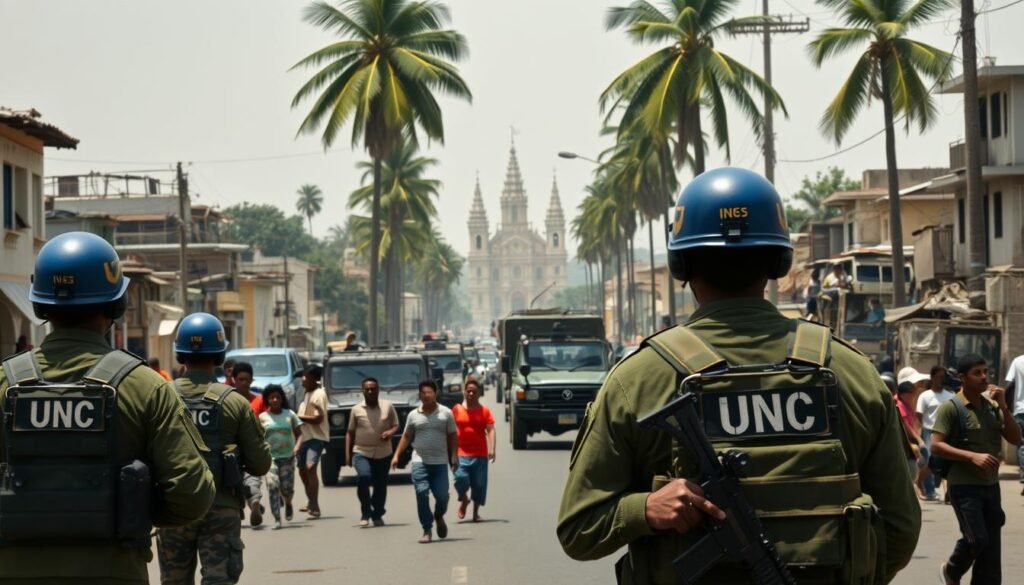
The United Nations has played a significant role in Haiti through peacekeeping missions, most notably the MINUSTAH. While these missions have aimed to improve security, they have also raised concerns regarding sovereignty and human rights abuses.
The presence of UN peacekeepers has contributed to improved security in some areas, but it has also led to concerns about Haiti’s sovereignty. The balance between security and self-governance remains a contentious issue.
Unfortunately, UN peacekeeping missions have been associated with human rights abuses, fostering resentment among the local population. These incidents have strained relations between Haitians and the international community.
One of the most significant challenges associated with international intervention in Haiti was the cholera outbreak introduced by UN peacekeepers. The epidemic highlighted issues of UN accountability and the need for adequate reparations.
The cholera outbreak was traced back to UN peacekeepers from Nepal, who were stationed near a water source used by local communities. The disease spread rapidly, catching the public health infrastructure off guard.
The UN was criticized for its slow response to the outbreak and for initially denying responsibility. Eventually, the UN acknowledged its role and established a trust fund for victims, but concerns about the adequacy of these measures remain.
| Aspect | Positive Impact | Negative Impact |
|---|---|---|
| Security | Improved stability in some areas | Sovereignty concerns, human rights abuses |
| Health | Aid and medical assistance | Introduction of cholera, inadequate response |
| Economic | Foreign investment, aid | Dependency on foreign aid, economic stagnation |
In Haiti, the NGO sector has grown substantially, leading to discussions about its impact on the country’s sovereignty and development. The presence of numerous NGOs has created a complex landscape where foreign aid intersects with local governance.
The number of NGOs in Haiti has increased significantly over the years, with many operating in various sectors such as healthcare, education, and infrastructure. This proliferation has resulted in the creation of parallel systems of governance.
NGOs often operate independently, establishing their own administrative structures. This can lead to a duplication of efforts and a lack of coordination with government agencies.
The lack of effective coordination among NGOs and between NGOs and the government can result in accountability gaps. This makes it challenging to track the use of funds and the impact of projects.
While foreign aid is intended to support Haiti’s development, it has had several unintended consequences. These include the creation of a dependency culture and the undermining of local capacity.
The reliance on foreign aid can discourage local initiative and undermine the development of local capacities. This dependency can hinder sustainable development.
Foreign aid can also lead to market distortions, affecting local economies. The influx of foreign goods and services can undermine local businesses, creating long-term economic challenges.
| Aspect | Positive Impact | Negative Impact |
|---|---|---|
| Governance | Improved service delivery | Parallel systems, coordination issues |
| Economic Impact | Increased funding for projects | Market distortions, dependency culture |
Haiti’s contemporary crisis is a complex interplay of gang violence, political instability, and foreign intervention. The situation has been exacerbated by the assassination of President Jovenel Moïse in July 2021, which has left a power vacuum and heightened instability.
President Jovenel Moïse’s assassination marked a critical turning point in Haiti’s history, plunging the country into a deeper political crisis. The event has had far-reaching consequences, including a surge in gang violence and a heightened sense of insecurity.
The aftermath of Moïse’s assassination has seen intense power struggles among various political factions. These struggles have further destabilized the country, creating an environment conducive to gang violence and lawlessness.
In response to the crisis, the international community has proposed various intervention plans, including the deployment of foreign troops to stabilize the security situation. However, the effectiveness and implications of such interventions remain a subject of debate.
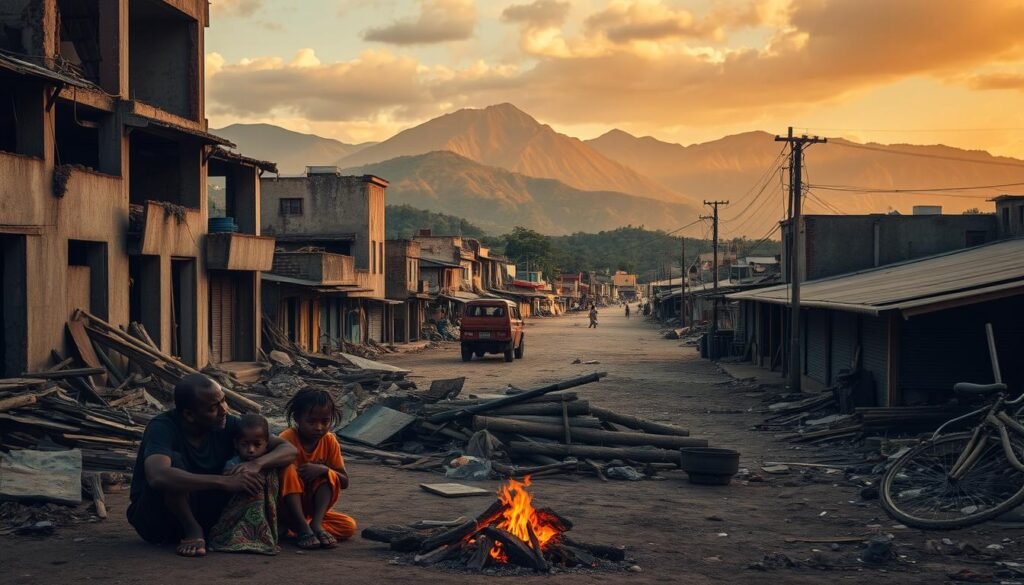
Gang violence has become a pervasive issue in Haiti, with many gangs exerting significant control over various territories. This has led to a humanitarian crisis, with civilians facing displacement, violence, and other human rights abuses.
Gangs have taken control of significant portions of territory, severely impacting the daily lives of civilians. The situation has resulted in widespread humanitarian needs, including access to basic services like healthcare and education.
The humanitarian crisis in Haiti has been marked by significant mass displacement, with many individuals forced to flee their homes due to gang violence and insecurity. The situation demands urgent attention and response from both local and international actors.
Haiti’s journey as the world’s first black republic has been marked by both triumph and tragedy. From its revolutionary birth to the current state of crisis, the nation has faced numerous challenges that have undermined its noble legacy.
Reclaiming this legacy requires a multifaceted approach that addresses the root causes of Haiti’s decline, including political instability, economic dependency, and foreign intervention. By understanding the historical significance of Haiti’s independence and the impact of past events, the nation can begin to forge a new path forward.
Focusing on Haiti’s future, it is essential to support initiatives that promote self-sufficiency, good governance, and economic development. This can involve strengthening local institutions, improving infrastructure, and fostering a sense of national unity.
By reclaiming its revolutionary legacy, Haiti can rediscover its potential as a beacon of hope and freedom in the Caribbean. This involves not only acknowledging the past but also working towards a brighter future that is shaped by the resilience and determination of the Haitian people.
The Haitian Revolution was a pivotal event in world history, marking the first successful slave revolt and the establishment of Haiti as the world’s first independent black nation.
The 1825 French indemnity imposed a significant financial burden on Haiti, forcing the country to pay for the loss of French property, including slaves, and hindering its economic development for centuries.
The Duvalier regime, led by François “Papa Doc” and Jean-Claude “Baby Doc” Duvalier, was marked by authoritarian rule, corruption, and human rights abuses, contributing to Haiti’s economic stagnation and social unrest.
Haiti is highly vulnerable to natural disasters, including earthquakes and hurricanes, which have caused significant damage and loss of life, and highlighted the need for effective disaster preparedness and response.-p>
Foreign intervention, including UN peacekeeping missions, has had mixed results, with some efforts aimed at stabilizing the country, while others have been criticized for undermining Haitian sovereignty and exacerbating social and economic problems.
The proliferation of NGOs in Haiti has created a complex landscape, with some organizations providing essential services, while others have been criticized for creating parallel systems of governance, undermining local capacity, and distorting the economy.