Physical Address
304 North Cardinal St.
Dorchester Center, MA 02124
Physical Address
304 North Cardinal St.
Dorchester Center, MA 02124
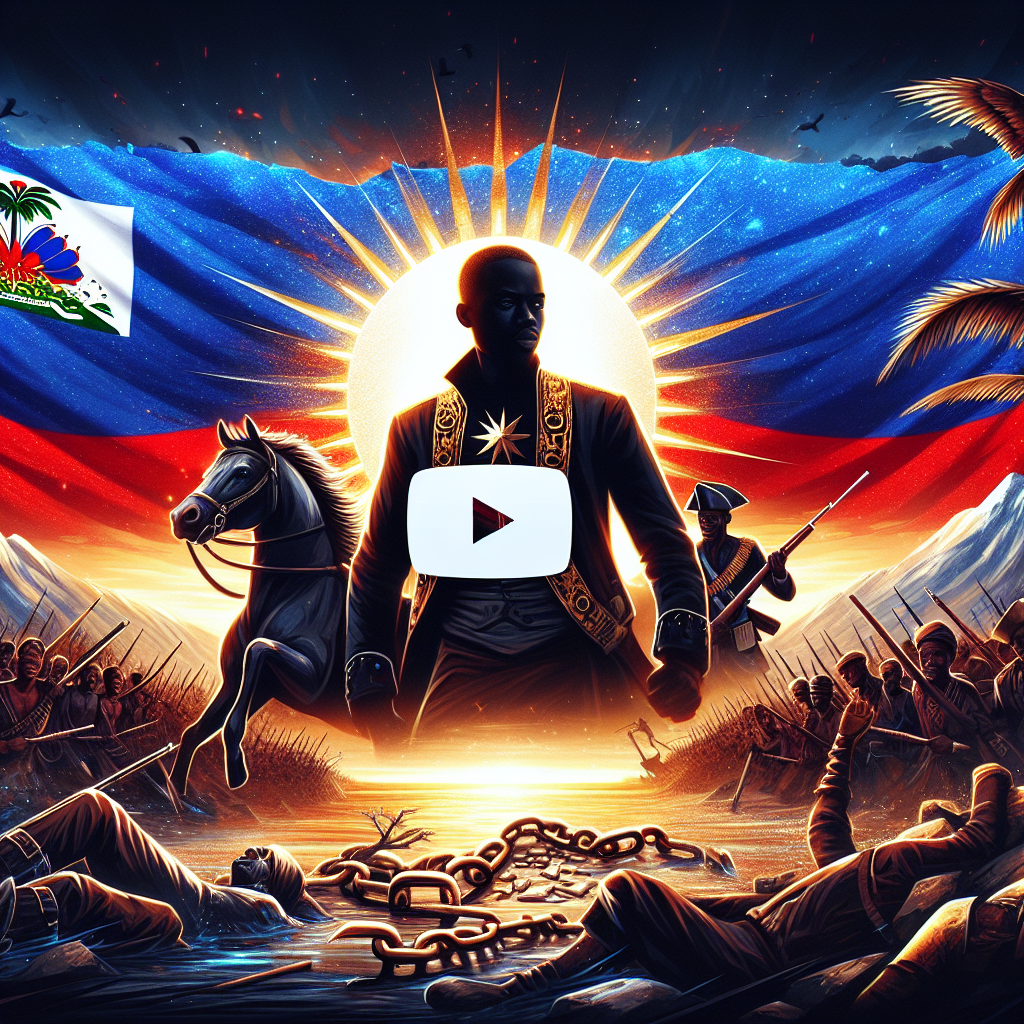

Haiti's political class resists diaspora integration due to the fear of change. Dive into the reasons behind this complex dynamic.
Haiti’s political landscape is characterized by a complex dynamic between the country’s political class and its diaspora community. Despite the potential benefits of diaspora integration, Haiti’s political class has historically resisted it.
The resistance to change is rooted in a deep-seated fear of losing power and influence. As a result, efforts to integrate the diaspora community into Haiti’s political landscape have been met with resistance.
To grasp the intricacies of Haiti’s political class and its resistance to diaspora integration, one must first understand the country’s historical context. Haiti’s political history is characterized by significant events that have shaped its current political landscape.
Haiti was a French colony, Saint-Domingue, known for its lucrative sugar and coffee plantations worked by enslaved Africans. The brutal conditions and the influence of the French Revolution led to a successful slave revolt, culminating in Haiti’s independence in 1804. This legacy of resistance and fight for freedom has profoundly impacted Haiti’s identity and political culture.
After gaining independence, Haiti faced numerous challenges, including internal power struggles and external pressures. The country experienced a series of occupations, dictatorships, and attempts at democratic governance. Key figures and movements have shaped the political narrative, influencing the current political structures.
Key events include:
Today, Haiti’s political landscape is characterized by a mix of democratic institutions and ongoing challenges, including corruption, political instability, and social inequality. The political class faces criticism for its responsiveness to the needs of the broader population, including the diaspora community.
The main challenges include:
Understanding the Haitian diaspora requires examining its formation, growth, and impact on both the host and home countries. The Haitian diaspora is a complex and multifaceted community that has evolved over decades.
The formation and growth of Haitian communities abroad have been shaped by various historical and economic factors. Major migration waves, often triggered by political instability or economic hardship in Haiti, have contributed significantly to the diaspora’s expansion.
Several major migration waves have characterized Haitian diaspora history, including the Duvalier regime exodus and post-earthquake migration. These waves were primarily driven by political persecution, economic instability, and natural disasters.
Haitian diaspora communities are predominantly found in North America, particularly in cities like Miami, New York, and Montreal, as well as in European countries such as France. These hubs serve as cultural, economic, and social centers for the diaspora.
The Haitian diaspora plays a crucial role in Haiti’s economy, primarily through remittances. These financial inflows are vital for supporting families and contributing to the country’s GDP. The diaspora’s economic significance extends beyond remittances, influencing trade and investment patterns.
Members of the Haitian diaspora have achieved significant educational and professional success in their host countries. Many have become leaders in various fields, including business, healthcare, education, and politics, contributing to both their host societies and Haiti’s development.
The relationship between Haiti and its diaspora is complex and multifaceted. On one hand, the diaspora community provides significant economic support through remittances, which play a crucial role in sustaining many Haitian households. On the other hand, their political participation and representation in Haiti’s governance structures remain limited.
The Haitian diaspora is a vital source of economic support for the country. Remittances sent back to Haiti by diaspora members are a major contributor to the country’s GDP. According to the World Bank, remittances to Haiti have been steadily increasing over the years, providing a lifeline to many families. These funds are often used for basic needs such as food, education, and healthcare.
| Year | Remittances (USD) | % of GDP |
|---|---|---|
| 2020 | 4.3 billion | 33% |
| 2021 | 4.8 billion | 35% |
| 2022 | 5.2 billion | 37% |
Despite their economic contributions, the diaspora’s political participation in Haiti is restricted. Dual citizenship is a contentious issue, and while there have been some reforms, the diaspora still faces significant barriers to political engagement. The lack of representation in government means that diaspora voices are often not heard in policy discussions that affect their interests and the broader Haitian society.
The resistance to diaspora integration is rooted in a complex mix of historical, ideological, and power-related factors. At its core, the fear of change among Haiti’s political class stems from the perceived threat that diaspora communities pose to established power structures and traditional ways of doing politics.
The political elite in Haiti have long maintained control through intricate networks of patronage and resource allocation. The diaspora’s integration could potentially disrupt these networks.
The diaspora’s influence could lead to a redistribution of resources, potentially bypassing traditional patronage networks. As Jean-Maxime André, a Haitian political analyst, notes, “The diaspora’s participation could be a game-changer, but it requires a willingness to challenge the status quo.”
Moreover, the diaspora’s involvement may demand greater accountability and transparency, which could undermine the entrenched practices of the political elite. “The diaspora brings fresh perspectives, but also poses a risk to those who benefit from the current system.”

Ideological differences also play a significant role in the resistance to diaspora integration. Some within Haiti’s political class view the diaspora as being out of touch with the country’s realities or as having foreign allegiances.
As
“The diaspora is seen as a threat not just to power, but to the very identity of what it means to be Haitian.”
This perception is rooted in a complex mix of nationalism and suspicion of external influences.
The political class’s resistance to diaspora integration is thus driven by a combination of self-preservation and ideological convictions. Understanding these dynamics is crucial to addressing the challenges and opportunities presented by diaspora engagement.
Understanding the psychological factors behind Haiti’s political resistance to diaspora integration is crucial for addressing this complex issue. The reluctance to change is often rooted in deep-seated psychological biases that influence decision-making processes.
The status quo bias refers to the tendency to prefer the current state of affairs over alternative options. In Haiti’s political context, this bias manifests as a resistance to diaspora integration, driven by a preference for maintaining existing power structures and political dynamics. This bias is particularly challenging to overcome as it is often subconscious and deeply ingrained.
Uncertainty avoidance is another psychological dimension that contributes to the resistance against diaspora integration. Political elites may perceive the inclusion of diaspora communities as a risk to their established positions and the political stability they enjoy. This perception is often fueled by concerns about the unknown consequences of change.
The interplay between status quo bias and uncertainty avoidance creates a formidable barrier to diaspora integration. Addressing these psychological dimensions is essential for fostering a more inclusive political environment in Haiti.
The economic implications of diaspora integration in Haiti are multifaceted and far-reaching. Integrating the diaspora into Haiti’s political and economic systems can have significant effects on the country’s development trajectory.

The diaspora can bring substantial economic benefits to Haiti, including:
These economic benefits can contribute to Haiti’s development by diversifying its economy, improving infrastructure, and enhancing the quality of life for its citizens.
However, diaspora integration also poses challenges to existing economic interests and potentially disrupts corrupt practices:
Addressing these challenges will be crucial to ensuring that the economic benefits of diaspora integration are realized while minimizing negative impacts.
Understanding the cultural and social dimensions is crucial to grasping why Haiti’s political class resists diaspora integration. The interplay between cultural identity and social structures significantly influences the political landscape.
The diaspora is often viewed with skepticism by those within Haiti, with some perceiving them as “foreign Haitians.” This perception fuels authenticity debates, where the diaspora’s Haitian identity is questioned due to their foreign residence and perceived cultural differences. Such debates can lead to exclusionary practices against the diaspora.
Critics argue that the diaspora is culturally disconnected from Haiti, having been influenced by foreign cultures. This perceived disconnection is used to justify limiting their political participation. Identity politics play a significant role, as different groups within Haiti vie for power and influence, often marginalizing the diaspora in the process.
Haiti’s diaspora faces significant legal and constitutional obstacles when attempting to engage in the country’s political processes. These barriers not only limit the diaspora’s ability to contribute to Haiti’s development but also perpetuate the status quo, hindering much-needed reforms.
One of the primary legal barriers is related to dual citizenship. Historically, Haiti has had restrictive policies regarding dual citizenship, which has deterred many diaspora members from fully participating in the political process. However, recent reforms have begun to address this issue. For instance, the 2012 amendment to the Haitian Constitution allowed for dual citizenship, enabling diaspora members to acquire Haitian nationality without renouncing their foreign citizenship.
Despite these reforms, voting rights and representation remain contentious issues. The diaspora community faces significant challenges in exercising their right to vote.
Currently, Haiti does not have a robust absentee voting system, making it difficult for diaspora members to cast their votes from abroad. This limitation effectively disenfranchises a significant portion of the diaspora community.
Furthermore, the representation of diaspora communities in the Haitian Parliament is limited. There are no reserved seats for diaspora representatives, and the electoral process often favors candidates with local connections.
“The lack of representation in Parliament means that the diaspora’s interests are often overlooked in policy discussions.”
To overcome these legal and constitutional barriers, Haiti must implement further reforms, including the establishment of a reliable absentee voting system and measures to increase diaspora representation in Parliament. By addressing these issues, Haiti can foster greater inclusivity and leverage the skills and resources of its diaspora community to drive development and growth.
By looking at African and Caribbean countries, we can identify effective diaspora integration strategies applicable to Haiti. Various nations have implemented innovative approaches to engage their diaspora communities, fostering economic growth and political participation.
Countries like Ghana and Rwanda have made significant strides in diaspora engagement. Ghana’s diaspora investment initiatives have attracted substantial foreign investment, while Rwanda has implemented policies to encourage diaspora returnees to contribute to the country’s development. These examples demonstrate the potential for African nations to leverage their diaspora communities for national growth.
The Caribbean region offers valuable lessons in diaspora integration. Jamaica, for instance, has a long history of diaspora engagement, with initiatives such as diaspora bonds and cultural events that foster a sense of community and encourage investment. These strategies have contributed to the country’s economic resilience and cultural vibrancy.
Haiti can draw on these international examples to develop its own diaspora integration strategies. By creating incentives for diaspora investment and simplifying the process for diaspora participation in politics, Haiti can harness the skills and resources of its diaspora community. Additionally, cultural exchange programs can help bridge the gap between Haiti and its diaspora, promoting a sense of shared identity and purpose.
Bridging the divide between Haiti’s political class and its diaspora is crucial for the country’s future prosperity. The historical context of Haiti’s political landscape and the significance of its diaspora underscore the need for integration.
The diaspora’s economic support, educational achievements, and professional expertise can drive development and growth. However, the resistance to diaspora integration, fueled by fear of change, ideological differences, and cultural perceptions, must be addressed.
By understanding the psychological dimensions of resistance and the economic implications of diaspora integration, Haiti can harness the potential of its diaspora. Successful diaspora integration models from African and Caribbean nations offer valuable lessons.
To achieve a more prosperous future, Haiti must bridge the divide between its political class and diaspora. This requires a multifaceted approach that addresses the legal, cultural, and social barriers to integration. By doing so, Haiti can unlock the potential of its diaspora and drive sustainable development, ultimately securing a brighter future for its citizens.
The main reason is the perceived threat to established power structures, including control of resources and patronage networks, as well as ideological differences and suspicions.
The Haitian diaspora plays a crucial role in supporting Haiti’s economy, primarily through remittances, which are a vital source of income for many families.
Status quo bias in political decision-making and uncertainty avoidance are significant psychological factors that contribute to the resistance.
Diaspora integration could bring in new skills, investment, and ideas, potentially boosting Haiti’s economic development and reducing corruption.
Perceptions of the diaspora as “foreign” and debates over authenticity and identity contribute to the resistance, highlighting the need for a more inclusive understanding of Haitian identity.
Issues related to dual citizenship, voting rights, and representation in parliament are significant barriers, including absentee voting limitations and lack of diaspora representation.
Yes, countries in Africa and the Caribbean have successfully integrated their diasporas, offering valuable lessons for Haiti, such as engaging the diaspora in national development and ensuring their representation.
By understanding the historical, cultural, and psychological factors at play, and by learning from other countries’ experiences, Haiti can bridge the divide between its political class and diaspora, harnessing the diaspora’s potential for national development.