Physical Address
304 North Cardinal St.
Dorchester Center, MA 02124
Physical Address
304 North Cardinal St.
Dorchester Center, MA 02124
The fatal miscalculation of Haiti's corrupt elite: How they underestimated the people's intelligence.
In Haiti, a nation plagued by corruption, the ruling elite have long been accused of undermining the people’s intelligence. The corrupt practices and abuse of power have led to widespread discontent among the population.
The corrupt elite in Haiti have made a grave mistake by underestimating the intelligence and resilience of the Haitian people. As the population becomes increasingly aware of their rights, they are demanding change and pushing back against the corrupt systems that have held them back for so long.
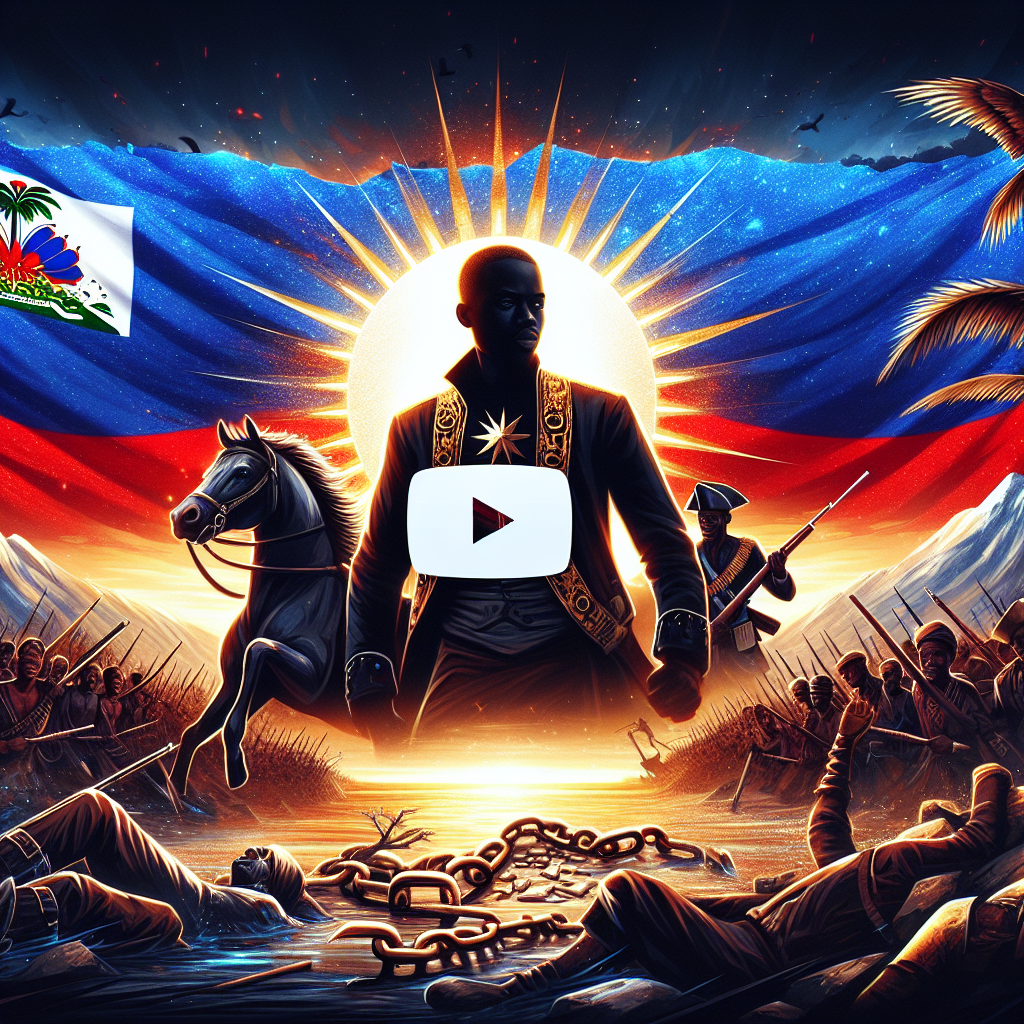
From the ashes of slavery, Haiti rose as a beacon of hope, forging a path of resistance and resilience. This legacy is deeply rooted in its history, beginning with the slave rebellion that led to its independence.
Haiti’s journey to becoming the world’s first black republic was marked by intense struggle. The successful slave revolt, led by figures such as Toussaint Louverture, Jean-Jacques Dessalines, and Boukman Dutty, was a pivotal moment in Haitian history, showcasing the power of resistance against oppression.
Throughout its history, Haiti has experienced patterns of power consolidation, where leaders have concentrated power and wealth. Understanding these patterns is crucial to grasping the complexities of Haiti’s current socio-political landscape.
The legacy of resistance and resilience continues to shape Haiti’s identity, influencing its people’s response to contemporary challenges.
The Haitian elite’s architecture of corruption is rooted in a sophisticated network of economic and political control mechanisms. This complex system has enabled them to maintain their grip on power for decades.
Haiti’s elite have constructed their empire by establishing economic monopolies that control key sectors of the economy. These monopolies not only generate significant wealth but also limit opportunities for others, thereby consolidating their power.
The formation and maintenance of political dynasties have been crucial in sustaining the elite’s influence. By ensuring that family members and allies hold key political positions, they can dictate policies and decisions that favour their interests.
Strategic family alliances and business networks play a vital role in reinforcing the elite’s control. These alliances create a web of mutual interests and dependencies, making it difficult for outsiders to penetrate or challenge their dominance.
By understanding these mechanisms, it becomes clear how Haiti’s elite have managed to build and maintain their empire, despite widespread poverty and inequality.
Systematic corruption has been a hallmark of Haiti’s governance, with the ruling elite exploiting aid diversion and public fund embezzlement to maintain their power and wealth. This exploitation has severe consequences for the country, hindering its development and perpetuating poverty among the population.
Aid diversion is a critical component of the systematic corruption in Haiti. International aid, intended to alleviate poverty and support development projects, is often diverted by the ruling elite for personal gain. This diversion can occur through various means, including:
Public fund embezzlement is another significant mechanism used by Haiti’s elite to exploit the nation. Techniques used include:
The PetroCaribe scandal is a prime example of public fund embezzlement in Haiti. Between 2008 and 2016, Haiti received over $2 billion in oil subsidies through the PetroCaribe agreement with Venezuela. However, a significant portion of these funds was embezzled by government officials and their associates.
| Year | Funds Received (in millions) | Alleged Embezzlement (in millions) |
|---|---|---|
| 2008 | 200 | 50 |
| 2010 | 350 | 100 |
| 2012 | 400 | 150 |
The PetroCaribe scandal highlights the extent of corruption in Haiti and the need for greater transparency and accountability in government dealings.
Haiti’s corrupt elite made a grave mistake in underestimating the intelligence of the Haitian people. For years, they propagated the myth that the masses were ignorant and incapable of understanding the complexities of governance and corruption.
The notion that Haitians are uninformed or lack the intelligence to comprehend political and social issues is a dangerous misconception. In reality, Haitians have a deep understanding of their history and the socio-political dynamics at play.
Evidence of this awareness can be seen in the long history of resistance and resilience among Haitians, from the revolution against slavery to modern-day protests against corruption.
Despite facing significant challenges, including limited access to quality education, Haitians have shown remarkable resilience in preserving and passing on knowledge.
Oral traditions have played a crucial role in Haitian culture, serving as a means of preserving history, cultural values, and social commentary. Through storytelling, music, and folklore, Haitians have maintained a rich cultural heritage that informs their understanding of the world.
The corrupt elite’s underestimation of the Haitian people’s intelligence has ultimately proven to be a fatal miscalculation. As the population becomes increasingly aware of their rights and the mechanisms of corruption, they are demanding change.
With the advent of smartphones, Haitians gained an unprecedented tool to expose corruption. The digital revolution has transformed the way information is disseminated and consumed in Haiti, empowering citizens to hold their leaders accountable.
The widespread adoption of smartphones has democratized access to information in Haiti. Citizens can now easily capture and share evidence of corruption, bypassing traditional media outlets controlled by the elite. This shift has been instrumental in bringing abuses of power to light.
Citizen journalism has emerged as a powerful force in documenting and exposing corruption. Ordinary citizens, armed with smartphones, are now able to report on government malfeasance and corporate wrongdoing, providing a grassroots perspective that challenges the narratives presented by those in power.
Viral exposés have had a significant impact on Haiti’s political landscape. When corruption is exposed through digital channels and goes viral, it can no longer be ignored by authorities. This has led to increased accountability, with some officials facing consequences for their actions. The digital revolution has thus become a crucial tool in the fight against corruption.
The combination of smartphone penetration, citizen journalism, and the potential for viral exposés has created a powerful check on elite power in Haiti. As technology continues to evolve, it is likely that this trend will only continue, further empowering Haitians to demand transparency and accountability from their leaders.
Through remittances, cross-border activism, and media platforms, the Haitian diaspora has significantly impacted the country’s political discourse and economic stability. The diaspora community’s influence extends beyond financial support, playing a crucial role in shaping Haiti’s governance and exposing corruption.
Remittances from the Haitian diaspora have become a vital source of economic power, influencing not only the economy but also political dynamics within the country. These financial inflows have enabled families to sustain themselves amidst economic hardship and have indirectly supported local businesses. Moreover, the diaspora’s financial clout has given them a voice in Haiti’s political affairs, as politicians increasingly recognize the importance of this revenue stream.
| Year | Remittances (USD) | % of GDP |
|---|---|---|
| 2020 | 4.3 billion | 35% |
| 2021 | 4.8 billion | 37% |
| 2022 | 5.2 billion | 40% |
The Haitian diaspora has also been instrumental in cross-border activism, raising awareness about the country’s governance issues and human rights abuses. Through various campaigns and advocacy efforts, the diaspora has brought international attention to Haiti’s plight, pressuring governments and international organizations to take action.
Diaspora media platforms have emerged as powerful tools for disseminating information and influencing public opinion. These platforms have provided a voice to Haitians abroad and within the country, facilitating a transnational dialogue on issues affecting Haiti. By leveraging social media and online news outlets, the diaspora has been able to expose corruption and mobilize support for reform initiatives.

Haiti’s grassroots communities have developed robust intelligence networks that operate beneath the radar of censorship. These networks have become crucial in disseminating information and countering the efforts of those who seek to control the narrative.
Community radio stations have emerged as vital hubs for information sharing in Haiti. They provide a platform for local voices to be heard and for news to be disseminated quickly across communities. As Jean Léopold Dominique, a prominent Haitian journalist, once said, “Radio is the voice of the voiceless.”
“Radio is the most powerful tool we have for communicating with each other.”
Market networks in Haiti are not just economic centers; they also serve as intelligence hubs where information is exchanged and disseminated. Vendors and traders often act as informal news networks, sharing updates on local events and conditions.
Religious communities, particularly those in rural areas, play a significant role in information dissemination. Churches and other places of worship often serve as gathering points where news is shared and discussed. This grassroots level of information exchange is crucial in keeping communities informed.
The combination of community radio, market networks, and religious communities forms a robust grassroots intelligence network in Haiti. This network ensures that information continues to flow despite attempts at censorship, empowering communities to make informed decisions and resist manipulation.
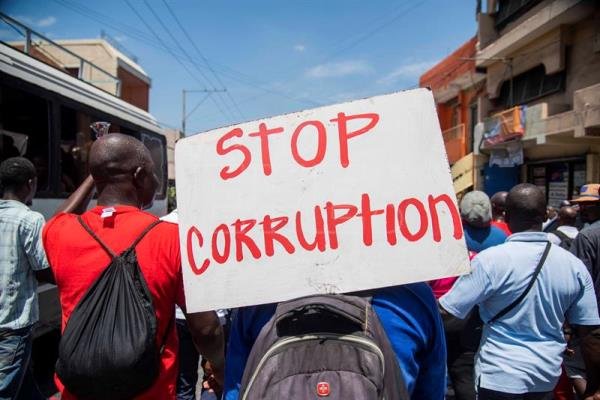
Since 2018, Haiti has witnessed a significant evolution in protest strategies, with citizens employing creative and symbolic communication to articulate their demands. The protests have become a powerful medium through which the Haitian people express their resistance against corruption and inequality.
The protest strategies in Haiti have transformed over the years, adapting to the changing socio-political landscape. Social media platforms have become crucial tools for mobilization and information dissemination. Protesters have leveraged these platforms to organize marches, share information, and document human rights abuses.
The use of hashtags has become a common practice, allowing protesters to create a digital footprint of their movements and connect with international solidarity networks. This digital activism complements traditional forms of protest, such as marches and demonstrations, creating a multi-faceted approach to demanding change.
Symbolic communication has played a vital role in Haitian protests, with demonstrators using various forms of expression to convey their messages. Art and music have been integral to these protests, serving as powerful tools for mobilization and expression.
Cultural expressions of resistance have been a hallmark of Haitian protests. Vodou ceremonies, for instance, have been used as a form of spiritual resistance, blending traditional beliefs with political activism. Music, particularly Kompa and other local genres, has been used to mobilize crowds and convey messages of resistance.
These cultural expressions not only reflect the rich cultural heritage of Haiti but also serve as a unifying force among protesters. They help to create a sense of community and solidarity, which is crucial for sustaining long-term protest movements.
International complicity in Haiti’s governance crisis is a multifaceted issue, involving historical patterns of foreign intervention and modern diplomatic support for corrupt regimes. This complex situation has deep roots, with foreign powers significantly influencing Haiti’s political landscape.

Haiti has experienced numerous foreign interventions throughout its history, from occupations to electoral interference. These interventions have often been driven by the strategic or economic interests of the intervening countries, rather than a genuine concern for Haiti’s well-being.
For instance, the U.S. occupation of Haiti from 1915 to 1934 was largely motivated by economic interests, including control over Haiti’s financial and natural resources.
In recent years, foreign powers have continued to play a significant role in Haiti’s governance, often providing diplomatic support to regimes tainted by corruption. This support can take many forms, including recognition of disputed election outcomes and provision of foreign aid.
The economic interests of foreign powers often underpin their political positions on Haiti. For example, support for certain political figures or policies may be linked to access to Haiti’s markets or natural resources. Understanding these economic motivations is crucial to grasping the full extent of international complicity in Haiti’s governance crisis.
By examining the historical and modern dynamics of foreign intervention in Haiti, it becomes clear that international complicity has played a significant role in the country’s ongoing governance challenges. Addressing these issues will require a nuanced understanding of the complex interplay between foreign powers and Haitian political realities.
Haiti’s corrupt elite experienced a boomerang effect, where their corrupt practices ultimately led to their economic detriment. The consequences of their actions were far-reaching, impacting various aspects of the economy and society.
The corrupt practices of Haiti’s elite led to a deterioration of the investment climate. As corruption became more rampant, investors lost confidence in the economy, leading to a decline in foreign investment. This decline had a ripple effect, impacting businesses and industries that relied on external funding.
Security concerns also played a significant role in the economic downfall of Haiti’s elite. As crime and violence escalated, many members of the elite began to leave the country, taking their wealth and resources with them. This elite exodus further exacerbated the economic crisis, as it led to a loss of talent, expertise, and capital.
Despite the overall economic decline, some members of the elite continued to amass wealth, often through corrupt means. This created a paradox of wealth amid instability, where a small segment of the population enjoyed significant economic benefits while the majority suffered. This disparity further fueled social unrest and contributed to the ongoing crisis.
Beyond the entrenched elite, a diverse group of emerging leaders is redefining Haitian politics. This shift is characterized by the rise of youth-led political movements, increased activism among the professional class, and a growing presence of women in reform initiatives.
The younger generation in Haiti is not just demanding change; they are actively working towards it. Youth-led movements are organizing protests, creating awareness campaigns, and pushing for legislative reforms. As one young activist noted,
“We are not just the future; we are the present, and we will not be silenced.”
Members of Haiti’s professional class are also playing a crucial role in shaping the country’s future. They are developing governance proposals that aim to address corruption, improve transparency, and enhance public services. Their involvement brings much-needed expertise to the table.
Women are at the forefront of many reform initiatives, bringing unique perspectives and skills to the leadership table. Their involvement is crucial in driving sustainable change and ensuring that the needs of all Haitians are considered.
The emergence of these new voices is a positive development for Haiti, offering hope for a more inclusive and equitable future.
Haiti stands at a pivotal moment in its history, symbolizing the emergence of an awakened giant. The corrupt elite’s fatal miscalculation in underestimating the intelligence and resilience of the Haitian people has led to a significant shift in the country’s dynamics.
As grassroots movements and emerging leadership continue to gain momentum, Haiti’s path forward is being reshaped. The collective action and demands for change are driving a new era of potential reform and development.
The awakened giant of Haiti is rising, driven by the determination of its people and the power of information. With the diaspora’s support and the impact of digital technology, Haiti is poised to overcome the challenges of its past and forge a more equitable future.
Haiti’s path forward is not without its challenges, but the resilience and intelligence of its people offer a promising outlook. As the country continues on this journey, the world watches with anticipation.
The main factors included a historical pattern of power consolidation, economic monopolies, and a misguided perception of the masses as being ignorant or uninformed.
Haiti’s transition from a slave rebellion to the world’s first black republic laid a foundation for resistance against oppressive systems, which continues to shape the country’s response to corruption.
Economic monopolies allowed the elite to control resources and consolidate power, creating a system that perpetuated corruption and limited opportunities for the broader population.
Smartphone penetration has democratized information, enabling citizen journalism to document abuses of power and expose corruption through viral exposés that have significant political impact.
The diaspora has played a crucial role through remittances, cross-border activism, and diaspora media platforms, contributing to Haiti’s development and influencing its political landscape.
Community radio, market networks, and religious communities serve as key channels for information sharing and dissemination, illustrating the resilience of information flow in the face of censorship.
Since 2018, protest strategies have evolved, incorporating symbolic communication, art, music, and cultural expressions to articulate resistance and demands for change, highlighting the creative and collective ways Haitians have expressed their needs.
Foreign powers have historically intervened in Haiti, and modern diplomatic support for corrupt regimes, driven by economic interests, has complicated efforts to address corruption and improve governance.
Corruption has led to a deterioration of the investment climate, security concerns, and an elite exodus, demonstrating the self-destructive nature of corrupt practices.
Youth-led political movements, professional class activism, and women’s leadership in reform initiatives are proposing alternative governance models and driving change, symbolizing a potential path forward for Haiti.