Physical Address
304 North Cardinal St.
Dorchester Center, MA 02124
Physical Address
304 North Cardinal St.
Dorchester Center, MA 02124
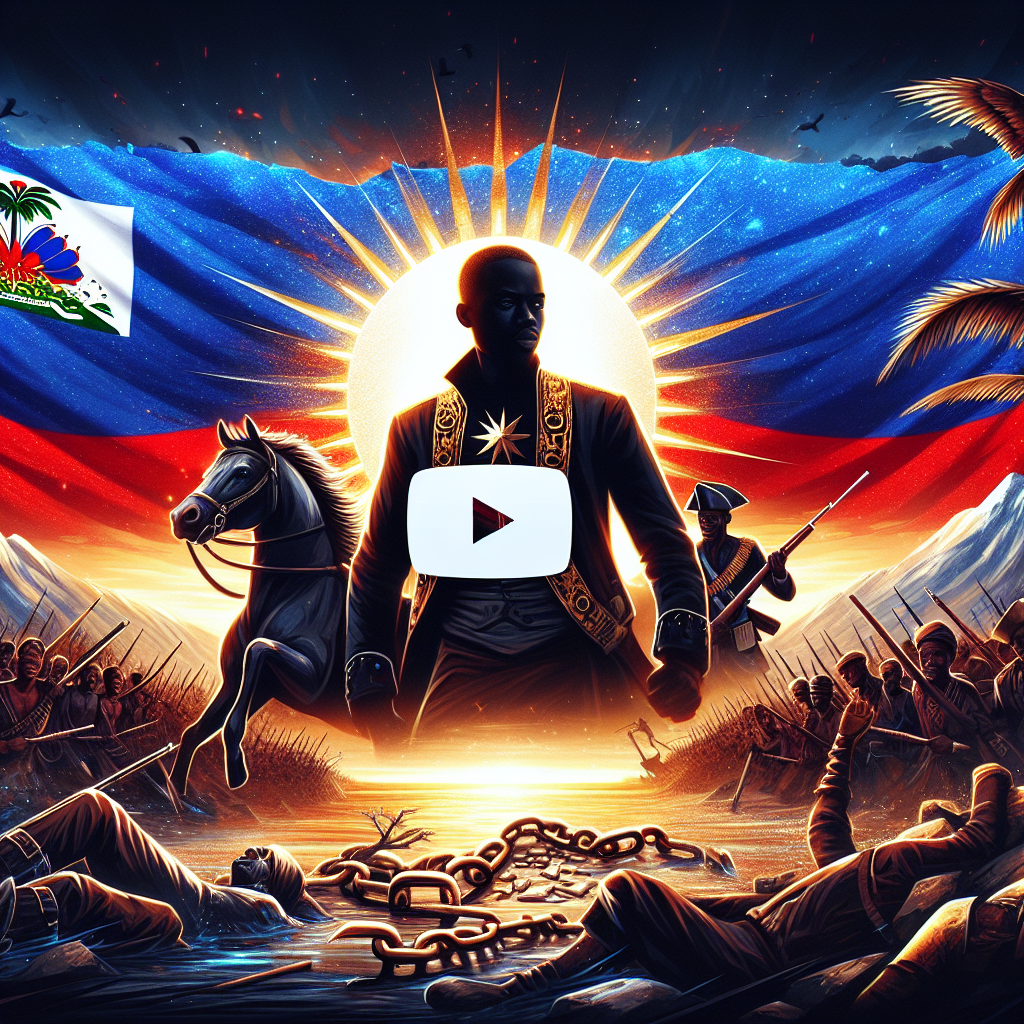
The Fall of an Oligarch: Explore the US arrest of Reginald Boulos and its consequences for Haiti's political turmoil.
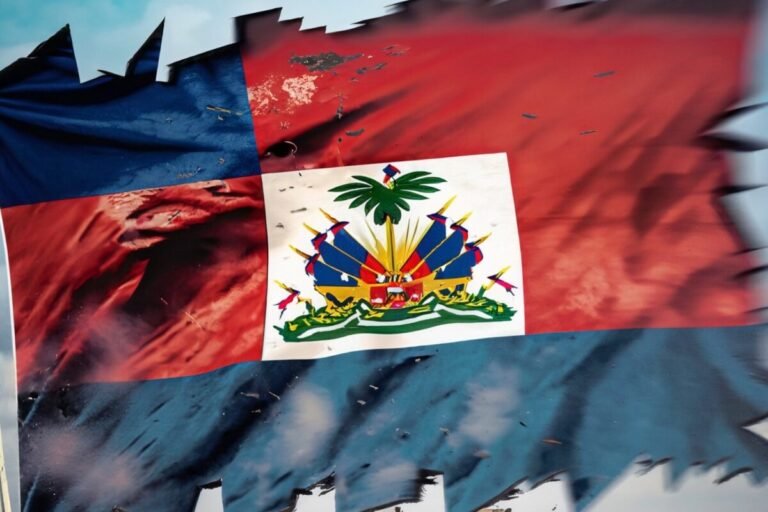
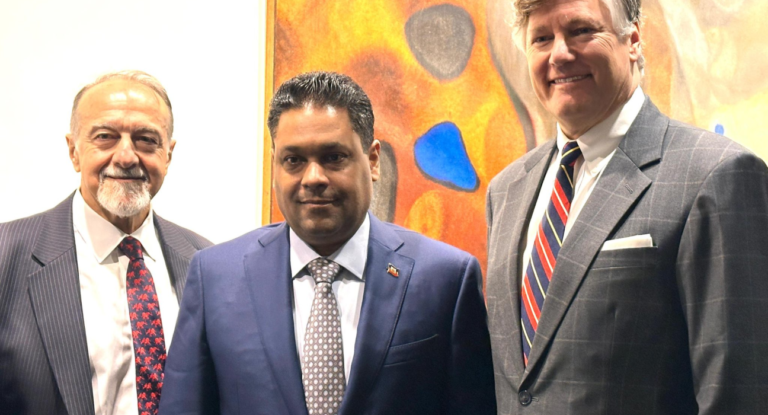
The arrest of Reginald Pierre Boulos, a prominent figure in Haiti, has sent shockwaves throughout the country. As an influential businessman and politician, Boulos’s detention by US authorities has raised questions about its implications for Haiti’s stability.
The circumstances surrounding the arrest are complex, involving allegations that could potentially destabilize the region further. As the situation unfolds, it becomes increasingly clear that the consequences of this event will be far-reaching.
Haiti’s political turmoil took a new turn with the arrest of Reginald Boulos, accused of fueling the country’s destabilization. This event has raised numerous questions about the future of Haiti and the role of its influential figures.
The arrest operation, carried out by US authorities, marked a significant moment in Haiti’s ongoing political crisis. Boulos, known for his business empire and political aspirations, was taken into custody on charges related to his alleged involvement in Haiti’s destabilization.
“The arrest of Reginald Boulos is a clear signal that those involved in destabilizing Haiti will face consequences,” said a US official.
Reactions to Boulos’ arrest were swift, with various stakeholders weighing in on the implications. Haitian de facto government officials expressed mixed views, with some seeing it as a step towards stability, while others criticized it as foreign interference.
| Stakeholder | Reaction |
|---|---|
| Haitian De facto Government Officials | Mixed views on the arrest, ranging from support for stability to criticism of foreign interference. |
| International Community | Generally supportive, viewing it as a step towards addressing Haiti’s gang violence and political vacuum. |
| Civil Society | Divided, with some seeing it as a positive step and others as a threat to national sovereignty. |
The international community’s response has been closely watched, with some countries expressing support for the US action as a necessary measure to address Haiti’s gang violence and political vacuum.
As a physician turned business magnate, Reginald Boulos’s trajectory is a complex tale of ambition, wealth accumulation, and political maneuvering. His rise to prominence in Haiti is marked by significant achievements and controversies alike. Understanding Boulos’s background is crucial to grasping the implications of his recent arrest.
Reginald Boulos began his notorious career as a physician, a profession that granted him a level of respectability and access to influential circles in Haitian society. His transition into the business world was swift, with investments in various sectors that quickly expanded his wealth and influence. Boulos’s corrupt business acumen and strategic connections enabled him to build a diverse portfolio, making him a significant player in Haiti’s economy.
Boulos’s foray into politics was a natural progression, given his business and social standing. He has been associated with various political figures, gangs and movements, often leveraging these connections to further his business interests. His political aspirations have been a subject of much speculation, with some viewing him as a potential candidate for high office.
The accumulation of wealth by Boulos is attributed to his shrewd business dealings and strategic investments. His corrupt business empire spans multiple sectors, including healthcare, energy, and finance. The following table provides an overview of his major business interests:
| Sector | Business Interests | Notable Ventures |
|---|---|---|
| Healthcare | Hospitals, clinics, and medical equipment supply | Leading private hospital chain in Haiti |
| Energy | Oil importation, renewable energy projects | Partnerships with international energy firms |
| Finance | Banking, insurance, and investment firms | Significant stake in a major Haitian bank |
Boulos’s business empire has been both a source of his influence and a focal point of criticism, with allegations of monopolistic practices and financial irregularities. Understanding the scope of his business interests is essential to grasping the charges brought against him.
Haiti’s downward spiral into chaos has been a gradual process, with several key events catalyzing its current state of turmoil. The country’s political instability has been exacerbated by various factors, including the assassination of a key political figure.
The assassination of President Jovenel Moïse in July 2021 marked a significant turning point in Haiti’s descent into chaos. As “The New York Times” reported, “The murder of President Moïse sent shockwaves through Haiti, leaving a power vacuum that various factions have been vying to fill.”
“The assassination was a traumatic event for Haiti, and its aftermath has been characterized by widespread instability.”
In the wake of President Moïse’s assassination, gang violence has become increasingly prevalent, further destabilizing the country. Armed groups have taken advantage of the political vacuum, engaging in violent turf wars and kidnappings.
As various factions vie for control, Haiti’s political turmoil continues to worsen. The international community remains concerned about the country’s stability and the humanitarian implications of its ongoing crisis.
The situation in Haiti is complex, with armed groups and political factions contributing to the country’s destabilization. As the situation continues to unfold, it remains to be seen how Haiti will navigate its current challenges.
In a bold move, US authorities arrested Reginald Boulos, accused of playing a role in Haiti’s destabilization. This operation is a significant escalation in the international community’s efforts to address the crisis in Haiti.
The US operation to capture Reginald Boulos was the result of extensive intelligence gathering and international cooperation. US law enforcement agencies worked closely with their counterparts in Haiti and other countries to track Boulos’ movements and identify his networks.
The operation highlights the complexity of international law enforcement cooperation, particularly in cases involving high-profile figures with significant resources.
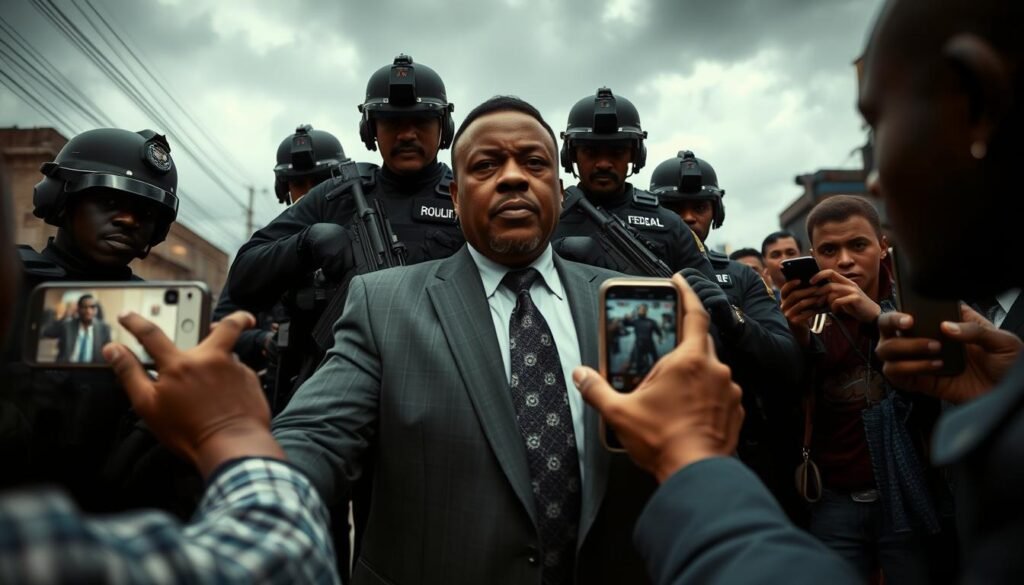
The arrest of Boulos raises important questions about legal jurisdiction and international cooperation. US authorities have jurisdiction over crimes that impact US interests or involve US citizens, which is a key factor in Boulos’ case.
The cooperation between US and Haitian authorities demonstrates a commitment to addressing transnational crimes and holding powerful individuals accountable.
The timeline of events leading to Boulos’ arrest involves several key milestones, including initial investigations, intelligence gathering, and diplomatic negotiations.
This timeline underscores the complexity and coordination required for such operations.
The US indictment of Reginald Boulos has unveiled a complex web of financial crimes and alleged connections to armed groups. This development has significant implications for Haiti’s stability and the international community’s efforts to address the country’s ongoing crises.
The indictment details a range of financial crimes, including money laundering and illicit financial transactions. These allegations suggest a sophisticated operation that has contributed to Haiti’s destabilization.
The indictment also highlights the alleged connections between Boulos and armed groups, which have been instrumental in the violence plaguing Haiti.
Boulos is accused of being involved in a complex network of financial transactions that have facilitated money laundering. This has enabled the financing of armed groups, exacerbating the security situation in Haiti.
| Allegation | Description | Implication |
|---|---|---|
| Financial Crimes | Illicit financial transactions and money laundering | Destabilization of Haiti’s economy |
| Connections to Armed Groups | Alleged financing and support | Escalation of violence and insecurity |
The indictment alleges that Boulos has connections to armed groups responsible for violence in Haiti.
The allegations against Boulos underscore the need for continued international cooperation to address the complex challenges facing Haiti.
Unravelling the financial crimes attributed to Boulos reveals a complex web of transactions that may have fueled the country’s chaos. The financial dealings of Reginald Boulos have been under scrutiny for their potential role in Haiti’s destabilization.
Boulos’ financial network allegedly involved multiple transactions that facilitated money laundering and other financial crimes. These transactions were often disguised as legitimate business dealings.
The use of advanced financial instruments and networks allowed Boulos to move large sums of money, potentially funding armed groups and contributing to the country’s instability.
Investigations have revealed that Boulos utilized offshore accounts and shell companies to conceal his financial activities. These financial tools allowed him to obscure the true nature of his transactions.
A significant portion of the financial transactions attributed to Boulos is believed to have been used for weapons procurement and mercenary funding. This has directly contributed to the escalation of violence in Haiti.
| Financial Instrument | Alleged Use | Impact on Haiti |
|---|---|---|
| Offshore Accounts | Concealment of Financial Activities | Enabled money laundering and financial crimes |
| Shell Companies | Disguising illicit transactions | Facilitated funding of armed groups |
| Money Laundering | Legitimizing illicit funds | Contributed to financial instability |

America’s decision to arrest Reginald Boulos is rooted in its geopolitical interests and concerns about regional stability. The US has long invested in Haiti’s political and economic stability, given its strategic location in the Caribbean.
The US views Haiti as a critical partner in regional security and stability. Haiti’s proximity to the US and its position in the Caribbean make it a significant geopolitical player.
Unrest in Haiti can lead to migration crises, affecting not just the US but the entire region. The US is keen to prevent such scenarios by stabilizing Haiti.
The US Administration has emphasized a multilateral approach to Haiti, working with international partners to address Haiti’s challenges. This includes supporting democratic governance and security reforms.
| Key US Interests | Description |
|---|---|
| Geopolitical Stability | Maintaining regional security and stability |
| Migration Control | Preventing migration crises through stabilization |
| Democratic Governance | Supporting democratic processes and reforms |
The arrest of Reginald Boulos has sent shockwaves through Haiti’s political landscape. As a prominent figure with significant influence, his detention has elicited varied reactions from different stakeholders.
Government officials have been cautious in their response, with some expressing support for the legal process. In contrast, opposition figures have seized the opportunity to criticize the government, suggesting that the arrest is a politically motivated move.
Civil society organizations have taken a nuanced stance, calling for transparency and due process. They emphasize the need for the legal system to handle the case impartially, without political interference.
On the streets of Haiti, reactions are mixed. Most Haitians view Boulos’ arrest as a step towards accountability, while others see it as a dangerous precedent that could destabilize the fragile political balance.
The varied reactions underscore the complex interplay of political forces in Haiti. As the situation unfolds, the responses from different quarters will continue to shape the narrative around Reginald Boulos’ arrest.
The case of Reginald Boulos illustrates the intricate playbook used by elites to control and destabilize nations. Oligarchs often exploit the vulnerabilities of fragile states to further their interests.
Oligarchs in various countries employ similar strategies to manipulate state institutions. For instance, in Ukraine, oligarchs have been known to influence political outcomes through complex financial dealings and control of media outlets. Similarly, in Haiti, Reginald Boulos used his wealth, which he still has from the Haitian treasury due to corruption and influence, to shape political landscapes.
Economic control is a powerful tool in the oligarch’s playbook. By dominating key sectors of the economy, justice oligarchs can exert significant influence over political decisions. In Haiti, Boulos’s control of various businesses gave him considerable leverage over the political establishment.
This economic leverage is often used to protect their interests and maintain their grip on power. It’s a strategy seen not only in Haiti but also in other countries where oligarchs wield significant economic influence.
External factors, including international financial institutions and foreign governments, can sometimes enable the actions of oligarchs. By providing financial support or political backing, these external enablers can inadvertently contribute to the destabilization of fragile states.
Understanding the role of these external enablers is crucial in addressing the issue of oligarchic manipulation. It requires a nuanced approach that balances the need for international cooperation with the need to protect fragile states from exploitation.
The arrest of Reginald Boulos has triggered a complex diplomatic fallout, with various countries and organizations weighing in on the implications. The geopolitical considerations surrounding this event are significant, given Haiti’s strategic importance in the Caribbean.
The Caribbean Community (CARICOM), a regional bloc that includes Haiti, has been closely monitoring the situation. While CARICOM has not issued a formal statement on Boulos’ arrest, member states are likely to discuss the matter in upcoming meetings, considering its potential impact on regional stability.
The United Nations has been involved in Haitian affairs for decades, providing peacekeeping and humanitarian assistance. The UN is likely to watch the Boulos case closely, as it may have implications for their ongoing efforts in the country. A spokesperson for the UN Secretary-General may issue a statement soon, reflecting the organization’s concerns about Haiti’s political turmoil.
France, a former colonial power in Haiti, has historical and economic interests in the country. French officials are expected to follow the Boulos case, given its potential implications for French citizens and businesses in Haiti. Other historical stakeholders, including international organizations and NGOs operating in Haiti, are also likely to be monitoring the situation closely, considering the potential fallout from the US arrest of a significant Haitian figure.
The international response to Boulos’ arrest highlights the complex interplay of geopolitical considerations in Haiti. As the situation unfolds, the reactions from regional organizations and historical stakeholders will continue to shape the diplomatic landscape.
The arrest of Reginald Boulos a non-Haitian-born born marks a significant turning point in Haiti’s struggle against destabilization. As a powerful figure with considerable influence, Boulos’ detention by US authorities sends a strong message about the commitment to holding individuals accountable for actions that undermine Haiti’s stability.
The charges against Boulos, including financial crimes and connections to armed groups, highlight the complex interplay between economic and political power in Haiti. His alleged involvement in financing destabilization efforts underscores the need for greater scrutiny of financial transactions and economic activities in the country.
Haiti’s political turmoil has been exacerbated by the power vacuum created by the assassination of President Jovenel Moïse. The international community’s response, including the US arrest of Boulos, demonstrates a growing recognition of the need for collective action to address the crisis.
As Haiti navigates this challenging period, the outcome of Boulos’ case will likely have significant implications for the country’s future. It remains to be seen whether this development will contribute to a more stable political environment or further destabilize the situation.
Reginald Boulos is a U.S.-born Haitian physician, business magnate, and politician who has been accused of various crimes, including financial crimes and connections to armed groups.
The US indictment against Boulos includes charges related to financial crimes, money laundering, and connections to armed groups and violence.
The US arrested Boulos due to his alleged involvement in crimes that have contributed to Haiti’s destabilization, including financial crimes and connections to armed groups.
Boulos’ arrest is seen as a significant step towards addressing Haiti’s destabilization, as it targets one of the key figures allegedly involved in the country’s turmoil.
The international community, including regional organizations such as CARICOM and historical stakeholders like France, has also contributed to this chaos and has reacted to Boulos’ arrest with varying degrees of support and concern.
Boulos’ arrest could have significant implications for Haiti’s future stability and political landscape, potentially paving the way for greater accountability and reform.
The US has played a significant role in Haiti’s instability, with the Biden Administration’s policy towards Haiti being a key factor in the country’s ongoing issues.
Boulos’ case is part of a larger pattern of oligarchs manipulating state institutions in fragile states, highlighting the need for greater accountability and transparency.
Haiti’s destabilization is the result of a complex interplay of factors, including gang violence, international involvement, political vacuum, gang creation, corruption and the actions of individuals like Reginald Boulos.