Physical Address
304 North Cardinal St.
Dorchester Center, MA 02124
Physical Address
304 North Cardinal St.
Dorchester Center, MA 02124

Discover why Haiti's survival demands immediate action, not rhetoric, in this insightful article.
Haiti is on the brink of collapse, facing a humanitarian emergency that demands immediate attention. The Haiti crisis has been escalating, with the international community called upon to provide international aid.
The situation is dire, with the Haitian people suffering the consequences of prolonged instability. It’s time for action, not just rhetoric. The international community must come together to provide the necessary aid and support to help Haiti survive this crisis.
The situation in Haiti is dire, with a complex interplay of factors contributing to a humanitarian emergency of alarming proportions. The nation’s stability is being eroded by multiple challenges that require immediate attention and action.
Haiti is facing a humanitarian crisis of significant proportions, with millions in need of aid. The crisis is characterized by widespread poverty, lack of access to basic services like healthcare and clean water, and a general deterioration in living conditions.
The security situation in Haiti has deteriorated significantly, with gang violence being a major contributor to the instability. Gangs control large areas of the capital, Port-au-Prince, and other parts of the country, leading to a breakdown in law and order.
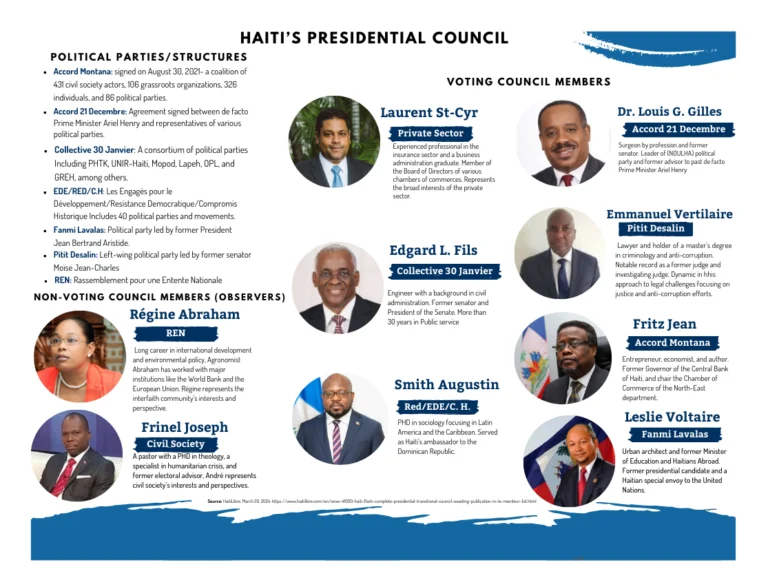
Haiti is also grappling with a political vacuum, as the government struggles to assert its authority and provide effective governance. The lack of a stable and functional government exacerbates the crisis, making it difficult to address the pressing needs of the population and restore order.
The interplay of these factors—humanitarian emergency, security collapse, and political vacuum—creates a complex crisis that demands a comprehensive and coordinated response.
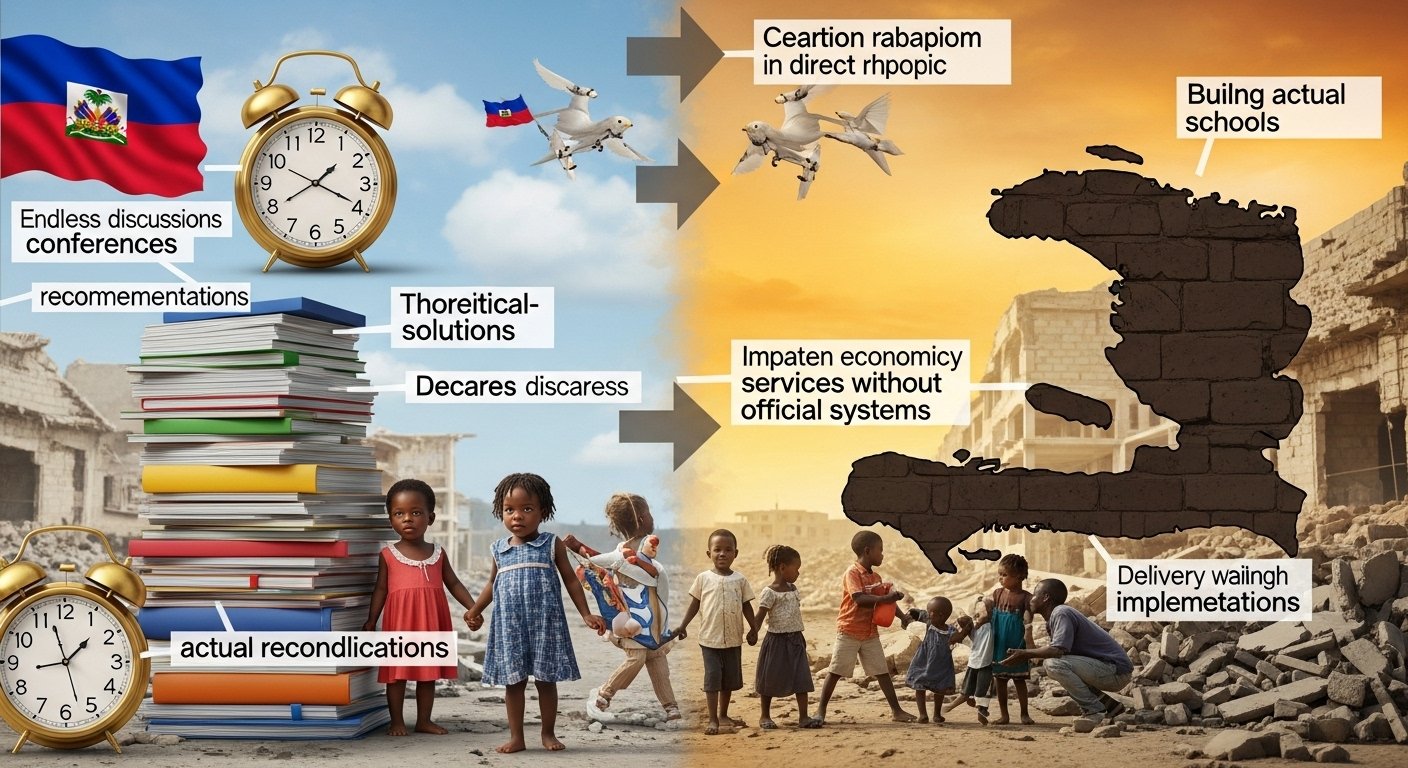
For decades, Haiti has been on the receiving end of numerous promises from the international community, but delivery has often fallen short. The country’s history with international aid is complex, marked by pledges that have not been fulfilled.
Haiti has witnessed a multitude of international pledges over the years, aimed at alleviating its socio-economic challenges. These pledges have been made at various conferences and meetings, with the international community vowing to support Haiti’s development. However, the reality on the ground has often been different, with many of these pledges remaining unfulfilled.
The disparity between what is promised and what is delivered is a significant issue. International aid has been pledged, but the actual delivery of this aid has been inconsistent. This gap is not just about the amount of aid but also the effectiveness and targeting of the aid. Many projects have failed to achieve their intended goals, leaving Haiti’s development stalled.
Analyzing past aid failures provides valuable insights into how to improve future interventions. It is clear that a more nuanced approach is needed, one that takes into account Haiti’s specific needs and involves the local community in the planning and implementation process. By learning from past mistakes, there is an opportunity to make a meaningful difference in Haiti’s future.
The aftermath of recent disasters in Haiti has been catastrophic, with the 2010 earthquake leaving a lasting impact on the country. The earthquake not only caused widespread destruction but also exposed the vulnerabilities in Haiti’s infrastructure and disaster response mechanisms.
The 2010 earthquake was one of the most devastating disasters in Haiti’s history, resulting in significant loss of life and property. The disaster highlighted the need for improved disaster preparedness and response.
Despite initial pledges, the reconstruction efforts following the 2010 earthquake fell short. Many projects were either delayed or abandoned, leaving communities without the necessary infrastructure.
The mismanagement of relief funds further exacerbated the challenges faced by Haiti. Inadequate oversight and corruption hindered the effective distribution of aid, leaving many without the support they needed.
“The mismanagement of relief funds is a stark reminder of the need for transparency and accountability in disaster response efforts.”
Haiti has also faced significant political challenges, including political assassinations and governmental collapse. These events have further destabilized the country, creating an environment of uncertainty and insecurity.
In addition to the 2010 earthquake, Haiti has been hit by numerous climate-related disasters, including hurricanes and floods. These events have had a devastating impact on the country’s infrastructure and economy, underscoring the need for climate resilience measures.
Haiti’s ongoing struggles suggest that past interventions have not addressed the root causes of its problems. The country’s complex challenges demand a more nuanced understanding of the factors contributing to the failure of previous aid efforts.
Many interventions in Haiti have been criticized for their short-term focus, often prioritizing immediate relief over sustainable solutions. This approach can create dependency and undermine local capacities, ultimately hindering long-term recovery.
Foreign interests can sometimes drive the priorities of interventions, leading to misaligned goals that do not necessarily benefit the local population. It’s crucial to ensure that aid efforts are tailored to Haiti’s specific needs.
The absence of Haitian leadership in recovery initiatives has been a significant factor in the failure of past interventions. Empowering local stakeholders is essential for the success and sustainability of aid programs.
The human toll of Haiti’s crisis is profound, with food insecurity, healthcare collapse, and displacement reaching alarming levels. The situation on the ground is dire, and the need for immediate, effective action has never been more urgent.
Haiti is facing a severe food insecurity crisis, with millions struggling to access basic nutrition. The situation is exacerbated by gang violence, which disrupts food distribution and agricultural production. As a result, malnutrition rates, especially among children, have soared, leading to long-term health consequences.
Key Statistics:
| Indicator | Pre-Crisis | Current |
|---|---|---|
| Malnutrition Rate | 20% | 35% |
| Food Insecure Population | 1.5 million | 4.5 million |
The healthcare system in Haiti is on the brink of collapse. Hospitals and clinics are either closed or operating at significantly reduced capacity due to gang violence and infrastructure damage. This has led to a sharp increase in preventable deaths and a lack of access to essential healthcare services, including maternal and child health services.
The ongoing crisis has resulted in significant displacement, with thousands forced to flee their homes due to violence. This has put additional pressure on already strained resources in host communities, leading to increased competition for scarce resources and heightened tensions.
The situation in Haiti demands immediate attention and action. The international community must come together to address the humanitarian needs, support the recovery efforts, and work towards a sustainable solution to the crisis.
The time for empty promises is over; Haiti’s survival hinges on immediate, tangible action. For too long, the international community has issued diplomatic statements that, while well-intentioned, have done little to address the dire situation on the ground.
Diplomatic statements have become a substitute for meaningful action. These statements, often issued after high-level meetings, fail to translate into concrete measures that can alleviate Haiti’s suffering. The result is a cycle of crisis, response, and repetition, with little to show for it.
Without tangible support, words of encouragement and diplomatic pronouncements are hollow. Haiti needs resources, not just rhetoric. The absence of substantial aid has left the country in a state of perpetual crisis, where survival is a daily struggle for many.
| Action | Impact | Outcome |
|---|---|---|
| Diplomatic Statements | Little to No Immediate Relief | Perpetual Crisis |
| Tangible Support | Immediate and Long-term Relief | Sustainable Recovery |
The urgency of the situation demands immediate action. This includes financial aid, security measures, and infrastructure development. Tangible support is not just a moral imperative but a necessary step towards stabilizing Haiti. The international community must move beyond rhetoric and commit to real, actionable change.
By doing so, we can begin to address the root causes of Haiti’s crisis and pave the way for a more stable, prosperous future.
Immediate action is crucial for Haiti’s stabilization, focusing on security measures, humanitarian assistance, and rebuilding infrastructure. The international community must come together to support Haiti in its time of need.
Gang violence is a significant barrier to stability in Haiti. To address this, security measures must be implemented.
One potential solution is international security support. This could involve deploying a multinational force to help quell gang violence and restore order.
Alongside international support, it’s crucial to build local security capacity. This includes training local police forces and ensuring they have the necessary resources to maintain law and order.
Effective humanitarian aid delivery is critical to addressing the immediate needs of Haiti’s population. This includes food, shelter, and medical care.
A robust aid delivery system must be put in place, ensuring that aid reaches those who need it most.
Restoring basic services and infrastructure is vital for long-term stability. This includes rebuilding roads, restoring electricity and water supplies, and ensuring access to healthcare and education.
Investing in infrastructure not only improves living conditions but also supports economic development.
Haiti’s future depends on moving beyond crisis response to building sustainable solutions. While immediate humanitarian aid is crucial, it’s equally important to focus on long-term development that can help Haiti thrive.
Economic development is a critical component of Haiti’s long-term recovery. By investing in infrastructure and promoting entrepreneurship, Haiti can create jobs and stimulate economic growth. This includes supporting small and medium-sized enterprises, improving access to finance, and developing key sectors such as agriculture and tourism.
Strengthening Haitian institutions is vital for sustainable development. This involves enhancing the capacity of government agencies, improving public service delivery, and promoting transparency and accountability. By building robust institutions, Haiti can better manage its resources and provide essential services to its citizens.
Community-led rebuilding initiatives are essential for ensuring that development efforts are tailored to the needs of local communities. By empowering communities to take ownership of their development, Haiti can foster more inclusive and sustainable growth. This approach also helps in building resilience against future crises.
By focusing on economic development, strengthening institutions, and supporting community-led initiatives, Haiti can build a more sustainable future. This comprehensive approach will help the country move beyond crisis response and towards a path of long-term stability and prosperity.
The international community must adopt a unified approach to address Haiti’s crisis effectively. This involves not just financial aid, but a comprehensive strategy that includes security measures, humanitarian assistance, and long-term development plans.
A coordinated effort among international organizations, governments, and NGOs is crucial. Multilateral approaches ensure that resources are used efficiently and that efforts are not duplicated. This can be achieved through regular communication and setting common goals among all stakeholders.
To ensure that aid reaches those who need it most, robust accountability mechanisms are necessary. This includes transparent tracking of funds, regular audits, and on-ground monitoring. Such measures can prevent corruption and ensure that aid is used effectively.
The international community must support Haitian leadership and respect the country’s sovereignty. This means involving Haitian officials in decision-making processes and ensuring that external interventions do not undermine local authorities. By doing so, the international community can help build trust and foster sustainable development.
Haiti’s survival is at a critical juncture, demanding immediate action over rhetoric. The nation’s ongoing crisis, marked by gang violence, humanitarian emergencies, and political instability, requires a concerted effort from the international community to stabilize the country.
The history of broken promises and failed interventions serves as a stark reminder that diplomatic statements alone are insufficient. Tangible support and resources are necessary to address the root causes of Haiti’s problems, including poverty, lack of infrastructure, and governance challenges.
It is a moral imperative to move beyond words and commit to meaningful action. The international community must work together to provide security measures, humanitarian aid, and support for economic development and institutional strengthening. By doing so, we can help Haiti build a more stable and prosperous future, rather than merely reacting to its ongoing crises.
The time for action is now; Haiti’s survival depends on it.
Haiti is facing a severe humanitarian crisis, with widespread gang violence, a collapsed healthcare system, and a dire need for humanitarian aid.
The international community has made various pledges and diplomatic statements, but the delivery of aid and tangible support has been insufficient, leading to a gap between commitments and actual delivery.
Previous interventions have failed due to a short-term focus, misaligned priorities driven by foreign interests, and a lack of Haitian ownership in recovery efforts.
Immediate actions include security measures to address gang violence, improving humanitarian aid delivery systems, and restoring basic services and infrastructure.
The international community can support Haiti’s recovery through coordinated multilateral approaches, accountability mechanisms for aid, and supporting Haitian sovereignty and leadership.
Building sustainable solutions involves focusing on economic development opportunities, strengthening Haitian institutions, and community-led rebuilding initiatives.
Climate disasters have exacerbated Haiti’s humanitarian crisis, causing further displacement, food insecurity, and strain on the already fragile healthcare system.
Humanitarian aid can be delivered effectively through improved aid delivery systems, ensuring that aid reaches the most vulnerable populations and is managed transparently.
Haitian institutions play a crucial role in the country’s recovery by providing the necessary framework for governance, security, and service delivery, and their strengthening is essential for long-term stability.