Physical Address
304 North Cardinal St.
Dorchester Center, MA 02124
Physical Address
304 North Cardinal St.
Dorchester Center, MA 02124
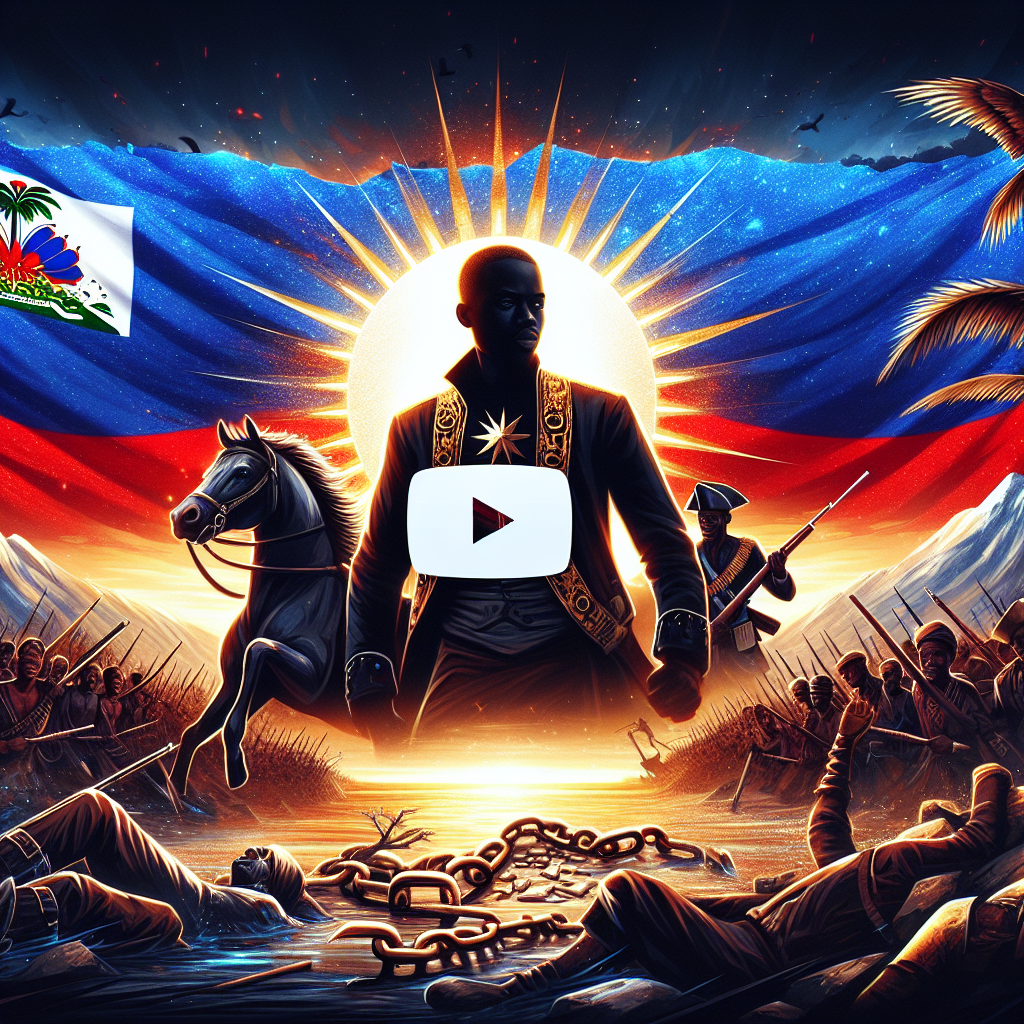

Discover the hidden agenda behind Haiti's 'vote' - a foreign actors' business deal masquerading as an election. Read more.
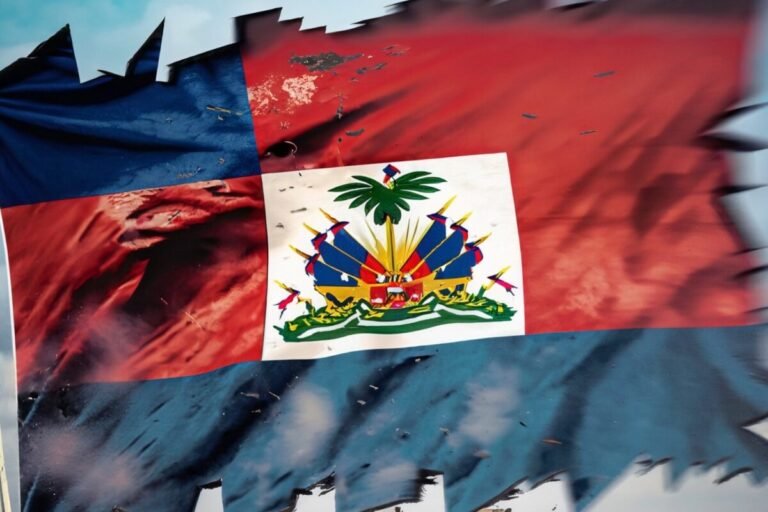
Haiti’s electoral process has long been a subject of controversy, with many questioning the integrity of the democratic system. Foreign interference has played a significant role in shaping the country’s political landscape.
The influence of external actors on Haiti’s democracy promotion efforts has raised concerns about the legitimacy of the electoral process. As a result, the true will of the Haitian people may be overshadowed by the interests of foreign powers.
Understanding Haiti’s current political situation requires a look into its past, particularly the impact of colonial and post-colonial interventions. Haiti’s history is complex, with various foreign powers influencing its development.
The legacy of colonialism in Haiti has had a lasting impact on its political landscape. As a former French colony, Haiti gained independence in 1804 after a successful slave revolt. However, this independence came with significant economic burdens, including a hefty indemnity paid to France, which has contributed to Haiti’s ongoing economic struggles.
Post-colonial interventions have also played a significant role in shaping Haiti’s political environment. Various foreign powers, including the United States, have intervened in Haiti’s affairs, often to protect their own interests. This has led to a legacy of political instability and dependency on external forces.
The assassination of President Jovenel Moïse in 2021 marked a significant turning point in Haiti’s political instability. The event triggered a power vacuum, exacerbating existing political tensions and gang violence. The international community has been involved in attempts to stabilize the situation, but the road to recovery remains challenging.
| Year | Event | Impact |
|---|---|---|
| 1804 | Haiti gains independence | Established as the first independent black nation |
| 2021 | Assassination of President Jovenel Moïse | Power vacuum and increased political instability |
As highlighted by a former Haitian politician,
“The international community’s actions often undermine Haiti’s sovereignty, perpetuating a cycle of dependency.”
This statement underscores the need to understand Haiti’s political history to address its current challenges effectively.
Understanding the intricacies of Haiti’s electoral system requires a deep dive into its constitutional underpinnings and governance architecture. The Haitian electoral system is designed to facilitate democratic participation, but its effectiveness is influenced by various factors.
Haiti’s constitutional framework outlines the structure and function of its electoral system. The Constitution establishes the principles for elections, including the eligibility criteria for voters and candidates, and the roles of different governance structures. The governance structures, including the Conseil Electoral Provisoire (CEP), play a crucial role in organizing and overseeing elections.
| Governance Structure | Role in Electoral Process |
|---|---|
| Conseil Electoral Provisoire (CEP) | Organizes and oversees elections |
| Ministry of Interior | Supports logistical aspects of elections |
Despite the constitutional framework, systemic barriers hinder democratic participation in Haiti. These barriers include limited access to voting stations, a lack of voter education, and political violence. Such challenges undermine the legitimacy of the electoral process and discourage citizen participation.
The notion of democratic elections in Haiti is frequently touted, yet the reality is marred by systemic voter suppression and external manipulation. This disparity between appearance and reality is crucial to understanding the complexities of Haiti’s political landscape.
Voter suppression in Haiti is a multifaceted issue, involving both systemic barriers and deliberate actions that disenfranchise large segments of the population. Restrictive voter registration laws and limited access to polling stations are just a few of the obstacles that prevent citizens from participating in the electoral process.
| Barrier | Description | Impact |
|---|---|---|
| Registration Laws | Complex and restrictive registration processes | Reduced voter turnout |
| Polling Station Access | Limited availability and accessibility of polling stations | Increased disenfranchisement |
International observers are often invited to monitor elections in Haiti, supposedly to ensure the integrity of the process. However, their presence can also be seen as a form of validation for an electoral process that may be fundamentally flawed. The effectiveness and motives of these observers are subjects of ongoing debate.
Their role is complex, walking a fine line between ensuring electoral integrity and inadvertently legitimizing a process that may be compromised by external influences and local corruption.
Foreign actors play a crucial role in determining Haiti’s political trajectory. The influence of these external forces is multifaceted, impacting various aspects of Haitian governance and political stability.
The United States has historically been a significant player in Haitian politics. Recently, the US has adapted its policy approach, focusing on security cooperation and economic aid. This shift is evident in its support for Haitian security forces and humanitarian assistance programs.
The United Nations and international financial institutions, such as the IMF and World Bank, exert considerable influence through financial leverage and development programs. Their policies often shape Haiti’s economic and political landscape, sometimes with mixed results.
France and Canada, among other Western nations, continue to play significant roles in Haitian affairs. Their influence is seen through diplomatic efforts and foreign aid initiatives, which often align with broader Western strategic interests in the region.
The interplay of these foreign actors underscores the complexity of Haiti’s political environment. Understanding their roles is crucial for grasping the dynamics at play in Haiti’s political future.
Behind the veneer of democratic participation, Haiti’s elections are orchestrated by foreign powers to further their geopolitical and economic goals. This manipulation transforms the electoral process into a business deal, where the interests of foreign actors take precedence over the democratic aspirations of the Haitian people.
Foreign interference in Haiti’s elections is largely driven by extractive economic interests. The country’s rich natural resources, including gold, copper, and oil, make it an attractive target for foreign corporations and governments seeking to exploit these resources for their own benefit.
This economic motivation is a key factor in the “election illusion,” where the appearance of democratic participation masks the reality of foreign control.
Haiti’s strategic location in the Caribbean makes it a valuable geopolitical chess piece. Foreign powers, including the United States, France, and Canada, have significant interests in the region and view Haiti as a critical component of their geopolitical strategies.
Key geopolitical considerations include:
By influencing Haiti’s elections, foreign powers can shape the country’s political landscape to align with their broader geopolitical objectives, further entrenching their influence in the region.
Haiti’s political scene is increasingly influenced by the ‘democracy promotion’ industry, a complex network of NGOs, aid groups, and private security firms. This industry has grown significantly over the years, with various actors playing crucial roles in shaping Haiti’s political future.

Non-Governmental Organizations (NGOs) and aid organizations have become significant players in Haiti’s political landscape. They often operate under the guise of promoting democracy and providing humanitarian aid. However, their activities frequently extend into the political sphere, influencing electoral processes and governance structures. As Naomi Klein notes in her book “The Shock Doctrine,” “the disaster capitalism complex has found a way to profit from democracy promotion.”
“The international community’s approach to democracy promotion in Haiti has been criticized for being overly focused on short-term electoral goals rather than long-term democratic consolidation.”
Private contractors and security firms have also become integral to the ‘democracy promotion’ business in Haiti. These entities often provide security services, logistical support, and even technical assistance for electoral processes. Their involvement can sometimes blur the lines between promoting democracy and serving private interests. For instance, the use of private security firms in electoral processes can lead to concerns about the impartiality and integrity of the elections.
As we examine the role of these actors in Haiti’s political landscape, it becomes clear that the business of ‘democracy promotion’ is complex and multifaceted. Understanding these dynamics is crucial for grasping the challenges Haiti faces in its quest for genuine democratic governance.
Foreign political control in Haiti is inextricably linked with economic exploitation. The country’s rich natural resources and strategic location make it an attractive target for foreign actors seeking to expand their economic influence.
Haiti is endowed with significant natural resources, including gold, copper, and high-quality limestone. Foreign companies, often backed by their governments, are keen to exploit these resources. Land acquisition has become a critical issue, with foreign entities acquiring large tracts of land for mining, agriculture, and other purposes.
This not only leads to environmental degradation but also displaces local communities, further exacerbating social and economic inequalities.
Haiti’s economy is heavily burdened by debt dependency. The country has been subjected to numerous structural adjustment programs imposed by international financial institutions. These programs often prioritize debt repayment over social spending, hindering the country’s ability to invest in essential public services.
The cycle of debt dependency perpetuates Haiti’s economic vulnerability, making it susceptible to further exploitation by foreign actors.
The international community often invokes humanitarian reasons to justify intervention in Haiti, but what are the true motives behind these actions? Foreign intervention in Haiti has a long history, with humanitarian aid often serving as a pretext for deeper involvement.
Western media plays a significant role in shaping public perception of crises in Haiti. Crisis narratives are crafted to evoke an emotional response, often portraying Haiti as a country in perpetual need of rescue. This narrative can be misleading, as it oversimplifies complex issues and ignores the root causes of problems.
For instance, the portrayal of natural disasters in Haiti often focuses on the destruction rather than the resilience of the Haitian people. This skewed representation can lead to misguided policies that prioritize short-term fixes over long-term solutions.
The delivery of aid in Haiti has increasingly become militarized, with military forces often leading the response to humanitarian crises. While this approach may provide immediate relief, it can also undermine the efforts of local organizations and create dependency on foreign military presence.
The militarization of aid not only distorts the humanitarian landscape but also perpetuates a cycle of dependency, hindering Haiti’s ability to develop its own capacity to respond to crises.
The struggle for sovereignty in Haiti is being led by grassroots movements and intellectuals who are resisting foreign control. For decades, Haiti has been subject to various forms of foreign intervention, from political manipulation to economic exploitation. However, Haitians are not passive recipients of these actions; they are actively organizing and advocating for their rights and self-determination.
Grassroots movements in Haiti are at the forefront of the resistance against foreign domination. These movements, often led by local community organizers, are pushing back against the influence of foreign powers and demanding greater control over Haiti’s political and economic destiny. They are mobilizing communities, raising awareness about the impacts of foreign intervention, and advocating for policies that benefit Haitians rather than foreign interests.

Alongside grassroots movements, Haitian intellectuals and cultural leaders are playing a crucial role in the resistance against foreign domination. Through literature, art, and media, they are challenging the narratives that justify foreign intervention and promoting a vision of Haitian sovereignty and self-determination. Their work is not only resisting foreign cultural influences but also reclaiming and celebrating Haitian identity and culture.
By combining grassroots activism with intellectual and cultural resistance, Haitians are presenting a powerful challenge to foreign domination and working towards a more sovereign and equitable future.
Haiti’s electoral landscape has been shaped significantly by foreign actors, leading to numerous controversies. To understand the depth of this issue, it’s crucial to examine specific case studies that highlight the transactional nature of Haiti’s elections.
The 2010-2011 Haitian election was marked by significant controversy, particularly surrounding the involvement of the Clinton Foundation. The Foundation’s role in Haiti, ostensibly focused on reconstruction and development, raised questions about the intertwining of political and economic interests. Critics argued that the Foundation’s influence contributed to the election of certain candidates who were favourable to foreign interests.
A detailed analysis of the Clinton Foundation’s activities during this period reveals a complex web of financial and political transactions. The table below summarizes key aspects of the controversy.
| Aspect | Description | Impact |
|---|---|---|
| Clinton Foundation’s Role | Reconstruction and Development | Influence on Electoral Outcome |
| Financial Transactions | Millions in Donations | Perception of Buying Influence |
| Political Influence | Support for Certain Candidates | Candidates Favourable to Foreign Interests |
The current electoral crisis in Haiti continues to be influenced by foreign actors proposing “solutions” that often serve their own interests. These proposals frequently involve electoral “observation” and “assistance” that can further entrench foreign control over Haiti’s political processes.
The imposition of foreign “solutions” to Haiti’s electoral crisis underscores the need for Haitian sovereignty and self-determination. It is essential to scrutinize these interventions to ensure they align with the genuine interests of the Haitian people rather than serving foreign agendas.
Ordinary Haitians bear the brunt of the electoral charade orchestrated by foreign actors. The consequences of this interference are far-reaching, affecting various aspects of their lives.
The manipulation of Haiti’s electoral processes by foreign entities leads to economic impoverishment. Policies favouring foreign interests over local needs result in widespread poverty and unemployment. For instance, foreign-backed economic policies have led to the displacement of local farmers, exacerbating food insecurity.
| Economic Indicator | Pre-Election | Post-Election |
|---|---|---|
| Unemployment Rate | 40% | 60% |
| Poverty Level | 60% | 75% |
Foreign interference also triggers migration crises. As economic conditions deteriorate due to foreign-backed political manipulation, many Haitians are forced to migrate. The chart above illustrates the stark reality of economic decline post-election. The human suffering is immense, with families separated and lives lost during perilous journeys to safer countries.
Haiti’s political landscape is a complex web of historical intervention, systemic barriers, and foreign influence. The electoral process, touted as a cornerstone of democracy, has been manipulated to serve the interests of foreign actors, perpetuating a cycle of foreign domination.
To break this cycle, it’s essential to understand the mechanisms of control, from voter suppression to economic exploitation. The legacy of colonial and post-colonial intervention has left Haiti vulnerable to external manipulation, with its sovereignty hanging in the balance.
Grassroots movements and voices of resistance within Haiti are crucial in challenging foreign domination. By supporting these initiatives and promoting a genuine understanding of Haitian sovereignty, there’s a potential pathway to breaking the cycle of foreign control and fostering a more equitable political environment.
The international community must recognize the illusion of democracy in Haiti and the detrimental impact of its actions. Only through a concerted effort to address these issues can Haiti begin to assert its true sovereignty, paving the way for a brighter future.
The article argues that Haiti’s electoral process is heavily influenced by foreign actors, turning it into a business deal that serves their interests rather than a genuine democratic process.
Historical events, particularly colonial and post-colonial interventions, have significantly shaped Haiti’s political landscape, contributing to the current instability and foreign influence.
Systemic barriers include voter suppression, disenfranchisement, and the overall structure of the electoral system, which hinder genuine democratic participation.
International observers are often present during Haiti’s elections, but their effectiveness and motives are questioned, with some arguing they legitimize a process that is not truly democratic.
The United States, the United Nations, international financial institutions, France, and Canada are among the key foreign actors influencing Haiti’s political landscape.
Extractive economic interests, including the exploitation of natural resources and land acquisition, drive foreign interference as these actors seek to further their economic agendas through political control.
The “business of democracy promotion” refers to how NGOs, aid organizations, and private contractors profit from promoting democracy in Haiti, often contributing to the illusion of a democratic process.
Foreign control leads to economic exploitation through the extraction of natural resources, land acquisition, and debt dependency, further impoverishing Haiti.
The human cost includes economic impoverishment and migration crises, as ordinary Haitians suffer the consequences of a political process that does not serve their interests.
Yes, there are grassroots movements, intellectuals, and cultural leaders in Haiti resisting foreign domination and advocating for sovereignty and genuine democratic processes.
The article examines the 2010-2011 election controversy involving the Clinton Foundation and the current electoral crisis, highlighting how foreign actors have influenced these processes.