Physical Address
304 North Cardinal St.
Dorchester Center, MA 02124
Physical Address
304 North Cardinal St.
Dorchester Center, MA 02124
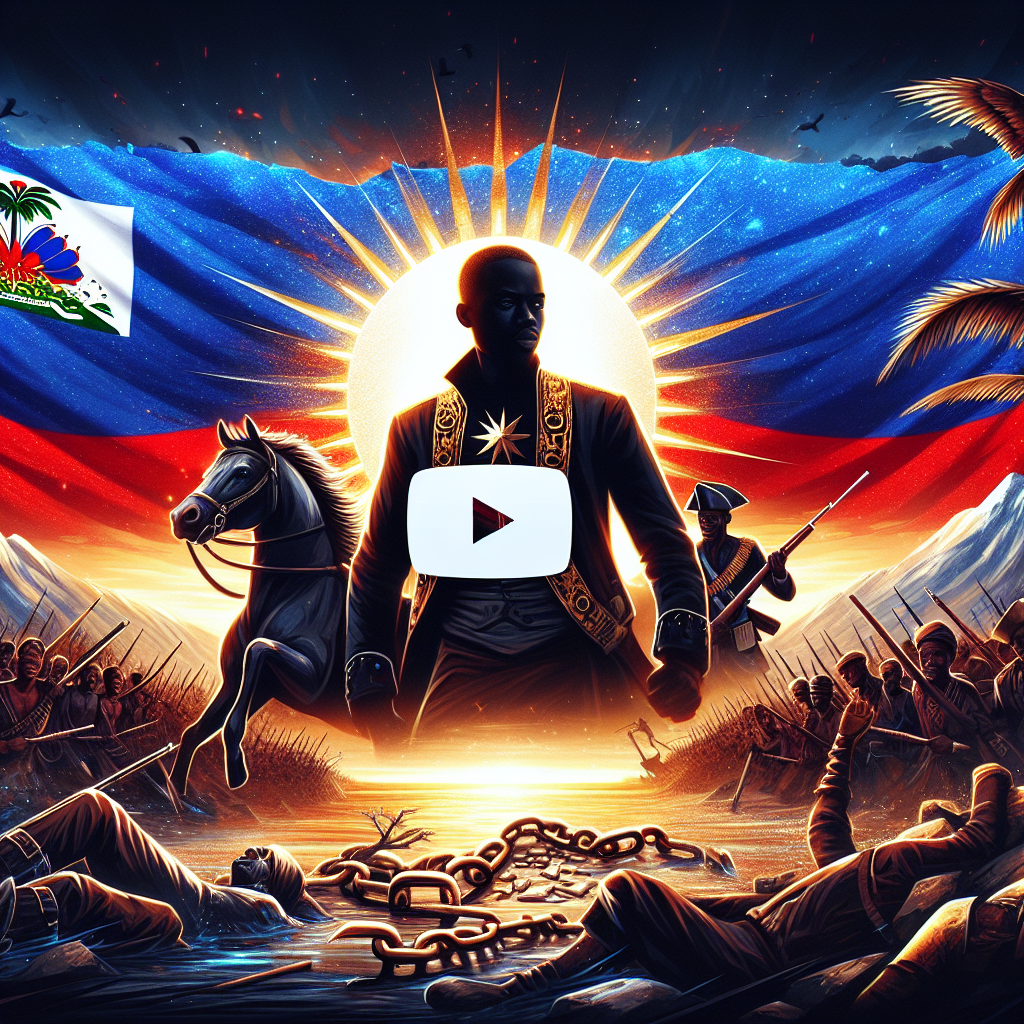
Explore Haiti's complex challenges and the urgent need to prioritize national interests over fanaticism and self-interest.
Haiti is at a critical juncture, facing numerous challenges that threaten its very existence. The Haitian crisis is multifaceted, involving political instability, economic hardship, and social unrest.
The need for national unity has never been more pressing. Haitian politics are characterized by division and strife, hindering progress and exacerbating the country’s problems.
To move forward, Haiti must transcend fanaticism and petty self-interest, embracing a collective vision for a better future. This requires a concerted effort from all stakeholders to prioritize the nation’s well-being over personal or sectarian interests.
Haiti stands at a critical juncture, grappling with a complex web of challenges that threaten its very foundation. The nation is beset on multiple fronts, with political instability, economic hardship, and social division creating a perfect storm that imperils its progress.
Haiti’s current crisis is characterized by a multitude of challenges. Political instability is a major concern, with frequent changes in government and a lack of trust in institutions. Additionally, the country faces significant economic challenges, including high inflation and unemployment, which further exacerbate the situation.
The cost of political instability and division in Haiti is profound. It not only hinders economic development but also affects the social fabric of the nation. The consequences include:
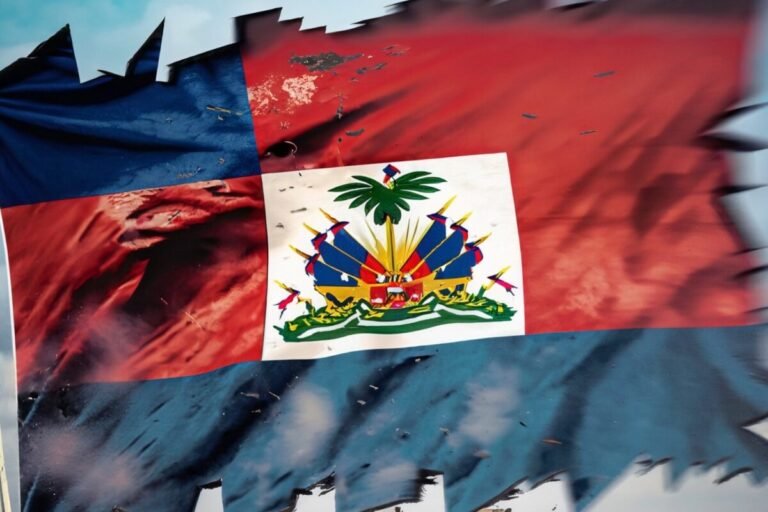
The image below illustrates the complexity of Haiti’s challenges.
The situation in Haiti demands a comprehensive approach to address the intertwined issues of political instability, economic hardship, and social division. By understanding the multifaceted nature of these challenges, stakeholders can begin to formulate effective solutions.
Understanding Haiti’s current challenges requires a look into its past, where the seeds of division were sown. The country’s history is a complex tapestry of political, social, and economic factors that have contributed to its current state.
The Haitian Revolution, a successful slave revolt that began in 1791, laid the groundwork for the modern nation. However, the early years were marked by power struggles and regional divisions. The fragmentation began with the division between the northern and southern regions, which had different economic and social structures. This early fragmentation set a precedent for future divisions.
Modern political fractures in Haiti have their roots in historical events. The Duvalier regime, which lasted from 1957 to 1986, created a culture of authoritarianism and repression. The table below summarizes key events that have contributed to Haiti’s political fractures.
| Event | Year | Impact |
|---|---|---|
| Haitian Revolution | 1791-1804 | Established Haiti as a sovereign nation but created early divisions. |
| US Occupation | 1915-1934 | Influenced Haitian politics and economy, creating dependency. |
| Duvalier Regime | 1957-1986 | Authoritarian rule that suppressed opposition and created long-term political instability. |
The legacy of these events continues to shape Haiti’s political landscape, contributing to the divisions that persist today.
Understanding the anatomy of fanaticism in Haiti requires examining its roots and manifestations across different spheres. Fanaticism, in its various forms, has significantly impacted Haitian society, often leading to division, strife, and stagnation.
One manifestation of fanaticism in Haiti is the prevalence of political cults of personality. These cults often revolve around charismatic leaders who garner intense loyalty from their followers. As Alex Dupuy notes, “The cult of personality surrounding some Haitian leaders has led to authoritarian tendencies and the suppression of dissent.” This phenomenon can hinder democratic progress and foster an environment of uncritical adherence to leadership.
Ideological extremism is another facet of fanaticism in Haiti. Extreme ideologies can lead to polarization and violence, undermining social cohesion. As
“Extremism in any form can be detrimental to a nation’s development, leading to conflict and instability.”
The consequences of such extremism are far-reaching, affecting not only political stability but also everyday life.
Religious and cultural divisions also play a significant role in Haitian fanaticism. Different religious groups and cultural practices sometimes lead to tensions and conflicts. For instance, the historical tension between Vodou practitioners and other religious groups has contributed to societal divisions. Addressing these divisions requires a nuanced understanding of Haiti’s complex cultural landscape.
In conclusion, fanaticism in Haiti is a complex issue with deep roots in political, ideological, and cultural spheres. Understanding and addressing these factors is crucial for promoting national unity and progress.
Haiti’s development is being hindered by a destructive pattern of prioritizing self-interest over the greater good. This phenomenon is not new but has become increasingly entrenched, affecting various aspects of Haitian society and governance.
The elite in Haiti have historically captured a significant portion of the country’s resources and power, often to the detriment of the broader population. This elite capture manifests in various ways, including the monopolization of economic opportunities, political positions, and social influence. As a result, policies and decisions are frequently made to benefit a small, privileged group rather than the nation as a whole.
The consequences of elite capture are multifaceted, including the stifling of economic growth, the perpetuation of inequality, and the erosion of trust in institutions. For instance, when resources are controlled by a few individuals, it limits opportunities for others and creates a cycle of dependency and poverty.
The focus on short-term gains is another aspect of the destructive pattern in Haiti. Decisions are often made to achieve immediate benefits, even if they compromise long-term development. This is evident in practices such as unsustainable environmental exploitation and the mismanagement of public funds.
To illustrate the impact of prioritizing short-term gains, consider the following comparison:
| Aspect | Short-Term Focus | Long-Term Development |
|---|---|---|
| Economic Strategy | Exploiting natural resources for immediate revenue | Sustainable management of resources for future generations |
| Political Decisions | Making populist decisions to maintain power | Implementing policies that ensure stable, long-term growth |
| Social Programs | Providing temporary relief to maintain social peace | Investing in education and healthcare for sustainable human development |
By understanding the differences between short-term gains and long-term development strategies, Haiti can begin to shift towards a more sustainable and equitable path forward. This requires a concerted effort to address the entrenched self-interest and elite capture that have held the country back for so long.
The very existence of Haiti as a stable nation is under threat from the forces of fanaticism and petty self-interest. For too long, these divisive elements have hindered Haiti’s progress, perpetuating a cycle of instability and underdevelopment. It is imperative that Haitians now come together to prioritize the nation’s well-being above personal or sectarian interests.
Haiti faces a multitude of challenges, from economic stagnation to environmental degradation. However, the most pressing issue is the erosion of national unity. Fanaticism, in its various forms, has created deep divisions within Haitian society, undermining the social cohesion necessary for addressing the country’s problems. The consequences of continued division are dire, threatening not only the stability of the nation but also the very fabric of Haitian identity.
The existential threat to Haiti’s future is not just a matter of political instability; it encompasses the broader implications of a society torn apart by competing interests and ideologies. The lack of a unified vision for Haiti’s future has led to a paralysis in decision-making, hindering the implementation of policies that could address the country’s pressing issues.
The opportunity cost of Haiti’s continued division is staggering. By prioritizing national unity, Haiti could unlock significant potential for development and progress. A unified Haiti would be better positioned to attract foreign investment, leveraging its strategic location and natural resources to drive economic growth.
Moreover, national unity would enable Haiti to more effectively address its social challenges, including poverty, education, and healthcare. By working together towards common goals, Haitians can build a more prosperous and equitable society, ensuring a brighter future for generations to come.
In conclusion, Haiti can no longer afford the luxuries of fanaticism and petty self-interest. The nation must come together, prioritizing unity and collective progress over division and personal gain.
Haiti’s path to stability is intertwined with its international relationships and the influence of foreign powers. The country’s history has been marked by significant foreign intervention, which has had lasting impacts on its development.
Haiti has experienced numerous instances of foreign interference throughout its history. From the early 20th century, the United States occupied Haiti from 1915 to 1934, exerting control over the country’s finances and infrastructure. This period had a profound impact on Haiti’s political and economic structures.
Key historical events include:
Today, Haiti continues to navigate complex international relations, with a significant reliance on foreign aid. This dependency has both positive and negative consequences. On one hand, aid has helped address immediate humanitarian needs; on the other hand, it has created a culture of dependency and undermined local capacities.
Aid dependency is a critical issue, as it can hinder Haiti’s ability to develop sustainable economic practices. The international community must balance providing necessary assistance with empowering Haitian institutions.

The relationship between Haiti and the United States is multifaceted, involving cooperation on security, trade, and humanitarian issues. While there are challenges, there are also opportunities for collaboration that could benefit both countries.
Opportunities for improvement include:
By understanding the complexities of their relationship, Haiti and the U.S. can work towards mutually beneficial outcomes.
The persistent political instability in Haiti has far-reaching consequences for its economy. The lack of a unified political front has led to an uncertain economic environment, affecting various aspects of the country’s development.
Political fragmentation has created an unfavourable investment climate in Haiti. Investors are deterred by the lack of stability and predictability in governance, leading to a decrease in foreign direct investment. This uncertainty hampers business growth and economic development.
The ongoing political instability has resulted in a significant brain drain, as many of Haiti’s skilled professionals seek opportunities abroad. This loss of talent not only affects the current economic situation but also diminishes the country’s potential for future growth.
Political instability perpetuates poverty in Haiti by hindering economic progress and limiting access to resources. The lack of a stable government makes it challenging to implement effective poverty reduction strategies, trapping a significant portion of the population in poverty.
The economic consequences of Haiti’s political fragmentation are profound, affecting not only the investment climate and human capital but also perpetuating cycles of poverty. Addressing these challenges requires a concerted effort to stabilize the political environment and foster economic growth.
Haiti’s ongoing crisis is not just political; it’s also deeply personal, affecting the daily lives of its citizens. The division and instability have profound effects on the social fabric of the nation, influencing everything from community cohesion to access to basic services.
The fragmentation within Haitian society has led to a breakdown in community structures, resulting in heightened security concerns. Once tight-knit neighbourhoods are now fraught with tension and mistrust.
This breakdown is further exacerbated by the lack of effective governance, leaving security vacuums that are often filled by non-state actors, contributing to an atmosphere of fear and uncertainty.
The division also severely impacts the delivery of basic services such as healthcare, education, and sanitation. Infrastructure development is hindered by political instability, leaving many communities without access to essential services.
This not only affects human development indices but also perpetuates cycles of poverty and inequality, further straining the social fabric.
| Basic Service | Pre-Division Access | Post-Division Access |
|---|---|---|
| Healthcare | 80% | 40% |
| Education | 75% | 50% |
| Sanitation | 60% | 30% |
Despite the challenges, there are numerous stories of resilience and unity among Haitians. Communities are coming together to support one another, forming grassroots initiatives to address some of the pressing issues.
These stories highlight the strength of the Haitian people and their ability to find solidarity in the face of adversity, offering a glimmer of hope for the future.

The social fabric of Haiti, while under strain, is not beyond repair. By understanding the impacts of division and highlighting stories of unity, there is a pathway forward for healing and rebuilding.
The future of Haiti depends on its capacity to overcome fanaticism and petty self-interest through national unity. Achieving this unity requires a concerted effort across various sectors of Haitian society.
One crucial step towards national unity is building consensus around core national priorities. This involves identifying key areas that require collective action and ensuring that all stakeholders are aligned towards these goals. National dialogue is essential in this process, allowing different groups to come together and agree on priorities.
For instance, improving infrastructure, enhancing security, and promoting economic development are areas where consensus can lead to tangible progress. By focusing on these priorities, Haiti can begin to address some of its most pressing challenges.
Institutional reforms are vital for achieving inclusive governance, which is a cornerstone of national unity. This involves reforming institutions to ensure they are transparent, accountable, and representative of all Haitians. Inclusive governance helps in reducing inequality and promoting social cohesion.
| Institutional Reform | Objective | Expected Outcome |
|---|---|---|
| Judicial Reform | Enhance transparency and accountability | Improved trust in the justice system |
| Electoral Reform | Ensure free and fair elections | Increased citizen participation in democracy |
| Public Administration Reform | Improve efficiency and reduce corruption | Better delivery of public services |
There are several models of national reconciliation that Haiti can draw upon. For example, countries like South Africa and Rwanda have implemented successful reconciliation programs after periods of conflict. These models can provide valuable lessons for Haiti as it seeks to heal its own divisions.
By studying these models and adapting them to the Haitian context, the country can develop a robust framework for national reconciliation. This framework should include mechanisms for truth-telling, reparations, and institutional reforms to prevent future conflicts.
Haitian civil society and the diaspora are pivotal in shaping the country’s future. Their contributions have become increasingly vital as Haiti navigates its complex challenges.
The synergy between civil society and the diaspora is fostering a new era of cooperation and development. Grassroots movements, in particular, are playing a crucial role in promoting national cohesion.
Grassroots movements are essential in uniting communities and promoting collective action. These movements address various issues, from environmental concerns to social justice, and are vital in rebuilding the social fabric of Haiti.
The Haitian diaspora’s contributions extend far beyond financial remittances. They are involved in various initiatives, including education, healthcare, and infrastructure development, which are crucial for Haiti’s long-term development.
Haiti’s youth, empowered by digital technologies, are emerging as leaders in their communities. Their innovative approaches and fresh perspectives are critical in driving change and ensuring that Haiti’s development is inclusive and sustainable.
The combined efforts of civil society, the diaspora, and the youth are setting the stage for a more cohesive and progressive Haiti. Their work is a testament to the power of collective action and the potential for positive change.
Haiti stands at a critical juncture, where the path chosen will determine its future. The country’s history of division and strife has hindered its progress, annational unity must becomees the guiding principle for its people.
To achieve this, Haitians must put their country first, transcending the petty squabbles and fanaticism that have held them back. By doing so, they can unlock the potential for sustainable development and a brighter future.
The journey towards national unity requires a collective effort, with all stakeholders working together to address the country’s pressing challenges. It demands a shift from self-interest to a broader understanding of what is best for Haiti’s future.
By prioritizing national unity and putting the country first, Haiti can overcome its current crises and build a more prosperous and stable society. The future of Haiti depends on the actions taken today, and it is time for its people to come together and shape a better tomorrow.
Haiti is currently grappling with a multitude of challenges, including political instability, economic hardship, and social division, all of which are intertwined and exacerbate one another.
Historical foreign interference has played a significant role in shaping Haiti’s trajectory, often to the detriment of its sovereignty and self-determination, contributing to the complexities of its current situation.
The political fragmentation in Haiti has severe economic consequences, including a poor investment climate, business uncertainty, brain drain, and the perpetuation of poverty, all of which hinder the country’s development.
Division has a profound impact on the daily lives of Haitians, leading to community breakdown, security concerns, and challenges in accessing basic services, which in turn affect human development and overall well-being.
Haitian civil society and the diaspora are crucial in promoting national unity through grassroots movements, contributions beyond remittances, and youth leadership, offering pathways to cohesion and progress.
Achieving national unity in Haiti can be facilitated through building consensus around core national priorities, implementing institutional reforms for inclusive governance, and drawing on successful models of national reconciliation.
Haiti must transcend fanaticism and petty self-interest as these phenomena pose an existential threat to the country’s future, hindering its ability to achieve long-term development and progress.
Institutional reforms can significantly contribute to inclusive governance in Haiti by ensuring that all segments of society have a voice and are represented, thereby fostering a more equitable and just society.