Physical Address
304 North Cardinal St.
Dorchester Center, MA 02124
Physical Address
304 North Cardinal St.
Dorchester Center, MA 02124

Uncover the blueprint for solutions in Haiti's imperial past and discover how it can address today's challenges.
Haiti’s rich history is often overlooked, yet it holds valuable lessons for addressing modern challenges. During its imperial period, Haiti was a significant player on the world stage, with a complex and fascinating history that can inform our understanding of today’s issues.
By examining Haiti’s imperial past, we can uncover historical solutions that may help us tackle contemporary problems. This historical context can provide a unique perspective on how to address the challenges we face today.
During Haiti’s imperial era, the country witnessed the ascension of leaders who left lasting impacts on its governance and policies. This period was marked by significant historical events that shaped the nation’s development.
Jean-Jacques Dessalines played a crucial role in Haiti’s transition from a revolutionary state to an imperial power. His leadership was characterized by strong centralized authority and the implementation of policies aimed at consolidating power.
Dessalines’ ascension to emperor marked a new era in Haitian history, transitioning the country from a revolutionary state to an imperial power. This transition was significant as it brought about a change in governance structures.
Under Dessalines, Haiti adopted a range of governing principles and policies aimed at strengthening the nation. These included military reforms and economic strategies designed to promote stability and growth.
Henri Christophe, another key figure of Haiti’s imperial era, ruled over the northern part of Haiti, establishing the Kingdom of Haiti. His reign was notable for its administrative innovations and efforts to modernize the country’s infrastructure.
Christophe’s establishment of the Kingdom of Haiti represented a unique experiment in governance, with a focus on creating a monarchical system that was distinct from the rest of Haiti.
Under Christophe, Haiti saw the introduction of various administrative innovations, including the creation of a nobility system and infrastructure development projects. These initiatives were aimed at strengthening the kingdom’s foundations.
Haiti’s journey after independence was fraught with difficulties that impacted its economic and social fabric. The newly independent nation faced significant hurdles in rebuilding its economy and establishing a stable government.
The process of economic rebuilding was a daunting task. Haiti had to navigate the complexities of establishing a new economy, free from the shackles of colonial rule. The destruction caused by the revolution, coupled with the loss of human capital and infrastructure, made this task even more challenging.
International isolation further exacerbated Haiti’s post-revolution challenges. The international community’s reluctance to recognize Haiti’s sovereignty and the subsequent economic embargoes hindered the nation’s ability to engage in global trade and access much-needed resources.
The imperial governance of Haiti was characterized by a blend of centralized authority and innovative administrative practices. This unique blend was crucial in shaping the country’s early development and addressing the challenges that arose during its imperial period.
Under the imperial rule, Haiti adopted centralized authority models that concentrated power in the hands of the emperor. This approach allowed for swift decision-making and a unified national policy, which were essential for a newly independent nation facing internal strife and external pressures.
The imperial period was also marked by significant administrative innovations. These innovations were designed to improve governance and ensure the effective administration of the country.
One of the key administrative innovations was the establishment of efficient provincial management systems. These systems enabled the central government to maintain control over various regions of Haiti, ensuring that imperial decrees were enforced uniformly across the territory.
To prevent the abuse of power, the imperial governance structure incorporated checks and balances. Although the emperor held significant authority, there were mechanisms in place to ensure that power was not concentrated in a single individual or entity, thus promoting a more balanced governance.
The combination of centralized authority and administrative innovations during Haiti’s imperial period provides valuable insights into effective governance models. By examining these historical structures, we can better understand the complexities of governance and the importance of balancing centralized power with administrative efficiency.
The economic policies implemented during Haiti’s imperial era were pivotal in shaping the nation’s future. Emperors Jean-Jacques Dessalines and Henri Christophe introduced a range of economic reforms aimed at rebuilding the nation after the revolution.
A key aspect of the economic policies was the agricultural reforms. These reforms included significant changes in land distribution and crop diversification.
The emperors implemented land distribution strategies to ensure that the land was used productively. “Land to the tiller” was a principle that guided the distribution, aiming to increase agricultural productivity.
Crop diversification was another critical initiative. By promoting the cultivation of various crops, the emperors sought to reduce dependence on a single crop and enhance food security. As noted by historians,
“The diversification of crops was a strategic move to stabilize the economy and ensure food self-sufficiency.”
The emperors also focused on trade strategies and international commerce. They navigated the challenges of international embargoes while building regional trade networks.
Haiti faced significant international pressure, including embargoes imposed by European powers. The emperors employed diplomatic strategies to mitigate the effects of these embargoes.
In addition to navigating embargoes, the emperors worked to establish regional trade networks. This involved fostering relationships with neighbouring countries and engaging in mutually beneficial trade agreements.
The economic policies of Haiti’s emperors were comprehensive, addressing both agricultural development and international trade. These strategies played a crucial role in shaping the nation’s economic trajectory.
Haiti’s emperors recognized the importance of education in shaping the nation’s future. During their reign, significant strides were made in establishing a robust educational framework.
The imperial era saw the establishment of national schools aimed at providing education to the masses. These institutions were crucial in disseminating knowledge and fostering a sense of national identity among Haitians.
In addition to establishing schools, the emperors also initiated literacy programs to improve reading and writing skills across the population. Cultural development programs were also launched to preserve Haiti’s rich heritage and promote arts and culture.
These educational initiatives played a vital role in nation-building, equipping citizens with the knowledge and skills necessary to contribute to the country’s development.
The military organization during Haiti’s imperial era played a crucial role in establishing a robust national defence system. This period saw significant developments in the structure and strategy of Haiti’s military forces.
The imperial army was formed to protect the sovereignty and territorial integrity of Haiti. Emperor Jean-Jacques Dessalines initiated the process of creating a disciplined and organized military force. The army’s primary role was to defend the nation against external threats and maintain internal stability.
Haiti’s imperial rulers also focused on developing fortification systems to enhance national defence. These systems included the construction of strategic fortifications, such as the Citadelle Laferrière, to protect the country from potential invasions.
The Citadelle Laferrière, a UNESCO World Heritage site, is a testament to the defensive architecture of Haiti’s imperial period. This massive fortification was designed to withstand enemy attacks and served as a symbol of Haitian resistance and strength. Its strategic location and robust construction made it a key component of Haiti’s national defence strategy.

By examining Haiti’s imperial period, we can uncover valuable insights into effective governance models. The historical context of Haiti’s imperial era provides a rich source of information for addressing contemporary challenges.
The imperial governance structures established during Haiti’s imperial period offer significant lessons for modern governance. For instance, the centralized authority models implemented by Emperor Jean-Jacques Dessalines and Emperor Henri Christophe demonstrate the importance of strong leadership in times of crisis.
“A strong and effective government is not merely about maintaining power, but about creating a stable and prosperous society for its citizens.”
A key aspect of these governance models was their ability to adapt to the needs of the population. As shown in the table below, the imperial governance structures were characterized by a strong central authority, administrative innovations, and a focus on national defence.
| Governance Aspect | Imperial Era Characteristics |
|---|---|
| Central Authority | Strong leadership, centralized decision-making |
| Administrative Innovations | Reorganization of administrative divisions, creation of new institutions |
| National Defense | Establishment of a strong military, fortification systems |
Adapting the historical governance models to modern contexts requires a nuanced understanding of their strengths and weaknesses. For example, while the centralized authority models were effective in maintaining order, they also limited democratic participation.
Modern applications of these historical lessons can involve balancing strong leadership with democratic principles. This can be achieved by implementing governance structures that are both effective and responsive to the needs of the population.
In conclusion, Haiti’s imperial period offers valuable historical lessons for modern governance. By studying these lessons and adapting them to contemporary contexts, we can develop more effective governance models.
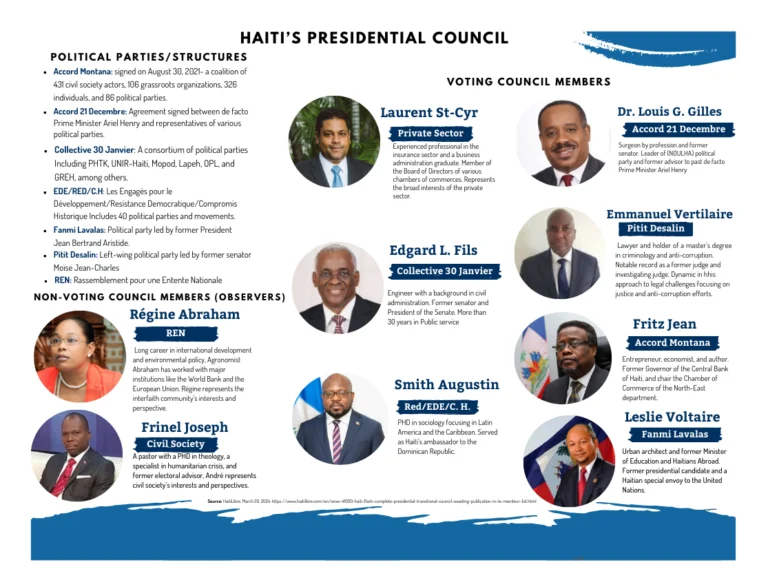
The modern-day challenges facing Haiti are multifaceted, involving political instability, economic struggles, and developmental barriers. These issues are deeply intertwined, complicating efforts to address them effectively.
Haiti’s political landscape is characterized by instability and governance challenges. Two significant factors contributing to this instability are leadership vacuums and power struggles, as well as constitutional challenges.
The absence of strong, stable leadership has led to power vacuums, which in turn have fueled political instability. Power struggles among various factions have hindered the country’s ability to move forward.
Haiti has faced numerous constitutional challenges, including issues related to the legitimacy and effectiveness of its governmental structures. These challenges have impacted the country’s ability to govern effectively.
Economic struggles are another significant challenge facing Haiti. Key issues include infrastructure deficiencies and foreign aid dependency.
The lack of adequate infrastructure hampers economic development. This includes poor road networks, inadequate energy supply, and insufficient water and sanitation facilities.
Haiti’s heavy reliance on foreign aid has created dependency, undermining efforts to develop self-sufficient economic models. This dependency also complicates the country’s ability to make independent economic decisions.
To illustrate the complexity of Haiti’s challenges, consider the following table that summarizes some of the key issues:
| Challenge | Description | Impact |
|---|---|---|
| Political Instability | Frequent changes in government, power struggles | Hinders long-term planning and development |
| Economic Struggles | Poor infrastructure, lack of investment | Slows economic growth, increases poverty |
| Foreign Aid Dependency | Over-reliance on external aid | Undermines self-sufficiency, complicates independent decision-making |
Haiti’s imperial era offers valuable lessons for modern governance. The historical context of Haiti’s imperial period provides insights into effective governance structures and strategies that can be adapted to address contemporary challenges.

The imperial era was characterized by a centralized authority, which had both positive and negative impacts on governance. On one hand, a strong central authority enabled swift decision-making and implementation of policies. On the other hand, it often led to authoritarianism and suppressed democratic participation.
To apply imperial-era solutions effectively, it’s crucial to strike a balance between centralized authority and democratic principles. This involves creating governance structures that are both efficient and inclusive.
Strengthening institutions is vital for effective governance. This can be achieved by establishing clear lines of authority, promoting transparency, and ensuring accountability within government agencies.
The imperial era saw the establishment of administrative systems that were innovative for their time. These systems can serve as a model for building effective administrative structures today.
Local governance models that were implemented during the imperial era can be adapted to enhance decentralization and community participation in modern governance.
Implementing robust accountability mechanisms is essential for ensuring that power is not abused and that governance is transparent and responsive to the needs of the citizens.
Haiti’s economic future can be shaped by understanding its imperial past. The country’s history offers valuable lessons that can inform modern economic strategies, particularly in agriculture and economic self-sufficiency.
Agricultural development was a cornerstone of Haiti’s imperial era, with innovative practices that can be revisited today. Sustainable farming practices were encouraged during the imperial period, ensuring long-term productivity.
Sustainable farming involves techniques that preserve soil health, conserve water, and minimize environmental impact. By adopting these practices, Haiti can improve crop yields and reduce its reliance on imported goods.
Diversifying export crops can help Haiti stabilize its economy and make it less vulnerable to global market fluctuations. Historical records show that during the imperial era, Haiti successfully exported a variety of crops, including coffee, sugar, and indigo.
Building a self-sufficient economy was a key goal during Haiti’s imperial period. This involved reducing import dependency and developing domestic industries.
By promoting domestic production, Haiti can reduce its reliance on foreign goods. This can be achieved through policies that support local businesses and encourage the production of goods that are currently imported.
Developing domestic industries not only creates jobs but also stimulates economic growth. Historical examples show that during the imperial era, Haiti had a thriving manufacturing sector, producing goods such as textiles and construction materials.
By applying these historical lessons, Haiti can move towards economic revitalization and build a more self-sufficient economy.
Nation-building in Haiti can be significantly enhanced by leveraging the country’s historical pride and cultural identity. The rich cultural heritage of Haiti is a powerful tool for fostering unity and national cohesion.
Historical pride can be a unifying force in Haiti, promoting a sense of shared identity and purpose. National symbols and shared heritage play a crucial role in this process, serving as tangible reminders of the nation’s history and achievements.
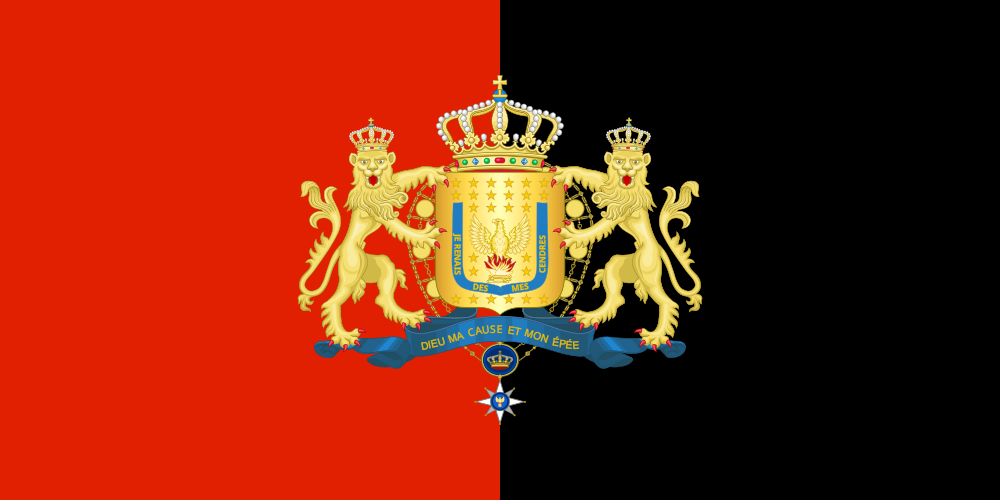
National symbols such as the Haitian flag and the emblem of the nation are not just representations of the country; they embody the spirit and values of the Haitian people. These symbols can be used to promote unity and a sense of belonging among citizens.
Educational curriculum development is another critical area where historical pride can be leveraged. By incorporating the history and cultural achievements of Haiti into school curricula, young Haitians can develop a deeper appreciation for their heritage.
Educational reform inspired by imperial models can also contribute to nation-building in Haiti. Universal education access and technical and vocational training are key components of such reforms, aimed at equipping the population with the skills needed for economic development.
Ensuring that all Haitians have access to quality education is fundamental to building a knowledgeable and skilled population. This can help drive economic growth and social stability.
Technical and vocational training programs can provide Haitians with the practical skills needed to participate in the economy, fostering economic self-sufficiency and development.
Haiti’s journey through its imperial period offers valuable lessons for its democratic future. By examining the governance structures, economic policies, and cultural initiatives of the past, we can identify potential solutions to contemporary challenges.
The imperial era, marked by the reigns of Emperor Jean-Jacques Dessalines and Emperor Henri Christophe, demonstrates the importance of strong leadership and strategic planning in shaping a nation’s trajectory. As Haiti continues to navigate its democratic path, understanding the successes and challenges of its imperial past can inform decision-making and policy development.
Bridging Haiti’s imperial past with its democratic future requires a nuanced approach, balancing historical context with modern needs. By leveraging the insights gained from this historical period, Haiti can strengthen its democratic institutions, promote economic growth, and foster a sense of national unity.
Ultimately, the story of Haiti’s imperial era serves as a reminder that the past can be a powerful guide for building a more resilient and prosperous future.
Haiti’s imperial period, which saw the rise of leaders like Jean-Jacques Dessalines and Henri Christophe, was significant because it shaped the country’s governance, economy, and culture, offering valuable lessons for today’s challenges.
Haiti’s emperors implemented various economic policies, including agricultural reforms and trade strategies, to rebuild the economy after independence, such as land distribution and crop diversification initiatives.
During the imperial period, Haiti saw the introduction of centralized authority models, provincial management systems, and checks and balances in governance, which helped to strengthen the administrative framework.
The imperial era saw the establishment of national schools and programs aimed at improving literacy and cultural development, highlighting the importance of education in nation-building.
The creation of the imperial army and the development of fortification systems, such as the Citadelle Laferrière, demonstrate the significance of a strong national defence in maintaining sovereignty.
By studying the governance models, economic policies, and administrative innovations of Haiti’s imperial period, valuable lessons can be drawn to inform and strengthen modern governance and economic development.
Haiti faces challenges such as political instability, governance issues, economic struggles, and development barriers, including infrastructure deficiencies and foreign aid dependency.
Solutions from Haiti’s imperial era, such as centralized authority models and administrative innovations, can be adapted to modern contexts, offering insights into balancing authority with democratic principles and building effective administrative systems.
Leveraging historical pride and cultural identity can be a powerful tool for nation-building in Haiti, through the use of national symbols, shared heritage, and educational curriculum development.
Historical lessons from Haiti’s imperial period, such as agricultural development strategies and building self-sufficient economic models, can inform economic revitalization efforts, including sustainable farming practices and reducing import dependency.