Physical Address
304 North Cardinal St.
Dorchester Center, MA 02124
Physical Address
304 North Cardinal St.
Dorchester Center, MA 02124

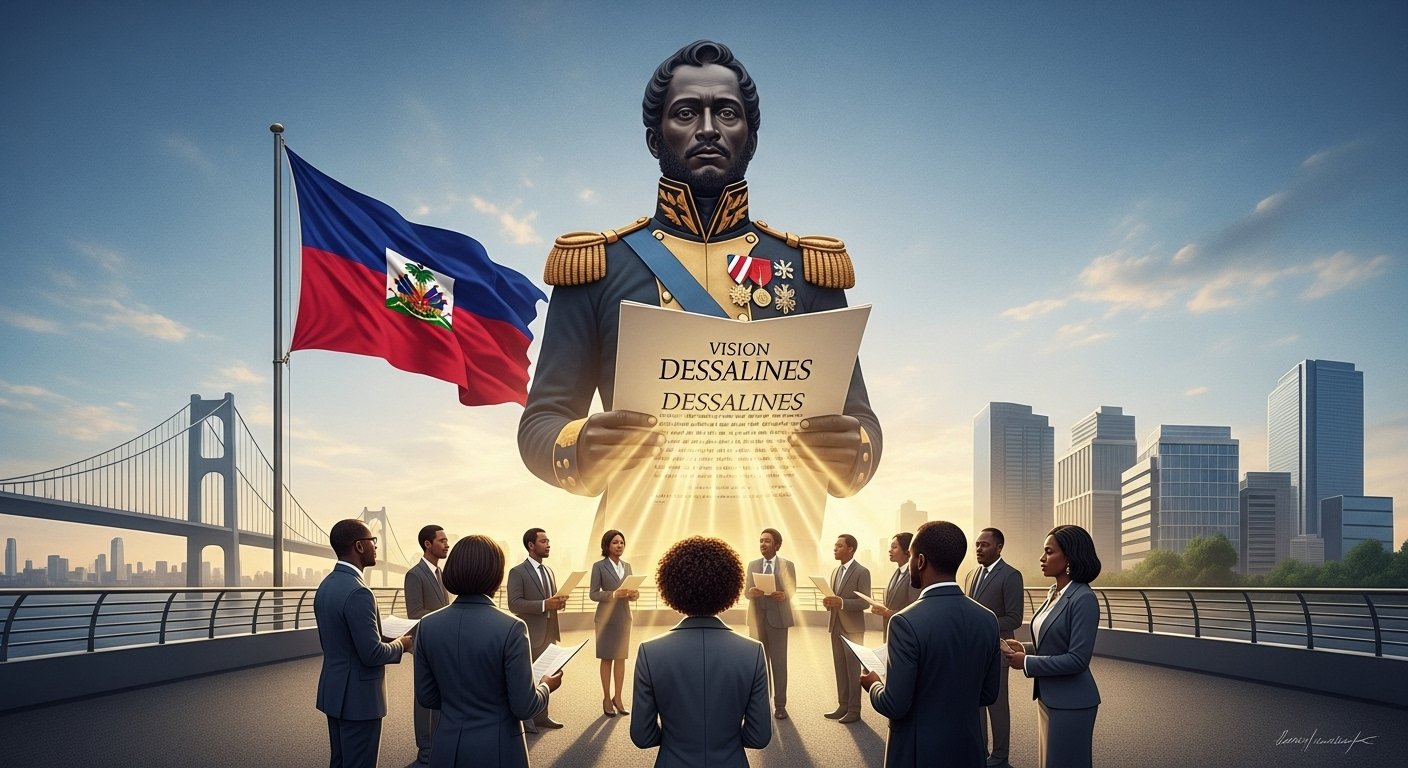
Discover why Haitians delay change despite Dessalines' clear path for progress in "The Blueprint Ignored"
The Haitian Revolution was a pivotal moment in history, marking Haiti’s independence from colonial rule. At the forefront of this revolution was Dessalines, a visionary leader who played a crucial role in shaping the country’s future.
Despite Dessalines’ vision for a unified and independent Haiti, the country has struggled to implement meaningful change. This raises important questions about the factors contributing to this delay and how Haitians can move forward.
Understanding Dessalines’ blueprint requires examining the historical context of the Haitian Revolution. The revolution was a pivotal event that shaped the nation’s future and laid the groundwork for Dessalines’ vision.
The Haitian Revolution was a complex and multifaceted struggle that transformed a slave society into an independent nation. It was characterized by brutal suppression and fierce resistance.
The revolution began as a slave revolt in 1791, evolving into a full-scale conflict that involved various factions, including French colonizers, slaves, and free people of color. The struggle for independence was marked by significant milestones, including the Battle of Vertières in 1803, which led to Haiti’s declaration of independence on January 1, 1804.
Haiti’s independence was not only a triumph over colonial rule but also the birth of the first black republic in the world. This achievement had profound implications for the global community, challenging the status quo of slavery and racial hierarchy.
Dessalines emerged as a key leader during the Haitian Revolution, known for his military prowess and strategic thinking. His rise to power was marked by significant achievements on the battlefield and his ability to unite various factions.
Dessalines’ military achievements were instrumental in securing Haiti’s independence. He played a crucial role in several key battles, earning the respect and admiration of his peers. His political ascension was swift, becoming governor-general and later emperor.
In 1804, Dessalines was crowned Emperor Jacques I, marking the beginning of a new era in Haitian history. His coronation symbolized the consolidation of power and the establishment of a new political order.
| Event | Date | Significance |
|---|---|---|
| Start of the Haitian Revolution | 1791 | Slave revolt marking the beginning of the end of slavery |
| Battle of Vertières | 1803 | Decisive battle leading to Haiti’s independence |
| Dessalines’ Coronation | 1804 | Establishment of the Haitian Empire under Emperor Jacques I |
Dessalines envisioned a Haiti that was not only free from French colonial rule but also economically independent, with a thriving agricultural sector and a robust national defense. This vision was multifaceted, aiming to create a self-sufficient nation capable of standing on its own globally.
Economic independence was a cornerstone of Dessalines’ plan, focusing on reducing Haiti’s dependency on foreign powers. This was to be achieved through:
Land reform was another critical aspect, aimed at redistributing plantation lands to small farmers and promoting agricultural diversification. Key strategies included:
To protect its sovereignty, Dessalines recognized the need for a strong national defense. This involved:
By focusing on these key areas, Dessalines aimed to create a Haiti that was not only independent but also resilient and self-sufficient.
Despite Dessalines’ clear blueprint for Haiti’s future, the nation struggled to implement his vision due to various challenges. The initial implementation phase was critical in determining the success of his plans.
The journey to actualize Dessalines’ plans was fraught with difficulties. Two significant challenges were resistance from former elites and logistical and resource limitations.
The former slave owners and colonial elites resisted Dessalines’ efforts to reform the economic and social structures of Haiti. Their resistance was a significant obstacle to the implementation of his vision.
Dessalines faced substantial logistical challenges, including a lack of infrastructure, resources, and trained personnel to execute his plans effectively. This limitation hindered the progress of his initiatives.
| Challenge | Description | Impact |
|---|---|---|
| Resistance from Elites | Opposition from former slave owners and colonial elites | Hindered social and economic reforms |
| Logistical Limitations | Lack of infrastructure and resources | Slowed down the implementation of Dessalines’ plans |
The assassination of Dessalines in 1806 was a pivotal event that significantly impacted the trajectory of Haiti’s development. It led to a period of political instability and fragmentation.
Dessalines was assassinated in a conspiracy involving some of his own officers and former colonial powers. This event marked the end of his leadership and the beginning of a period of political turmoil.
After Dessalines’ assassination, Haiti fragmented into different factions, each vying for power. This political fragmentation led to a divergence from Dessalines’ original vision for a unified and independent Haiti.
The aftermath of Dessalines’ assassination saw Haiti plunged into a period of instability, which ultimately led to the failure of his comprehensive blueprint for the nation’s future.
Dessalines’ death marked the beginning of a tumultuous period in Haitian history, characterized by political instability and foreign interference. In the aftermath of his assassination, Haiti’s political landscape fragmented, deviating from the unity and direction he had envisioned.
The power vacuum created by Dessalines’ demise led to intense political fragmentation. Various factions vied for control, resulting in a series of power struggles that weakened the nation’s governance.
A significant consequence of this fragmentation was the division between the north and south regions of Haiti. This geographical split led to administrative and economic disparities, further complicating national unity efforts.
Different factions proposed competing models of governance, ranging from authoritarian rule to more democratic principles. This ideological divide hindered the establishment of a stable and effective government.
Haiti’s internal strife was exacerbated by foreign interference and economic exploitation. External forces took advantage of the nation’s instability to further their own interests.
One of the most significant forms of foreign interference was the French indemnity imposed on Haiti. This hefty debt, demanded by France as compensation for lost property (including slaves), drained Haiti’s resources and stifled its economic development.
The United States’ occupation of Haiti from 1915 to 1934 was another critical factor that shaped the nation’s trajectory. The occupation had lasting impacts on Haiti’s political and economic structures, often to the detriment of its sovereignty.
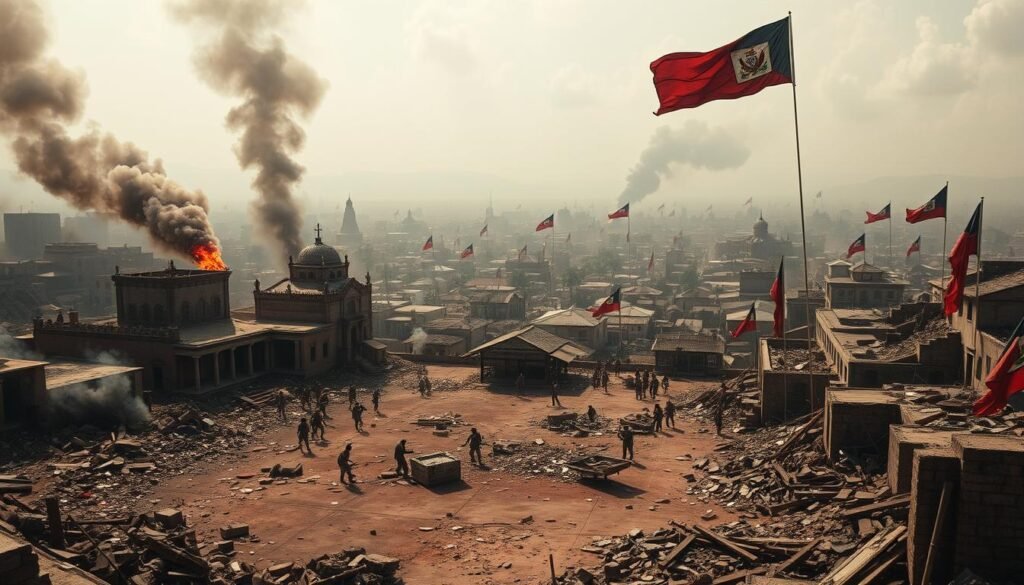
The combination of political fragmentation, power struggles, and foreign interference created a complex web of challenges that pushed Haiti further away from Dessalines’ original vision of a unified and self-sufficient nation.
The cultural and social landscape of Haiti has presented significant challenges to implementing Dessalines’ plans. Despite his clear vision for the country’s development, various cultural and social barriers have hindered progress.
Haitian society has long been plagued by class divisions and colorism, which have significantly impacted the implementation of Dessalines’ vision. These social issues have created disparities that have hindered national unity and development.
The divide between the elite and the masses in Haiti has been a persistent issue. The elite have often prioritized their own interests over the needs of the broader population, creating a significant gap between the two groups.
Colonial mentalities have persisted in Haitian society, influencing how different groups perceive themselves and their place in the world. This has led to a preference for European cultural norms over indigenous traditions, affecting the country’s cultural identity.
External cultural models, particularly those from Europe, have had a profound influence on Haitian society. This has sometimes led to a struggle between adopting foreign practices and maintaining cultural authenticity.
European cultural hegemony has been a significant factor in shaping Haitian culture. The adoption of European customs and values has often been seen as a marker of sophistication, leading to a shift away from traditional Haitian practices.
Haitians have struggled to maintain their cultural authenticity in the face of external influences. The challenge lies in balancing the adoption of modern practices with the preservation of traditional culture, ensuring that Haiti remains true to its heritage.
The economic challenges that have hindered Haiti’s progress are multifaceted and complex. Despite Dessalines’ vision for a self-sufficient Haiti, the country faced numerous economic obstacles that impeded its development.
Haiti’s economic struggles were significantly exacerbated by its debt burden and international isolation. The country was forced to pay a hefty indemnity to France in 1825, which had long-term effects on its economy.
The indemnity, demanded by France in exchange for recognizing Haiti’s independence, was a massive financial burden. “This debt was not only a significant financial strain but also a symbol of Haiti’s compromised sovereignty.” The indemnity was finally paid off in 1947, but its impact on Haiti’s economic development was lasting.
In addition to the indemnity, Haiti faced economic embargoes and trade restrictions imposed by European powers and the United States. “These restrictions limited Haiti’s ability to engage in international trade, further isolating the country economically.” Such measures hindered Haiti’s economic growth and contributed to its ongoing struggles.
Haiti’s economic challenges were further compounded by resource limitations and environmental degradation. The country’s natural resources were overexploited, leading to severe environmental issues.
Deforestation and soil erosion were significant environmental concerns.
“The loss of forests not only led to soil erosion but also reduced Haiti’s biodiversity and increased its vulnerability to natural disasters.”
These environmental challenges had a direct impact on Haiti’s agricultural productivity and overall economic stability.
Haiti is prone to natural disasters, including hurricanes and earthquakes, which have devastated its infrastructure. 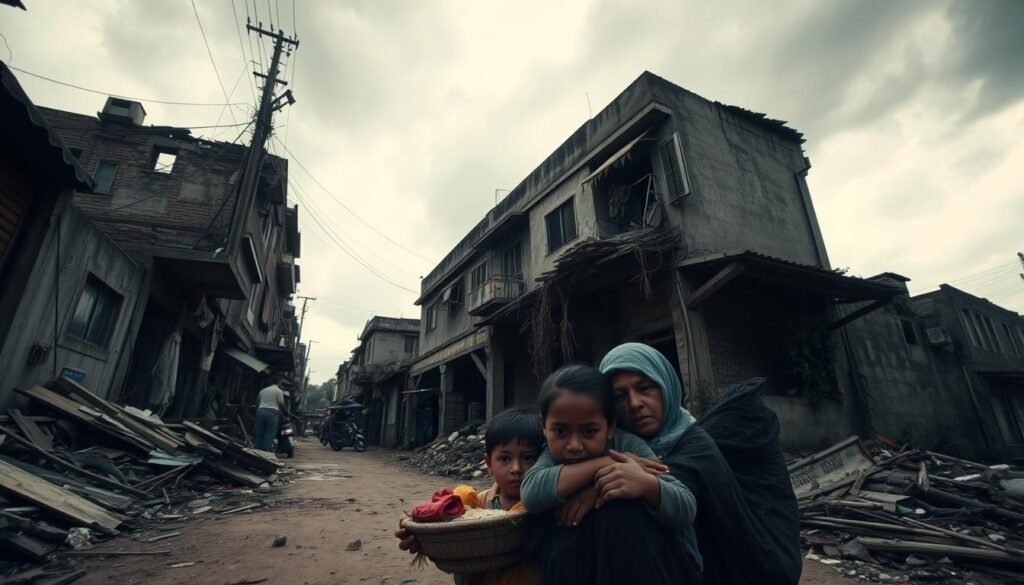 The lack of robust infrastructure has hindered economic development and exacerbated the country’s vulnerability to such disasters.
Dessalines’ revolutionary ideals continue to influence Haiti’s political trajectory. In modern Haiti, political movements and leaders frequently invoke his legacy to legitimize their actions and policies.
Many Haitian political movements draw on Dessalines’ ideals to galvanize support and frame their agendas.
Politicians often use Dessalines’ name and imagery in their campaigns, appealing to a shared sense of national identity and revolutionary spirit.
Dessalines’ image as a revolutionary leader is invoked to symbolize resistance against oppression and the fight for sovereignty.
Despite the frequent invocation of Dessalines’ legacy, there is often a significant gap between the rhetoric of political movements and their actual policy actions.
Many attempts at reform inspired by Dessalines’ vision have faltered due to internal conflicts, lack of resources, or external interference.
Corruption and poor governance continue to hinder the implementation of Dessalines’ ideals, undermining trust in political institutions.
Haiti’s future prosperity depends on its ability to reclaim and implement Dessalines’ vision through concerted efforts across different levels of society. To achieve this, it’s crucial to understand the various pathways that can lead to the realization of his blueprint.
Grassroots movements play a vital role in promoting Dessalines’ vision by fostering community development and social change. These initiatives are crucial for:
Community-based development projects focus on improving living conditions and economic opportunities at the local level. Examples include agricultural cooperatives and infrastructure development initiatives.
Educational programs that highlight Dessalines’ contributions to Haitian history and his vision for the country’s future are essential for inspiring new generations.
Policy reforms are necessary to create an enabling environment for Dessalines’ vision to be implemented. This includes:
Reforming the constitution can help address issues related to power distribution, representation, and human rights, thereby aligning with Dessalines’ principles of equality and justice.
Adjusting economic policies to focus on sustainable development, reducing dependency on foreign aid, and promoting local industries can help achieve economic independence, a key aspect of Dessalines’ vision.
International cooperation is vital for providing the necessary resources and expertise to support Haiti’s development. This can be achieved through:
Advocating for reparations and historical justice can help address the legacy of slavery and colonialism, providing resources for development and reconciliation.
Building partnerships that respect Haiti’s sovereignty and promote mutual benefit can help in achieving sustainable development goals.
Haiti stands at a crossroads, with its future hanging in the balance. The vision of Dessalines, a pioneering leader, offers a clear path forward. His blueprint for economic independence, land reform, and national defense remains relevant today.
Reclaiming Dessalines’ legacy is crucial for Haiti’s progress. By understanding the historical context and challenges that have hindered the implementation of his vision, Haitians can work towards a brighter future. Grassroots movements and civil society initiatives are already invoking Dessalines’ legacy, pushing for policy reforms and governance changes.
The journey ahead will be challenging, but with a renewed commitment to Dessalines’ principles, Haiti can overcome its current obstacles. International cooperation and support will be vital in this endeavor. By working together, Haiti can unlock its full potential and build a more prosperous future.
Dessalines envisioned Haiti achieving economic independence through self-sufficiency, trade policies that promoted economic sovereignty, and reducing foreign dependency.
Dessalines planned to achieve land reform through the redistribution of plantation lands and implementing agricultural diversification strategies to promote agricultural development.
Dessalines’ national defense strategy included military organization, fortifications, and diplomatic strategies to secure international recognition and protect Haiti’s sovereignty.
Dessalines faced initial implementation challenges, including resistance from former elites and logistical and resource limitations, which hindered the execution of his plans.
Dessalines’ assassination led to political fragmentation, power struggles, and a divergence from his original vision, ultimately shaping Haiti’s future in profound ways.
Foreign interference, including the French indemnity and American occupation, significantly contributed to Haiti’s divergence from Dessalines’ vision, as these external factors imposed their own agendas and hindered the country’s ability to follow its original path.
Class divisions and colorism continue to hinder the implementation of Dessalines’ vision, as they perpetuate inequality and social injustice, making it challenging to achieve the unity and solidarity that Dessalines envisioned.
Dessalines’ legacy is invoked in contemporary Haitian politics through the use of his rhetoric in political campaigns and the symbolism of his revolutionary ideals, serving as a powerful reminder of Haiti’s history and the ongoing struggle for justice and equality.
Reclaiming Dessalines’ vision requires a multi-faceted approach, including grassroots movements, policy reforms, and international cooperation, all of which can work together to promote economic independence, social justice, and national sovereignty.
International cooperation can play a crucial role in supporting Haiti’s development by providing reparations, promoting historical justice, and fostering partnerships based on mutual respect, ultimately helping to create a more equitable and just society.