Physical Address
304 North Cardinal St.
Dorchester Center, MA 02124
Physical Address
304 North Cardinal St.
Dorchester Center, MA 02124

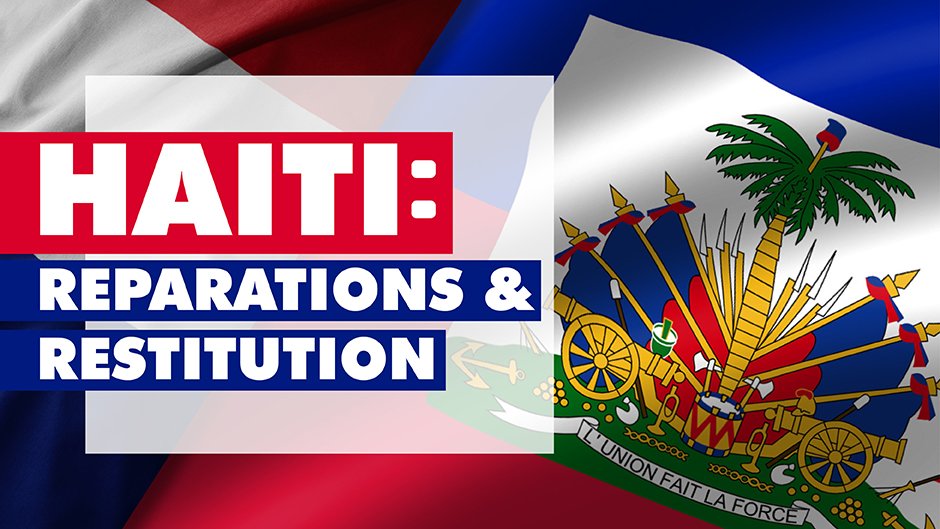
The time has come for Haitians to demand reparations from those profiting off their country's ruin.
Haiti’s history is marred by economic exploitation, leaving the nation struggling to recover. The country’s past is filled with instances of foreign intervention and exploitation, which have significantly contributed to its current state of poverty and instability.
For centuries, Haiti has been subjected to various forms of exploitation, from colonialism to modern-day economic manipulation. The consequences of these actions have led to a significant economic disparity between Haiti and its exploiters.
It is essential to understand the historical context of Haiti’s situation to grasp why Haitians must demand reparations. The call for reparations is not just about financial compensation; it’s about acknowledging the past injustices and taking steps towards a more equitable future.
In 1804, Haiti became the world’s first black republic after a successful revolution against French colonial rule. This victory was not only a triumph for the Haitian people but also a significant event in world history, challenging the status quo of slavery and colonialism.
The Haitian Revolution, which began in 1791, was a complex and multifaceted process that ultimately led to Haiti’s independence. It was led by figures such as Toussaint Louverture, Jean-Jacques Dessalines, and Boukman Dutty, who became symbols of resistance against oppression.
Despite its revolutionary victory, Haiti faced severe international isolation. Many countries, fearing the spread of slave revolts, boycotted Haiti and imposed economic sanctions. This isolation was compounded by economic sabotage, including a debt imposed by France that Haiti was forced to pay in exchange for recognition of its independence.
| Year | Event | Impact |
|---|---|---|
| 1791 | Haitian Revolution begins | Start of conflict against French colonial rule |
| 1804 | Haiti declares independence | Becomes the world’s first black republic |
| 1825 | France imposes debt on Haiti | Economic burden and international isolation |
The combination of international isolation and economic sabotage had a lasting impact on Haiti’s development, contributing to the economic challenges it faces today.
The year 1825 saw France extort a significant indemnity from Haiti, a burden that lasted for centuries. This indemnity was essentially a bill for Haiti’s freedom, demanded by France as compensation for the loss of its “property” – enslaved Africans – during the Haitian Revolution.
The indemnity was set at 150 million gold francs, a staggering amount that Haiti was forced to pay to France. This debt burden lasted for over a century, significantly hindering Haiti’s economic development. The payments drained Haiti’s treasury, limiting its ability to invest in infrastructure, education, and healthcare.
To understand the true extent of this financial burden, it’s crucial to calculate the modern value of Haiti’s payments, including the effects of compound interest. Economists estimate that, with compound interest, the total amount Haiti would have paid by the mid-20th century could be equivalent to tens of billions of dollars in today’s currency.
The application of compound interest on the initial indemnity meant that the amount owed grew exponentially over time. This financial mechanism ensured that Haiti’s debt to France remained a significant economic strain for generations, stifling the country’s ability to achieve economic stability.
Understanding the historical context and economic implications of the 1825 indemnity is crucial for grasping the depth of Haiti’s ongoing economic challenges. The legacy of this debt continues to influence Haiti’s economic trajectory, making it a critical point of discussion in any analysis of the country’s development.
The United States’ occupation of Haiti, which lasted from 1915 to 1934, was characterized by a complex web of financial control and economic restructuring. This period was marked by significant interventions in Haiti’s financial and economic systems, largely driven by the interests of American corporations and the U.S. government.
A crucial aspect of the American occupation was the involvement of the National City Bank (now known as Citibank). The bank played a pivotal role in controlling Haiti’s financial system, including the collection of customs revenues and the management of the country’s treasury. The bank’s influence extended to the restructuring of Haiti’s economy, prioritizing American business interests over local needs.
The occupation led to a significant restructuring of Haiti’s economy to serve foreign interests. One of the key outcomes of this restructuring was the shift towards export-oriented agriculture, which benefited American agricultural businesses. This transformation had profound effects on Haiti’s economic autonomy and its ability to feed its population.
The emphasis on export crops led to the creation of dependent agriculture, where Haiti became reliant on importing food. This dependency was a direct result of the occupation’s economic policies, which prioritized the production of crops for export over domestic food production. The consequences of this policy are still felt in Haiti today, with the country struggling to achieve food sovereignty.
The legacy of the American occupation and its economic restructuring continues to impact Haiti’s development. Understanding this history is crucial for addressing the ongoing challenges faced by the Haitian people.
Despite their authoritarian nature, the Duvalier dictatorships enjoyed substantial support from Western nations during the Cold War. This backing was largely driven by the geopolitical climate of the time, where anti-communist sentiments dominated international relations.
The Duvalier regimes, led by François “Papa Doc” Duvalier and later his son Jean-Claude “Baby Doc” Duvalier, were seen as stable, anti-communist strongholds in the Caribbean. Western powers, particularly the United States, provided significant financial and military aid to the regimes.
This support was crucial in maintaining the Duvaliers’ grip on power, despite widespread human rights abuses and corruption. The international community often turned a blind eye to the regimes’ atrocities, prioritizing their Cold War interests.
The Duvalier regimes were notorious for their corruption, with both François and Jean-Claude Duvalier embezzling vast sums from Haiti’s treasury. The looting was systematic, with the ruling family and their associates siphoning off funds meant for public services and infrastructure.
Estimates suggest that the Duvaliers stole between $300 million to $800 million during their rule, a staggering amount for a country as poor as Haiti. Much of this money was laundered through foreign banks or invested in real estate and businesses abroad.
The legacy of this financial plunder continues to affect Haiti today, with the country struggling to recover from decades of misrule and corruption.
Structural adjustment policies, championed by the IMF and World Bank, have had a lasting impact on Haiti’s economy. These policies, designed to “reform” Haiti’s economic structure, ultimately led to the dismantling of its agricultural self-sufficiency and created a dependency on rice imports.
The International Monetary Fund (IMF) and the World Bank introduced structural adjustment programs in Haiti during the 1980s. These programs were touted as a solution to Haiti’s economic woes but ended up exacerbating the situation. The policies included liberalizing trade, privatizing state-owned enterprises, and reducing tariffs.
“The IMF’s own evaluation reports have acknowledged that the outcomes of their programs in Haiti were far from satisfactory, highlighting the need for a more nuanced approach to economic reform.”
The effects of these policies were multifaceted. By reducing tariffs and opening up Haiti’s markets to international competition, local farmers found it difficult to compete with subsidized agricultural products from countries like the United States.
Haiti was once self-sufficient in rice production, but the structural adjustment policies changed this. Tariff reductions on imported rice led to a flood of cheap rice from the U.S., undercutting local producers. As a result, Haiti became one of the largest importers of rice per capita.
| Year | Rice Import (Metric Tons) | Local Production (Metric Tons) |
|---|---|---|
| 1980 | 10,000 | 150,000 |
| 1990 | 50,000 | 120,000 |
| 2000 | 200,000 | 90,000 |
The shift towards rice imports had severe consequences for Haiti’s economy and food security. By becoming dependent on international markets for a staple food, Haiti exposed itself to global price fluctuations and supply chain disruptions.
The human cost of this dependency is significant, with many Haitians struggling to afford basic food items due to the volatility of global rice prices.
In conclusion, the structural adjustment policies imposed on Haiti by the IMF and World Bank have had a lasting and detrimental impact on its economy, particularly in the agricultural sector. The shift away from self-sufficiency towards dependency on imports has left Haiti vulnerable to external economic pressures.
The role of corporate exploitation in Haiti, particularly through sweatshops and resource extraction, is a critical issue that has far-reaching consequences for the country’s economy and environment.

Multinational corporations have established a significant presence in Haiti’s labor market, primarily through the operation of sweatshops. These factories are often criticized for their poor working conditions, low wages, and lack of worker protections. The apparel industry is particularly dominant, with many factories producing clothing for international brands.
| Industry | Number of Workers | Average Wage |
|---|---|---|
| Apparel | 40,000 | $4.78/day |
| Manufacturing | 10,000 | $6.00/day |
Haiti’s natural resources are also being exploited for profit, leading to significant environmental degradation. The extraction of minerals such as gold and copper has resulted in deforestation, water pollution, and soil erosion.
The granting of mining concessions has led to the displacement of local communities, as their lands are taken over for mining operations. This not only results in the loss of livelihoods but also cultural heritage.
In conclusion, the exploitation of Haiti’s labor and natural resources by multinational corporations is a complex issue that requires careful consideration. Addressing these challenges will be crucial to ensuring a more equitable and sustainable future for Haiti.
Haiti’s history is marked by foreign interference and economic sabotage, making the call for reparations not just a moral imperative but a necessary step towards justice. For centuries, Haiti has been subjected to various forms of exploitation, from the French indemnity to contemporary corporate exploitation.
The beneficiaries of Haiti’s exploitation are numerous and include former colonial powers, multinational corporations, and foreign governments that have supported dictatorial regimes. Specifically, the French government and multinational corporations operating in Haiti’s labor market and resource extraction sectors have profited significantly.
To understand the scope of exploitation, consider the following:
| Entity | Form of Exploitation | Impact on Haiti |
|---|---|---|
| French Government | 1825 Indemnity | Financial burden and economic stagnation |
| Multinational Corporations | Labor exploitation and resource extraction | Economic dependency and environmental degradation |
| Foreign Governments | Support for dictatorial regimes | Political instability and human rights abuses |
Calculating the true cost involves not just financial metrics but also the cultural and social impacts. The historical injustices have led to a loss of cultural heritage and social cohesion.
The cultural impacts include the erosion of traditional practices and the loss of social cohesion due to historical events like the forced assimilation policies during the American occupation. The social fabric of Haiti has been strained, leading to ongoing social and economic challenges.
Demanding reparations is a step towards acknowledging these injustices and working towards a more equitable future for Haiti. It involves not just financial compensation but also measures to restore cultural heritage and promote social justice.
The aftermath of the 2010 earthquake in Haiti revealed a disturbing trend of disaster capitalism, where foreign entities prioritized profits over people’s needs. The international response was marked by instances of exploitation, with organizations and individuals seeking to benefit from Haiti’s misery.
The American Red Cross was heavily criticized for its handling of the $500 million donated for Haiti’s recovery. An investigation revealed that despite the massive funds, the organization managed to build only six homes. This gross mismanagement of funds is a stark example of disaster capitalism in action. The Red Cross’s actions, or lack thereof, led to widespread skepticism about the true motives behind foreign aid.
The Clinton Foundation, led by former US President Bill Clinton, was also embroiled in controversy. The foundation was accused of using its influence to promote agribusiness in Haiti, which led to the displacement of local farmers. This move was seen as a clear example of foreign profiteering at the expense of Haitian livelihoods. The Clintons’ involvement in Haiti’s recovery efforts was marred by allegations of self-interest and a lack of transparency.
Reconstruction contracts following the earthquake were often awarded to foreign companies, further perpetuating the cycle of disaster capitalism.
“The reconstruction process in Haiti was characterized by a lack of transparency and accountability, with many contracts being awarded to companies with little experience in the region.”
This lack of oversight enabled foreign profiteers to exploit Haiti’s vulnerability, hindering the country’s ability to recover and rebuild sustainably.
Political interference has been a recurring theme in Haiti’s history, often leading to regime change with far-reaching consequences. The country’s political landscape has been shaped by various external forces, impacting its governance and stability.
A significant event in Haiti’s recent history is the 2004 coup that ousted President Jean-Bertrand Aristide. This event has been widely debated, with many arguing that it was a result of political interference by external actors. As noted by a former U.S. diplomat, “The removal of Aristide was a complex operation involving multiple international actors.”
“The international community’s role in Aristide’s removal raises questions about the legitimacy of foreign intervention in Haiti’s political affairs.”

In recent years, Haiti has continued to experience political instability, with allegations of external manipulation. The influence of foreign powers on Haiti’s political processes remains a contentious issue.
The Core Group, comprising representatives from various foreign embassies and international organizations, plays a significant role in Haiti’s governance. While its intention is to support stability, its actions are often seen as interference in Haiti’s internal affairs. Critics argue that this group undermines Haiti’s sovereignty, influencing key political decisions.
The complex interplay of political interference and regime change in Haiti underscores the need for a nuanced understanding of the country’s history and the external factors that have shaped its political trajectory.
Legal frameworks offer a promising path for Haitians to demand reparations from those who have profited from their nation’s ruin. The international community is increasingly recognizing the legitimacy of reparations claims, and Haiti is at the forefront of this movement.
International law provides several frameworks that could support Haitian reparations claims. The United Nations and other international bodies have established principles and precedents that could be leveraged. For instance, the Basic Principles and Guidelines on the Right to a Remedy and Reparation for Victims of Gross Violations of International Human Rights Law outline the obligations of states to provide reparations.
Haitians could pursue legal action through various venues. Domestic courts in countries with historical ties to Haiti, such as France and the United States, might be approached. Additionally, international courts like the International Court of Justice could be a potential forum.
A significant precedent is the French recognition of Haiti’s right to reparations, albeit in a controversial form. In 1825, France demanded an indemnity from Haiti for the loss of its “property” (enslaved Africans), which severely impacted Haiti’s economy. Understanding this historical context can inform contemporary legal strategies.
By examining these legal frameworks and historical precedents, Haitians can build a strong case for reparations, seeking justice for centuries of exploitation and economic sabotage.
Haiti’s demand for reparative justice requires a multifaceted approach that includes, but is not limited to, financial reparations. As reparative justice gains momentum, it’s essential to explore comprehensive models that address the historical injustices faced by Haiti.
One crucial aspect is debt cancellation. Haiti’s history is marred by debilitating debt, starting with the indemnity imposed by France in 1825. Canceling these debts can be a significant step towards economic recovery and justice.
Debt cancellation can provide immediate relief to Haiti’s strained economy. As noted by experts, “debt relief can free up resources for vital public services and infrastructure, directly benefiting the Haitian people.”
“The cancellation of odious debts is a matter of justice, not charity.”
Another vital component is the transfer of technology and infrastructure development. This can help Haiti build a sustainable economy and reduce dependency on foreign aid. Investments in infrastructure can also enhance the quality of life for Haitians.
Educational and cultural restitution are equally important. Restoring cultural artifacts and supporting educational initiatives can help preserve Haiti’s rich cultural heritage and provide opportunities for future generations.
In conclusion, a comprehensive approach to reparative justice in Haiti must include debt cancellation, technology transfer, infrastructure development, and educational and cultural restitution. These measures can collectively contribute to a more just and equitable society.
Haiti’s history is marked by exploitation and injustice, but the narrative is shifting. Rather than relying on charity, Haitians are demanding reparative justice. This approach seeks to address the historical injustices that have hindered the country’s development.
The path forward involves a comprehensive strategy that includes debt cancellation, technology transfer, and infrastructure development. It also requires educational and cultural restitution to rectify the damage inflicted upon Haiti. By adopting this approach, Haiti can break free from the cycle of dependency and move towards self-sufficiency.
The distinction between charity and justice is crucial. Charity provides temporary relief, but justice addresses the root causes of inequality and injustice. Haitians are not seeking handouts; they are demanding reparative justice to compensate for the historical exploitation they have suffered.
As Haiti moves forward, it is essential to recognize the need for a new paradigm. One that prioritizes justice over charity and acknowledges the historical injustices that have shaped the country’s trajectory. By doing so, Haiti can forge a more equitable and sustainable path forward, one that is grounded in reparative justice.
Reparations refer to the act of making amends for past injustices. Haiti needs reparations due to the historical exploitation it has faced, including the 1825 indemnity imposed by France, American occupation, and ongoing corporate exploitation.
The 1825 indemnity imposed by France forced Haiti to pay for its freedom, resulting in a significant debt burden that lasted for over a century and had a lasting impact on the country’s economic development.
The United States occupied Haiti from 1915 to 1934, exerting financial control and restructuring the country’s economy to serve foreign interests, which contributed to Haiti’s ongoing economic challenges.
The IMF and World Bank have imposed structural adjustment policies on Haiti, which have dismantled the country’s agricultural self-sufficiency and led to a rice import dependency crisis.
Disaster capitalism refers to the exploitation of disasters for financial gain. In Haiti, disaster capitalism was evident in the response to the 2010 earthquake, where organizations like the Red Cross and Clinton Foundation were involved in controversies and profiteering.
Multinational corporations have exploited Haiti’s labor market and natural resources, contributing to environmental degradation and community displacement, particularly in the mining sector.
Haitians can explore international law and historical precedents to claim reparations, with potential venues for legal action including courts in countries like France and the United States.
Comprehensive reparative justice goes beyond financial compensation to include debt cancellation, technology transfer, infrastructure development, and educational and cultural restitution, providing a holistic approach to addressing Haiti’s historical injustices.
Individuals can support Haiti’s demand for reparations by raising awareness about the country’s history and ongoing challenges, advocating for policy changes, and supporting organizations working towards reparative justice.