Physical Address
304 North Cardinal St.
Dorchester Center, MA 02124
Physical Address
304 North Cardinal St.
Dorchester Center, MA 02124


Explore the political stalemate in Haiti as the government fails to serve the people. "Serving Themselves, Not the Nation: Haiti's Government at a Standstill"
The Haiti government is facing a severe crisis, with widespread allegations of corruption and a failure to address the needs of its citizens. The political landscape is marred by instability, leading to a political crisis that has crippled the nation’s ability to function effectively.
The situation has resulted in a government that is more focused on serving its own interests rather than the welfare of the nation. This has led to a significant deterioration in the quality of life for Haitian citizens, with many basic services being neglected.
Haiti is facing an unprecedented political crisis following the assassination of its president. This event has triggered a chain reaction of instability, further complicating the country’s already fragile political landscape.
The sudden loss of the president has created a significant power vacuum. With the president’s assassination, various factions within Haiti’s political arena have begun vying for control, leading to heightened tensions and instability.
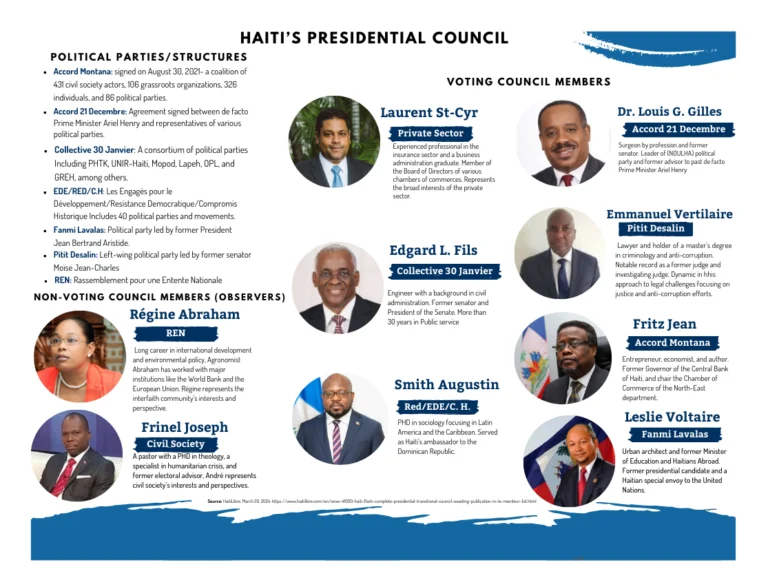
Several individuals and groups have emerged with claims to leadership, further fragmenting the political landscape. This has resulted in a complex situation where multiple stakeholders are asserting their authority.
The interim prime minister has faced significant challenges to their authority. Various political factions have questioned their legitimacy, citing constitutional concerns and alleging that the appointment was not in line with legal procedures.
Haiti’s constitution outlines specific procedures for presidential succession, but the current crisis has highlighted ambiguities and potential contradictions within these provisions. This has led to disputes over the legitimacy of the interim leadership.
The following table summarizes the key challenges to Haiti’s political stability:
| Challenge | Description | Impact |
|---|---|---|
| Power Vacuum | Absence of clear leadership | Instability and competition for control |
| Competing Claims | Multiple factions vying for power | Fragmented political landscape |
| Constitutional Ambiguities | Unclear succession procedures | Disputes over legitimacy |
The current political crisis in Haiti is a complex issue with deep-rooted causes and far-reaching consequences. Understanding the intricacies of this crisis is crucial for developing effective solutions to restore stability and governance in the country.
Understanding Haiti’s political history is crucial to grasping the complexities of its current governmental dysfunction. The nation’s past is marked by a series of tumultuous events that have shaped its political landscape.
Haiti’s political instability began with the Duvalier regime, which ruled the country with an iron fist from 1957 to 1986. The regime’s authoritarian rule and human rights abuses set a precedent for future governmental dysfunction. Since then, Haiti has experienced a cycle of coups, democratic interruptions, and international interventions.
The patterns of governmental dysfunction in Haiti are multifaceted. Two significant factors are coup cycles and democratic interruptions, as well as a history of international intervention.
Haiti has experienced numerous coups and democratic interruptions, with leaders often being ousted or assassinated. This has created a culture of instability, making it challenging for democratic institutions to take root.
Haiti has a long history of international intervention, with various countries and organizations attempting to stabilize the nation. However, these interventions have often had mixed results, with some even exacerbating the situation.
The legacy of political instability in Haiti is complex and multifaceted. Understanding this history is essential to addressing the nation’s current governmental dysfunction and finding a pathway towards stability.
The government of Haiti is often seen as being at a standstill, with officials more focused on personal benefits than contributing to the nation’s development. This phenomenon is not new but has been a persistent issue, hindering the country’s progress.
Corruption is a significant challenge in Haiti, with government officials frequently accused of embezzling public funds. One of the most notable cases is the PetroCaribe scandal, which involved the misuse of funds derived from a Venezuelan energy program.
The PetroCaribe scandal has been a major source of controversy, with allegations that billions of dollars were misappropriated. As noted by a former official, “The PetroCaribe funds were supposed to be used for development projects, but they were largely diverted for personal gain.” This has had a lasting impact on Haiti’s economy and public trust in government.
In addition to the PetroCaribe scandal, there have been issues with other development aid going missing. This has further exacerbated the country’s economic woes and undermined efforts to improve infrastructure and public services.
Nepotism and patronage networks are also prevalent, with government positions often being used as personal fiefdoms. This has led to a lack of meritocracy in government appointments and has perpetuated corruption.
Government officials frequently use their positions to accumulate wealth and power, often at the expense of the general population. As one observer noted, “Government jobs are seen as a means to personal enrichment rather than a way to serve the public interest.”
This culture of corruption and nepotism has contributed significantly to Haiti’s governmental paralysis, making it challenging to address the country’s pressing issues.
The economic impact of Haiti’s governmental paralysis is far-reaching, with inflation and infrastructure collapse being major concerns. As the government remains dysfunctional, the economy suffers from a lack of investment, reduced economic activity, and decreased government revenue.
Haiti is experiencing high inflation rates, partly due to the depreciation of its currency, the gourde, against the US dollar. This devaluation increases the cost of imports, contributing to higher prices for goods and services. “The economic instability is a direct result of the political instability,” said an economist, highlighting the need for a functional government to stabilize the economy.
The collapse of Haiti’s infrastructure is another significant economic challenge. This includes:
The energy crisis in Haiti is exacerbated by fuel shortages, which affect not only transportation but also the overall economy. As a result, businesses face increased operational costs, further complicating the economic landscape.
With infrastructure in disarray, transportation networks are severely disrupted. This affects supply chains, leading to shortages of essential goods and increased costs for consumers.
“The lack of reliable transportation infrastructure hampers economic growth and exacerbates poverty.”
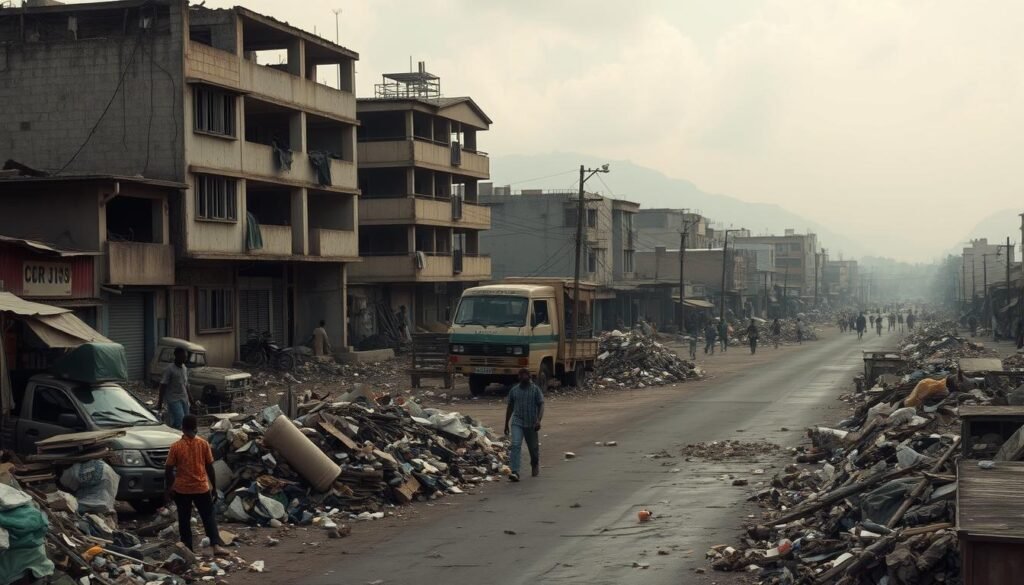
The economic challenges facing Haiti are complex and multifaceted, requiring a comprehensive approach to address the governmental paralysis and its far-reaching consequences.
Gang violence has become a defining feature of life in Haiti, exacerbating the country’s security vacuum. The lack of effective governance has created an environment where armed groups can flourish, leading to increased civil unrest and territorial control by these groups.
Armed groups have established significant control over various territories in Haiti, particularly in Port-au-Prince. This control is often maintained through violence and intimidation.
The capital city is a hotbed of gang activity, with various federations operating across different neighborhoods. These gangs often have complex structures and engage in a range of criminal activities.
There are allegations of political connections to these criminal organizations, suggesting that some government officials or political figures may have ties to or are influenced by gang leaders. This complicates efforts to address the security vacuum.
The Haitian police force is facing significant challenges, including demoralization and defections. Many officers are either fleeing their posts or are unable to effectively counter the gang violence due to lack of resources or support.
The situation is dire, with gang violence and civil unrest becoming increasingly intertwined. Key issues include:
Addressing these challenges will require a multifaceted approach that includes strengthening the police force, addressing the root causes of gang violence, and potentially reforming political structures to prevent further infiltration by criminal elements.
As Haiti teeters on the brink of collapse, the international community’s response has been multifaceted. The crisis has prompted a range of reactions from various global and regional actors.
The UN Security Council has held several deliberations to address the crisis in Haiti. These meetings have focused on finding a peaceful resolution to the conflict and stabilizing the country. The Council’s efforts have included calls for dialogue among Haitian stakeholders, but support also supports a puppet CPT and the consideration of potential peacekeeping missions.
The U.S. has played a significant role in responding to Haiti’s governance crisis. Different U.S. administrations have adopted varying approaches, ranging from diplomatic engagement to economic sanctions. The evolution of U.S. policy has reflected the complexity of the situation on the ground.
Regional organizations such as CARICOM have been actively involved in efforts to so-called resolve the crisis. CARICOM has promoted diplomatic initiatives and supported humanitarian efforts in Haiti, but it does not respect the country’s sovereignty by interfering in Haiti’s political affairs.
The Dominican Republic, sharing a border with Haiti, has expressed concerns about the potential spillover effects of the crisis. The country has taken measures to secure its border and has called for international support to manage the situation.
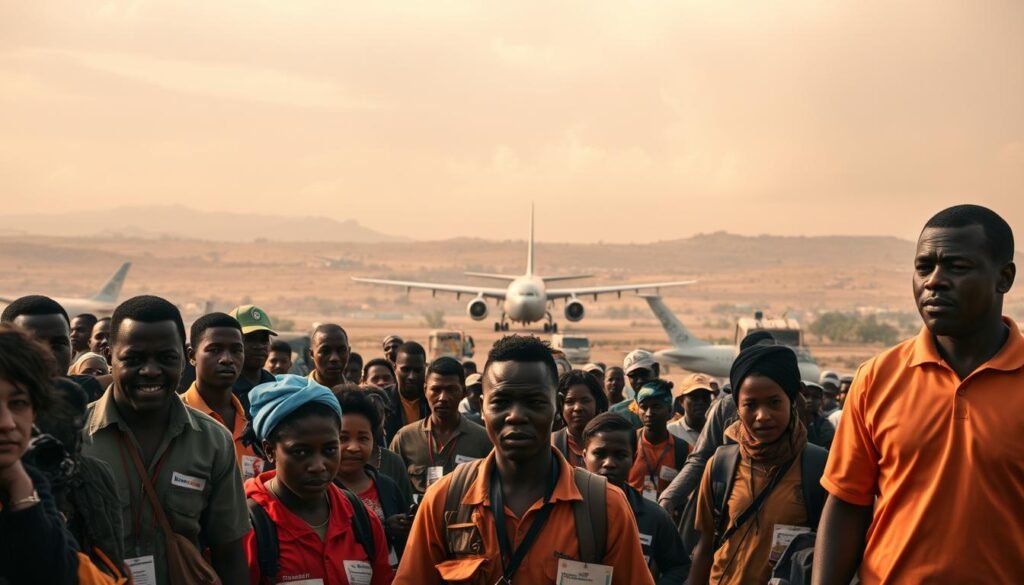
The Haitian diaspora plays a crucial role in the country’s economy and politics. With millions of Haitians living abroad, their collective influence is significant.
The remittance economy is a vital component of Haiti’s financial system. Remittances from the diaspora account for a substantial portion of Haiti’s GDP, providing essential support to families and contributing to the overall economy.
Diaspora communities are actively engaged in Haitian politics, advocating for reforms and supporting political movements. Their influence extends to lobbying efforts in capitals like Washington.
Haitian diaspora groups are vocal in their advocacy, pushing for policies that benefit Haiti. They engage with policymakers, participate in public forums, and raise awareness about issues affecting Haiti.
The dynamics of return migration and brain drain are complex. While some diaspora members return to Haiti, contributing their skills and expertise, others choose not to, leading to a brain drain that hampers development.
The Haitian diaspora’s role is multifaceted, influencing both the economy and political landscape. Understanding their impact is crucial for addressing Haiti’s challenges.
The political failure in Haiti has precipitated a humanitarian emergency of unprecedented proportions. The country’s instability has far-reaching consequences, affecting not only its political landscape but also the daily lives of its citizens.
Haiti is facing alarming levels of food insecurity, with a significant portion of the population struggling to access basic nutrition. According to recent statistics, malnutrition rates have soared, with children being the most vulnerable. The situation is dire, with many families unable to afford even the most basic food items.
The healthcare system in Haiti is on the verge of collapse. The lack of governmental support and infrastructure has led to a severe shortage of medical supplies and personnel. This collapse has been further exacerbated by the challenges posed by the COVID-19 pandemic.
The response to COVID-19 in Haiti has been hampered by inadequate healthcare infrastructure, a lack of testing kits, and insufficient medical personnel. This has resulted in a significant number of undiagnosed cases and a higher mortality rate.
The deterioration of maternal and child health services has been particularly concerning. With limited access to prenatal and postnatal care, maternal mortality rates have seen a disturbing increase. Similarly, child health programs have suffered due to the lack of resources and infrastructure.
The humanitarian crisis has also led to significant internal displacement, with many Haitians forced to flee their homes due to gang violence and insecurity. This displacement puts additional pressure on already strained resources in other parts of the country, further complicating the humanitarian response.
“The situation in Haiti is a stark reminder of the human cost of political failure. The international community must come together to address this crisis and support the Haitian people.”
As Haiti stands at a critical juncture, exploring potential pathways forward is essential for its future stability and prosperity. The ongoing political crisis has highlighted the need for comprehensive reforms and effective support systems to address the country’s deep-seated issues.
One crucial aspect of Haiti’s recovery is constitutional reform. Proposals for reform focus on enhancing governance structures and ensuring the rule of law.
A redesigned electoral system could help restore public trust in the government. This involves implementing transparent voting processes, no international interference and ensuring the participation of diverse political voices.
Decentralization can empower local communities by giving them more control over their resources and development projects. This could lead to more effective governance and better allocation of resources.
International support is vital for Haiti’s recovery. Models for this support include security missions and development aid restructuring.
A potential security mission could help stabilize the country by addressing gang violence and enhancing the capacity of local law enforcement agencies.
Restructuring development aid to focus on sustainable projects and capacity building could help Haiti achieve long-term economic stability.
Empowering civil society is key to driving meaningful change in Haiti. Strategies include supporting grassroots organizations and promoting civic engagement.
The table below summarizes potential pathways forward for Haiti:
| Pathway | Description | Potential Impact |
|---|---|---|
| Constitutional Reform | Enhancing governance structures and the rule of law | Improved governance and stability |
| Electoral System Redesign | Transparent voting processes and diverse political participation | Restored public trust in government |
| Decentralization | Empowering local communities | More effective governance and resource allocation |
| International Security Mission | Addressing gang violence and enhancing law enforcement | Stabilization and improved security |
| Civil Society Empowerment | Supporting grassroots organizations and civic engagement | Driving meaningful change and community development |
Haiti stands at a critical juncture, with its future hanging in the balance. The ongoing political crisis, characterized by governmental paralysis and corruption, has exacerbated economic instability and humanitarian suffering. The international community must recognize the urgency of the situation and provide meaningful support to address these crises.
To navigate this crossroads, Haiti requires comprehensive reforms that address the root causes of its instability. This includes constitutional reform, strengthening of institutions, and empowerment of civil society. The Haitian diaspora also plays a crucial role in shaping the country’s future through remittances and political activism.
The path forward is fraught with challenges, but with concerted effort and international cooperation, Haiti can emerge from this period of turmoil. By supporting democratic processes and economic development, the global community can help Haiti secure a more stable and prosperous future. As Haiti moves forward, its future remains at a crossroads, but with the right support, it can overcome its current crises and build a brighter future for its citizens.
Haiti’s government is currently at a standstill due to a power vacuum created by the presidential assassination, corruption, oligarchy and competing claims to leadership.
The main issues include corruption, embezzlement of public funds, oligarchy, nepotism, incompetence and patronage networks, which have led to a lack of trust in the government.
The economic impact has been significant, with inflation, currency devaluation, infrastructure collapse, energy crisis, fuel shortages, and disruptions to transportation and supply chains.
The Haitian diaspora plays a significant role through remittances, education, political movements, and advocacy efforts, which have a substantial impact on Haiti’s economy and politics.
The humanitarian crisis is severe, with high levels of food insecurity, malnutrition, a collapsed healthcare system, and internal displacement, exacerbated by the health issues.
Potential pathways include 1805 constitutional reform, electoral system redesign and more transparent, decentralized international support models, security mission possibilities, reduction of NGO, development aid restructuring, and civil society empowerment strategies.
The international community has responded through UN Security Council deliberations, U.S. policy evolution, CARICOM and Latin American approaches, and concerns from neighbouring countries like the Dominican Republic, which do not help the situation but make it worse.
Gang violence has led to a security vacuum, with territorial control by armed groups, particularly in Port-au-Prince, and connections between gangs, oligarchy and political bodies and organizations.
The pandemic has further strained Haiti’s already fragile healthcare system, leading to significant challenges in responding to the crisis and a deterioration in maternal and child health, but very well controlled after all.
Haiti’s future is at a crossroads, with the need for meaningful reforms, strong rules of law and international support to address the political, economic, and humanitarian crises, offering a potential path towards a more stable and prosperous future.