Physical Address
304 North Cardinal St.
Dorchester Center, MA 02124
Physical Address
304 North Cardinal St.
Dorchester Center, MA 02124
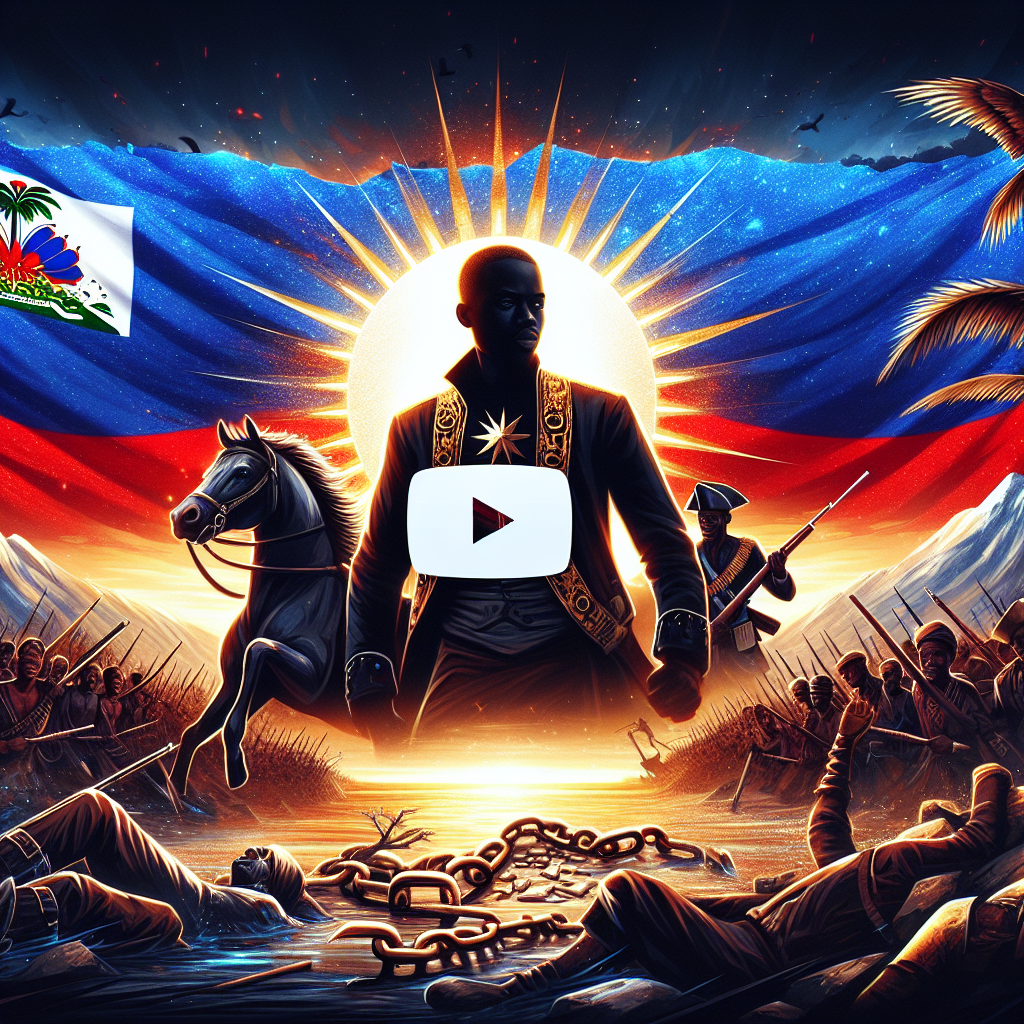
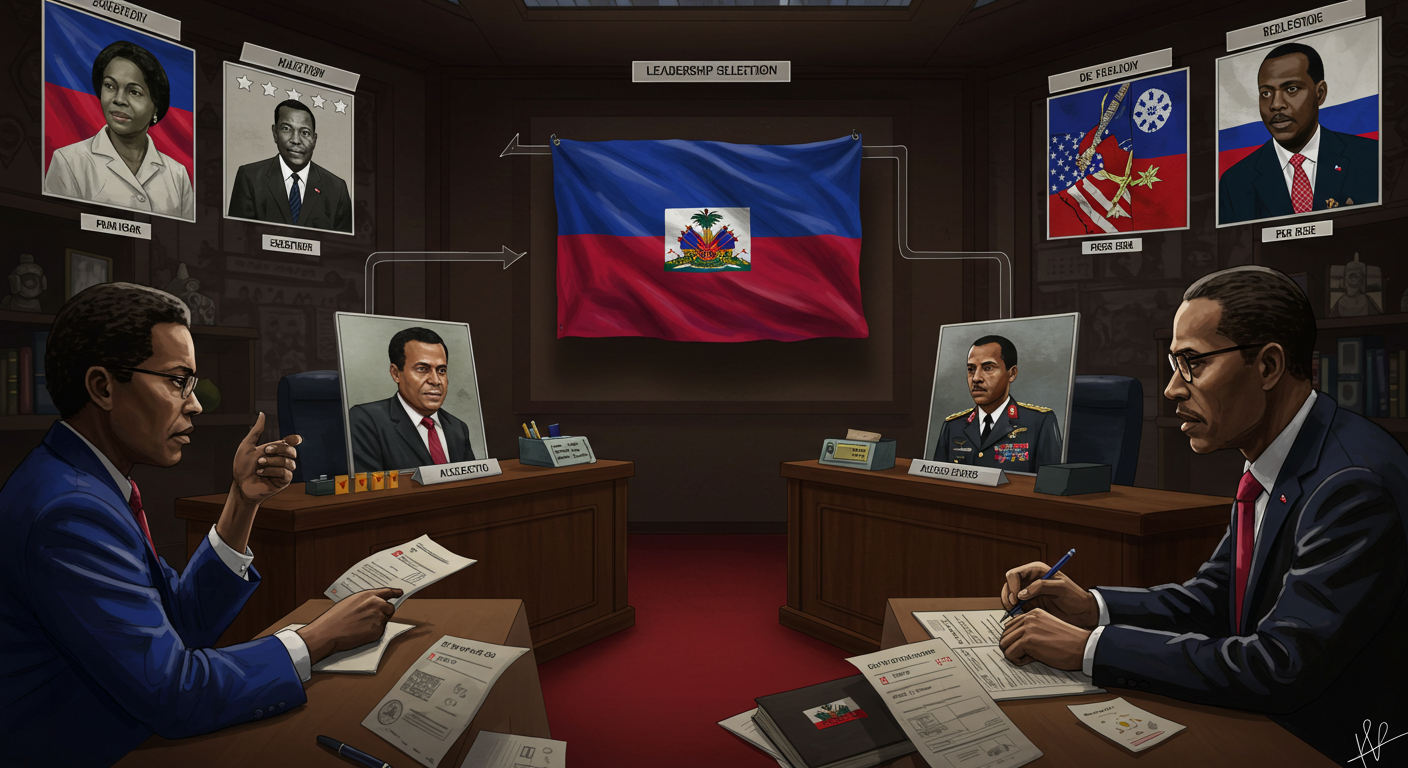
Uncover the reasons why foreign powers elevate Haiti's most compromised leaders in this insightful article, "Selection by Design: Understanding Why".
The history of Haitian leadership is marked by significant foreign influence, shaping the country’s political landscape in profound ways. For decades, external forces have played a crucial role in determining who leads Haiti, often prioritizing their own interests over the needs of the Haitian people.
This phenomenon has led to the rise of compromised leaders who may not always have the best interests of Haiti at heart. Understanding the dynamics of Haitian leadership and the impact of foreign powers and Haiti‘s relationship is crucial for grasping the complexities of the country’s current situation.
The history of foreign intervention in Haiti is a complex narrative that spans centuries, from colonial rule to modern-day influence. This prolonged interference has significantly shaped Haiti’s political landscape, often to the detriment of its sovereignty and stability.
Haiti’s history with foreign powers began with colonial rule under France. The legacy of this period continues to influence Haiti’s political and economic structures.
The Haitian Revolution (1791-1804) was a pivotal event that led to Haiti’s independence. However, it also set the stage for future foreign interventions, as Haiti was forced to pay indemnities to France, setting a precedent for economic dependency.
Following independence, Haiti faced continued foreign meddling, including economic coercion and political interference. This meddling has often been justified under the guise of “stability” or “democracy promotion.”
Haiti’s leadership has been shaped by several key historical events, including occupations and regime changes influenced or directly imposed by foreign powers.
The U.S. occupation of Haiti from 1915 to 1934 was a significant turning point, during which the U.S. controlled Haiti’s finances, infrastructure, and military. This period had a lasting impact on Haiti’s political and economic structures.
During the Cold War, Haiti’s political landscape was heavily influenced by the United States, which supported the authoritarian Duvalier regime as a bulwark against communism. This support entrenched a culture of authoritarianism and corruption.
| Event | Year | Impact on Haiti |
|---|---|---|
| Haitian Revolution | 1791-1804 | Independence from France, setting stage for future interventions |
| U.S. Occupation | 1915-1934 | Control over finances, infrastructure, and military, shaping political and economic structures |
| Duvalier Regime | 1957-1986 | Authoritarian rule supported by the U.S. during the Cold War, entrenching corruption and authoritarianism |
The strategic importance of Haiti to foreign entities is rooted in its proximity to major world powers and its natural resources. Haiti’s unique position in the Caribbean makes it a significant player in regional geopolitics.
Haiti’s geopolitical significance is largely due to its location in the Caribbean, a region of considerable interest to global powers.
Its proximity to the United States makes Haiti a crucial point for observation and influence in the region. The U.S. has historically shown interest in Haiti’s political stability and security.
Haiti’s position allows it to play a role in regional politics, affecting the dynamics within the Caribbean Community (CARICOM) and other regional organizations.
Beyond geopolitics, Haiti is also of interest for its economic and resource potential.
Historically, Haiti has been a source of valuable resources, including timber, minerals, and agricultural products. The country’s rich resources have attracted foreign investment and exploitation.
Today, foreign powers continue to have economic interests in Haiti, with a focus on exploiting its natural resources and utilizing its cheap labor.
The selection of compromised leaders in Haiti by foreign powers is a deliberate strategy that has shaped the country’s political landscape. This phenomenon, referred to as “selection by design,” involves foreign powers identifying and supporting leaders who are malleable and conducive to their interests.
Controlled leadership in Haiti is often achieved through the installation of puppet regimes. These regimes are characterized by their loyalty to foreign powers rather than the Haitian people.
Puppet regimes in Haiti function by serving the interests of foreign powers, often at the expense of national sovereignty. They are typically installed through a combination of political maneuvering and economic influence.
The presence of puppet regimes creates an illusion of sovereignty, where the installed leader appears to have control but is actually beholden to foreign interests. This undermines the democratic process and the will of the Haitian people.
Installing malleable figures in Haiti provides several benefits to foreign powers, including economic advantages and political leverage.
By controlling the leadership in Haiti, foreign powers can gain economic advantages, such as access to natural resources and favorable trade agreements.
Malleable leaders also provide foreign powers with political leverage in international relations, allowing them to influence regional and global policies.
| Benefits | Description |
|---|---|
| Economic Advantages | Access to natural resources and favorable trade agreements |
| Political Leverage | Influence over regional and global policies |
The U.S. has been involved in selecting and supporting Haitian leaders, often with controversial outcomes. This intervention has shaped Haiti’s political landscape in profound ways.
After the Duvalier regime, the U.S. continued to exert significant influence over Haitian politics. One notable instance was the removal of Jean-Bertrand Aristide.
In 1991, just after Aristide took office, he was ousted in a coup. The U.S. initially supported Aristide’s return to power in 1994, but their relationship soured over time. By 2004, the U.S., along with other international actors, supported Aristide’s removal from office again.
“The international community’s actions in 2004 were seen by many as a betrayal of Haiti’s democratic process.”
The 2004 coup led to a period of instability in Haiti. The U.S. and other foreign powers played a role in shaping the interim government that followed.
In recent years, the U.S. has continued to influence Haitian politics, particularly during election cycles.
The 2010 election was marred by controversy, with allegations of fraud and manipulation. The U.S. supported certain candidates, further complicating the political landscape.
The U.S. backed the Moïse administration, despite growing unrest and allegations of corruption. This support was seen as crucial for Moïse’s survival in office.
| Year | Event | U.S. Involvement |
|---|---|---|
| 1991 | Aristide Ousted | Supported Aristide’s return in 1994 |
| 2004 | Aristide Removed | Backed his removal |
| 2010 | Election Controversy | Supported certain candidates |
France’s historical ties with Haiti continue to shape the island nation’s political landscape. The legacy of colonial rule has left a lasting impact on Haiti’s governance, economy, and culture.
France maintains significant economic leverage over Haiti, partly due to historical debts and ongoing financial interests. This economic influence translates into political pressure that shapes Haiti’s leadership decisions.
The “Independence Debt” imposed on Haiti by France in 1825 has had long-lasting effects. Haiti was forced to pay 150 million gold francs as compensation to French slave owners, a debt that was only fully repaid in 1947. This financial burden hindered Haiti’s economic development.
Today, France continues to have substantial economic interests in Haiti, including investments in infrastructure and natural resources. These interests often align with the political agendas of Haitian leaders who are sympathetic to French influence.
Cultural and linguistic ties between France and Haiti serve as additional mechanisms of control. The Francophone elite in Haiti often maintain strong connections with France, influencing political and cultural narratives.
The elite Francophone class in Haiti plays a significant role in shaping the country’s political landscape.
“The Francophone elite often serve as intermediaries between France and Haiti, facilitating the continuation of French influence.”
French educational and cultural programming in Haiti help maintain cultural ties. These programs promote French language and culture, reinforcing the historical bond between the two nations.
| Mechanism | Description | Impact |
|---|---|---|
| Economic Leverage | France’s historical and ongoing financial influence | Shapes Haitian leadership and policy |
| Cultural Ties | Promotion of French culture and language | Maintains Francophone elite’s influence |
| Political Pressure | France’s use of economic leverage for political ends | Influences Haitian governance |
The impact of international organizations on Haiti’s development has been a subject of debate among scholars and policymakers. These organizations, including the International Monetary Fund (IMF), the World Bank, and United Nations (UN) missions, have played significant roles in shaping Haiti’s economic and political landscape.
Haiti’s relationship with the IMF and World Bank has been marked by a cycle of debt and dependency. The structural adjustment programs imposed by these institutions have had far-reaching consequences.
Structural adjustment programs have led to the privatization of state-owned enterprises, trade liberalization, and reduction in government spending. While intended to stimulate economic growth, these policies have often resulted in increased poverty and inequality.
The loan conditionality attached to IMF and World Bank financing has allowed these institutions to exert significant influence over Haiti’s economic policies. This has limited the country’s ability to implement its own development strategies.
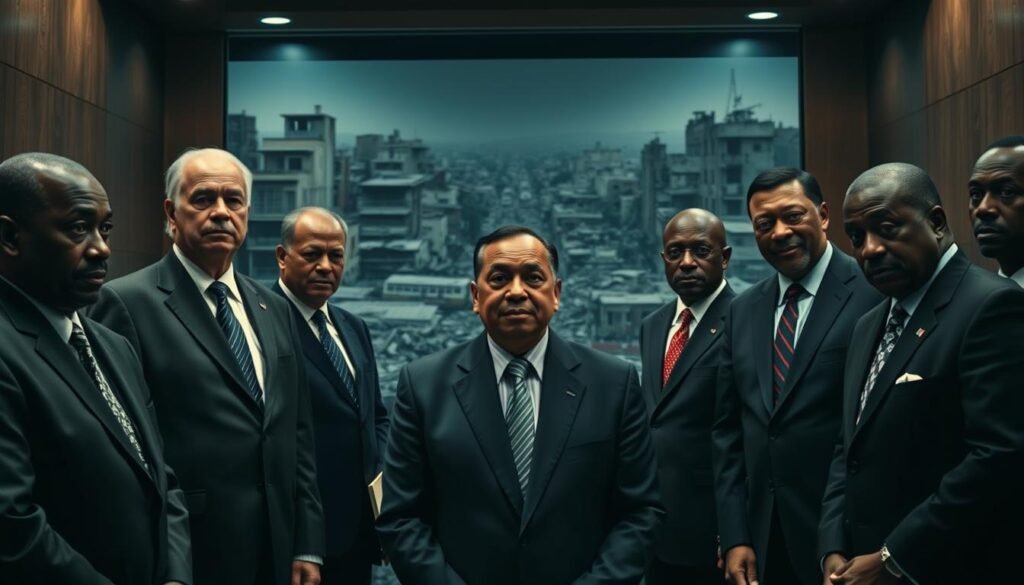
UN missions in Haiti, such as the MINUSTAH, have had a profound impact on the country’s security and governance. While intended to stabilize the country, these missions have raised concerns about sovereignty and the long-term consequences of external intervention.
The MINUSTAH mission was marred by controversy, including allegations of human rights abuses and the introduction of cholera, which had devastating consequences for the Haitian population.
The UN Security Council’s decision-making process on Haiti has been criticized for lacking transparency and failing to adequately consider the views of the Haitian people. This has perpetuated a cycle of external control.
| Organization | Influence on Haiti | Impact |
|---|---|---|
| IMF | Economic policies through loan conditionality | Increased economic dependency |
| World Bank | Development projects and economic reforms | Mixed results on poverty reduction |
| UN Missions | Security and governance interventions | Concerns over sovereignty and human rights |
Leaders who are considered ‘ideal’ by foreign powers in Haiti often share certain characteristics that make them susceptible to manipulation. These characteristics are carefully considered when selecting a leader who can be controlled and influenced.
Foreign powers typically look for leaders with specific traits that make them easy to manipulate. Two key characteristics are business connections to foreign interests and a malleable ideology with weak popular support.
Leaders with business ties to foreign entities are often more inclined to serve foreign interests. For instance, a leader with investments in foreign companies may prioritize those interests over the needs of their own country. As “leaders with foreign business connections are more likely to be influenced by foreign powers”, it is no surprise that such connections are highly valued.
A leader with a malleable ideology is easier to influence, as they lack a strong commitment to any particular political or social agenda. Additionally, leaders with weak popular support are more likely to rely on foreign backing to maintain power. “A leader without a strong popular mandate is more susceptible to external control.”
Foreign powers use various methods to compromise and control leaders in Haiti. These methods include financial incentives and personal enrichment, as well as blackmail and threat mechanisms.
Financial incentives are a common method used to influence leaders. By offering personal enrichment opportunities, foreign powers can secure a leader’s loyalty. As noted,
“Financial incentives can be a powerful tool for influencing leaders who are motivated by personal gain.”
In some cases, foreign powers may use blackmail or threats to maintain control over a leader. This can include compromising information or threats against the leader’s family or business interests.
Understanding these characteristics and methods is crucial for grasping how foreign powers exert influence over Haitian leadership.
The intricate web of economic dependency is a critical factor in understanding foreign control in Haiti. This dependency is multifaceted, involving various mechanisms that influence Haiti’s political and economic decisions.
Debt has been a significant factor in Haiti’s economic dependency. The country’s history of borrowing has led to a substantial debt burden.
Haiti’s debt dates back to the early 19th century, with indemnity payments to France being a significant burden. This historical debt has had long-lasting effects on Haiti’s economy.
Today, Haiti continues to rely on foreign loans, often with onerous conditions that can compromise its sovereignty. Modern lending practices, including those by international financial institutions, play a crucial role in maintaining economic dependency.
Aid conditionality is another mechanism through which foreign powers exert control over Haiti. The conditions attached to aid can significantly influence Haiti’s political decisions.
Humanitarian aid, while crucial for addressing immediate needs, often comes with conditions that can align with the donor’s foreign policy objectives rather than Haiti’s development priorities.
Development projects funded by foreign aid are frequently designed to align with the donor country’s foreign policy goals, potentially undermining Haiti’s ability to pursue its own development agenda.
The foreign influence on Haitian leadership has profound implications for the country’s democratic processes. The installation of compromised leaders has eroded trust in governmental institutions, leading to widespread disillusionment among the Haitian populace.
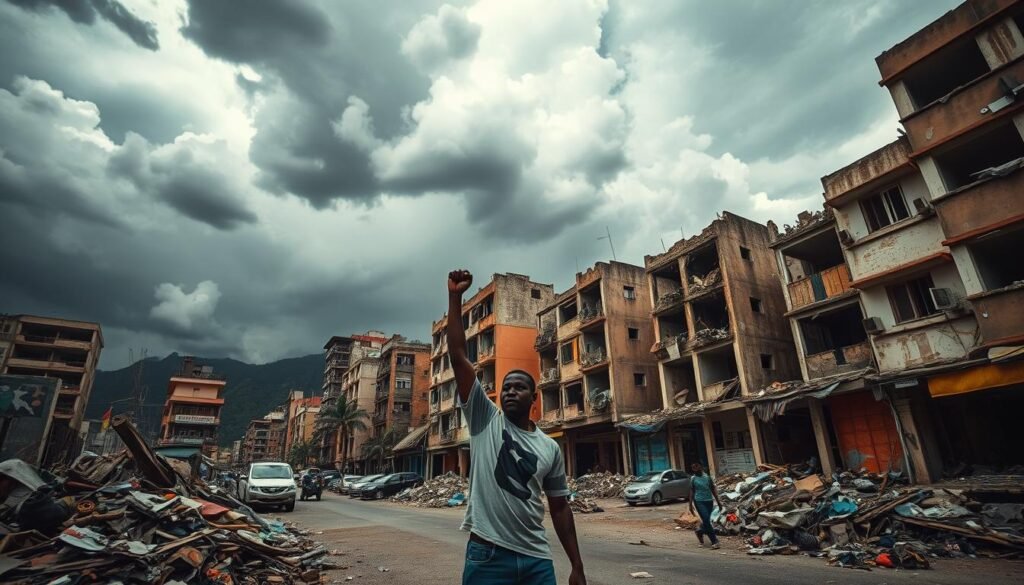
Foreign powers have historically played a significant role in shaping Haiti’s political landscape, often to the detriment of its democratic institutions. This has resulted in weakened electoral systems and compromised judicial independence.
The electoral process in Haiti has been repeatedly undermined by external interference, leading to elections that are neither free nor fair. This has resulted in leaders who lack legitimate popular support.
The judiciary in Haiti has faced significant challenges to its independence, often due to political pressure from leaders installed or supported by foreign powers. This compromises the rule of law and erodes public trust in the legal system.
Corruption is a pervasive issue in Haiti, exacerbated by governance failures. The misappropriation of public resources and deterioration of public services are direct consequences of compromised leadership.
Leaders influenced or installed by foreign powers often prioritize personal gain over public welfare, leading to the misappropriation of funds meant for critical public services.
As a result of corruption and misappropriation, public services in Haiti have significantly deteriorated. This includes healthcare, education, and infrastructure, which are essential for the well-being of the population.
As “The influence of foreign powers on Haiti’s governance structures has led to a cycle of dependency and corruption, undermining the very foundations of democracy.”
As foreign influence continues to shape Haiti’s leadership, the Haitian people are fighting back with resilience and determination. This resistance is multifaceted, involving various segments of Haitian society.
Grassroots movements and civil society organizations are playing a crucial role in challenging foreign control. These groups are mobilizing communities and advocating for Haitian sovereignty.
Youth-led protest movements are a significant force, using social media and public demonstrations to voice their opposition to foreign interference.
Community-based initiatives are providing alternatives to foreign aid, focusing on sustainable development and local empowerment. These projects are helping to build resilience against external control.
Independent political figures who resist foreign influence face significant challenges. Despite these obstacles, they remain crucial to Haiti’s political future.
Nationalist politicians often face threats and intimidation from those who support foreign-backed leadership.
The media portrayal of leaders who oppose foreign influence can be negative, often being labeled as anti-progress or radical.
Rethinking international engagement with Haiti involves shifting towards models that foster genuine partnership and respect for sovereignty. This approach not only benefits Haiti but also enhances the effectiveness of international cooperation.
Respectful partnership models are crucial for sustainable development. They involve mutual understanding and shared goals between Haiti and its international partners.
South-South cooperation has emerged as a valuable model, where countries with similar development challenges share experiences and resources. For instance, countries like Brazil and India have successfully collaborated with Haiti in areas such as agriculture and healthcare.
Transparent aid models ensure that assistance is delivered efficiently and effectively, minimizing bureaucratic hurdles. This transparency fosters trust and ensures that aid reaches those who need it most.
Balancing the need for international assistance with the preservation of Haitian sovereignty is a delicate but necessary task. It requires careful planning and coordination.
Haitian-led initiatives empower local communities and ensure that development projects are tailored to the country’s specific needs. This approach has shown promising results in various sectors, including education and infrastructure.
International solidarity can be achieved without compromising Haiti’s sovereignty. This involves supporting Haitian-led projects and respecting the country’s decision-making processes.
| Model | Description | Benefits |
|---|---|---|
| South-South Cooperation | Collaboration between countries with similar challenges | Shared experiences, resource sharing |
| Haitian-Led Development | Projects led by Haitian communities | Tailored solutions, community empowerment |
| Transparent Aid | Aid delivery with minimal bureaucracy | Efficiency, trust building |
Haiti’s history has been marked by foreign intervention, shaping the country’s leadership to serve external interests. The pattern of foreign powers elevating compromised leaders has hindered Haiti’s progress toward true sovereignty.
To break this cycle, it’s essential to promote Haitian self-determination and support local initiatives. By empowering grassroots movements and independent political figures, Haiti can begin to assert its sovereignty and build a more equitable future.
Breaking the cycle of foreign-selected leadership requires a multifaceted approach. It involves not only resisting external influence but also fostering a culture of transparency and accountability within Haitian governance. By doing so, Haiti can move toward a more democratic and sovereign future, where leadership is chosen by the people, not dictated by foreign powers.
Ultimately, achieving Haitian sovereignty will depend on the ability to balance international engagement with the need for self-determination. By adopting alternative approaches to international cooperation, Haiti can ensure that its leadership serves the interests of its people, rather than foreign powers.
Haiti has experienced foreign intervention since colonial times, with significant events including the Haitian Revolution, U.S. occupation from 1915 to 1934, and the Duvalier regime, all of which have shaped the country’s leadership and political landscape.
Haiti’s proximity to the United States, its geopolitical significance in the Caribbean, and its natural resources make it a point of interest for various foreign entities seeking economic and political leverage.
“Selection by design” refers to the practice of foreign powers deliberately elevating compromised leaders in Haiti to further their own interests, often at the expense of Haitian sovereignty.
International organizations like the IMF, World Bank, and UN missions have played significant roles in shaping Haiti’s economic and political trajectory, often through mechanisms like structural adjustment programs and loan conditionality that have contributed to economic dependency.
Foreign powers often prefer leaders with business connections to foreign interests, malleable ideologies, and weak popular support, making them more susceptible to external influence and control.
Economic dependency, fueled by debt and aid conditionality, undermines Haitian sovereignty by limiting the government’s ability to make independent decisions and by aligning Haitian policies with the interests of foreign donors.
Alternative approaches include models for respectful partnership, such as South-South cooperation, transparent aid, and Haitian-led development initiatives, which prioritize Haitian sovereignty and self-determination.
Haitians have resisted foreign influence through grassroots movements, civil society efforts, and independent political figures who promote sovereignty and challenge foreign-selected leadership.
Foreign-selected leadership has undermined Haitian democracy by weakening electoral systems, compromising judicial independence, and fostering corruption, leading to governance failures and erosion of public trust.