Physical Address
304 North Cardinal St.
Dorchester Center, MA 02124
Physical Address
304 North Cardinal St.
Dorchester Center, MA 02124
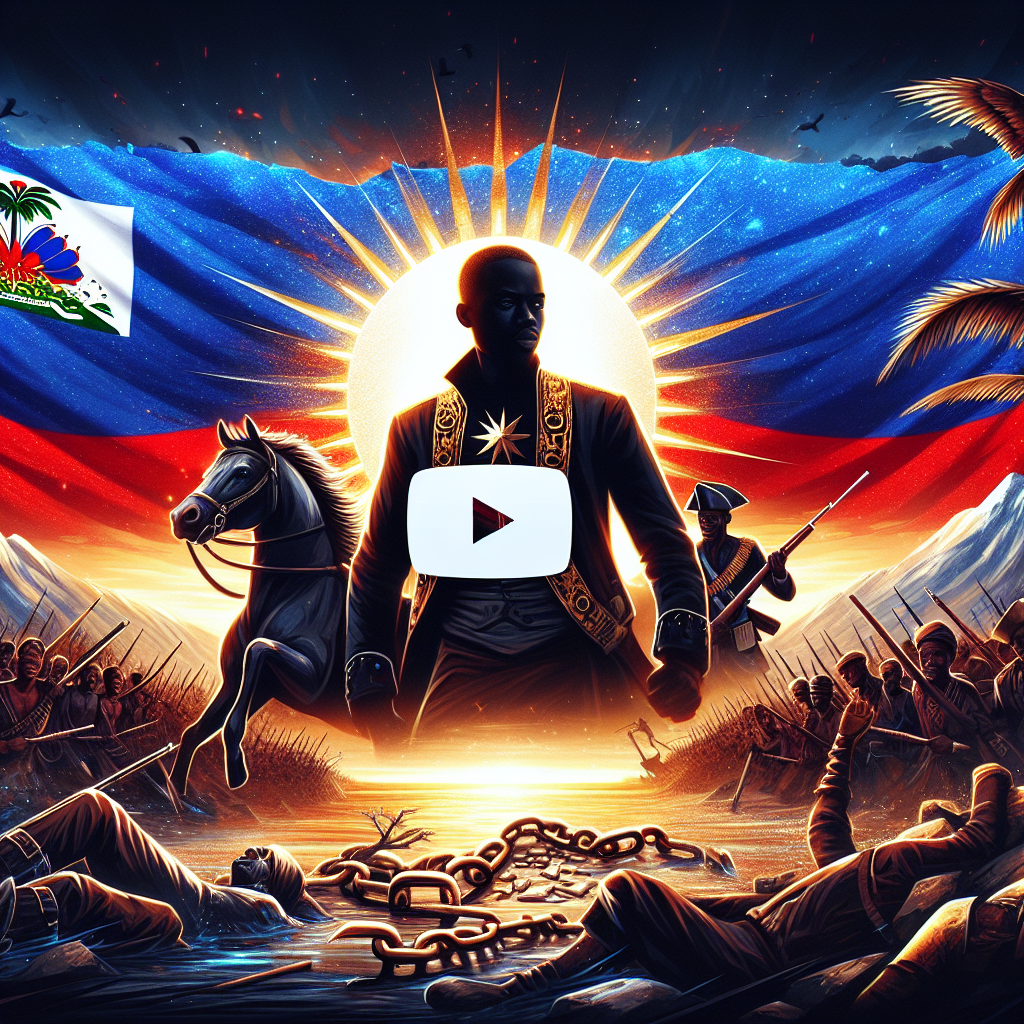
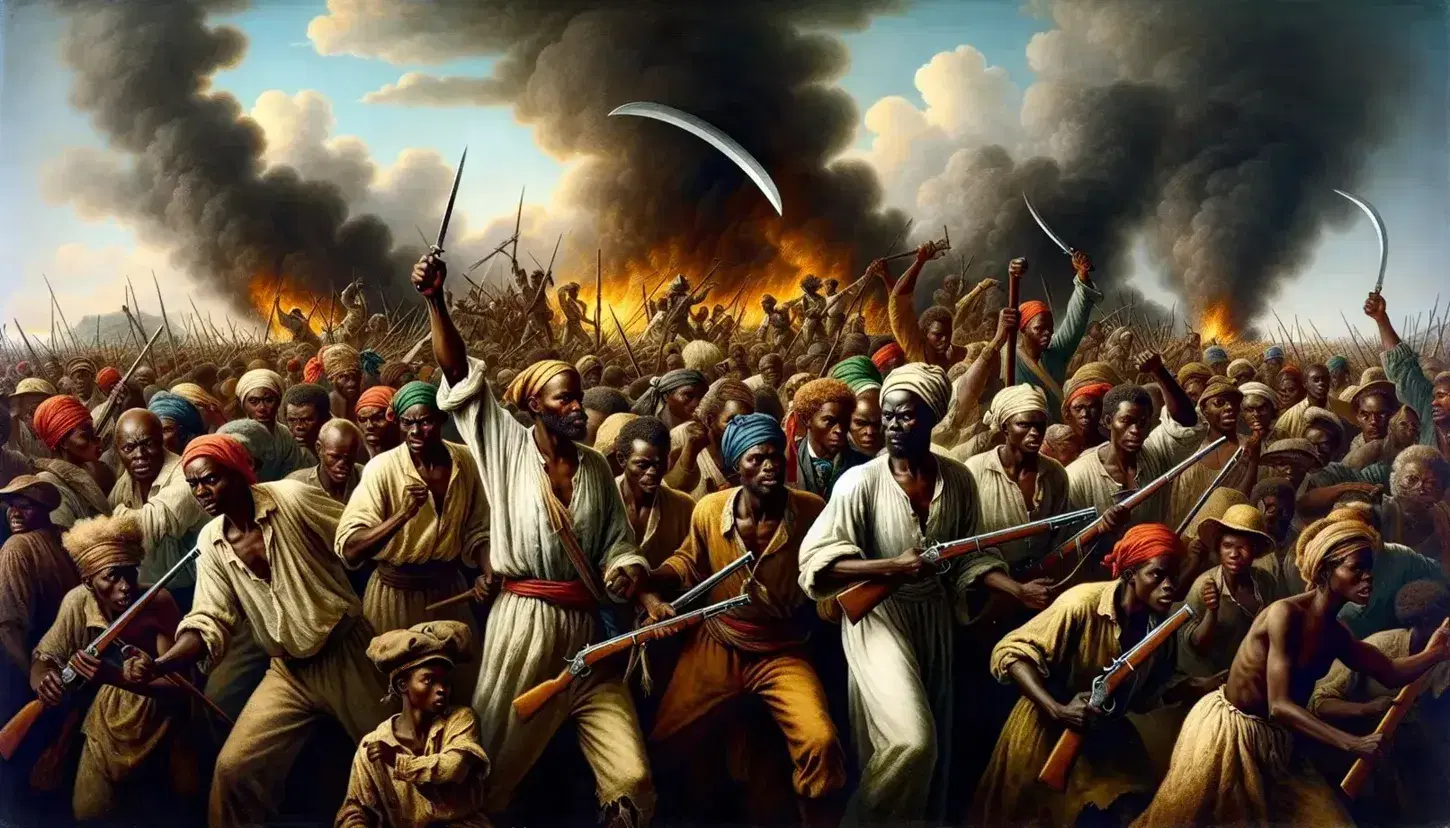
There’s a painful irony in Haiti’s modern story. The nation that once defeated three European empires, the people who declared that freedom was non-negotiable and proved it with their blood—this same nation now struggles with poverty, political instability, and a narrative dominated by crisis rather than triumph.
But here’s the truth that often gets buried beneath the rubble of earthquakes and the chaos of headlines: Haiti’s greatest resource has never been its sugar, its coffee, or even its strategic location. It has always been its revolutionary spirit—and that spirit is not dead.
Walk through Port-au-Prince today, and you’ll find monuments to Toussaint Louverture, Jean-Jacques Dessalines, and Henri Christophe. You’ll see the national colors—blue and red—that Dessalines created by tearing the white from the French tricolor, symbolizing the removal of white colonialism from the nation’s future. You’ll hear the national motto: “L’Union Fait La Force” (Unity Makes Strength).
Yet somewhere between 1804 and today, a disconnect occurred. The descendants of revolutionaries who knew they could achieve the impossible have been told, repeatedly, that they are incapable. Told by international media. Told by failed foreign interventions. Told by the weight of debt, dictatorships, and disasters.The most insidious form of colonialism is the colonialism of the mind—and Haiti has been subject to two centuries of psychological warfare designed to make the world forget, and Haitians themselves doubt, what they accomplished.
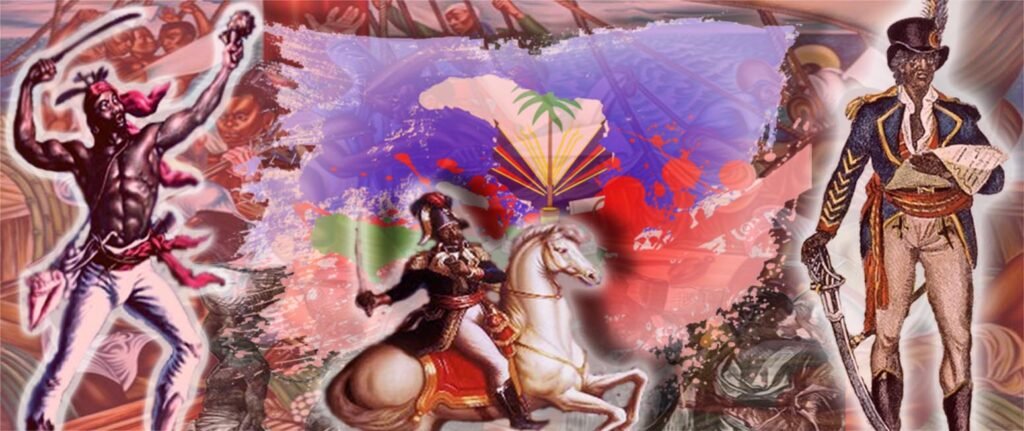
The Haitian Revolution wasn’t just about political independence. It was rooted in a profound revolutionary consciousness that understood several truths:Collective Power Over Individual Survival The enslaved people who rebelled in 1791 knew they might die. They chose freedom over survival, and collective liberation over individual safety. This wasn’t recklessness—it was a clear-eyed understanding that some things are worth fighting for, and that real change requires sacrifice. Self-Determination Is Non-Negotiable Haiti’s founders refused to accept freedom as a gift from France or anyone else. When France’s revolutionary government offered limited rights, the Haitian revolutionaries demanded total independence. They understood that freedom granted can be freedom revoked. Universal Human Dignity Haiti’s 1805 Constitution declared that all citizens, regardless of color, would be known as “Black” and that slavery was forever abolished. The nation became a refuge for freedom seekers. When Simón Bolívar was defeated and exiled, Haiti gave him sanctuary, weapons, and support—asking only that he free enslaved people in return. This was revolutionary internationalism in action. Economic Independence Matters The revolutionaries understood that political freedom meant nothing without economic self-sufficiency. They destroyed the plantation system not just because it was brutal, but because they knew they had to build a new economic model that didn’t depend on exploitation.
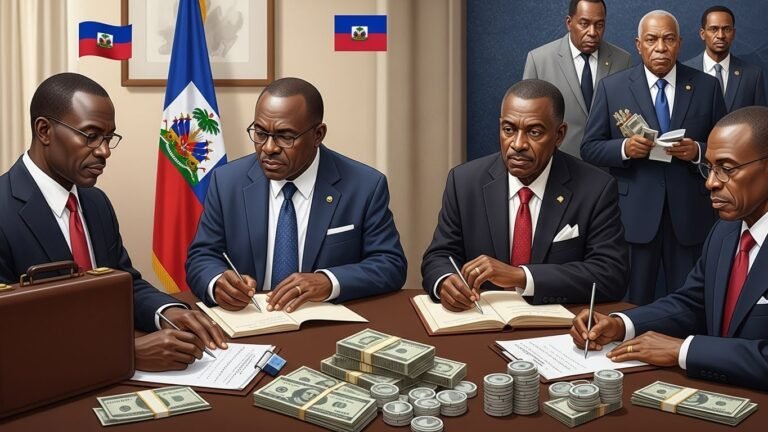
Haiti’s revolutionary identity was systematically attacked from the moment of independence:The Indemnity: France’s demand for 150 million francs (later reduced to 90 million) in 1825 forced Haiti to borrow from French banks at crushing interest rates. Haiti didn’t finish paying this debt—for the “crime” of freeing themselves—until 1947. Recent studies estimate this debt cost Haiti between USD 21-115 billion in lost economic growth. Diplomatic Isolation: The world’s powerful nations refused to trade with, recognize, or support Haiti, fearing the example it set. Haiti was made a pariah for the sin of successful Black revolution. Internal Divisions: Without external support and burdened by debt, Haitian leaders often resorted to authoritarianism to maintain order. The unity that won the revolution fractured under the pressure of building a nation that the world wanted to fail. Foreign Occupation: The U.S. occupation (1915-1934) reinforced racial hierarchies, reinstated forced labor, and installed leaders who served American rather than Haitian interests. Dictatorship and Corruption: The Duvalier regimes (1957-1986) used revolutionary imagery while betraying revolutionary principles, creating a painful association between Haitian identity and oppression.
Each blow was designed to make Haitians forget who they were. And for many, it worked.
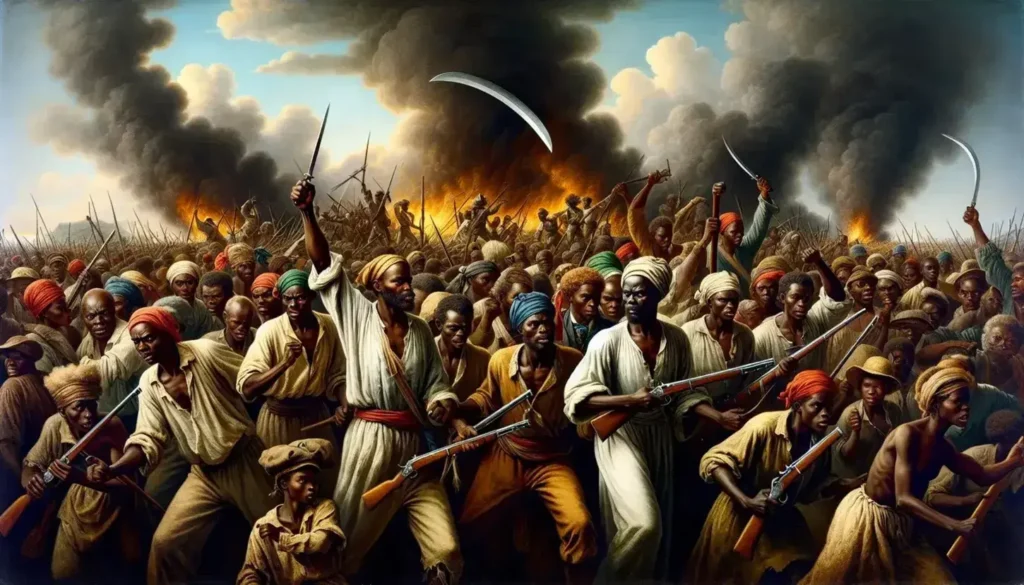
Reclaiming Haiti’s revolutionary identity doesn’t mean returning to 1804. It means applying revolutionary principles to 21st-century challenges:From Dependency to Self-Determination
Haiti has been the recipient of billions in foreign aid, yet remains desperately poor. Why? Because aid often comes with conditions that serve donor interests, undermines local capacity, and creates dependency. A revolutionary approach demands: What do we need to build, and how do we build it ourselves?
This doesn’t mean rejecting partnership—the Haitian Revolution succeeded partly because of strategic alliances. It means insisting on Haitian-led solutions to Haitian problems.From Division to Unity
The revolution succeeded because enslaved Africans, free people of color, and even some sympathetic whites united around a common vision. Today’s Haiti is fractured by class, color, geography, and politics. Reclaiming revolutionary identity means asking: What vision is big enough to unite us again?From Survival to Vision
When you’re in crisis mode—whether from earthquakes, hurricanes, or violence—you focus on surviving today. But the revolutionaries weren’t just surviving; they were building toward a vision of what Haiti could be. Modern Haiti needs to move beyond crisis management to articulate and pursue a bold vision of what the nation can become.From Shame to Pride
Perhaps most importantly, reclaiming revolutionary identity means rejecting the narrative of Haitian failure. Haiti didn’t fail—Haiti was sabotaged, systematically and intentionally, for two centuries. Acknowledging this isn’t making excuses; it’s understanding context. And understanding context allows you to change the trajectory.
Over two million Haitians live abroad, many maintaining deep connections to their homeland. The diaspora represents not brain drain but distributed strength—Haitians who have gained skills, capital, and connections that could be leveraged for Haiti’s development.
But diaspora engagement must be guided by revolutionary principles: investment, not charity. Partnership, not paternalism. Building capacity, not dependency. The diaspora can help Haiti reclaim its identity by bringing resources while remembering that Haitians in Haiti must lead.
The spirit isn’t dead—it’s dormant, waiting to be awakened:
Reclaiming Haiti’s revolutionary identity requires:Education: Every Haitian child should learn not just that Haiti won independence, but how—through strategy, sacrifice, unity, and unshakeable belief in their own worth and capability. Economic Revolution: Building enterprises, cooperatives, and industries that create wealth within Haiti and for Haitians, breaking cycles of extraction and dependency. Political Transformation: Demanding leaders who serve the people rather than themselves or foreign interests. The revolutionaries fought for self-determination—modern Haiti must exercise it. Cultural Renaissance: Celebrating and elevating Haitian culture—Kreyòl, Vodou, art, music—as sources of strength rather than marks of shame. Solidarity: Supporting Haitians and Haiti-led initiatives, while building international alliances based on mutual respect, not pity.
Haiti is not a failed state. Haiti is a nation that succeeded at the impossible and has been paying the price ever since. Haiti’s poverty is not proof of Black inability—it’s proof of how threatened the world was by Black success.To reclaim Haiti’s revolutionary identity is to remember this truth: The same people who achieved what no one thought possible in 1804 are capable of achieving what seems impossible today.
It means telling Haitian children not just that their ancestors were enslaved, but that their ancestors freed themselves when the entire world said it couldn’t be done.
It means understanding that Haiti’s challenges, though real and urgent, are not evidence of inherent failure but the predictable result of centuries of systematic opposition.
And it means believing—truly believing—that the revolutionary spirit that broke the world once can break the cycles of poverty, violence, and despair that bind Haiti now.Haiti doesn’t need saving. Haiti needs the space, support, and solidarity to save itself—just as it did 220 years ago.
The revolution isn’t over. It was only interrupted. And it’s time to remember who we are.Haiti’s revolutionary identity isn’t history—it’s inheritance. The question is not whether the spirit remains, but whether this generation will claim it and carry it forward.