Physical Address
304 North Cardinal St.
Dorchester Center, MA 02124
Physical Address
304 North Cardinal St.
Dorchester Center, MA 02124

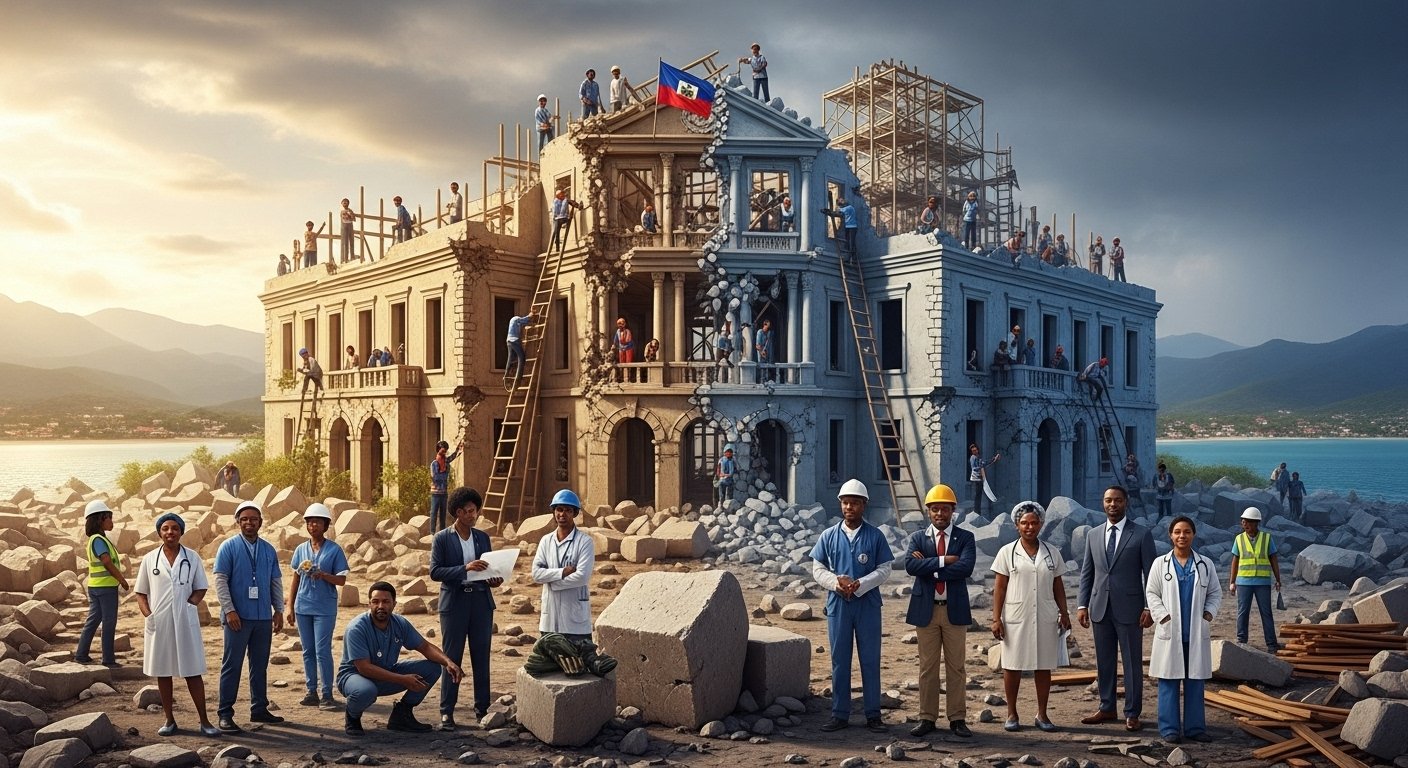
Overcome the shame of dysfunctional Haitian institutions and rebuild from the ruins. Discover how to move forward.
Haiti’s history is marked by dysfunctional institutions that have hindered its development. The legacy of these institutions has led to a pervasive sense of shame among Haitians. However, there is hope for rebuilding Haiti into a nation with effective and fair institutions.
The journey to overcoming shame begins with acknowledging the past and working towards a better future. By understanding the root causes of dysfunctional Haitian institutions, we can start to rebuild and create a more just society.
The current state of Haitian institutions is characterized by a complex interplay of historical, political, and social factors. These institutions, which are fundamental to the functioning of a stable society, are facing significant challenges.
Haitian institutional failures manifest in various ways, including ineffective governance, corruption, and a lack of transparency. These failures have led to a deterioration in public services and a loss of trust in government.
Measuring the depth of dysfunction within Haitian institutions requires a nuanced understanding of the complex issues at play. It involves assessing the impact of corruption, inefficiency, and lack of accountability on the overall functioning of these institutions.
Areas of critical concern include the justice system, public administration, and economic governance. These sectors are crucial for ensuring the rule of law, delivering public services, and promoting economic development. Addressing the institutional failures in these areas is vital for Haiti’s progress.
The roots of Haiti’s institutional failures are deeply embedded in its colonial past and subsequent governance challenges. Haiti’s history is complex, with various factors contributing to its current institutional weaknesses.
Haiti was a French colony, Saint-Domingue, known for its brutal slave regime. The colonial legacy has had a lasting impact on Haiti’s social and political structures. The exploitation and mistreatment of the enslaved population created deep social divisions that persist today.
After gaining independence in 1804, Haiti faced significant governance challenges. The new nation struggled to establish a stable government, with internal conflicts and external pressures hindering its development. The lack of a strong institutional framework led to ongoing instability.
In recent decades, Haiti has experienced continued political instability, with frequent regime changes and periods of unrest. This instability has weakened institutions, making it difficult to implement long-term reforms.
| Historical Factor | Impact on Institutions |
|---|---|
| Colonial Legacy | Social divisions and exploitation |
| Post-Independence Challenges | Lack of stable governance |
| Political Instability | Institutional weakness and unrest |
Understanding these historical factors is crucial for addressing Haiti’s institutional weaknesses. By examining the colonial legacy, post-independence challenges, and recent political instability, we can better comprehend the complexities of Haiti’s current situation.
The dysfunctional state of Haitian institutions has a profound human cost, affecting everything from personal safety to economic opportunity. This impact is felt deeply by the average citizen, influencing their daily lives in numerous ways.
The failure of institutions to provide basic services such as healthcare, education, and security directly affects the quality of life for Haitians. For instance, inadequate healthcare infrastructure results in poor health outcomes, while insufficient security measures leave citizens vulnerable to crime and violence.
Moreover, the lack of effective governance leads to infrastructural challenges, including poor road conditions and unreliable electricity, further diminishing the quality of life.
Haiti’s institutional failures contribute significantly to brain drain and the formation of a diaspora. Many of Haiti’s most talented individuals seek opportunities abroad due to the lack of prospects and stability at home. This not only deprives the country of much-needed skilled labor but also results in a significant loss of potential leaders and innovators.
The persistent failure of institutions erodes public trust in government and other critical organizations. When citizens feel that their leaders are not working in their best interest, it fosters a sense of disillusionment and hopelessness. Rebuilding this trust is crucial for the stability and progress of Haitian society.
In conclusion, the human cost of institutional failure in Haiti is multifaceted, affecting the daily lives of citizens, driving brain drain, and eroding public trust. Addressing these challenges is essential for rebuilding a more resilient and prosperous Haiti.
Institutional shame in Haiti is a complex issue that affects both the collective identity and individual well-being. It’s a sentiment rooted in the country’s historical and contemporary institutional failures.

The distinction between collective shame and individual responsibility is crucial. While institutions fail at a systemic level, it’s essential to recognize that the burden of shame shouldn’t solely rest on individuals. Instead, it’s a collective issue requiring a shared responsibility to address.
The psychological impact of living with dysfunctional institutions can be profound. Citizens often experience feelings of helplessness, frustration, and shame. This emotional toll can hinder social cohesion and collective progress.
To overcome institutional shame, Haiti must shift its narrative towards empowerment. This involves:
By changing the narrative, Haitians can begin to heal and work together towards a more stable and prosperous future.
Global perceptions of Haiti are multifaceted, reflecting both the challenges it faces and its resilience. The international community’s view of Haiti is influenced by various factors, including its history, cultural heritage, and current socio-political landscape.
Haiti is often seen as a country with significant development challenges, including political instability and economic hardship. However, it is also recognized for its rich culture, historical significance, and the resilience of its people. The global community’s perception of Haiti is crucial as it influences international cooperation, foreign aid, and diplomatic relations.
Foreign aid has been a significant factor in Haiti’s development, providing essential support in times of crisis. However, it also poses challenges, such as creating dependency and undermining local capacities. The effectiveness of foreign aid depends on its alignment with Haiti’s development priorities and its ability to support sustainable, locally-led initiatives.
| Aspect | Positive Impact | Negative Impact |
|---|---|---|
| Foreign Aid | Provides immediate relief and support | Can create dependency on external aid |
| International Partnerships | Fosters cooperation and knowledge sharing | May impose external solutions on local contexts |
Redefining international partnerships is crucial for Haiti’s sustainable development. This involves shifting from aid dependency to mutually beneficial partnerships that respect Haiti’s sovereignty and support its development priorities. Such partnerships can help build local capacities, promote economic growth, and enhance Haiti’s global standing.
Transforming Haiti’s institutions is not just about rebuilding structures, but about restoring hope and dignity. The process of rebuilding Haiti requires a comprehensive approach that addresses the historical, social, and economic factors contributing to institutional dysfunction.
The first step in overcoming shame is acknowledging its presence and impact on the collective psyche of the Haitian people. By confronting the shame associated with institutional failures, Haitians can transform this feeling into a powerful motivator for change.
Haiti can draw valuable lessons from other nations that have successfully navigated post-crisis institutional renewal. For instance, countries like Rwanda and South Korea have implemented innovative governance reforms and economic strategies that could be adapted to Haiti’s context.
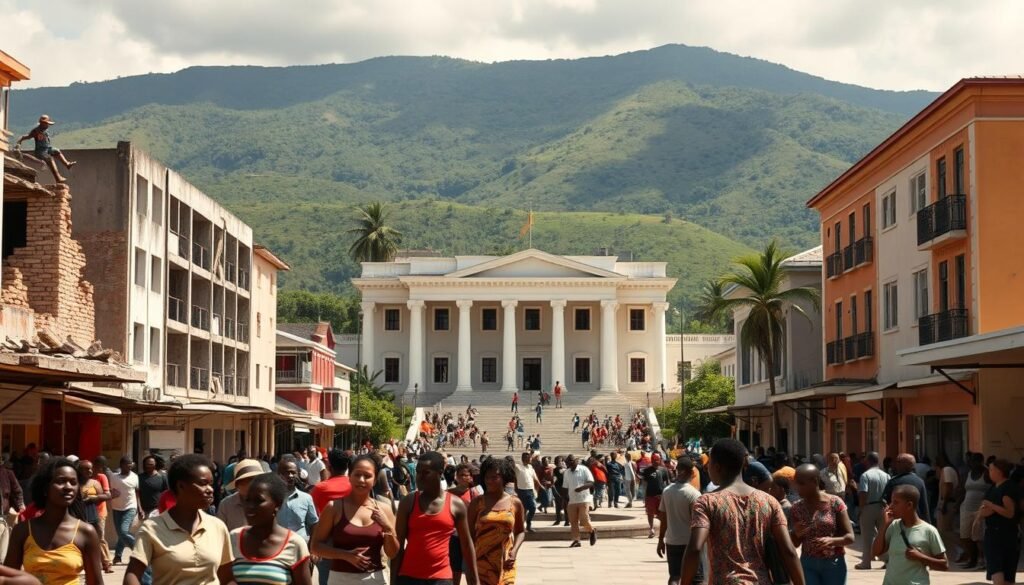
A crucial aspect of institutional renewal is the creation of a shared vision that encompasses the aspirations of all Haitians. This involves:
By working together towards a common goal, Haitians can overcome the shame of the past and build a brighter future.
Rebuilding Haiti’s institutions involves adopting successful reform models, both domestically and internationally, to create a robust framework for governance. This approach not only strengthens the foundation of Haitian institutions but also fosters an environment conducive to sustainable development.
Haiti has experienced periods of relative stability and reform in its history, offering valuable lessons. For instance, the early years of Haitian independence saw efforts to establish a functional governance system despite numerous challenges. Analyzing these historical attempts at reform can provide insights into what worked and what didn’t, helping to inform current institutional reform efforts.
Other countries have faced similar challenges and have implemented successful reforms. For example, Singapore’s transformation into a corruption-free society is a notable case study. By understanding the strategies employed by such nations, Haiti can adapt these global best practices to its unique context, enhancing the effectiveness of its reform initiatives.
While learning from international experiences is crucial, it’s equally important to tailor these lessons to Haiti’s specific needs and circumstances. This involves a careful analysis of the country’s cultural, economic, and political landscape to ensure that adopted reforms are sustainable and beneficial. By combining global best practices with local insights, Haiti can develop a robust and effective institutional reform framework.
The rebuilding of Haitian institutions is a complex task that demands the involvement of various stakeholders, including government, citizens, diaspora, and international partners. As Jean-Max Bellerive, former Prime Minister of Haiti, once emphasized, “Rebuilding institutions is not just about reconstructing buildings; it’s about rebuilding trust and strengthening the social fabric.”
Effective government leadership is crucial in driving institutional reforms. This involves not only formulating policies but also ensuring their implementation and accountability. As stated by World Bank experts, “Good governance is about the effective implementation of policies, not just their formulation.”
Citizen participation is vital for the success of institutional rebuilding. Grassroots movements can drive change by demanding transparency and accountability from their leaders.
“The power of the people is greater than the power of the government,” said Daniel Dorsainvil, a Haitian activist, highlighting the importance of citizen engagement.
The Haitian diaspora plays a significant role in the country’s development. Their contributions, both financial and in terms of knowledge transfer, are invaluable. As Dr. Louis De Gré, a Haitian diaspora member, noted, “The diaspora can be a catalyst for change by bringing new ideas and resources to Haiti.”
International partners can provide critical support in Haiti’s rebuilding efforts. However, their engagement must be responsible and aligned with Haiti’s needs and priorities. The United Nations has emphasized the importance of “partnerships that are inclusive and responsive to the needs of the Haitian people.”
In conclusion, rebuilding Haitian institutions requires a collaborative effort from all stakeholders. By working together and leveraging their unique strengths, Haiti can overcome its institutional challenges and build a more prosperous future.
As Haiti embarks on the journey of rebuilding its institutions, technology and innovation are poised to play a pivotal role. The integration of digital solutions can significantly enhance governance, making it more efficient and responsive to the needs of citizens.
Digital governance solutions can streamline administrative processes, reduce bureaucracy, and improve service delivery. For instance, online platforms can facilitate citizen engagement, enable easier access to public services, and provide real-time updates on government initiatives.
Technology over an informal system can be a powerful tool in combating corruption. Blockchain and other transparent ledger technologies can ensure accountability in financial transactions and public procurement processes. Moreover, digital platforms can facilitate whistleblowing and provide citizens with mechanisms to report irregularities.
For technology to be effectively leveraged, it’s crucial to build the necessary technological capacity within Haitian institutions. This involves investing in infrastructure, training personnel, and promoting a culture of innovation. By doing so, Haiti can create a robust foundation for sustainable institutional development.
Haiti’s path to institutional renewal involves implementing governance reforms, enhancing education, and developing infrastructure. This multifaceted approach is crucial for overcoming the challenges posed by dysfunctional institutions.
Strengthening governance and combating corruption are foundational to Haiti’s institutional renewal. This can be achieved through:
Improving education and building capacity are vital for a skilled workforce that can support institutional renewal. Strategies include:
Developing robust infrastructure and economic foundations is essential for sustainable development. Key initiatives include:
| Area | Initiatives |
|---|---|
| Infrastructure | Improving transportation networks, enhancing energy supply, and upgrading water and sanitation systems. |
| Economic Foundations | Fostering a business-friendly environment, supporting entrepreneurship, and stimulating investment. |
Adopting incremental approaches ensures that changes are sustainable and builds trust among citizens. This involves:
Rebuilding from ruins requires a collective effort to overcome the shame of dysfunctional institutions. Haiti’s journey toward a brighter future hinges on embracing a new vision for institutional renewal. By learning from past challenges and successes, Haitians can forge a path that prioritizes transparency, accountability, and citizen participation.
A new vision for Haiti’s future involves harnessing the potential of technology and innovation to drive governance reforms and economic growth. As Haitians work together to rebuild their institutions, they can create a more just and equitable society. This shared vision for institutional renewal can help restore public trust and foster a sense of national pride.
With a renewed focus on education, capacity building, and infrastructure development, Haiti can unlock its human potential and drive sustainable development. As the international community continues to support Haiti’s development, a new vision for the country’s future can be realized through collaborative efforts and a commitment to institutional renewal, ultimately shaping a brighter Haiti’s future.
The main causes include a complex mix of historical factors such as colonial legacy, post-independence governance challenges, corruption, oligarchy and recent decades of political instability, all of which have contributed to the current state of institutional weakness.
Dysfunctional institutions significantly impact the quality of life for everyday Haitians, contributing to issues such as brain drain, diaspora formation, insecurity and erosion of public trust, ultimately affecting their overall well-being.
Shame, particularly institutional shame, plays a significant role as it can manifest as a collective feeling among citizens, impacting their psychological well-being and perception of their nation’s capabilities, but it can also be transformed into motivation for change.
International perceptions can influence how Haiti is viewed globally, and foreign aid, while potentially beneficial, can also be a double-edged sword if not managed carefully, potentially perpetuating dependency rather than fostering self-sufficiency.
Successful models can be drawn from Haiti’s history as well as from lessons learned by other nations that have faced similar crises, including adapting global best practices to fit Haitian realities.
Different stakeholders, including government leadership, citizen participation through grassroots movements, diaspora communities, and good international partners, all play crucial roles in rebuilding institutions by promoting accountability, integrity, transparency, and responsible engagement.
Technology and innovation can significantly contribute to institutional rebuilding by providing digital solutions for governance challenges, enhancing transparency, and building technological capacity, thereby supporting more effective and accountable institutions.
Practical steps include implementing governance and anti-corruption measures, investing in education and capacity building, developing infrastructure, and adopting incremental approaches to achieve sustainable change.