Physical Address
304 North Cardinal St.
Dorchester Center, MA 02124
Physical Address
304 North Cardinal St.
Dorchester Center, MA 02124


Explore the distinction between true leaders and foreign-appointed puppets in this insightful article, "Puppets or Patriots: Distinguishing Real Leaders from Foreign Appointees."
In today’s complex geopolitical landscape, discerning genuine leadership from those influenced by foreign interests is crucial. The line between patriotic leaders and those serving foreign agendas can often be blurred.
Navigating this intricate issue requires a nuanced understanding of leadership and the subtle ways foreign influence can manifest. As we explore this topic, we will examine the characteristics that define patriotic leadership and how to identify potential foreign appointees.
This article aims to provide clarity on these critical issues, fostering a deeper understanding of what it means to be a patriotic leader in today’s world.
Throughout history, the impact of foreign influence on local leadership has been a recurring theme, shaping the course of nations. Leaders have often found themselves under the sway of external forces, whether through colonization, economic dependency, or political manipulation.
Historically, foreign influence in leadership is not a new phenomenon. In ancient times, empires such as the Romans and the Mongols installed puppet rulers in conquered territories to maintain control. Similarly, during the colonial era, European powers appointed local leaders or installed their own officials to govern colonized lands. These puppet regimes were designed to serve the interests of the ruling power, often at the expense of the local population.
Some notable examples include:
In the modern era, foreign influence has evolved, taking on more subtle forms. Globalization and technological advancements have created new avenues for external forces to shape leadership decisions. Economic leverage, political interference, and cyber operations are now common tools used by nations to influence other countries’ leadership.
The landscape of foreign influence continues to shift, with emerging technologies and global events reshaping how nations interact and exert control over one another. Understanding this historical context is crucial for identifying and mitigating the effects of foreign influence in contemporary leadership.
In the complex landscape of global politics, distinguishing between true patriots and leaders with foreign allegiances is a significant challenge. This distinction is crucial in understanding the dynamics of leadership and its impact on national sovereignty.
True patriotic leadership is characterized by a commitment to the nation’s interests and welfare. It involves making decisions that benefit the country in the long term, even if they are not immediately popular. Patriotic leaders prioritize their nation’s needs over personal or foreign interests.
Patriotic leadership is not just about rhetoric; it’s about actions and policies that reflect a deep understanding of and commitment to the nation’s values and interests. Such leaders are characterized by their ability to balance domestic needs with international responsibilities.
Foreign influence in leadership can range from subtle manipulation to outright control. This influence can be exerted through various means, including economic leverage, political pressure, or even clandestine operations. Understanding this spectrum of foreign influence is essential in identifying leaders who may be compromised.
Recognizing the signs of foreign allegiance in leadership is critical for maintaining national sovereignty. It requires a nuanced understanding of the complex interplay between domestic and international factors that shape a leader’s decisions.
The distinction between patriots and puppets in leadership roles is often blurred, necessitating a closer examination. To understand whether a leader is genuinely serving their nation’s interests or is merely a foreign appointee, it’s essential to delve into the characteristics that define independent and controlled leadership.
Independent leaders are characterized by their ability to make decisions based on national interests, free from undue foreign influence. In contrast, controlled leaders or foreign appointees often prioritize the interests of their foreign backers over those of their own nation.
Key characteristics of independent leaders include:
On the other hand, controlled leaders may exhibit behaviours such as:
Leadership autonomy exists on a spectrum, and the distinction between independent and controlled leadership is not always clear-cut. Various factors can influence a leader’s autonomy, including economic dependencies, political pressures, and geopolitical contexts.
| Factors Influencing Leadership Autonomy | Impact on Independent Leadership | Impact on Controlled Leadership |
|---|---|---|
| Economic Dependency | May limit decision-making capacity | Often results in prioritizing foreign interests |
| Political Pressure | Can challenge a leader’s autonomy | May lead to compromised national interests |
| Geopolitical Context | Can either support or undermine autonomy | Often dictates allegiance to foreign powers |
Understanding these complexities is crucial for discerning between truly patriotic leaders and those who may be serving foreign interests. By examining the factors that influence leadership autonomy, we can better navigate the nuances of global politics.
Foreign control in leadership is often achieved through a combination of economic, political, and covert operations. These mechanisms can be subtle, making it challenging to distinguish between genuine leadership and foreign influence.
Economic leverage is a powerful tool used by foreign entities to influence leadership. This can be achieved through:
Such economic dependency can compromise a leader’s ability to make independent decisions, aligning them more closely with foreign interests.
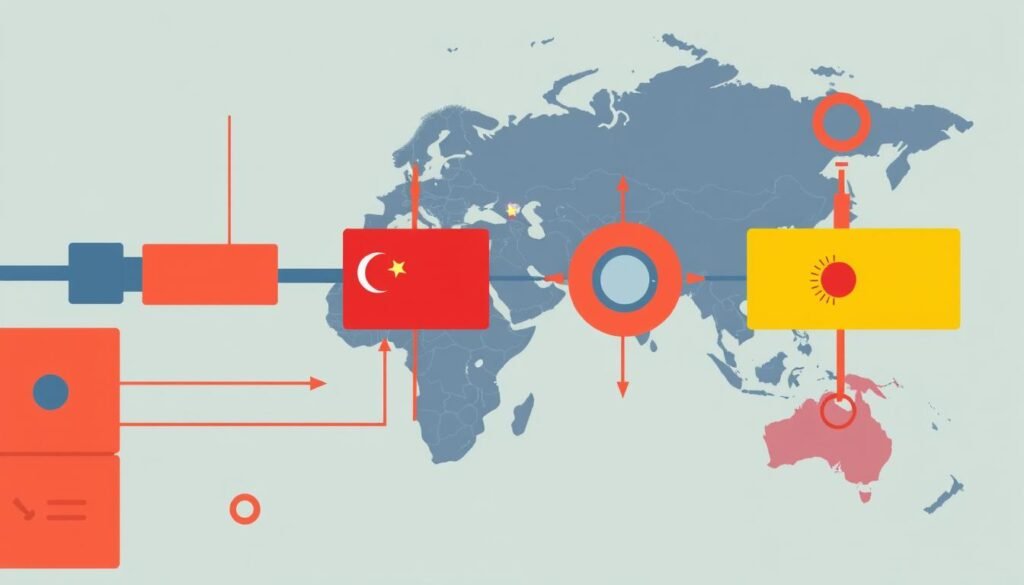
Political manipulation is another significant mechanism of foreign control. This can involve:
These actions can result in leaders who are beholden to foreign interests, undermining national sovereignty.
Blackmail and compromise operations represent more covert methods of exerting foreign control. Leaders may be compromised through:
These tactics can effectively neutralize a leader’s independence, forcing them to comply with foreign demands.
In conclusion, the mechanisms of foreign control in leadership are varied and complex. Understanding these mechanisms is crucial for identifying and mitigating foreign influence.
National leaders who prioritize their country’s interests exhibit distinct characteristics in their leadership approach. These leaders are not merely figureheads but are deeply invested in the welfare and progress of their nation.
Independent leaders are known for their strategic decision-making, often taking bold steps to secure their nation’s future. They are not swayed by external pressures but instead focus on what is best for their country.
Genuine national leaders prioritize policies that benefit their nation. This includes:
Effective economic policies are crucial for a nation’s prosperity. Leaders who prioritize their nation’s economic health often implement policies that encourage domestic production, protect local industries, and foster a favourable business environment.
A strong security and defence strategy is vital for safeguarding a nation’s sovereignty. Genuine leaders ensure that their country’s defence mechanisms are robust and capable of responding to potential threats.
By focusing on these key areas, national leaders can ensure that their decisions and policies truly reflect the best interests of their nation.
Discerning between genuine national leaders and those appointed by foreign entities requires careful observation of their actions and rhetoric. Foreign-appointed leadership often manifests through specific policy decisions and behaviours that favour foreign interests over national welfare.
Leaders under foreign influence tend to make policy decisions that benefit foreign entities at the expense of their own country’s interests. For instance, they might prioritize trade agreements that disproportionately favour foreign nations or enact policies that compromise national security.
“A nation’s leader should be the guardian of its interests, not the servant of foreign powers.”
The rhetoric and behaviour of foreign-appointed leaders often reveal their allegiance. Rhetorical indicators include public statements that align with foreign interests and diplomatic positions that consistently support foreign agendas.
Foreign-appointed leaders may make public statements that echo the talking points of foreign governments or organizations. Their diplomatic positions often align with the interests of foreign powers, even when these positions conflict with national interests.
Another indicator is how these leaders respond to international pressure. They may be overly compliant with demands from foreign governments or institutions, often at the expense of their own nation’s sovereignty.
By examining these signs, citizens and analysts can better understand whether a leader is truly representing their nation’s interests or serving foreign interests.
In the aftermath of colonialism, several leaders in developing nations stood out for their unwavering commitment to national sovereignty. These individuals not only resisted neocolonial influence but also worked tirelessly to ensure their countries’ economic and political independence.
Several notable leaders have made significant strides against neocolonialism. For instance, Jawaharlal Nehru of India and Kwame Nkrumah of Ghana were vocal about their resistance to foreign control. They implemented policies aimed at reducing dependency on former colonial powers and promoting self-sufficiency.
The actions of these leaders had profound economic and political consequences. By resisting neocolonial influence, they were able to implement policies that fostered economic growth and political stability. The table below highlights some key outcomes:
| Leader | Country | Economic Impact | Political Impact |
|---|---|---|---|
| Jawaharlal Nehru | India | Promoted industrialization and self-sufficiency | Consolidated democratic institutions |
| Kwame Nkrumah | Ghana | Invested in infrastructure development | Asserted independence from colonial legacy |
These case studies demonstrate that patriots in post-colonial and developing nations can achieve significant economic and political gains by resisting neocolonial influence. Their legacies continue to inspire contemporary leaders.
Suspicions of foreign interference in the political processes of Western democracies have sparked intense debate. The concern is not merely about the influence itself, but how it affects the fabric of democratic institutions and the trust the public places in them.
Recent years have seen numerous allegations of foreign control in the political arenas of Western democracies. For instance, the 2016 US Presidential Election was marred by allegations of Russian interference, which raised questions about the integrity of democratic processes. Similarly, in Europe, there have been concerns about the influence of foreign powers on electoral outcomes.
The impact of suspected foreign influence on democratic institutions is multifaceted. It erodes public trust, as citizens begin to question the legitimacy of their governments. As Robert Mueller once noted, “Foreign interference is a threat not just to the integrity of elections, but to the very foundations of our democracy.”
The consequences are far-reaching, affecting not just political outcomes but also the social fabric of these nations. Western democracies must address these challenges head-on, ensuring the integrity of their democratic institutions.
“The integrity of our democratic processes is not just a domestic issue, it’s a global concern that requires vigilance and cooperation among nations.”
By understanding the nuances of foreign influence and its impact, Western democracies can better navigate the complexities of maintaining their sovereignty in a globalized world.
Ethical leadership requires a delicate balance between national sovereignty and international cooperation. Leaders must navigate the complex landscape of global politics while remaining committed to their nation’s interests.
International cooperation is crucial for addressing global challenges such as climate change, economic inequality, and security threats. However, this cooperation must not come at the expense of national sovereignty.
Key Considerations:
Leaders must carefully weigh the benefits of international cooperation against the potential risks to their nation’s sovereignty.
Leaders have a moral responsibility to prioritize the welfare and interests of their citizens. This includes making decisions that promote economic growth, ensure national security, and protect the environment.
The moral imperative for leaders is to act in the best interests of their citizens, even when faced with difficult decisions.
| Moral Responsibility | Description | Example |
|---|---|---|
| Protecting National Interests | Making decisions that benefit the nation | Negotiating trade agreements that favour domestic industries |
| Ensuring National Security | Prioritizing the safety and security of citizens | Investing in defence infrastructure and cybersecurity |
| Promoting Economic Growth | Fostering an environment conducive to economic development | Implementing policies that support business growth and job creation |
In conclusion, the ethical dimensions of leadership independence require a nuanced understanding of the balance between international cooperation and national sovereignty, as well as the moral responsibilities of leaders to their citizens.
The ability of citizens to identify and respond to foreign influence is a cornerstone of democratic resilience. In an era where global connectivity is at an all-time high, the potential for foreign entities to shape domestic policies and political outcomes has never been more pronounced.
Citizen empowerment begins with critical media literacy, the ability to discern the credibility and bias of information sources. In a world where disinformation can spread rapidly, verifying information through reputable fact-checking organizations is crucial. As
“The role of the citizen is not to decide how to govern, but to influence those who govern.”
This highlights the importance of an informed citizenry in shaping national policies.
Beyond media literacy, civic engagement is vital for holding leaders accountable and ensuring that they serve the nation’s best interests. This includes participating in elections, engaging in public discourse, and demanding transparency from leaders. By doing so, citizens can mitigate the risks associated with foreign influence and foster a political environment that prioritizes national sovereignty.
Through a combination of critical media literacy and active civic engagement, citizens can empower themselves to recognize and respond to foreign influence effectively.
In today’s interconnected world, the challenge of maintaining leadership integrity is more complex than ever. As globalization continues to blur national borders, leaders must navigate a delicate balance between international cooperation and national sovereignty.
Effective leadership in this context requires a deep understanding of the fine line between collaboration and compromise. Leaders must prioritize the interests of their citizens while engaging with the global community. This balance is crucial for maintaining the trust of the people and ensuring that national interests are not compromised.
Citizens, too, have a critical role to play in holding their leaders accountable. By staying informed and engaged, they can help prevent foreign influence from undermining national sovereignty. As the world continues to evolve, it is clear that leadership integrity will remain a cornerstone of effective governance in a globalized world.
A patriot leader prioritizes their nation’s interests, while a puppet leader is influenced or controlled by foreign entities, often serving their interests over national needs.
Foreign control can be exerted through various mechanisms, including economic leverage, political manipulation, election interference, blackmail, and compromise operations.
Genuine national leaders exhibit decision-making patterns and policy priorities that reflect their nation’s interests, such as prioritizing economic policies and security stances that benefit their citizens.
Citizens can look out for policy decisions that favour foreign interests, rhetorical and behavioural indicators such as public statements and diplomatic positions, and responses to international pressure that may indicate foreign influence.
Critical media literacy is crucial in verifying information and uncovering foreign manipulation, enabling citizens to make informed decisions and hold their leaders accountable.
Citizens can promote democratic accountability through civic engagement, such as participating in elections, protests, and advocacy campaigns, to ensure that their leaders serve the nation’s best interests.
Balancing international cooperation with national sovereignty is essential for leaders to prioritize their nation’s interests while engaging with the global community, ensuring that their decisions benefit their citizens.
Yes, a leader can be patriotic and still engage in international cooperation, as long as their decisions prioritize their nation’s interests and do not compromise their sovereignty.