Physical Address
304 North Cardinal St.
Dorchester Center, MA 02124
Physical Address
304 North Cardinal St.
Dorchester Center, MA 02124
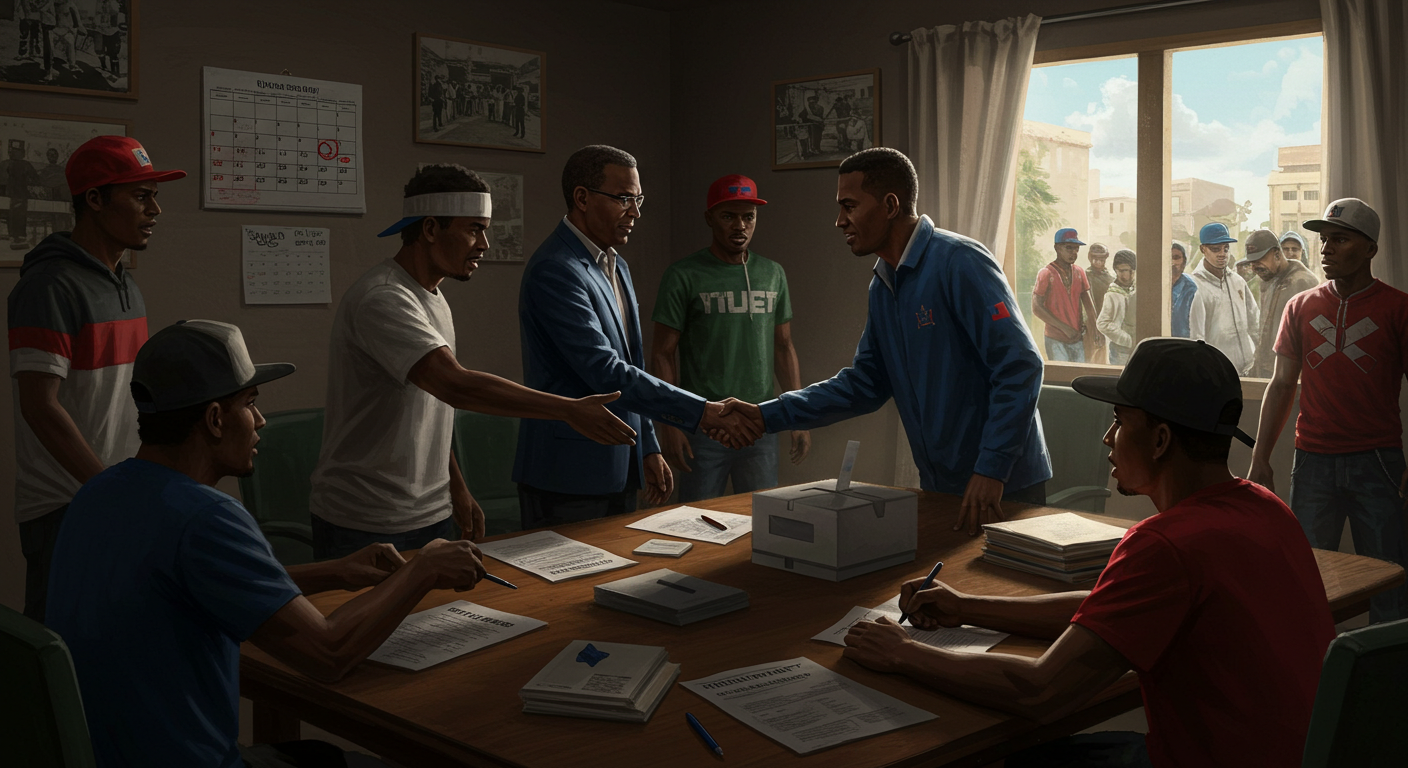
Uncover the troubling truth behind Haiti's gang-influenced elections and the perpetual failure of peace.
Haiti’s struggle for democratic stability is a complex issue, deeply rooted in its history and current challenges. The country’s electoral processes have been marred by gang influence, leading to perpetual failure in achieving genuine democratic progress.
The Haiti elections have become a farce, with gangs playing a significant role in shaping electoral outcomes. This has resulted in a lack of trust in the government and a sense of disillusionment among the Haitian people.
Understanding Haiti’s current political turmoil requires a deep dive into its historical context. The country’s political landscape has been shaped by a complex interplay of historical events and forces.
Haiti’s journey to independence in 1804 marked the beginning of its governance challenges. The early years were characterized by internal power struggles and external pressures.
The legacy of colonial rule had a lasting impact on Haiti’s political development. Exploitation and oppression under French colonial rule laid the groundwork for future instability. Post-independence, Haiti faced significant challenges, including economic burdens imposed by France and internal divisions.
Throughout its history, Haiti has experienced recurring patterns of political disruption, often triggered by contested elections and authoritarian rule. These disruptions have hindered the development of stable democratic institutions.
Political violence has been a persistent feature of Haitian politics, evolving over time in response to various factors.
The Duvalier era, marked by the rule of François and Jean-Claude Duvalier, was characterized by state-sponsored violence and repression. The Tonton Macoutes, a paramilitary force, was instrumental in maintaining the regime’s grip on power through fear and intimidation.
The end of the Duvalier regime in 1986 created a power vacuum, leading to a period of political instability and violence. This era saw the rise of various political actors and militias, further complicating Haiti’s governance landscape.
The ascent of gang power in Haiti’s political landscape is a complex issue deeply rooted in the country’s socioeconomic fabric. As economic and social factors continue to deteriorate, the influence of gangs has grown, intertwining with political processes.
Gang formation in Haiti is largely driven by poverty and unemployment, which serve as significant recruitment tools. Many young people are drawn into gangs due to the lack of economic opportunities.
The dire economic situation in Haiti has led to a rise in gang membership. With limited access to education and employment, many youths see gangs as a viable alternative for survival. As one report noted, “The lack of economic prospects has driven many young Haitians into the arms of gangs.”
Rapid urban migration has resulted in the expansion of slums, creating fertile ground for gang activity. These areas often lack basic services, making them vulnerable to gang control. The quote, “In the slums of Port-au-Prince, gangs have become the de facto authority,” highlights the extent of their influence.
Over time, Haitian gangs have evolved from mere street gangs to significant political actors. This transition has been marked by the development of Chimères and modern gang structures.
The emergence of Chimères as a political militia has been a critical factor in the politicization of gangs. Originally street gangs, they have become instrumental in political violence and intimidation.
Modern Haitian gangs have developed sophisticated structures and leadership. They have become adept at manipulating political processes, often through violence and intimidation. As noted by an observer, “Gangs have become pivotal in shaping electoral outcomes in Haiti.”
The gang-politics nexus in Haiti plays a pivotal role in shaping the country’s governance and electoral outcomes. This complex relationship is characterized by a deep-seated interdependence between political actors and gang leaders.
Political patronage is a cornerstone of Haiti’s gang-politics nexus. Politicians often forge alliances with gang leaders to secure electoral support.
Gangs offer protection to politicians and their supporters in exchange for electoral backing and other benefits. This exchange of protection for votes is a critical component of Haiti’s electoral processes.
Financial ties between politicians and gang leaders further entrench the gang-politics nexus. Politicians may provide financial support to gangs, which in turn mobilize voters and suppress opposition.
Gangs exert significant control over territories, influencing voting patterns and access to polling stations.
Gangs dominate specific neighborhoods, creating voting blocs that can significantly impact electoral outcomes. This territorial control allows gangs to dictate voting patterns.
Gangs also control access to polling stations, either facilitating or hindering voters’ ability to cast their ballots. This control can be a decisive factor in electoral success or failure.
| Aspect | Description | Impact |
|---|---|---|
| Political Patronage | Exchange of benefits between politicians and gangs | Electoral support and governance influence |
| Territorial Control | Gangs dominate neighborhoods and control polling access | Voting patterns and electoral outcomes |
Haiti’s electoral processes are often marred by gang influence, leading to a fragile peace that fails to translate into meaningful democratic governance. The complex dynamics between gangs, political actors, and electoral outcomes have resulted in a cycle of temporary stability followed by renewed violence.
The temporary ceasefires during electoral periods are a hallmark of Haiti’s gang-politics nexus. While these ceasefires may provide a brief respite from violence, they ultimately fail to address the underlying issues driving gang activity.
During elections, gangs and political actors often negotiate ceasefires to ensure a semblance of order. However, these agreements are typically short-lived and focused on maintaining a fragile peace rather than fostering genuine democratic engagement.
Once the electoral process is complete, violence often resumes as gangs revert to their previous activities. This resurgence undermines the legitimacy of elected governments and perpetuates a cycle of instability.
The international community often recognizes Haitian elections as legitimate, despite the significant influence of gangs on the electoral process. This recognition can create an illusion of democratic progress, masking the underlying challenges.
International observers may acknowledge the challenges in Haiti’s electoral processes but still validate the outcomes. This validation can lend credibility to governments that lack true democratic legitimacy.
Elected governments in Haiti often face legitimacy crises due to the perceived influence of gangs on their ascension to power. This perception can erode public trust and hinder the government’s ability to effectively govern.
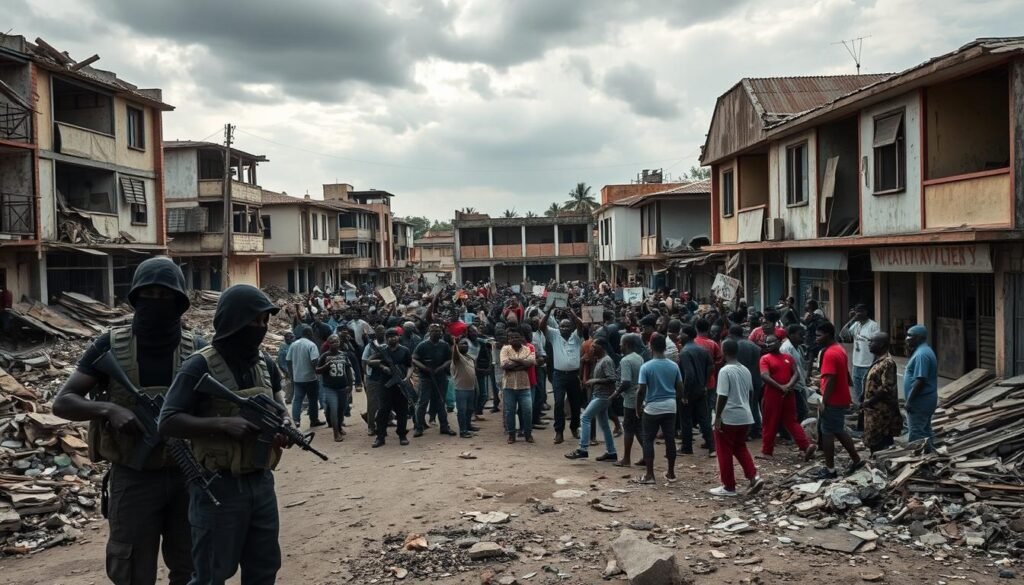
Gang influence has become a defining feature of Haitian electoral processes, undermining democratic progress. The intersection of gang power and electoral politics in Haiti has led to significant instability and challenges to the democratic process.
The 2016-2017 electoral crisis in Haiti was marked by significant gang influence, which affected the overall legitimacy of the electoral process.
Repeated delays in the electoral process allowed gangs to expand their territorial control, further entrenching their influence over local communities. This expansion was often accompanied by increased violence and intimidation.
The eventual victory of Jovenel Moïse in the 2016-2017 elections was contested by opposition parties, who cited irregularities and gang influence. Moïse’s presidency was marked by ongoing challenges related to gang violence and electoral legitimacy.
The assassination of President Jovenel Moïse in 2021 created a significant power vacuum, which gangs were quick to exploit. This event highlighted the ongoing issue of gang influence in Haitian politics.
Following Moïse’s assassination, gangs consolidated their power, filling the security vacuum left by the state’s inability to maintain order. This consolidation further entrenched gang influence in Haitian politics.
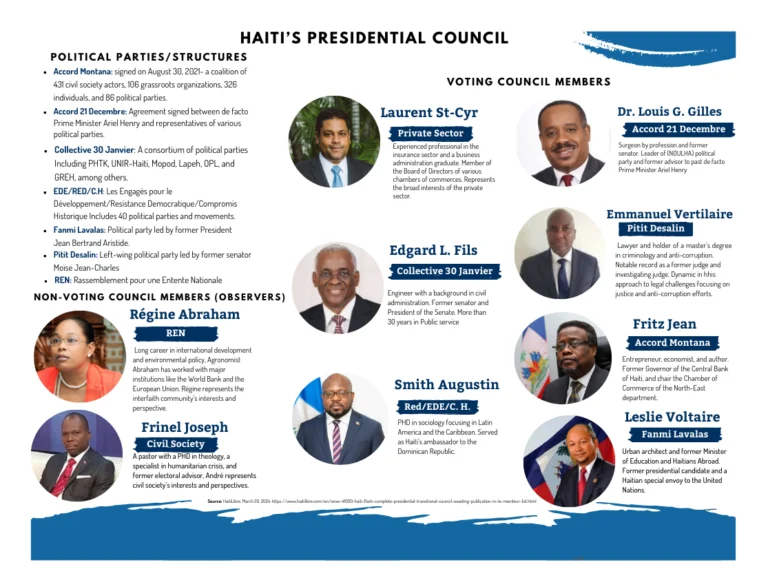
Attempts to establish a transitional government in the aftermath of Moïse’s assassination were met with resistance, partly due to gang influence over various political factions. This resistance hindered efforts to stabilize the political situation.
Haiti continues to face significant electoral challenges, with gang influence remaining a major obstacle to free and fair elections.
The formation of gang federations has further complicated the electoral landscape, as these groups form alliances with political actors to further their interests.
Efforts to reform the electoral process are ongoing, but these initiatives are threatened by the pervasive influence of gangs over political and electoral processes.
The mechanics of gang-facilitated elections in Haiti reveal a complex interplay of voter intimidation, suppression tactics, and compromised electoral officials. Gangs play a significant role in shaping the electoral landscape, often through coercive means.
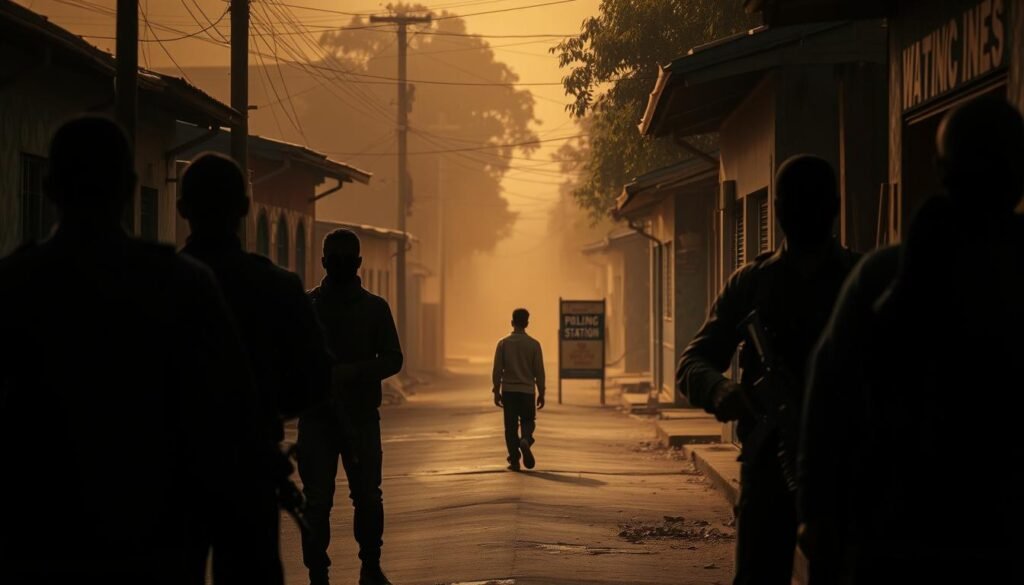
Gangs in Haiti employ various tactics to intimidate voters and suppress opposition support. These tactics undermine the democratic process and affect the legitimacy of electoral outcomes.
Gangs often target supporters of opposition parties, using violence to deter them from participating in the electoral process. This targeted violence creates a climate of fear, further entrenching gang control over electoral outcomes.
By controlling access to voter registration and voting processes, gangs can manipulate electoral participation. This control allows gangs to influence the outcome of elections, often to the benefit of their preferred candidates.
Ballot security is a critical aspect of electoral integrity, and gangs often compromise this security through various means.
Gangs may infiltrate or coerce electoral officials, compromising the integrity of the electoral process. This can involve manipulating voter registration data or influencing the counting of ballots.
The theft and manipulation of ballot boxes are significant threats to electoral integrity. Gangs may steal ballot boxes or alter the ballots to influence the outcome of elections.
In conclusion, the mechanics of gang-facilitated elections in Haiti involve a range of tactics that undermine electoral integrity. Addressing these issues is crucial to ensuring the legitimacy and fairness of Haiti’s electoral processes.
As Haiti continues to grapple with electoral difficulties, the international community’s role in supporting democratic processes has become increasingly crucial. The United Nations (UN) and the Organization of American States (OAS) have been at the forefront of this effort, implementing various interventions aimed at stabilizing Haiti’s political landscape.
The UN and OAS have undertaken several initiatives to address Haiti’s electoral challenges. These efforts have included peacekeeping missions and election monitoring, with mixed results.
Peacekeeping missions have played a significant role in maintaining order during Haitian elections. However, these missions have faced significant challenges, including limited resources and the complex nature of gang violence. Despite these efforts, peacekeeping missions have struggled to effectively mitigate electoral violence.
Election monitoring has been another critical aspect of international intervention. While monitors have helped to identify and report electoral irregularities, the effectiveness of these efforts has been hampered by limited access to certain areas and the sophisticated tactics employed by gangs to manipulate electoral processes.
The United States has historically played a significant role in shaping Haitian electoral processes through diplomatic and financial means. U.S. policy has evolved over time, reflecting shifting priorities and strategies.
U.S. diplomatic priorities in Haiti have shifted from a focus on immediate stability to a broader emphasis on long-term democratic governance. This shift reflects a growing recognition of the need for sustainable solutions to Haiti’s electoral challenges.
The conditionality attached to U.S. financial aid has had a significant impact on Haitian electoral processes. By tying aid to specific reforms and benchmarks, the U.S. has sought to encourage the development of more robust democratic institutions in Haiti.
Gang-influenced governance in Haiti has precipitated a crisis characterized by displacement, violence, and societal breakdown. The pervasive impact of gang activities on the daily lives of Haitian citizens is profound and far-reaching.
The influence of gangs has led to significant displacement and migration issues. Many Haitians are forced to flee their homes due to gang violence, seeking safety elsewhere within the country or abroad.
According to recent statistics, hundreds of thousands of Haitians have been internally displaced due to gang-related violence. The conditions in displacement camps are often dire, with inadequate access to basic necessities like food, water, and healthcare.
The instability caused by gang activities also drives international migration. Many Haitians attempt to flee the country, often risking perilous journeys to reach safer destinations. This migration pressure strains not only the resources of receiving countries but also has significant implications for Haiti’s demographic and economic future.
| Year | Internally Displaced Persons (IDPs) | International Migrants |
|---|---|---|
| 2020 | 250,000 | 50,000 |
| 2021 | 320,000 | 70,000 |
| 2022 | 400,000 | 100,000 |
The presence of gangs has normalized violence in Haitian society, affecting every aspect of daily life. The disruption of essential services and the psychological impact on citizens further exacerbate the crisis.
Gang activities often disrupt essential services such as healthcare, education, and sanitation. This disruption not only affects the quality of life but also has long-term implications for the development of Haitian society.
The constant exposure to violence and insecurity has a profound psychological impact on Haitian citizens, particularly children and vulnerable populations. The trauma experienced can lead to long-lasting effects, including anxiety, depression, and PTSD.
Breaking the cycle of gang dominance in Haitian politics necessitates a comprehensive strategy that encompasses both civil society strengthening and security sector reform. To achieve this, it’s crucial to understand the interplay between these elements and how they can be leveraged to foster democratic progress.
Civil society plays a pivotal role in promoting democratic governance. Strengthening this sector can help counterbalance the influence of gangs in electoral processes.
Grassroots movements are essential for building a robust democratic foundation. These movements empower local communities to participate in the democratic process, thereby reducing the impact of gang intimidation.
An independent media landscape and comprehensive civic education programs are vital for an informed electorate. They help in disseminating unbiased information and educating citizens about their rights and responsibilities.
Reforming the security sector is critical for ensuring the integrity of electoral processes. This involves not only restructuring the police force but also exploring community-based security alternatives.
A reformed police force can effectively counter gang violence and ensure the safety of voters. This requires training, vetting, and equipping the police with the necessary resources to perform their duties.
Community-based security initiatives offer a promising alternative to traditional policing. By engaging local communities in security provision, these programs can help build trust and reduce gang influence.
Technological solutions and robust institutional frameworks are crucial for enhancing Haiti’s electoral integrity. Ensuring the future of Haiti’s electoral processes requires a multifaceted approach that incorporates both technological safeguards and democratic institution strengthening.
The adoption of technology can significantly enhance the integrity of electoral processes. Biometric voter registration systems can help eliminate duplicate or fraudulent registrations, ensuring that each voter is uniquely identified.
Biometric voter registration involves capturing unique personal data, such as fingerprints, to create a secure and verifiable voter registry. This technology can prevent voter impersonation and reduce electoral fraud.
Transparent vote counting mechanisms, including electronic voting systems with auditable paper trails, can enhance the credibility of election results. These systems provide a verifiable record of votes cast, allowing for accurate counting and recounting if necessary.
Beyond technological solutions, building robust democratic institutions is essential for long-term electoral integrity. Constitutional reform proposals can help address underlying governance issues, while judicial independence initiatives can ensure that the judiciary remains impartial and effective in resolving electoral disputes.
Constitutional reforms can address structural issues that impact electoral processes, such as term limits, electoral commission composition, and campaign finance regulations. These reforms can help create a more equitable and representative electoral system.
Judicial independence is critical for ensuring that electoral disputes are resolved fairly and impartially. Initiatives to strengthen judicial independence can include training for judges, improved court infrastructure, and measures to prevent political interference in judicial processes.
The persistent influence of gangs on Haiti’s electoral processes perpetuates a cycle of failure in achieving genuine democratic governance. As examined in this article, the historical context, rise of gang power, and complex nexus between gangs and politics have contributed to this issue.
Gang-influenced governance has severe human costs, including displacement, migration, and everyday violence. To break this cycle, comprehensive and inclusive strategies are necessary to address gang influence and promote electoral integrity and democratic progress.
Potential pathways to genuine democratic progress include strengthening civil society initiatives, reforming the security sector, and leveraging technological solutions to safeguard electoral processes. By adopting these strategies, Haiti can move toward a more stable and democratic future.
The international community, including organizations like the UN and OAS, must continue to support Haiti in its efforts to reform electoral processes and build sustainable democratic institutions. Ultimately, a concerted effort is required to ensure that Haiti’s electoral processes are free from gang influence, enabling the country to achieve true democratic governance.
The main reason for Haiti’s electoral failures is the significant influence of gangs on the electoral process, which leads to voter intimidation, suppression, and compromised electoral officials.
Gangs exert control over neighborhoods in Haiti by dominating voting blocs, controlling access to polling stations, and using violence and intimidation to suppress opposition supporters.
International organizations such as the UN and OAS have intervened in Haiti’s electoral challenges through peacekeeping missions and election monitoring, but their efforts have had limited success due to various constraints.
Gangs benefit from their involvement in Haitian politics by receiving protection, financial benefits, and other forms of support from politicians in exchange for their electoral support.
Potential solutions include strengthening civil society through grassroots democracy movements, promoting media independence and civic education, and reforming the security sector through police force reconstruction and community-based security alternatives.
Technological solutions such as biometric voter registration systems and transparent vote counting mechanisms can enhance electoral integrity in Haiti by reducing the risk of voter fraud and ensuring the accuracy of election results.
Gang-influenced governance has a significant human cost, including displacement, migration, and everyday violence, which disrupts essential services and has a psychological impact on citizens.
The U.S. has played a significant role in Haitian electoral processes through diplomatic efforts and financial aid, but its policy has shifted over time, and the impact of its interventions has been subject to various criticisms.