Physical Address
304 North Cardinal St.
Dorchester Center, MA 02124
Physical Address
304 North Cardinal St.
Dorchester Center, MA 02124
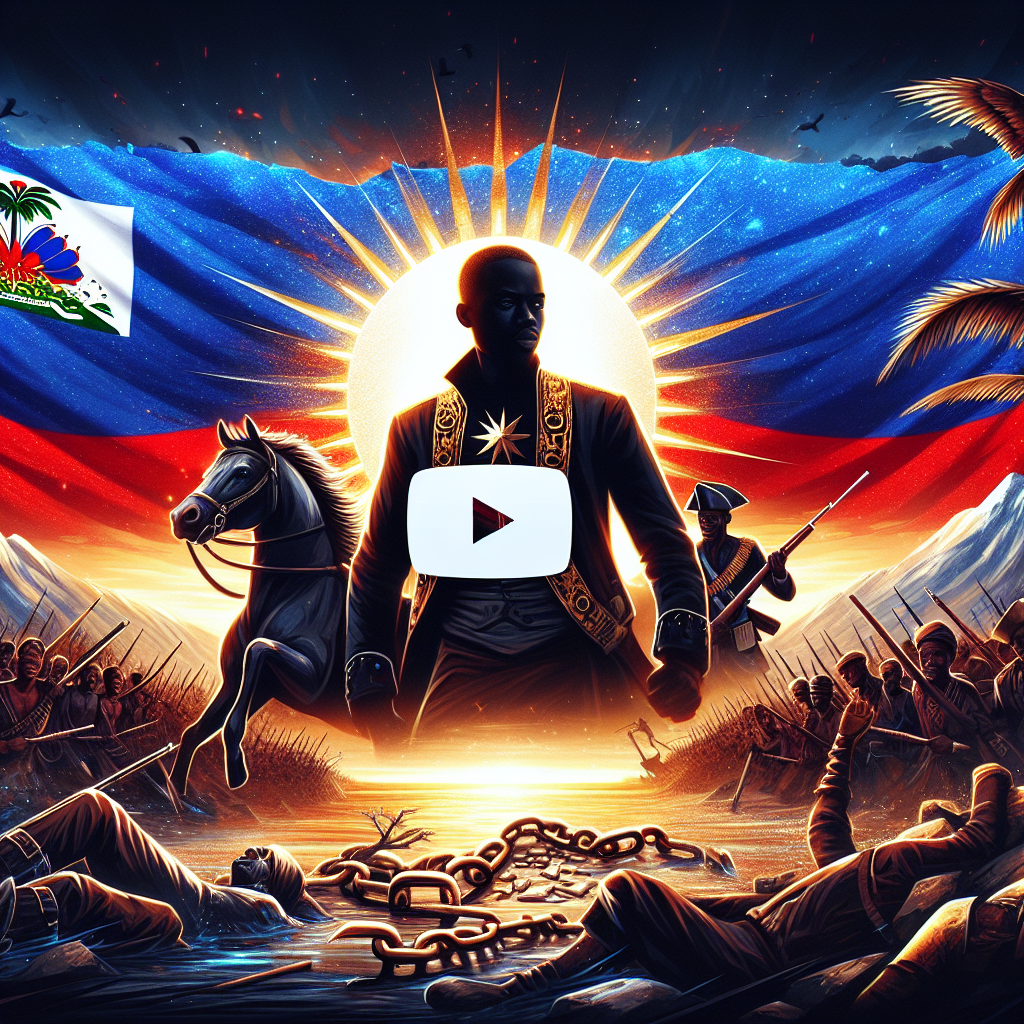

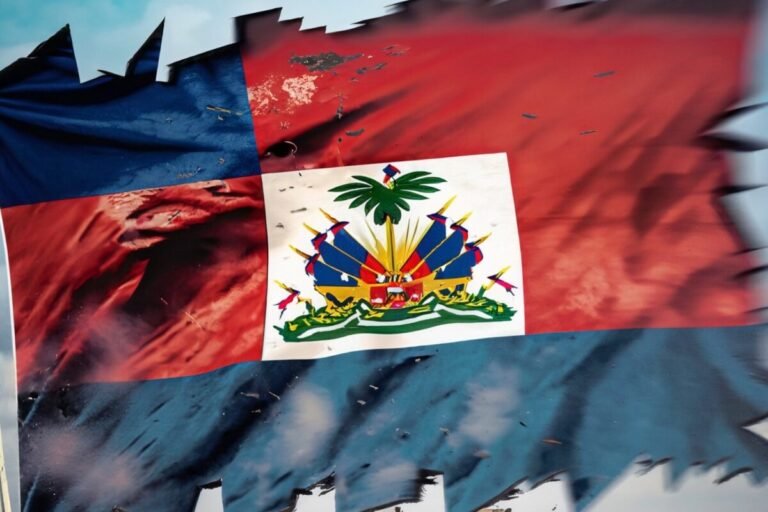
No More Electoral Theatre: Uncover the reasons Haitians reject OAS and UN-sponsored political processes.
The people of Haiti have grown increasingly disillusioned with the electoral processes sponsored by international organizations such as the OAS and UN. For decades, these organizations have played a significant role in shaping Haiti’s political landscape.
The historical context of Haiti’s political turmoil is complex, with foreign intervention often cited as a contributing factor to the country’s instability. As a result, many Haitians now view these international efforts with skepticism, perceiving them as a form of political theatre that fails to address the nation’s underlying issues.
The historical context of foreign intervention in Haiti is a complex narrative that spans centuries, from the early days of colonization to the present. This history has significantly shaped Haiti’s political landscape and its relations with international organizations.
Haiti was colonized by France in the 17th century, becoming one of the most profitable colonies in the world due to its vast resources and slave labor. The brutal conditions of slavery and the influence of the French Revolution led to the Haitian Revolution (1791-1804), resulting in Haiti becoming the first independent black nation in the world. This period laid the groundwork for Haiti’s complex relationship with foreign powers.
The United States occupied Haiti from 1915 to 1934, a period that had a profound and lasting impact on the country. The occupation was justified as a means to stabilize Haiti and protect American interests. During this time, the U.S. controlled Haiti’s finances, infrastructure, and military, creating a dependency that would last for decades. The occupation also suppressed Haitian culture and resistance, leading to long-term social and political repercussions.
François Duvalier, also known as Papa Doc, ruled Haiti from 1957 until his death in 1971. His regime was characterized by authoritarianism and violence. The international community, particularly the United States, maintained a complex relationship with Duvalier, often supporting his regime as a bulwark against communism during the Cold War. This support legitimized and prolonged his rule, contributing to a legacy of foreign interference in Haiti’s internal affairs.
Understanding the roles of the OAS and UN in Haiti requires a nuanced examination of their mandates, activities, and the criticisms they have faced. The complex interplay between these international organizations and Haitian politics has significant implications for the country’s stability and sovereignty.
The OAS has been involved in Haiti through various initiatives, primarily focused on promoting democracy and electoral processes. The organization’s mandate includes observing elections, providing technical assistance, and supporting the development of democratic institutions. For instance, the OAS has deployed electoral observation missions to Haiti to ensure the transparency and legitimacy of the electoral process.
The UN has a long history of peacekeeping in Haiti, with missions ranging from MINUSTAH (United Nations Stabilization Mission in Haiti) to the current BINUH (United Nations Integrated Office in Haiti). MINUSTAH was established in 2004 to restore order and stability after the ousting of President Jean-Bertrand Aristide. BINUH, which succeeded MINUSTAH in 2019, continues the UN’s commitment to supporting Haitian institutions and promoting human rights.
Criticisms of the OAS and UN in Haiti center on issues of effectiveness, legitimacy, and the impact of their interventions on Haitian sovereignty. Some argue that these organizations have often prioritized short-term stability over long-term democratic consolidation, leading to criticisms that their efforts undermine Haitian self-determination. Key concerns include:
These criticisms highlight the need for a more nuanced and context-sensitive approach to international intervention in Haiti.
The growing discontent among Haitians towards OAS and UN interventions stems from the understanding that these processes often resemble a theatrical performance rather than a genuine democratic exercise. This sentiment is rooted in the concept of “electoral theatre,” a term that encapsulates the frustration and disillusionment felt towards electoral processes that are often marred by irregularities and foreign influence.
“Electoral theatre” refers to the practice of staging elections that are not genuinely competitive or free, often to legitimize a pre-determined outcome. In Haiti, this phenomenon has been observed in various elections sponsored by international organizations. The term signifies a process where the outcome is predetermined, and the actual democratic participation of Haitians is sidelined.
Key Features of Electoral Theatre:
International observers often evaluate Haitian elections based on criteria that may not fully capture the local context. This disconnect can lead to a misinterpretation of the electoral process, where observers might view an election as successful despite local perceptions of fraud or manipulation.
A disturbing pattern has emerged where international organizations legitimize contested elections, often providing a veneer of credibility to processes that are widely disputed by Haitians. This has contributed to the erosion of trust in both the electoral process and the international bodies involved.
| Year | Election Outcome | Local Perception | International Response |
|---|---|---|---|
| 2010 | Martelly elected | Contested, allegations of fraud | Legitimized by international observers |
| 2015 | Delayed elections | Widespread protests | Supported the process despite irregularities |
The rejection of OAS and UN-sponsored political processes by Haitians is a call for a more genuine and inclusive democratic process, free from the shadows of “electoral theatre.” It is imperative for international bodies to listen to the Haitian people’s concerns and work towards a more equitable and transparent electoral process.
The legacy of problematic elections in Haiti is a complex issue, deeply intertwined with foreign intervention. Haiti’s electoral history has been marked by numerous controversies, often fueled by the involvement of international organizations. This section will delve into two significant instances: the 2010-2011 post-earthquake elections and the 2015-2017 electoral crisis.
The 2010-2011 elections took place in the aftermath of a devastating earthquake that struck Haiti, exacerbating the country’s political instability. The international community, led by the Organization of American States (OAS), played a significant role in these elections.
The OAS intervention in the 2010-2011 elections was pivotal, particularly in the presidential runoff. The OAS provided significant technical and financial support, which some argue influenced the outcome, leading to Michel Martelly’s rise to power. Martelly’s presidency was marked by controversy, with allegations of authoritarian tendencies and human rights abuses.
The 2015-2017 electoral crisis in Haiti was characterized by widespread protests, political deadlock, and a general distrust of the electoral process. The international community, again led by the OAS, attempted to broker a resolution. However, their efforts were met with skepticism by many Haitians, who felt that external intervention was undermining the country’s sovereignty.
The crisis highlighted the deep-seated issues surrounding Haiti’s electoral processes and the challenges faced by international organizations in supporting democratic governance. The OAS’s role was particularly contentious, with some viewing their intervention as an attempt to legitimize a flawed electoral process.
Understanding the role of the U.S. in Haitian electoral politics requires examining decades of diplomatic, economic, and political interactions. The complex history between the two nations has been marked by periods of significant influence and intervention.
The primary objectives of U.S. policy in Haiti have often revolved around maintaining regional stability, promoting democratic governance, and advancing economic interests. These goals have been pursued through a mix of diplomatic engagement, foreign aid, and support for electoral processes.
Key aspects of U.S. policy in Haiti include:
During the Clinton administration, the U.S. played a pivotal role in the return of Jean-Bertrand Aristide to power in 1994. Following a coup that ousted Aristide in 1991, the Clinton administration led international efforts to restore him to the presidency. This period highlighted the significant influence the U.S. can wield in Haitian politics.
In recent years, the U.S. has continued to play a significant role in Haitian electoral politics, often in collaboration with other international actors. The U.S. has provided financial and technical support for elections, as well as diplomatic backing for certain political outcomes.
| Year | U.S. Action | Impact on Haitian Elections |
|---|---|---|
| 2010 | Provided significant financial aid for post-earthquake elections | Influenced the outcome, with Michel Martelly eventually winning |
| 2015 | Supported electoral process despite irregularities | Controversy surrounding the results, with Jovenel Moïse eventually becoming president |
The complex interplay between U.S. policy objectives and the realities on the ground in Haiti underscores the need for a nuanced understanding of their electoral politics. As Haiti continues to navigate its democratic journey, the role of external actors, including the U.S., remains a critical factor.
International electoral assistance, while aimed at supporting democracy, raises critical questions about Haiti’s sovereignty. As the country navigates its complex political landscape, the influence of external actors on its electoral processes cannot be overstated.

The legal framework governing international electoral assistance is multifaceted, involving various international organizations and agreements. The United Nations and the Organization of American States (OAS) are key players, providing technical and financial support to Haiti’s electoral processes. However, the extent to which this assistance is governed by clear legal standards and respects Haitian self-determination is a matter of debate.
For instance, the UN’s involvement in Haiti’s elections is typically mandated by the Haitian government, yet the terms of this involvement can vary, sometimes leading to concerns about the erosion of national sovereignty.
External intervention in Haiti’s electoral processes can undermine the country’s self-determination by influencing the outcome of elections and shaping the political landscape in ways that may not align with the will of the Haitian people. As “The intervention of external actors in electoral processes can distort the democratic process, leading to outcomes that do not reflect the true desires of the electorate.”
This can result in a lack of trust in the electoral process and in the government that emerges from it, potentially destabilizing the political environment.
A double standard is often observed in international relations, where the principle of sovereignty is selectively applied. Powerful nations may intervene in the electoral processes of smaller, less powerful countries like Haiti, while fiercely protecting their own sovereignty.
“The principle of non-interference is fundamental to international law, yet it is frequently disregarded when it comes to countries deemed ‘fragile’ or ‘in need of assistance’.”
This double standard can lead to resentment and resistance among Haitians, who may view international electoral assistance as a form of neocolonialism.
Haitian communities are mobilizing against foreign meddling, demanding sovereignty and self-determination. This resistance is multifaceted, involving various segments of Haitian society.
Civil society organizations in Haiti have been vocal critics of international interference. They argue that external actors often prioritize their own interests over the needs and aspirations of the Haitian people. These organizations advocate for a more inclusive and participatory democratic process that is free from external influence.
The critiques by civil society organizations highlight the need for Haitian-led solutions to Haitian problems. They emphasize that genuine democracy can only be achieved through the active participation of Haitians in their political processes.
Popular movements in Haiti are also at the forefront of resisting international meddling. These movements, often led by grassroots activists, challenge the legitimacy of externally sponsored political processes. They demand that the international community respect Haiti’s sovereignty and allow Haitians to determine their own political future.
Through protests, advocacy, and community organizing, these popular movements are raising awareness about the negative impacts of foreign interference. They are calling for a new era of cooperation that is based on mutual respect and the principles of self-determination.
Haitian intellectuals are contributing to the discourse on resistance to foreign interference by framing it within the context of decolonization. They argue that the legacy of colonialism and ongoing foreign intervention are major obstacles to Haiti’s development and sovereignty.
By advocating for decolonization, Haitian intellectuals are pushing for a fundamental transformation of the political and economic structures that have been shaped by external forces. This perspective emphasizes the need for Haitians to reclaim their agency and shape their own destiny.
In Haiti, the line between humanitarian aid and political influence is frequently blurred. Humanitarian assistance has become an integral part of the country’s landscape, with various international organizations and NGOs providing critical support.
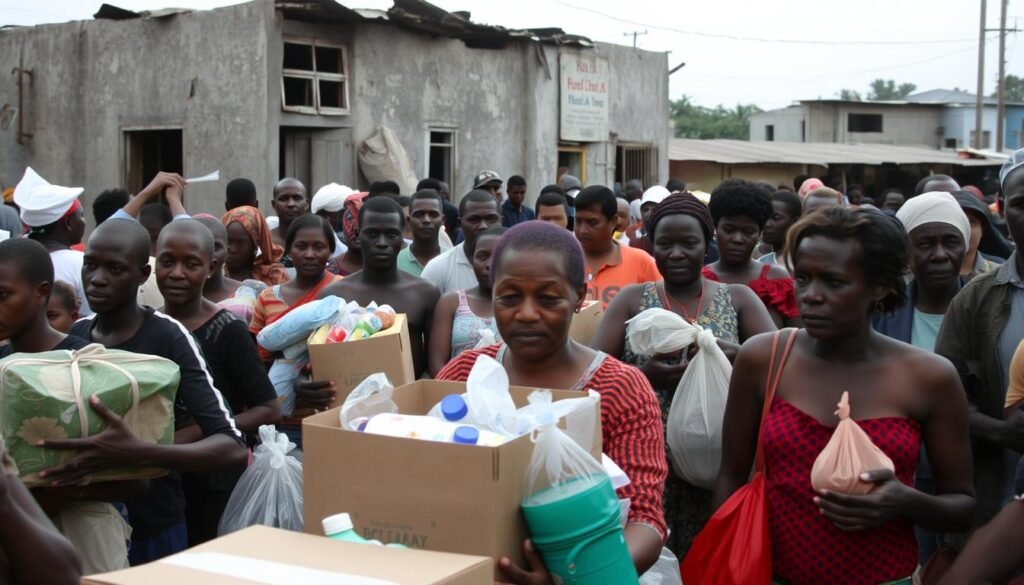
Humanitarian aid in Haiti is often used as a political tool, with donors and international organizations leveraging assistance to achieve political objectives. This can lead to a dependency on foreign aid, undermining the country’s ability to develop its own capacities.
The influx of humanitarian aid can create economic dependencies that impact Haiti’s political landscape. When aid is used as a tool for political compliance, it can undermine the government’s ability to make independent decisions.
Economic dependency can lead to a loss of political autonomy, as external forces exert influence over domestic policies.
Haiti has been referred to as an “NGO Republic” due to the significant presence of non-governmental organizations. While NGOs play a crucial role in providing humanitarian aid, their presence can also affect democratic accountability.
“The proliferation of NGOs in Haiti has led to a situation where many critical services are delivered by external actors rather than the government, raising questions about accountability and the long-term sustainability of these services.”
The complex relationship between humanitarian aid and politics in Haiti requires a nuanced understanding of the dynamics at play. By examining the ways in which aid is used and its impact on political processes, we can better understand the challenges facing the country.
The assassination of President Jovenel Moïse has plunged Haiti into a deep political crisis, exacerbated by gang violence and foreign intervention. This event has not only destabilized the country but also highlighted the complexities of Haitian politics and the challenges of achieving genuine democracy.
President Jovenel Moïse’s assassination in July 2021 sent shockwaves throughout Haiti, creating a power vacuum that various factions have sought to exploit. The event has had far-reaching consequences, including a heightened sense of insecurity and a deepening political crisis. Investigations into the assassination have revealed a complex web of actors, both local and international, complicating efforts to bring those responsible to justice.
The aftermath has seen a struggle for control, with different political groups and foreign actors vying for influence. This has further entrenched the political divisions within Haiti, making it challenging to forge a unified path forward.
Gang violence has become a pervasive issue in Haiti, with various gangs controlling significant portions of the capital, Port-au-Prince. The collapse of security has led to a humanitarian crisis, with widespread kidnapping, robbery, and other forms of violence. The inability of the Haitian government to effectively counter gang violence has contributed to the sense of instability and fear among the population.
The situation is further complicated by the socioeconomic factors driving gang membership, including poverty and lack of opportunities. Addressing gang violence will require a comprehensive approach that includes both security measures and socioeconomic interventions.
The Core Group, comprising foreign ambassadors and representatives from international organizations, has played a significant role in Haitian politics, often influencing the course of events. In the current crisis, the Core Group has pushed for elections as a means to restore political stability. However, this approach has been met with skepticism by many Haitians, who view externally sponsored electoral processes as illegitimate and a threat to their sovereignty.
The debate over elections highlights the tension between the desire for external legitimacy and the need for genuine internal political processes. Haitians are increasingly resisting external interference, demanding a political process that is truly their own.
Haiti’s struggle for genuine democracy is deeply rooted in its history of foreign intervention and the complex role of international organizations. Understanding this historical context is crucial to identifying pathways to a more self-determined future.
The OAS and UN have played significant roles in Haitian politics, often through electoral processes. However, these interventions have been met with skepticism by many Haitians, who view them as a form of neocolonialism that undermines Haitian democracy.
To achieve genuine democracy, Haiti must navigate the challenges of international assistance without compromising its sovereignty. This involves creating political processes that are truly inclusive and representative of the Haitian people’s aspirations.
The path forward requires a nuanced understanding of Haiti’s historical and contemporary challenges. It demands a commitment to Haitian self-determination, allowing the country to forge its own pathways to genuine democracy without external control.
By supporting Haitian-led initiatives and fostering a deeper understanding of the country’s needs, the international community can play a more constructive role in promoting genuine democracy in Haiti, ultimately strengthening the foundations of Haitian democracy.
Haitians reject OAS and UN-sponsored political processes mainly due to the historical context of foreign intervention, the disconnect between international observers and local reality, and the pattern of legitimizing contested elections.
The U.S. occupation had a lasting impact on Haitian politics, shaping the country’s political landscape and its relations with international organizations.
The OAS has been involved in Haitian elections through its mandate and activities, including electoral observation and assistance. However, its role has been criticized for legitimizing contested elections.
“Electoral theatre” refers to the practice of holding elections that are not genuinely democratic, often with the involvement of international organizations, and are used to legitimize a particular outcome or government.
Foreign aid can become a political tool, creating economic dependency and undermining democratic accountability. The NGO republic in Haiti has also been criticized for its impact on the country’s politics.
Haiti is currently facing a severe crisis, including gang violence, the collapse of security, and external pressure for elections. The assassination of President Moïse has further complicated the situation.
The Core Group, comprising international representatives, has been involved in Haitian politics, including exerting pressure for elections. However, its role has been criticized for undermining Haitian self-determination.
Haitian civil society organizations have been critical of foreign interference, arguing that it undermines the country’s sovereignty and self-determination.
Humanitarian aid has become intertwined with politics in Haiti, with aid often being used as a tool to influence the country’s politics and undermine its sovereignty.