Physical Address
304 North Cardinal St.
Dorchester Center, MA 02124
Physical Address
304 North Cardinal St.
Dorchester Center, MA 02124

Discover solutions designed and led by Haitians to address the crisis in Haiti. No foreign fix - Haitians deserve self-determination.
Haiti is facing an unprecedented crisis that demands immediate attention and action. Years of political instability, economic hardship, and social unrest have culminated in a situation where the country’s future hangs in the balance.
The path forward requires Haitian-led solutions that are designed to address the unique challenges faced by the Haitian people. The international community must support these efforts rather than imposing external fixes that may not be tailored to the local context.
By empowering Haitians to take the lead in solving their own crisis, we can work towards a more sustainable and equitable future for the country.
Haiti is in the grip of a severe crisis, with political, economic, and security dimensions. The situation is complex, involving deep-rooted issues that have been exacerbated by recent events.
The assassination of President Moïse in July 2021 marked a significant turning point in Haiti’s political crisis. The aftermath has seen a power vacuum, with various factions vying for control.
The killing of President Moïse has led to a period of instability, with concerns over the rule of law and governance. The international community has called for calm and a peaceful resolution.
Haiti faces significant challenges in maintaining democratic processes, including ensuring free and fair elections and strengthening institutions.
| Economic Indicator | Current Status |
|---|---|
| Unemployment Rate | High |
| Poverty Level | Severe |
| Inflation Rate | Rising |
The economic situation in Haiti is dire, with high unemployment and poverty rates. Living conditions are harsh, with many struggling to access necessities.
Natural disasters have further strained Haiti’s economy, damaging infrastructure and disrupting livelihoods.
The rise of armed groups has led to increased gang violence, affecting civilian safety and daily life. Territory control by gangs has become a significant issue.
Understanding Haiti’s historical context is crucial to grasping the challenges the country faces in its pursuit of self-determination. Haiti’s history is marked by significant events that have shaped its current state, from colonial rule to independence and subsequent foreign interference.
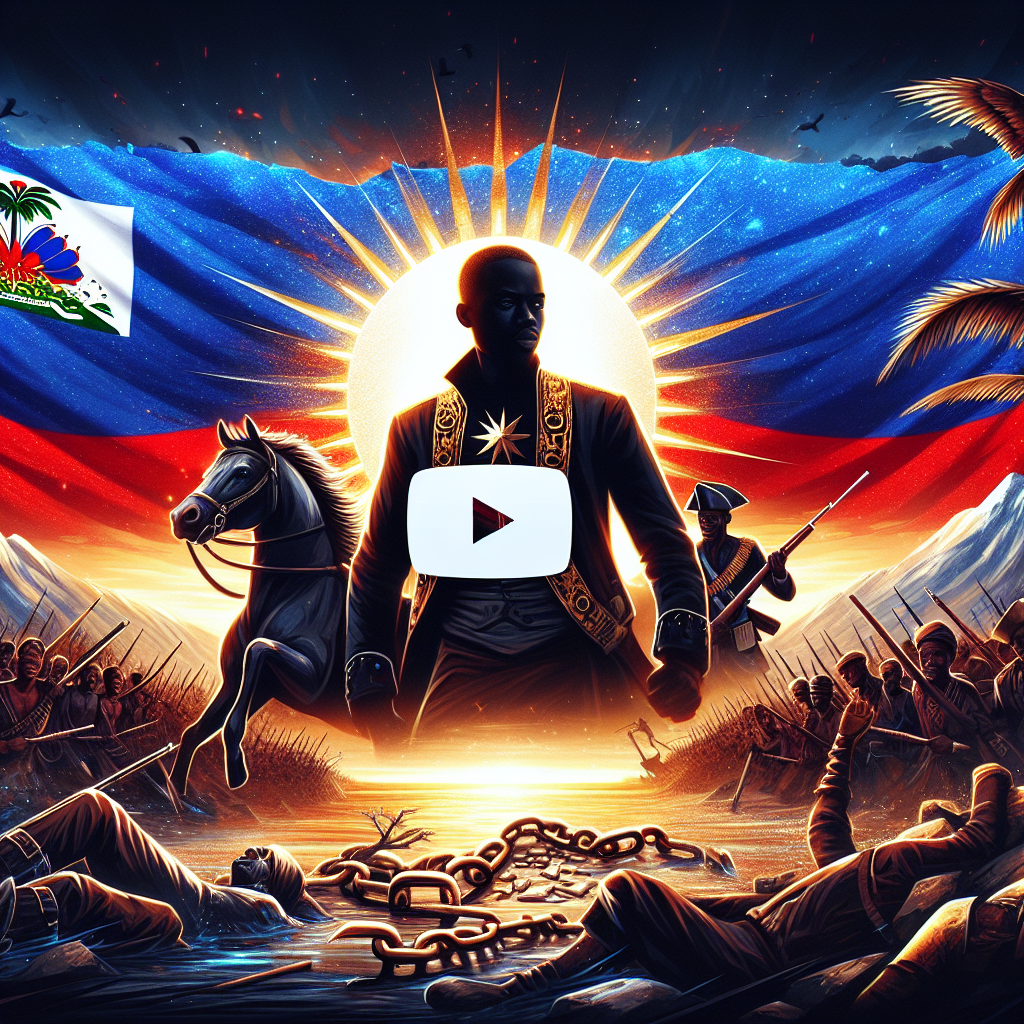
Haiti’s struggle for self-determination began with its fight against colonial rule. The Haitian Revolution, which started in 1791, was a pivotal moment in the country’s history.
The Haitian Revolution was the largest successful slave revolt in modern history, leading to Haiti’s independence from France in 1804. This revolution not only freed the slaves but also established Haiti as the first independent black nation in the world.
After gaining independence, Haiti faced numerous challenges, including economic isolation and diplomatic exclusion by European powers and the United States. These early challenges set the stage for future difficulties.
Despite its independence, Haiti continued to face foreign interference that impacted its sovereignty and economic stability.
Haiti was subjected to economic sanctions and diplomatic isolation by various countries, including France and the United States, which hindered its ability to develop economically.
Haiti experienced multiple military interventions and occupations, most notably by the United States, which further complicated its path to self-determination.
The legacy of external debt and economic control continues to affect Haiti’s ability to achieve self-determination.
One of the most significant historical burdens was the “Independence Debt” imposed by France, which Haiti was forced to pay as compensation for the loss of its slaves and colonial property. This debt was not fully paid off until 1947 and had a lasting impact on Haiti’s economy.
The historical context of Haiti’s struggle for self-determination is complex and multifaceted, involving colonial rule, foreign interference, and economic control. Understanding these factors is essential to addressing the country’s current challenges.
Haiti’s struggle for self-determination has been continually challenged by various forms of foreign intervention throughout its history. These interventions have ranged from military occupations to peacekeeping missions and humanitarian aid, each leaving a distinct impact on the nation.
The United States has played a significant role in Haiti’s history, with its occupations being particularly impactful. The 1915-1934 occupation, for instance, not only militarily controlled Haiti but also reshaped its constitution and economic systems.
During this period, the US imposed significant changes to Haiti’s constitution, allowing foreign ownership of land, which had previously been prohibited. This had long-lasting effects on Haiti’s economic sovereignty.
Today, US policy toward Haiti continues to be influential, with a mix of humanitarian aid, economic support, and political engagement. However, critics argue that this support often comes with conditions that may not align with Haiti’s long-term interests.
The United Nations has also been involved in Haiti through peacekeeping missions like MINUSTAH and its successor, BINUH. While their stated objectives include stabilizing the country and promoting human rights, their actual outcomes have been controversial.
These missions have faced criticism for their handling of local security issues, introduction of cholera, and alleged human rights abuses. Such controversies highlight the complexities and challenges of international interventions.
The UN missions have been criticized not only for their operational failures but also for undermining local institutions and not adequately addressing the root causes of instability in Haiti.
Following the 2010 earthquake, there was a significant influx of international aid and NGOs into Haiti. While the intention was to provide relief and support recovery, the proliferation of NGOs raised concerns about coordination, accountability, and the long-term impact on Haiti’s governance and economy.
The post-earthquake response saw an unprecedented number of NGOs operating in Haiti, leading to what some have termed an “NGO republic.” This phenomenon has been associated with both positive outcomes, such as immediate relief, and negative consequences, including undermining local capacity and creating dependency.
The lack of effective coordination among NGOs and between NGOs and the Haitian government has been a significant challenge. Moreover, accountability issues have arisen, with concerns about the misuse of funds and the lack of transparency in project implementation.
The pattern of foreign interventions in Haiti is complex and multifaceted, with various actors and approaches having been employed over the years. Understanding this history is crucial for developing more effective and sustainable solutions to Haiti’s challenges.
The limitations of foreign solutions in Haiti are largely rooted in their failure to account for the country’s unique cultural landscape. Foreign interventions often overlook the complexities of Haitian culture, leading to misunderstandings and ineffective solutions.
One of the primary reasons foreign solutions fail is due to cultural disconnects. Language barriers play a significant role in this disconnect. While many Haitians speak Creole, official documents and foreign aid programs are often in French or English, creating a barrier to effective communication.
Effective communication is crucial for the success of any development project. However, when foreign organizations fail to communicate in the local language, it hinders the project’s ability to engage with the community effectively.
Foreign solutions often disregard Haitian cultural values and practices, which are essential to understanding the local context. This oversight can lead to resistance from the community and ultimately to the failure of the project.
Foreign solutions often prioritize short-term results over long-term sustainability. This is evident in project-based approaches that are designed to achieve immediate goals without considering the long-term implications.
Project-based approaches are limited by their focus on specific, short-term objectives. They often fail to address the underlying issues or to create sustainable change.
Donor timelines frequently conflict with development realities on the ground. The pressure to meet donor deadlines can lead to rushed implementation and a lack of thorough planning.
The lack of local ownership is another critical factor contributing to the failure of foreign solutions. Top-down planning without community consultation is a common issue, where decisions are made by external actors without input from the local community.
Top-down planning ignores the needs and perspectives of the local community, leading to projects that are not tailored to the local context.
Foreign solutions often fail to build on existing local initiatives, instead of duplicating efforts or introducing new, untested approaches. This not only wastes resources but also undermines local capacity.
The impact of foreign aid in Haiti extends beyond its immediate benefits, leading to various unintended consequences. While foreign aid is intended to alleviate suffering and support development, it has created a complex set of challenges.
Foreign aid can lead to dependency cycles, where Haitians rely heavily on external assistance rather than developing their own capacities. This can result in economic distortions, as local markets and production are disrupted by the influx of free or subsidized goods.
Foreign aid can also weaken local institutions and governance structures. By bypassing government systems and creating parallel structures, foreign aid can undermine the capacity of local institutions.
The proliferation of NGOs in Haiti has led to what is often referred to as the “NGO Republic.” This phenomenon is characterized by a lack of accountability to Haitian citizens and a duplication of efforts among NGOs.
The crisis in Haiti requires solutions that are not only designed but also led by Haitians themselves. For too long, external interventions have failed to address the root causes of Haiti’s problems, often exacerbating the situation.
Haitian agency and ownership are crucial in addressing the country’s crisis. This involves recognizing self-determination as a fundamental right, allowing Haitians to decide their own future without external influence.
Self-determination is essential for any nation, and Haiti is no exception. It enables the Haitian people to chart their own course, making decisions that reflect their needs and values.
External control can have a debilitating psychological impact, undermining the confidence of Haitians in their ability to govern themselves. It’s crucial to shift towards a model that empowers Haitians.

Haiti has a wealth of local knowledge and expertise that can be leveraged to address its challenges. This includes the capabilities of Haitian professionals who understand the complexities of their country’s issues.
Haitian professionals possess valuable insights and skills that are often underutilized in externally-led initiatives. Empowering them can lead to more effective and sustainable solutions.
Traditional knowledge systems in Haiti hold significant value, offering unique perspectives on development and problem-solving that are culturally relevant.
Any solution to Haiti’s crisis must respect the country’s cultural context and values. This includes recognizing the importance of the Creole language in development initiatives.
The Creole language is a vital part of Haitian identity and plays a crucial role in any development effort. Initiatives that incorporate Creole are more likely to succeed.
Haiti’s community structures and social capital are significant assets. Solutions that build on these existing strengths can foster greater community engagement and ownership.
Haitian-led initiatives are at the forefront of the country’s development, offering sustainable solutions to long-standing problems. These projects demonstrate the potential and effectiveness of Haitian leadership in addressing the nation’s complex challenges.
At the grassroots level, Haitian-led initiatives are transforming communities through innovative approaches. For instance, Fonkoze’s microfinance and education programs have empowered numerous individuals, providing them with the tools necessary for economic stability.
Fonkoze’s programs have been particularly impactful, offering financial services and educational opportunities to those who might otherwise be excluded. As noted by a Fonkoze representative, “Our mission is to provide financial inclusion and education, enabling Haitians to build a better future.”
SOIL’s ecological sanitation solutions have improved health and environmental conditions in Haitian communities. Their work in composting toilets and waste management has set a precedent for sustainable practices in the region.
Haitian entrepreneurs are making significant strides in various industries, from agriculture to technology. Haitian coffee and cacao cooperatives have gained international recognition for their high-quality products.
These cooperatives not only support local farmers but also promote sustainable agricultural practices. Their success has contributed to Haiti’s reputation in the global market for specialty coffee and cacao.
The tech startup scene in Haiti is also thriving, with innovative solutions being developed to address local challenges. Digital innovation is playing a crucial role in the country’s economic development.
Haitian civil society organizations are vital in promoting social justice and community development. Women’s rights and leadership organizations are advocating for gender equality and empowerment.
These organizations are working tirelessly to address gender-based violence and promote women’s participation in leadership roles. Their efforts are crucial in creating a more equitable society.
Youth-led initiatives are also making a significant impact, focusing on community improvement projects that range from education to environmental conservation.
The success of these Haitian-led initiatives underscores the importance of local ownership and leadership in driving meaningful change. As Dr. Mary Robinson, former UN High Commissioner for Human Rights, once said, “The most effective solutions come from within the community itself, driven by those who understand its needs and context.”
The crisis in Haiti demands Haitian-led solutions, but several barriers hinder their effectiveness. Despite the importance of local leadership, various obstacles impede the success of Haitian initiatives.
Haitian leaders face significant challenges due to resource limitations and restricted access to capital. This constraint hampers their ability to implement effective solutions.
The banking system in Haiti is underdeveloped, making it difficult for local leaders to access credit. This limits their capacity to fund projects and sustain initiatives.
Inadequate infrastructure, such as roads and telecommunications, further complicates the efforts of Haitian leaders. This hinders the delivery of essential services and the implementation of development projects.
International power dynamics also play a significant role in hindering Haitian leadership. External actors often influence decision-making processes, overshadowing local voices.
The Core Group, comprising foreign ambassadors and representatives, exerts considerable influence over Haiti’s political landscape. This external political influence can undermine Haitian leadership.
Donor priorities often diverge from local needs, leading to misallocated resources. This mismatch frustrates the efforts of Haitian leaders to address pressing issues.
Haiti also faces the challenge of brain drain, as many skilled professionals migrate abroad. This loss of talent deprives the country of much-needed expertise.
The migration of skilled professionals results in a significant brain drain, impacting Haiti’s development. This loss hampers the country’s ability to resolve its crisis effectively.
Furthermore, the Haitian diaspora faces barriers to returning and investing in their homeland. These barriers limit the potential for diaspora contributions to Haiti’s recovery.
For Haiti to achieve sustainable development, the international community must rethink its support strategies. The traditional approach, often characterized by external direction and control, has shown limited success in addressing Haiti’s complex challenges.
A new partnership model is needed, one that shifts from directing Haitian development to supporting Haitian-led initiatives. This involves listening first to center Haitian voices and priorities, rather than imposing external solutions.
By prioritizing Haitian perspectives, international supporters can ensure that their efforts are aligned with the actual needs of the Haitian people. This approach fosters a more collaborative and effective partnership.
Technical assistance should be provided on request, allowing Haitian institutions to drive the development process. This helps build local capacity and ensures that external support is both relevant and effective.
Rather than replacing local capacity, international support should focus on building and strengthening Haitian institutions and educational systems.
Investing in Haitian institutions and education is crucial for long-term development. This includes supporting knowledge transfer and skill development approaches that empower local communities.
| Approach | Description | Benefits |
|---|---|---|
| Training Programs | Designed to enhance local skills and knowledge | Increased local capacity, improved sustainability |
| Mentorship Initiatives | Pairing local professionals with international experts | Personalized guidance, networking opportunities |
International support must be accountable to Haitian communities, ensuring that decision-making processes are transparent and responsive to local needs.
Implementing transparent reporting and community feedback systems can enhance accountability and ensure that support efforts are effective and appreciated by the local population.

By shifting power to Haitian stakeholders, international support can foster a more equitable partnership that prioritizes local ownership and decision-making.
As Haiti faces ongoing challenges, the diaspora community emerges as a vital force for change. The Haitian diaspora, with their unique blend of Haitian heritage and international experience, is poised to drive meaningful progress in their homeland.
The diaspora can facilitate knowledge transfer by sharing professional skills and experience. This can be achieved through:
Diaspora investment is crucial for economic development in Haiti. This can be fostered through:
The diaspora plays a key role in advocacy and education about Haitian perspectives. This involves:
Haiti’s path to recovery demands a comprehensive roadmap that prioritizes Haitian leadership and self-determination. This approach is crucial for addressing the complex challenges facing the country.
Strengthening democratic governance is foundational to Haiti’s recovery. This involves several key steps:
Economic self-sufficiency is critical for Haiti’s long-term stability. Key strategies include:
Effective security sector reform is vital for creating a stable environment. This can be achieved through:
By focusing on these areas, Haiti can move towards a more stable, prosperous future led by Haitians.
Haiti’s journey towards stability and prosperity is intricately linked to its ability to exercise self-determination. The international community plays a crucial role in supporting Haitian rights by providing assistance that is non-intrusive and tailored to the country’s specific needs.
International support should focus on empowering Haitian-led initiatives, fostering an environment where local solutions can thrive. This involves a shift from directive aid to supportive partnerships that prioritize Haitian agency and ownership.
By respecting Haitian cultural context and values, the international community can help create a more sustainable and equitable future for Haiti. This approach not only promotes Haitian rights but also contributes to the country’s long-term development and stability.
Ultimately, supporting Haiti’s right to self-determination is about recognizing the country’s inherent potential and the resilience of its people. It is through this lens that we can work towards a future where Haiti is able to determine its own path, free from the constraints of external interference.
The main issue facing Haiti today is a complex crisis involving political instability, economic hardships, and security concerns, which demand solutions designed and led by Haitians.
Foreign interventions, including US occupations and UN peacekeeping missions, have had a lasting impact on Haiti, often resulting in unintended consequences such as dependency cycles, economic distortions, and the weakening of local institutions.
Successful Haitian-led initiatives include Fonkoze’s microfinance and education programs, SOIL’s ecological sanitation solutions, Haitian coffee and cacao cooperatives, and youth-led community improvement initiatives.
Barriers to Haitian leadership in crisis resolution include resource limitations, international power dynamics, brain drain, and diaspora challenges, which hinder the ability of Haitians to lead their own development.
The international community can support Haitian-led solutions by adopting a new partnership model that prioritizes listening to Haitian voices, providing technical assistance on request, and investing in Haitian institutions and education.
The Haitian diaspora can play a significant role in crisis resolution by sharing knowledge and resources, investing in Haiti, and building bridges between Haiti and the international community through advocacy and education.
The roadmap for Haitian-led recovery and development prioritizes democratic governance, economic self-sufficiency, and security sector reform, including constitutional reform, agricultural revitalization, renewable energy, and community-based security approaches.
Haitian agency and ownership are crucial because they allow Haitians to determine their own future, leveraging their local knowledge, expertise, and cultural context to develop sustainable solutions to the country’s challenges.