Physical Address
304 North Cardinal St.
Dorchester Center, MA 02124
Physical Address
304 North Cardinal St.
Dorchester Center, MA 02124

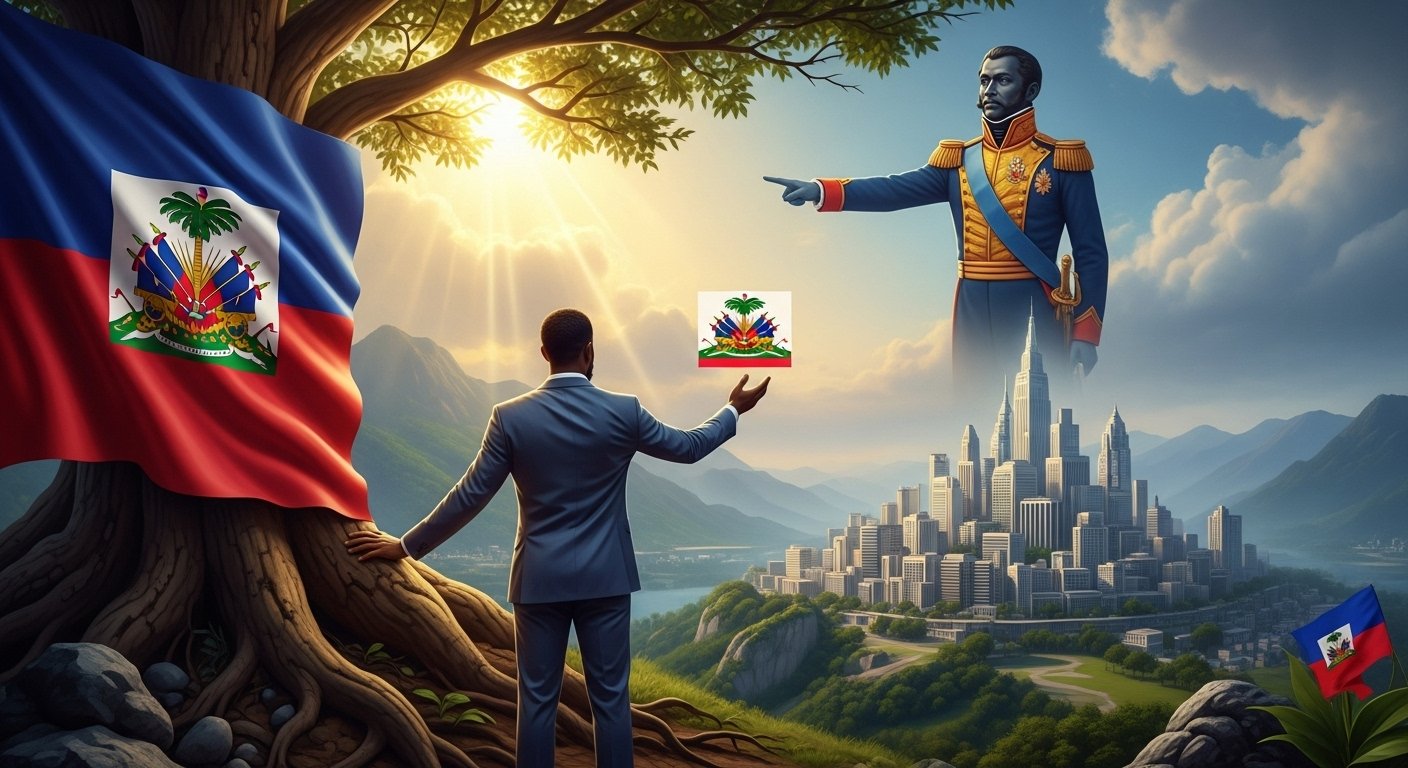
Explore Dessalines' blueprint for Haiti's leaders: "Know Your Roots to Serve Your Nation."
Jean-Jacques Dessalines, a pivotal figure in Haitian History, played a crucial role in shaping the nation’s identity. His vision for Haiti’s Leaders emphasizes the importance of understanding their heritage to effectively lead the country.
Dessalines’ legacy teaches us that to Serve Your Nation, one must first understand their roots. This principle is fundamental in fostering a sense of unity and purpose among leaders.
Jean-Jacques Dessalines, a pivotal figure in Haitian history, rose from the shackles of slavery to become a revolutionary leader. His journey is a testament to the strength and resilience that defined the Haitian struggle for independence.
Dessalines was born into slavery in West Africa around 1758 and was brought to the French colony of Saint-Domingue (present-day Haiti). He worked on a plantation, where he suffered the brutalities of slavery. However, the atrocities he endured only fueled his desire for freedom.
Dessalines’ role in the Haitian Revolution was pivotal, particularly in his alliance with Toussaint Louverture, another prominent leader. Together, they fought against the colonial forces.
Dessalines and Louverture formed a powerful alliance that was crucial in the fight against French colonial rule. Their combined efforts led to significant victories against the French.
Dessalines employed innovative military strategies, including guerrilla warfare, to outmaneuver the better-equipped French forces. His tactics were instrumental in securing key victories.
| Year | Event | Significance |
|---|---|---|
| 1791 | Start of the Haitian Revolution | Marked the beginning of the end of slavery in Haiti |
| 1802 | Dessalines and Louverture’s resistance | Demonstrated the strength of the Haitian people against colonial forces |
On January 1, 1804, Haiti became the first black republic in the world. This historic event marked the culmination of a long struggle for independence against French colonial rule.
Haiti’s independence was not just a national achievement but a significant moment in world history, inspiring other colonies to fight for their freedom. The establishment of the First Black Republic challenged the prevailing notions of racial superiority and paved the way for a new era of self-determination.
Jean-Jacques Dessalines played a pivotal role in Haiti’s independence. His declaration was a powerful statement of the Haitian people’s desire for freedom and self-governance. It was a call to action that resonated not only within Haiti but across the world.
The declaration included several key provisions that reflected the revolutionary ideas of the time. Some of these ideas are summarized in the table below:
| Provision | Description | Impact |
|---|---|---|
| Abolition of Slavery | Formal end to the institution of slavery | Freedom for enslaved people |
| Declaration of Independence | Official statement of Haiti’s sovereignty | Recognition as an independent nation |
| Land Redistribution | Redistribution of land from colonial owners to Haitian citizens | Economic empowerment for Haitians |
The revolutionary ideas embedded in Dessalines’ declaration continue to influence Haitian identity and governance to this day.
The foundation of Dessalines’ leadership was his belief in the importance of knowing one’s roots. This principle was central to his vision for Haiti’s future leaders, emphasizing the need to understand and appreciate their cultural heritage.
Dessalines’ philosophy was built on two main pillars: drawing strength from African heritage and rejecting colonial mentality.
Dessalines saw African heritage as a vital source of strength for Haiti’s leaders. By embracing their African roots, leaders could foster a sense of identity and unity among the populace.
This connection to African heritage was not just about historical roots but also about cultural practices and values that could guide leadership decisions.
Equally important was the rejection of colonial mentality, which Dessalines believed could undermine the nation’s independence and self-determination.
By rejecting colonial influences, Haiti’s leaders could develop a governance model that was truly reflective of the nation’s values and aspirations.
Cultural identity was seen by Dessalines as a cornerstone of effective governance. Leaders who understood and appreciated their cultural heritage were better equipped to make decisions that benefited the nation as a whole.
By grounding governance in cultural identity, Dessalines aimed to create a leadership model that was both authentic and effective.
Dessalines’ vision for Haiti was built on foundational principles that emphasized resilience, sovereignty, and the unity of its people. These principles were not merely ideals but guiding tenets that shaped his leadership and the nation’s early development.
Dessalines was adamant about Haiti’s sovereignty and the right to self-determination. He believed that true freedom could only be achieved by governing themselves, free from colonial rule. This principle was fundamental in his declaration of independence and the establishment of Haiti as the first black republic.
The journey to independence was fraught with challenges, and Dessalines exemplified resilience in the face of adversity. From battling against French colonial forces to managing internal conflicts, his ability to persevere was crucial in achieving and maintaining Haiti’s independence.
Dessalines recognized the importance of unity among Haiti’s diverse populations. He understood that the newly independent nation was composed of various racial and social groups, and that unity was essential for national strength and stability.
One of Dessalines’ significant challenges was bridging racial divisions in early Haiti. By promoting a unified national identity, he sought to transcend the racial and social divisions inherited from the colonial era. This approach was crucial in creating a cohesive national front.
In conclusion, Dessalines’ leadership principles of sovereignty, resilience, and unity were pivotal in shaping Haiti’s early years. These principles not only guided his actions but continue to influence Haitian identity and governance.
The Emperor’s blueprint for national identity was a cornerstone of his leadership, focusing on creating a distinct Haitian identity that would unite the population and foster a sense of nationhood.
Dessalines understood the importance of African Heritage in shaping Haiti’s national identity. He encouraged the population to reconnect with their African roots, promoting cultural practices and traditions that were significant to their ancestors.
A key aspect of Dessalines’ plan was to reject colonial impositions that had been forced upon Haiti during the colonial period. This involved moving away from European cultural norms and embracing a more authentic Haitian identity.
The creation of new national symbols was another crucial element of Dessalines’ blueprint. This included the design of a new flag and the establishment of national holidays, which would serve as unifying elements for the Haitian people.
By reclaiming African heritage, rejecting colonial impositions, and creating new national symbols, Dessalines laid the foundation for a strong national identity that continues to influence Haiti today.
The path to realizing Dessalines’ vision for Haiti was fraught with difficulties from the outset. His leadership was tested by various challenges that threatened the stability and future of the newly formed nation.
One of the significant challenges Dessalines faced was internal power struggles. Various factions within Haiti had different visions for the country’s future, leading to conflicts that Dessalines had to navigate.
Dessalines also faced external threats from colonial powers and international isolation. Haiti’s declaration of independence was met with resistance from European powers, which sought to reassert their control over the island.
The economic challenges were another significant hurdle. Rebuilding the economy after years of colonial exploitation and warfare was a daunting task. The table below summarizes the key challenges faced by Dessalines during his reign.
| Challenge | Description | Impact |
|---|---|---|
| Internal Power Struggles | Conflicts between different factions | Threatened national unity |
| External Threats | Resistance from colonial powers | Led to international isolation |
| Economic Challenges | Rebuilding after colonial exploitation | Hampered economic development |

In conclusion, Dessalines’ vision for Haiti was challenged by a complex array of internal and external factors. Understanding these challenges provides valuable insights into the difficulties faced by the newly independent nation.
Understanding Dessalines’ legacy is crucial to grasping the complexities of Haitian leadership. His impact on the nation extends far beyond his historical role as a revolutionary leader.
Dessalines’ rule has been subject to various historical interpretations. Some view him as a hero who fought for independence, while others see him as a controversial figure whose methods were sometimes brutal. Despite these differing perspectives, his influence on Haitian identity and political structures is undeniable.
Dessalines’ leadership principles, including sovereignty and self-determination, continue to resonate in Haitian politics. His emphasis on cultural identity as a cornerstone of governance has inspired generations of Haitian leaders.
In Haitian national memory, Dessalines is celebrated as a founding father. His legacy is honored through various cultural celebrations and commemorations, reinforcing his enduring influence on the nation’s identity and political landscape.
The key aspects of Dessalines’ legacy include:
Dessalines’ legacy serves as a powerful reminder of the importance of knowing one’s roots to serve the nation effectively.
As Haiti navigates modern challenges, Dessalines’ principles offer a guiding light. His emphasis on cultural authenticity, servant leadership, and unity provides a robust framework for contemporary leaders.
Dessalines’ focus on reclaiming African heritage and rejecting colonial impositions can inform modern governance. By prioritizing cultural authenticity, Haitian leaders can create policies that resonate with the population’s values and history.
Dessalines’ leadership was characterized by a commitment to serving the nation. This approach can be applied today by prioritizing the needs of the Haitian people in national development strategies.
Haitian diaspora leaders can draw valuable lessons from Dessalines’ philosophy, particularly in maintaining cultural connections abroad.
Diaspora leaders can foster a sense of community and shared identity among Haitians living abroad. This can be achieved through cultural events, educational programs, and community initiatives.
| Leadership Principle | Modern Application | Benefit |
|---|---|---|
| Cultural Authenticity | Policies reflecting Haitian values | Increased national pride |
| Servant Leadership | Prioritizing citizens’ needs | Improved national development |
| Cultural Connections | Diaspora community initiatives | Stronger global Haitian community |
Dessalines’ leadership philosophy offers valuable insights into the broader landscape of global leadership and revolutionary change. His approach to leadership was shaped by his experiences as a revolutionary leader and his vision for Haiti’s future.
Dessalines’ methods and ideologies can be compared to those of other revolutionary leaders of his time. For instance, his emphasis on cultural identity and sovereignty parallels the views of leaders like Simón Bolívar, who fought for independence in South America.
“The destiny of a nation is determined by the character of its leaders and the unity of its people.”
Dessalines’ focus on cultural leadership and national identity highlights universal principles that are relevant beyond Haiti’s borders. His approach demonstrates the importance of aligning leadership with the cultural heritage of the people being led.
| Leadership Principle | Dessalines’ Approach | Global Relevance |
|---|---|---|
| Cultural Identity | Emphasized African heritage and rejected colonial impositions | Promotes national unity and pride |
| Sovereignty | Fought for Haiti’s independence and self-determination | Inspires anti-colonial movements worldwide |
Dessalines’ success in leading Haiti to independence had a profound impact on anti-colonial movements globally. His leadership model inspired other nations and groups fighting against colonial powers.

The legacy of Dessalines continues to be felt in modern discussions on global leadership, cultural identity, and the ongoing struggle against colonialism and oppression.
Dessalines’ legacy provides a framework for understanding the multifaceted challenges Haiti faces today, from economic sovereignty to cultural preservation. As the nation continues to navigate its complex history, Dessalines’ vision remains a guiding light for addressing contemporary issues.
Haiti’s struggle for economic independence is a pressing concern. Despite being a sovereign nation since its revolution, Haiti remains one of the poorest countries in the Western Hemisphere. Economic sovereignty is crucial for Haiti’s development, enabling it to make decisions that benefit its people without external influence.
| Challenge | Dessalines’ Principle | Modern Application |
|---|---|---|
| Economic Dependence | Sovereignty | Promoting local industries |
| Cultural Erosion | Cultural Identity | Preserving African heritage |
| Diaspora Disengagement | Diaspora Engagement | Encouraging investment and knowledge transfer |
The preservation of Haiti’s cultural identity is another significant challenge. In a globalized world, cultural homogenization threatens the unique heritage of Haitian culture. Dessalines’ emphasis on reclaiming African roots and rejecting colonial impositions offers a pathway to maintaining cultural authenticity.
Engaging the Haitian diaspora is vital for national development. The diaspora can contribute significantly to Haiti’s economic and social development through investment, knowledge transfer, and advocacy. Dessalines’ vision for a unified Haiti that includes its diaspora community is more relevant than ever.
By applying Dessalines’ principles, Haiti can address its contemporary challenges more effectively, fostering a more resilient and prosperous nation.
As Haiti looks to the future, revitalizing Dessalines’ vision is crucial for the nation’s development. To achieve this, it’s essential to focus on key areas that align with his foundational principles.
One crucial step is implementing educational reforms that emphasize Haiti’s rich cultural heritage. This involves:
Leadership development programs should be grounded in the principles of national identity and cultural authenticity. This includes:
Building strong connections between Haiti and its diaspora is vital. Strategies include:
By focusing on these areas, Haiti can revitalize Dessalines’ vision and move towards a brighter future. This approach not only honors his legacy but also equips the nation to address contemporary challenges.
Jean-Jacques Dessalines’ vision for Haiti’s leaders remains profoundly relevant today. At its core, his philosophy emphasizes the importance of knowing one’s roots to effectively serve the nation. This principle is as crucial now as it was during Haiti’s fight for independence.
Dessalines’ leadership was characterized by a strong sense of cultural identity and a commitment to sovereignty. His vision for a unified Haiti, free from colonial impositions, continues to inspire Haitian leaders. By understanding and embracing their heritage, leaders can foster a sense of national unity and purpose.
The challenges Haiti faces today, from economic instability to cultural identity in a globalized world, can be addressed by revisiting Dessalines’ core principles. His emphasis on self-determination, resilience, and unity among diverse populations offers a roadmap for navigating these complexities.
As Haitian leaders look to the future, Dessalines’ vision provides a foundation for building a more prosperous and unified nation. By knowing their roots and staying true to their cultural heritage, leaders can drive national development and ensure a brighter future for Haiti.
Jean-Jacques Dessalines was a revolutionary leader who played a crucial role in Haiti’s fight for independence. He is significant because he declared Haiti’s independence and became its first leader, shaping the nation’s identity and governance.
Dessalines believed that knowing one’s roots and cultural heritage was essential for effective leadership. He emphasized the importance of African heritage as a source of strength and rejected colonial mentality, promoting cultural identity as a cornerstone of governance.
Dessalines’ leadership was guided by principles such as sovereignty, self-determination, resilience, and unity. He applied these principles to bridge racial divisions in early Haiti and shape the nation’s identity.
Dessalines reclaimed African heritage, rejected colonial impositions, and created new national symbols to form a distinct Haitian identity. These actions helped shape the nation’s identity and governance.
Dessalines faced internal power struggles, external threats, and economic rebuilding challenges during his reign. These challenges impacted his vision for Haiti and its development.
Dessalines is remembered and celebrated as a national hero in Haiti. His legacy continues to influence Haitian politics, and he is honored in national celebrations and commemorations.
Dessalines’ leadership philosophy is applied in modern contexts through cultural authenticity in governance, servant leadership for national development, and maintaining cultural connections abroad, particularly among Haitian diaspora leaders.
Revitalizing Dessalines’ vision involves educational reforms based on cultural heritage, leadership development grounded in national identity, and building bridges between Haiti and its diaspora, promoting a strong and authentic Haitian identity.
Dessalines’ vision is relevant globally as it emphasizes universal principles of cultural leadership, sovereignty, and self-determination, influencing anti-colonial movements worldwide and providing a framework for authentic leadership.
Dessalines’ principles can be applied to address contemporary challenges such as economic independence, cultural identity, and diaspora engagement, promoting a strong and resilient Haiti.