Physical Address
304 North Cardinal St.
Dorchester Center, MA 02124
Physical Address
304 North Cardinal St.
Dorchester Center, MA 02124
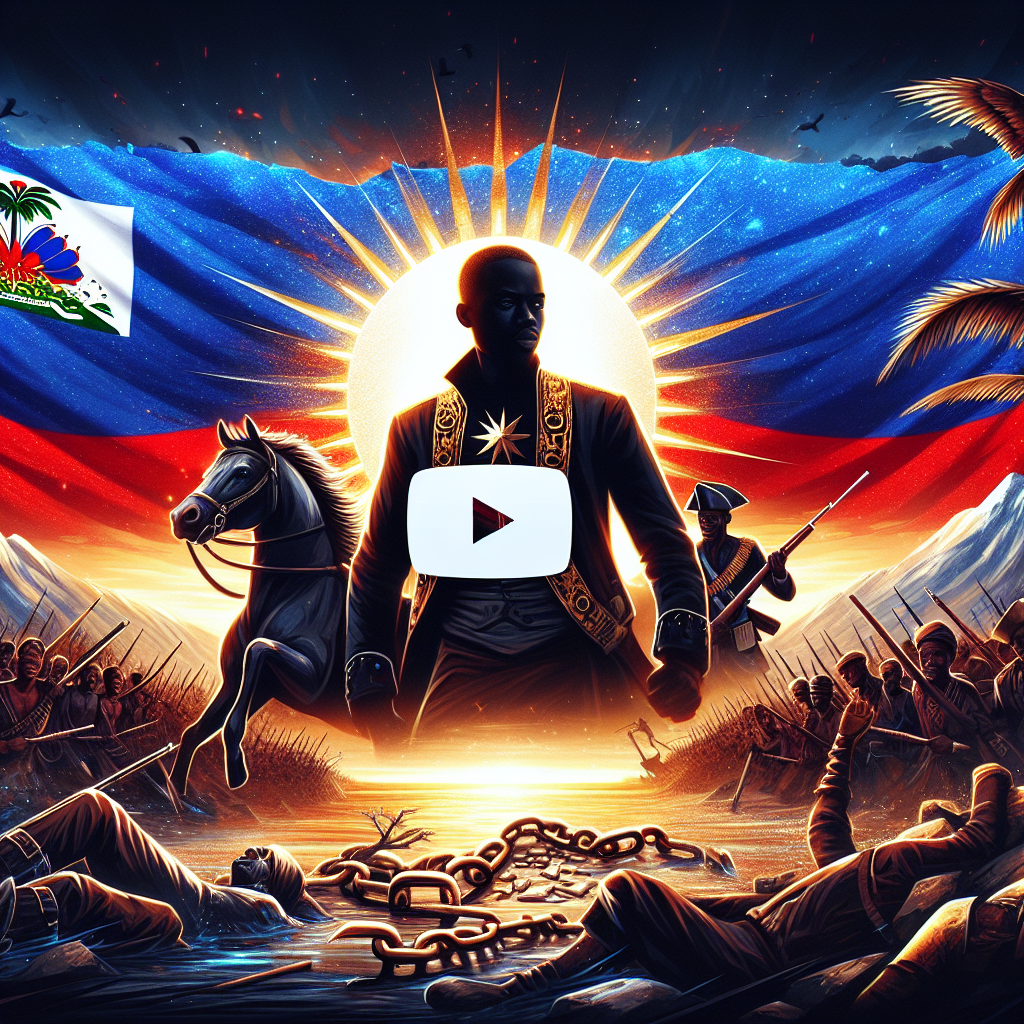
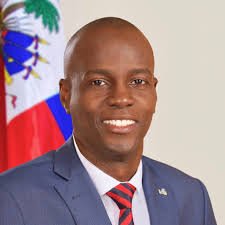
Uncover the truth behind the assassination of President Jovenel Moise and take a step towards healing Haiti's wounds.
The assassination of Jovenel Moise, the Haiti president, sent shockwaves throughout the nation, leaving deep scars. As the country grapples with the aftermath, the pursuit of justice has become a crucial step toward recovery.
Bringing those responsible for the assassination to justice is not only a matter of accountability but also a necessary step toward healing the nation’s wounds. It is a process that requires patience, resilience, and the collective effort of the Haitian people and the international community.
On a fateful night in July 2021, Haiti’s President Jovenel Moise was brutally assassinated, sending shockwaves globally. This event not only marked a dark day in Haiti’s history but also raised significant concerns about the country’s future stability and security.
On July 7, 2021, President Jovenel Moise was attacked at his private residence in Pétionville, a suburb of Port-au-Prince. The assailants, reportedly a group of armed individuals, breached the security perimeter and entered the residence, resulting in the fatal shooting of the President. Moise’s wife, Martine, was also injured in the attack.
The immediate aftermath of the assassination was characterized by chaos and confusion. Haitian authorities struggled to maintain order as the news spread rapidly, causing widespread panic. The country’s already fragile security situation became even more tenuous.
The news of President Moise’s assassination sent shockwaves around the world. Global leaders and international organizations condemned the violent act, expressing their condolences to the people of Haiti. The United Nations and other international bodies called for a peaceful and transparent investigation into the assassination.
The assassination of President Jovenel Moise was a tragic event that not only shook Haiti but also garnered significant international attention, highlighting the need for stability and security in the region.
As an entrepreneur turned president, Jovenel Moise brought a unique perspective to Haitian politics. His journey to the presidency was marked by significant entrepreneurial ventures and a deep understanding of the country’s economic challenges.
Jovenel Moise’s rise to prominence began with his successful agricultural business. He expanded his influence into politics, eventually becoming the President of Haiti in 2017. His background as an entrepreneur shaped his approach to governance, focusing on economic development and infrastructure projects.
Moise’s political vision centered around revitalizing Haiti’s economy through agricultural development and infrastructure projects. He implemented policies aimed at reducing corruption and improving the business environment. Key initiatives included the development of energy projects and the modernization of the country’s infrastructure.
Despite his efforts to reform, Moise faced numerous challenges, including political opposition and allegations of corruption. His term was also marked by significant protests and a constitutional crisis regarding his tenure. The table below summarizes some of the key events during his presidency.
| Year | Event | Impact |
|---|---|---|
| 2017 | Moise becomes President | New leadership with a focus on economic development |
| 2018 | Protests against corruption | Increased political tension |
| 2021 | Assassination of Jovenel Moise | Political instability and power vacuum |
Moise’s presidency was a complex period for Haiti, marked by both efforts towards development and significant political turmoil.
The assassination of President Jovenel Moise was preceded by a complex web of political, economic, and social challenges in Haiti. The country’s political landscape was characterized by ongoing instability, with various factions vying for power.
Haiti’s political instability was a persistent issue, with frequent protests and governmental gridlock. The political class was deeply divided, leading to an environment of mistrust and hostility.
A significant constitutional crisis emerged due to disputes over President Moise’s term. The opposition questioned the legitimacy of his rule, arguing that his term had expired, leading to a prolonged political standoff.
Haiti faced severe economic and social challenges, including high levels of poverty, lack of infrastructure, and inadequate access to basic services like healthcare and education. The table below summarizes some of the key economic indicators:
| Economic Indicator | Value | Year |
|---|---|---|
| GDP per capita | $720 | 2020 |
| Unemployment Rate | 15% | 2020 |
| Poverty Rate | 59% | 2019 |
The combination of political instability, constitutional crises, and economic and social challenges created a volatile environment that ultimately contributed to the tragic events surrounding President Moise’s assassination.
In the aftermath of President Jovenel Moise’s assassination, investigators faced numerous challenges in uncovering the truth. The complexity of the case demanded a meticulous and multi-faceted approach to gather evidence and testimonies.
The initial investigative efforts focused on securing the crime scene and collecting physical evidence. Investigators worked tirelessly to gather materials that could provide leads on the perpetrators. Forensic analysis played a crucial role in this phase, helping to identify potential suspects and piece together the events of that fateful night.

Despite the initial efforts, the investigation encountered several challenges. Language barriers and the lack of local resources complicated the process. Moreover, the involvement of international suspects added another layer of complexity, requiring coordination with foreign law enforcement agencies.
As the investigation progressed, several key pieces of evidence and testimonies emerged. Witness accounts from individuals who were at the scene provided valuable insights into the events surrounding the assassination. Additionally, digital evidence, including phone records and surveillance footage, helped to build a timeline of the attack and identify potential suspects.
The investigation into President Jovenel Moise’s assassination is a testament to the determination and resilience of those seeking justice. As new evidence comes to light, the hope is that those responsible will be held accountable, bringing closure to the Haitian people.
The inquiry into President Jovenel Moise’s murder has uncovered a multitude of suspects, including alleged mercenaries and domestic conspirators. As the investigation progresses, several key individuals have been arrested, providing crucial insights into the assassination.
A significant number of those arrested are alleged mercenaries, primarily from foreign backgrounds. These individuals are believed to have played a direct role in the assassination, acting on behalf of larger organizations or interests.
Alongside the mercenaries, several domestic conspirators have been identified, some with potential political connections. Investigators are scrutinizing these links to understand the full scope of the conspiracy.
| Suspect Category | Number Arrested | Notable Details |
|---|---|---|
| Mercenaries | 20 | Primarily foreign nationals |
| Domestic Conspirators | 15 | Potential political affiliations |
The investigation has also revealed potential international links to the assassination. Authorities are working with international partners to trace financial and logistical support that may have aided the perpetrators.
“The assassination of President Moise is a heinous act that required significant planning and resources. We are committed to bringing all those responsible to justice.”
As the investigation continues, more details are expected to emerge, shedding light on the complex network of individuals involved in this tragic event.
The sudden and tragic death of President Moise sent shockwaves around the world, prompting an immediate international response. The global community came together to condemn the assassination and offer support to Haiti during this tumultuous time.
The United Nations Security Council held an emergency meeting to address the assassination, issuing a statement that condemned the violent act and called for stability in Haiti. The global community, including countries like Canada and France, which have historical ties to Haiti, also issued statements of condemnation and offered assistance.
The United States played a significant role in the investigation into President Moise’s assassination. The U.S. Department of Justice, along with other agencies, assisted Haitian authorities in uncovering the details of the attack and identifying those responsible.
Countries within the Caribbean region expressed their support for Haiti and raised concerns about the potential implications of the assassination on regional stability. The Caribbean Community (CARICOM) issued a statement calling for calm and reaffirming their commitment to supporting Haiti.
The international response to President Moise’s assassination underscored the global concern for Haiti’s stability and the commitment to supporting the country’s path toward justice and recovery.
Justice for President Jovenel Moise is not only a matter of legal accountability but also a pathway to healing for the Haitian people. The assassination of President Moise on July 7, 2021, sent shockwaves throughout Haiti and the international community, highlighting the need for a thorough investigation and subsequent legal actions.
Accountability and transparency are crucial in the investigation and legal proceedings related to President Moise’s assassination. Ensuring that those responsible are held accountable is vital for restoring public trust in Haitian institutions.
Key aspects of accountability include:
The legal proceedings following President Moise’s assassination face several challenges, including:
Despite these challenges, it is essential to persevere in the pursuit of justice to prevent further destabilization in Haiti.
Restoring faith in Haitian institutions is a critical component of the healing process. This can be achieved by:
| Strategy | Description |
|---|---|
| Enhancing Transparency | Implementing open governance practices |
| Strengthening Judicial Independence | Ensuring the judiciary is free from political influence |
| Promoting Public Engagement | Encouraging citizen participation in governance |
By focusing on these areas, Haiti can take significant steps towards healing and rebuilding its institutions.
The aftermath of President Jovenel Moise’s assassination revealed the deep-seated issues within Haiti’s sociopolitical structure. The event triggered a chain reaction, affecting various aspects of Haitian society.
The sudden loss of President Moise created a power vacuum, leading to a succession crisis. This instability has had far-reaching consequences, including a struggle for control among various political factions.
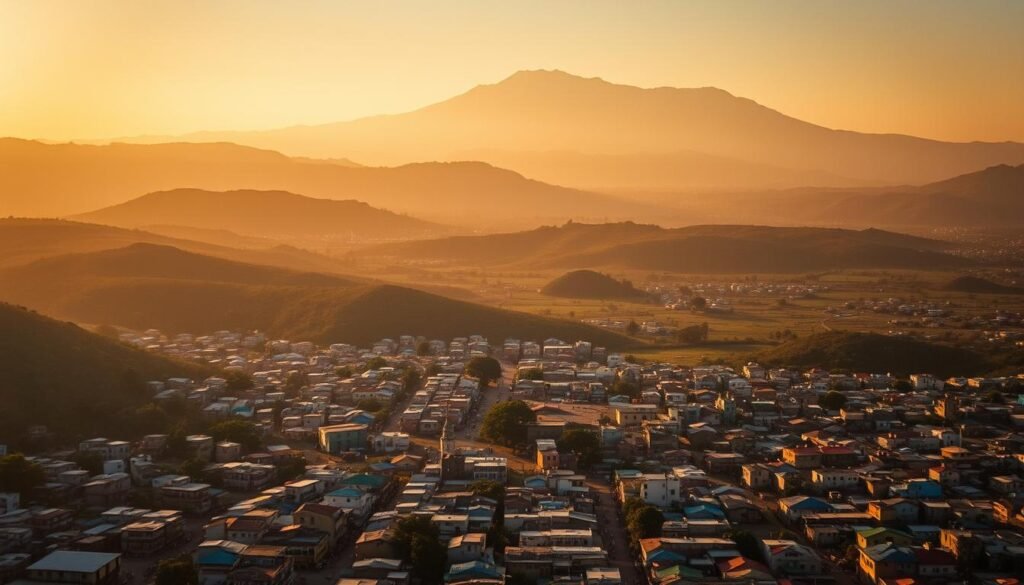
The assassination also had significant humanitarian consequences. The lack of stable leadership exacerbated existing issues such as poverty, hunger, and displacement.
Furthermore, the security situation in Haiti deteriorated, with gang violence becoming increasingly prevalent. This has further destabilized the country, creating an environment of fear and uncertainty.
The combined effect of these factors has been a significant challenge for Haiti, requiring a concerted effort from both internal stakeholders and the international community to address.
In the aftermath of President Jovenel Moise’s assassination, Haiti faces the daunting task of rebuilding trust and fostering stability. The road to recovery is complex, involving multiple stakeholders and requiring a comprehensive approach.
A critical step toward rebuilding trust is implementing institutional reforms. This involves strengthening the judiciary, enhancing transparency in government operations, and ensuring accountability for past atrocities. As Dr. Camille Chalmers, a Haitian economist, noted, “Reform is not just about changing laws; it’s about changing the culture of governance.”
The Haitian government must work to restore faith in its institutions by making them more responsive to the needs of the people. This can be achieved through measures such as increasing citizen participation in decision-making processes and improving the delivery of public services.
International support is crucial for Haiti’s recovery. The global community can provide financial assistance, technical expertise, and diplomatic backing to help stabilize the country. As
“The international community has a moral obligation to support Haiti in its time of need,”
stated by a UN representative, underscores the importance of collaborative efforts.
The United Nations and other international organizations can play a significant role in facilitating dialogue among Haitian stakeholders, supporting security efforts, and promoting economic development. Moreover, international support can help Haiti access global markets and attract foreign investment, thereby boosting its economy.
Grassroots movements are vital for driving change from the ground up. These movements can mobilize public opinion, advocate for policy reforms, and hold leaders accountable. By empowering local communities, grassroots initiatives can help build a more inclusive and equitable society.
As Haiti moves forward, it is essential to harness the energy and creativity of its people. By supporting grassroots movements and promoting civic engagement, Haiti can create a more stable and prosperous future for all its citizens.
The assassination of President Jovenel Moise has left a deep scar on Haiti, but the pursuit of justice is a crucial step toward healing the nation’s wounds. Honoring Moise’s legacy requires holding accountable those responsible for his tragic death.
The investigation into Moise’s assassination has been complex, involving alleged mercenaries and domestic conspirators. As the legal proceedings continue, it is essential to ensure transparency and accountability.
Justice for President Moise is not only about punishing the perpetrators but also about restoring faith in Haitian institutions. By pursuing justice, Haiti can take a significant step toward rebuilding trust and stability.
The international community’s support is vital in this process, providing assistance in investigation and institutional reforms. As Haiti moves forward, honoring Moise’s legacy through justice will be a beacon of hope for a more stable and prosperous future.
The assassination of President Jovenel Moise was a pivotal event that shook Haiti and the global community, leading to a significant power vacuum and exacerbating the country’s ongoing political instability and humanitarian crises.
Jovenel Moise was the President of Haiti from 2017 until his assassination in 2021. He was an entrepreneur who rose to prominence through his business ventures before entering politics.
President Moise was assassinated on July 7, 2021, in a brazen attack on his residence. The assassination was carried out by a group of armed individuals, reportedly mercenaries, who were later identified and some arrested.
The international community, including the United Nations and various countries, has condemned the assassination and offered support to Haiti. The U.S. has been involved in the investigation, and regional Caribbean countries have expressed concern and offered assistance.
The investigation has made progress, with several suspects arrested, including alleged mercenaries and domestic conspirators. However, the process has faced challenges, and the investigation continues to uncover the truth and identify those responsible.
Achieving justice for President Moise is crucial for healing Haiti’s wounds, restoring faith in Haitian institutions, and ensuring accountability and transparency. It is seen as a step toward rebuilding trust and stability in the country.
Failure to hold those responsible accountable could lead to further instability, embolden other criminals, and undermine efforts to rebuild trust in Haitian institutions, potentially exacerbating the humanitarian and security crises.
The assassination has created a power vacuum, led to a succession crisis, and had significant humanitarian consequences. It has also contributed to gang violence and security deterioration, further complicating Haiti’s recovery.
Efforts to rebuild trust and stability include calls for institutional reforms, international support for Haiti’s recovery, and grassroots movements for change. These steps aim to address the underlying issues that contributed to the crisis following President Moise’s assassination.