Physical Address
304 North Cardinal St.
Dorchester Center, MA 02124
Physical Address
304 North Cardinal St.
Dorchester Center, MA 02124
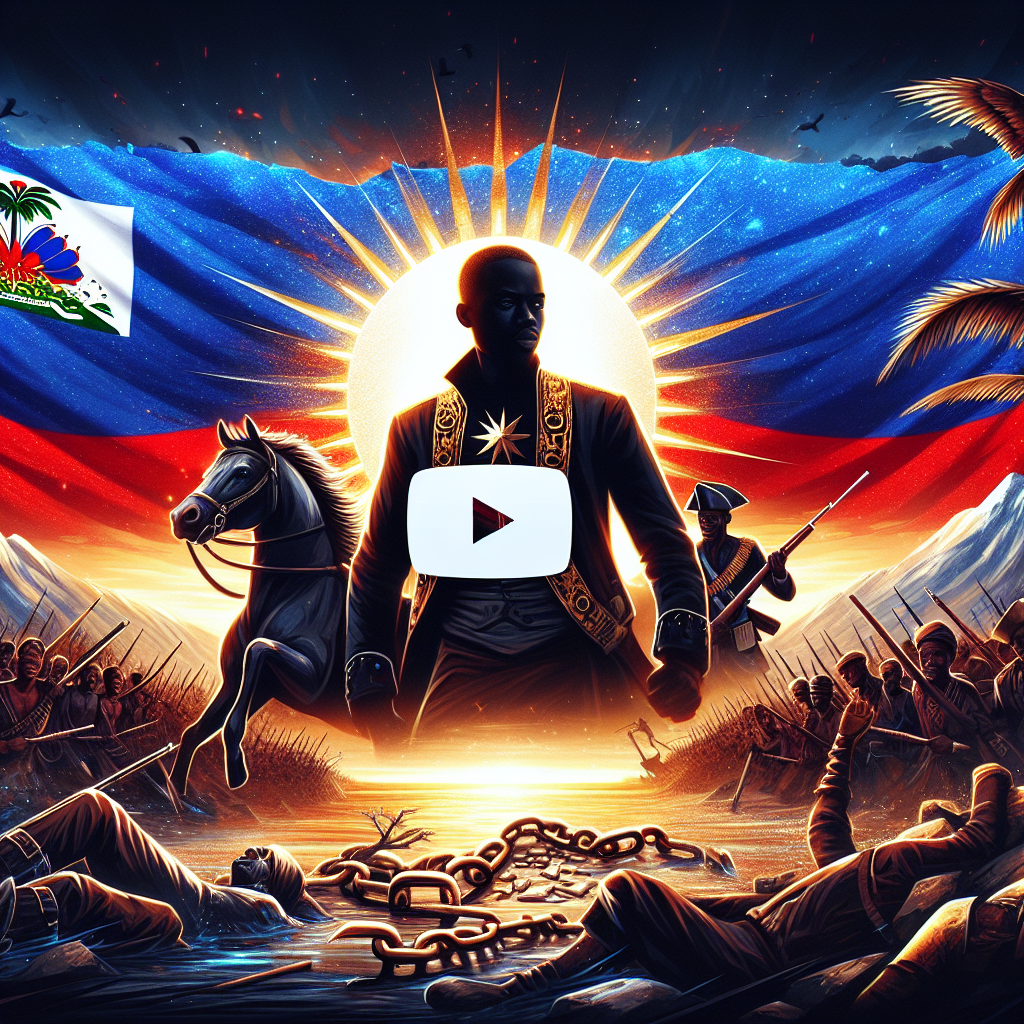
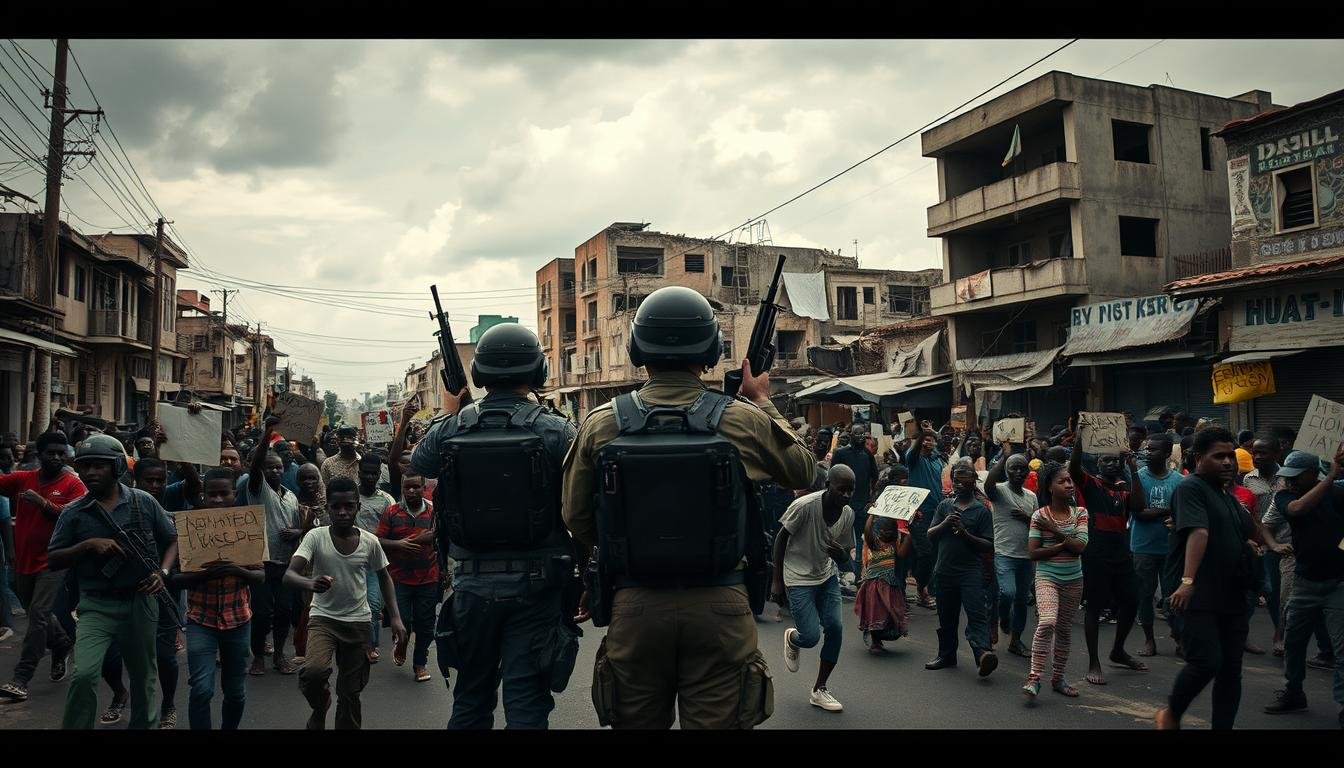
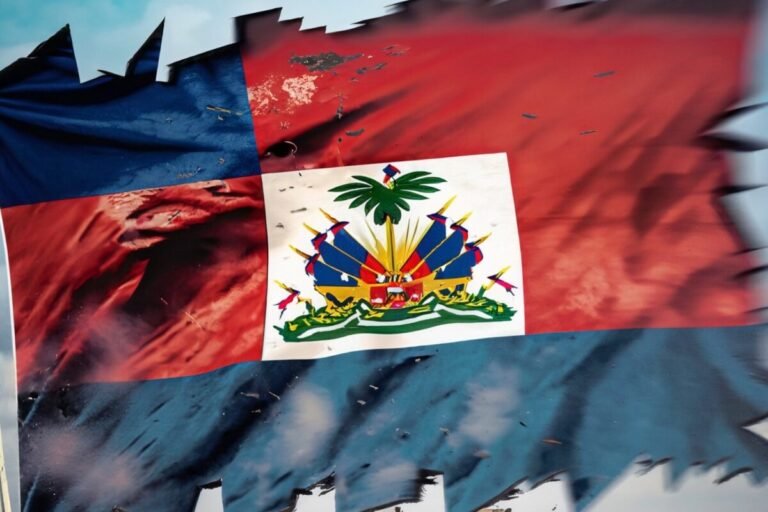
Explore the manufactured crisis in Haiti that maintains power and pillages resources through "Insecurity by Design".
The current state of affairs in Haiti is a complex web of manufactured chaos, where the crisis is perpetuated to maintain power and exploit resources. This manufactured crisis has led to a dire situation, with the Haitian people bearing the brunt of the consequences.
The situation in Haiti is characterized by widespread insecurity, which is not merely a result of natural disasters or internal conflicts but is, in fact, exacerbated by systemic issues. Understanding the root causes of this manufactured chaos is crucial to addressing the crisis effectively.
As violence continues to escalate in Haiti, the humanitarian impact on its citizens has become a pressing concern. The country is grappling with unprecedented levels of gang violence, displacement, and instability.
The capital city, Port-au-Prince, is under significant gang control, with various groups vying for power and territory. This has led to a surge in violent crimes and a breakdown in law and order.
Gangs have taken control of large swaths of Port-au-Prince, dictating the movement of people and goods. This control has severe implications for the local economy and the delivery of humanitarian aid.
The violence has resulted in the displacement of thousands of civilians, who are forced to flee their homes in search of safety. This displacement puts additional strain on already scarce resources.
“The humanitarian situation in Haiti is dire, with gang violence causing widespread displacement and a significant increase in humanitarian needs.”
The humanitarian impact of the crisis on Haitian citizens is severe. The lack of access to basic necessities like food, water, and healthcare is exacerbating the situation.
| Humanitarian Needs | Pre-Crisis | Current |
|---|---|---|
| Food Insecurity | 40% | 60% |
| Displacement | 10,000 | 50,000 |
| Healthcare Access | 80% | 40% |
The media portrayal of Haiti’s crisis often focuses on the sensational aspects of violence and instability. However, the ground reality is more nuanced, with deep-seated issues of poverty, inequality, and lack of governance.
The discrepancy between media portrayal and ground reality can lead to a skewed public perception, potentially influencing policy decisions and humanitarian responses.
Understanding Haiti’s past is crucial to grasping the impact of foreign intervention. Haiti’s history is complex, marked by periods of colonization, occupation, and economic manipulation that have shaped its current state.
Haiti was a French colony, known as Saint-Domingue, before becoming the world’s first independent black nation in 1804 after a successful slave revolt. This transition was not without its challenges, as Haiti faced isolation and hostility from European powers and the United States.
In 1825, France demanded that Haiti pay an “independence debt” of 150 million gold francs as compensation for the loss of its “property” (enslaved Africans). This debt, later reduced to 90 million francs, severely strained Haiti’s economy, hindering its development for decades.
The United States occupied Haiti from 1915 to 1934, ostensibly to stabilize the country. However, this period was marked by the exploitation of Haiti’s resources and the suppression of Haitian sovereignty, leaving a legacy of mistrust and resentment.
After the fall of the Duvalier regime in 1986, Haiti entered a period of political instability, with various governments and foreign interventions attempting to stabilize the country. This era has been characterized by cycles of violence, corruption, and economic mismanagement.
| Period | Event | Impact |
|---|---|---|
| 1804 | Haiti gains independence | Becomes the world’s first black republic |
| 1825 | France imposes “independence debt” | Economic strain and underdevelopment |
| 1915-1934 | US occupation | Exploitation of resources, suppression of sovereignty |
| 1986 | Fall of Duvalier regime | Onset of political instability and cycles of violence |
The historical context of foreign intervention in Haiti is crucial to understanding the current crisis. The legacy of colonization, debt, occupation, and political instability continues to affect Haiti’s development and sovereignty.
The concept of “insecurity by design” sheds new light on the manufactured chaos in Haiti, revealing underlying power dynamics. This strategy involves creating and maintaining an environment of instability, which serves specific interests at the expense of the general population.
“Insecurity by design” refers to the deliberate actions taken by certain groups or individuals to maintain or exacerbate instability in Haiti. This can include supporting armed groups, manipulating political processes, or exploiting economic vulnerabilities. The result is a state of perpetual crisis that benefits those in power.
Manufactured chaos in Haiti allows those in power to maintain control and further their interests. By keeping the country in a state of turmoil, they can justify their actions as necessary for stability, while actually consolidating their power and influence. This perpetuates a cycle of dependency and maintains the status quo.
The economics behind Haiti’s perpetual crisis is multifaceted. Two key aspects are aid industry dependence and the prevention of economic sovereignty.
Haiti’s heavy reliance on foreign aid creates a dependency that hinders its ability to develop sustainable economic practices. The influx of aid can also drive inflation, undermine local markets, and foster corruption. This dependency is a crucial element of “insecurity by design,” as it keeps Haiti vulnerable to external influence and control.
By maintaining a state of crisis, external and internal elites can prevent Haiti from achieving economic sovereignty. This involves suppressing local economic initiatives, favoring foreign investment that benefits a select few, and ensuring that Haiti remains a consumer market rather than a producer of goods. This strategy undermines the potential for self-sustaining economic growth and keeps Haiti in a state of economic subjugation.
In conclusion, “insecurity by design” is a complex strategy that involves maintaining Haiti in a state of crisis to serve the interests of a powerful few. Understanding this concept is crucial for addressing the root causes of Haiti’s instability and working towards a more equitable and sustainable future.
The manufactured crisis in Haiti has led to the empowerment of specific power players who exploit the country’s resources and instability. Understanding these actors is crucial to grasping the dynamics of the crisis.
Haiti’s domestic elites have long been accused of perpetuating the country’s instability for their own gain. They control key sectors of the economy and often have ties to political positions, allowing them to manipulate resources and maintain their grip on power.
Multinational corporations are attracted to Haiti’s rich natural resources, including gold, oil, and mineral deposits. The chaos in the country provides these corporations with opportunities to negotiate favorable deals, often at the expense of local communities.
Foreign governments, particularly those with historical ties to Haiti, have strategic interests in the country. These interests range from geopolitical influence to economic benefits, such as access to Haiti’s strategic geographic position in the Caribbean.
International financial institutions, including the International Monetary Fund (IMF) and the World Bank, play a significant role in Haiti’s economy. Their policies and loan programs often have profound impacts on the country’s economic stability and development.
| Power Players | Interests | Impact on Haiti |
|---|---|---|
| Domestic Elites | Maintain political and economic control | Perpetuate instability, exploit resources |
| Multinational Corporations | Extract natural resources | Environmental degradation, displacement of communities |
| Foreign Governments | Geopolitical influence, economic benefits | Influence domestic policies, maintain dependency |
| International Financial Institutions | Economic leverage through loans and policies | Shape economic trajectory, often to detriment of local populations |
The interplay between these power players and their interests is complex and multifaceted. To address Haiti’s crisis effectively, it is essential to understand and address the roles these actors play in perpetuating instability.
The manufactured crisis in Haiti serves as a backdrop for a more sinister agenda: the unchecked extraction of its rich natural resources. This section delves into the mechanisms that allow this exploitation to occur, often under the guise of crisis management.
During periods of instability, Haiti’s resources become vulnerable to exploitation. Two primary methods facilitate this:
In the absence of effective governance, mining operations often proceed without regulatory oversight. This leads to environmental degradation and human rights abuses, further exacerbating the crisis.
As violence and instability force people to flee their homes, their land becomes a valuable commodity. Powerful interests acquire this land, often through coercive means, to exploit its resources.
Instability in Haiti undermines democratic processes, making it difficult to hold those in power accountable for their actions. This lack of accountability creates an environment conducive to corruption and resource exploitation.
The consequences are far-reaching:
The narrative of “rebuilding” Haiti following crises has become a lucrative industry. International aid and reconstruction efforts often serve as vehicles for furthering the interests of foreign governments and corporations, rather than addressing the root causes of instability.
Key aspects of this industry include:
Understanding these dynamics is crucial to breaking the cycle of crisis and exploitation in Haiti. By examining the mechanics of resource extraction and the impact of instability on democratic accountability, we can begin to envision a more equitable and sustainable path forward for the Haitian people.
Gang violence in Haiti is not merely a symptom of chaos; it is a calculated element in maintaining the existing power structure. The intricate relationship between gang violence and political power is a critical factor in the ongoing instability.
There are documented connections between Haiti’s political elites and armed groups, indicating a level of coordination that serves mutual interests. These connections often facilitate the control of territories and resources.
Gangs in Haiti are used strategically to exert control over specific territories and resources. This control is often maintained through violence, creating an environment of fear that discourages opposition.
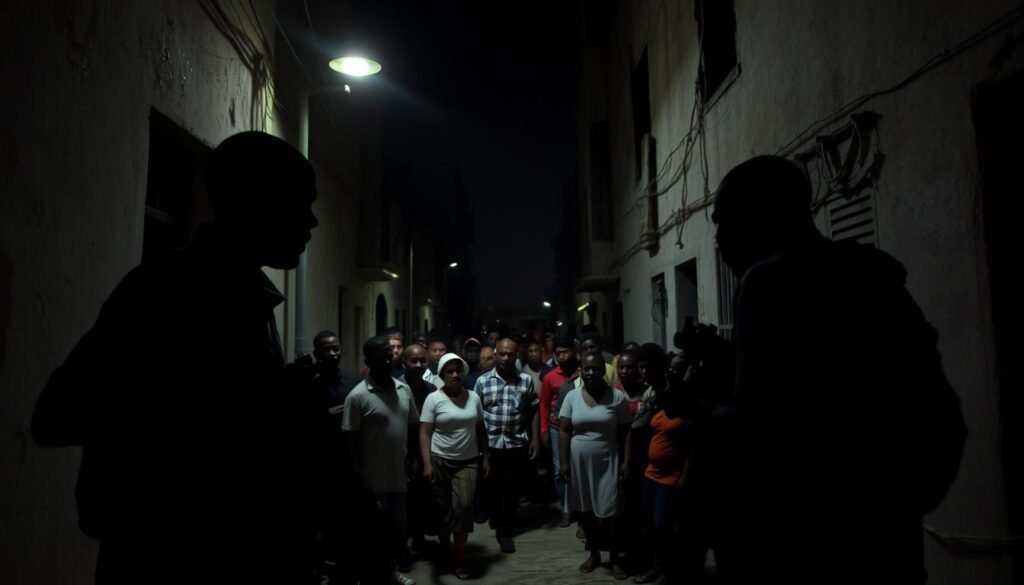
The insecurity generated by gang violence is often weaponized to justify foreign intervention. This intervention can take many forms, from military occupation to humanitarian aid, and serves the interests of foreign powers.
The political economy of gang activity in Haiti is complex, involving the extraction of resources and the control of lucrative economic activities. Gangs are often supported by political elites who benefit from their activities.
| Aspect | Description | Impact |
|---|---|---|
| Gang Violence | Used to control territories and resources | Maintains power structure |
| Political Elites | Support and coordinate with gangs | Mutual benefit, maintains control |
| Foreign Intervention | Justified by insecurity | Serves foreign interests |
The dynamics between gang violence, political elites, and foreign intervention create a complex web that maintains Haiti’s status quo. Understanding these dynamics is crucial for addressing the root causes of the crisis.
Rich in natural resources, Haiti has become a hotspot for foreign powers seeking to exploit its gold, oil, and strategic geographic position in the Caribbean. This wealth has been a double-edged sword, attracting foreign attention while exacerbating domestic instability.
Haiti is endowed with significant mineral wealth, including gold and copper deposits. Recent explorations have indicated substantial gold reserves, sparking interest from international mining companies. Additionally, there are believed to be oil reserves off Haiti’s coast, although the exact extent remains to be fully explored.
The country’s fertile agricultural land has historically made Haiti a significant producer of crops such as coffee, mangoes, and sugarcane. Foreign entities have shown considerable interest in Haiti’s agricultural potential, aiming to integrate it into global export economies.
Haiti’s location in the Caribbean makes it a strategic point for trade and security. Foreign powers have long been interested in this geographic advantage, seeing potential for military bases and shipping routes.
Foreign investment in infrastructure, such as roads, ports, and energy facilities, often serves as a means to gain control over Haiti’s natural resources. These projects, while potentially beneficial for the local economy, can also lead to foreign entities gaining significant influence over the country’s resource management.
In conclusion, Haiti’s natural resources and strategic position have made it a focal point for foreign interest. Understanding the dynamics of this interest is crucial for navigating the complexities of Haiti’s current crisis.
Amidst the chaos, a resilient grassroots resistance is pushing back against the forces that have long exploited Haiti’s resources and people. This movement is characterized by Haitian-led initiatives that seek to reclaim sovereignty, promote community-based security, and foster economic alternatives to dependency.
Haitian-led movements are at the forefront of the struggle for sovereignty. These movements are driven by a desire for self-determination and a need to address the root causes of Haiti’s crisis. As noted by Haitian activist,
“We are not just fighting against insecurity; we are fighting for a Haiti that is governed by its people, for its people.”
Community-based security initiatives are being implemented to provide safety and stability at the local level. These initiatives often involve collaboration between community members, local organizations, and sometimes international supporters. They focus on creating secure environments that are not controlled by gangs or external forces.
There’s a critical distinction between international solidarity and international intervention. While intervention often serves the interests of foreign powers, solidarity involves supporting Haitian-led initiatives and respecting Haiti’s sovereignty. International solidarity can amplify the voices of Haitian activists and provide necessary resources without undermining local autonomy.
Economic alternatives are being explored to reduce Haiti’s dependency on foreign aid and promote self-sufficiency. These alternatives include supporting local agriculture, developing cooperative businesses, and implementing sustainable economic practices. A comparative analysis of different economic models is presented in the table below:
| Economic Model | Key Features | Potential Impact |
|---|---|---|
| Local Agriculture | Support small farmers, promote local food systems | Food sovereignty, job creation |
| Cooperative Businesses | Community-owned, democratic decision-making | Economic equity, community empowerment |
| Sustainable Practices | Environmentally friendly, resource conservation | Environmental protection, long-term viability |
By exploring these alternative paths, Haiti can break the cycle of insecurity and dependency, paving the way for a more sovereign and secure future.
Haiti’s prolonged crisis is a complex issue, deeply rooted in historical foreign intervention and maintained by contemporary power dynamics. Understanding “insecurity by design” is crucial to unraveling the factors that perpetuate instability in the region.
The exploitation of Haiti’s natural resources, coupled with the strategic use of gang violence, has created a cycle of chaos that serves the interests of certain domestic and foreign elites. However, Haitian-led movements for sovereignty and community-based initiatives offer a glimmer of hope for a more secure and sovereign Haiti.
International solidarity, rather than intervention, is key to supporting these grassroots efforts. By promoting economic alternatives to dependency and fostering community-based governance, Haiti can begin to break the cycle of instability. A sovereign Haiti, free from the shackles of foreign manipulation, can pave the way for a more secure future, where the rights and dignity of its citizens are respected.
The path forward requires a concerted effort to address the root causes of Haiti’s crisis, rather than just its symptoms. By doing so, Haiti can move toward a more stable and prosperous future, where its people can thrive.
“Insecurity by design” refers to the deliberate creation and maintenance of chaos and instability in Haiti to serve the interests of those in power, including domestic elites, foreign governments, and multinational corporations.
Gang violence plays a significant role in maintaining the status quo by controlling territories and resources, and is often strategically used by political elites to further their interests.
Haiti is rich in gold, oil, and mineral deposits, and has valuable agricultural land, making it an attractive location for foreign powers seeking to extract these resources.
Infrastructure projects, such as those related to mining and transportation, can serve as vehicles for foreign control over Haiti’s resources, often benefiting multinational corporations and foreign governments at the expense of local communities.
International financial institutions, such as the International Monetary Fund and the World Bank, play a significant role in shaping Haiti’s economic policies and have been criticized for perpetuating dependency and undermining economic sovereignty.
Grassroots movements, including Haitian-led initiatives for sovereignty and community-based security and governance, are crucial for creating alternative paths forward and promoting a more equitable and just society.
International solidarity refers to collaborative efforts between Haitian and international actors to support Haitian-led initiatives, whereas international intervention often involves external actors imposing their will on Haiti, often with negative consequences.
By maintaining a state of chaos and instability, “insecurity by design” prevents democratic accountability, allowing those in power to act with impunity and undermining efforts to promote transparency and good governance.
Economic alternatives, such as community-based initiatives and cooperative ownership models, could help reduce Haiti’s dependence on foreign aid and promote economic sovereignty.