Physical Address
304 North Cardinal St.
Dorchester Center, MA 02124
Physical Address
304 North Cardinal St.
Dorchester Center, MA 02124
Discover the hidden price Haiti pays for its lack of sovereignty and the toll of foreign control.
Haiti’s struggle for independence is a longstanding issue, with foreign control playing a significant role in shaping the country’s fate.
The island nation’s history is marked by external influences that have impacted its Haitian independence and self-governance.
As a result, Haiti’s sovereignty is often compromised, leading to a complex web of internal and external factors affecting its development.
The historical context of Haiti’s struggle for independence is multifaceted, involving centuries of colonial rule, revolution, and foreign occupation. Haiti’s journey to becoming the first independent black nation in the world was marked by significant turmoil and transformation.
Haiti was under French colonial rule before the Haitian Revolution. The brutal conditions of slavery led to a massive uprising.
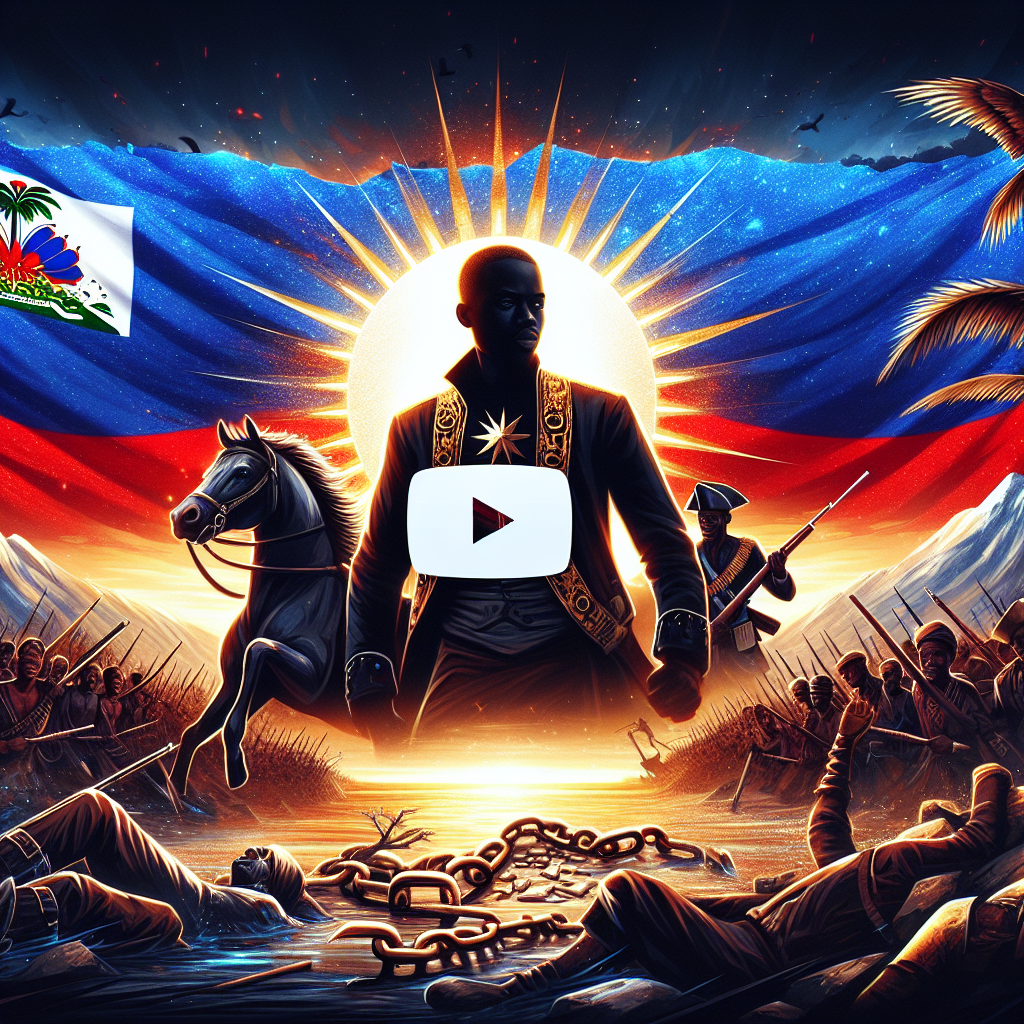
The Haitian Revolution (1791-1804) was a pivotal event that led to Haiti’s independence. Led by figures like Toussaint Louverture, it was the largest successful slave revolt in modern history. The revolution had far-reaching consequences, challenging the institution of slavery worldwide.
After gaining independence, Haiti faced diplomatic isolation and was forced to pay reparations to France for the loss of its “property” – the enslaved people. This debt had long-lasting economic impacts on Haiti.
The U.S. occupied Haiti from 1915 to 1934, exerting significant control over its political and economic systems.
The U.S. military controlled Haiti, making substantial changes to its constitution to favour American interests.
| Aspect | Pre-Occupation | During Occupation |
|---|---|---|
| Economic Control | Local | U.S. Controlled |
| Constitution | Haitian | Amended for U.S. Interests |
| Infrastructure | Limited | Modernized |
The occupation restructured Haiti’s economy, often to the benefit of American corporations. This period laid the groundwork for future economic dependencies.
Understanding these historical events is crucial to grasping the complexities of Haiti’s current sovereignty challenges.
Sovereignty, a fundamental concept in international relations, takes on a complex dimension in post-colonial states like Haiti. National sovereignty refers to a country’s absolute authority and control over its territory and population.
In post-colonial states, achieving full national sovereignty often involves overcoming historical legacies of foreign domination. True sovereignty encompasses not just political independence but also economic self-determination and cultural autonomy.
Haiti faces unique challenges in exercising its sovereignty. The country’s history as the first black republic has not shielded it from external influences.
Despite gaining independence in 1804, Haiti has struggled with external control mechanisms that limit its sovereignty. International debt, foreign aid, and political interference have all played roles in constraining Haiti’s ability to self-govern fully.
The interplay between these factors creates a complex landscape for Haitian sovereignty. Understanding these dynamics is crucial for addressing the challenges Haiti faces in asserting its national sovereignty.
Haiti’s sovereignty has been under siege for decades, with various forms of external control shaping its political and economic landscape. This complex situation has its roots in historical events and continues to evolve, impacting the nation’s ability to self-govern.
External control in Haiti manifests in several ways, including direct interventions and indirect control mechanisms. Understanding these forms is crucial to grasping the challenges Haiti faces in maintaining its sovereignty.
Direct interventions, such as military occupations and political interference, have significantly impacted Haiti’s sovereignty. For instance, the U.S. occupation from 1915 to 1934 had lasting effects on Haiti’s political and economic structures.
Indirect control through economic and diplomatic pressure also plays a substantial role. Economic sanctions, foreign aid conditions, and diplomatic maneuvers by major powers can influence Haiti’s policy decisions and governance.
Beyond direct and indirect control, there are visible and invisible mechanisms that shape Haiti’s sovereignty. These include the role of international financial institutions and foreign policy directives from major powers.
International financial institutions, such as the International Monetary Fund (IMF) and the World Bank, have significant influence over Haiti’s economic policies. Their loan conditions and development programs can affect the country’s economic sovereignty.
Major powers, including the United States, have foreign policy directives that impact Haiti. These directives can influence trade policies, security arrangements, and diplomatic relations, further complicating Haiti’s sovereignty.
The interplay of these factors is complex, and understanding their impact is crucial for addressing the challenges to Haiti’s sovereignty.
| Mechanism of Influence | Description | Impact on Sovereignty |
|---|---|---|
| Direct Military Interventions | Military occupations or interventions by foreign powers. | Significant impact, often resulting in loss of control over national security and policy. |
| Economic Sanctions | Economic measures imposed by foreign powers or international organizations. It cannot | limit the government’s ability to implement economic policies and affect national development. |
| International Financial Institutions | Loan conditions and development programs by institutions like the IMF and World Bank. | Influences economic policies and can affect the country’s ability to make independent economic decisions. |
By examining these mechanisms and their impacts, it becomes clear that Haiti’s sovereignty is influenced by a multitude of factors, both visible and invisible. Addressing these challenges will require a comprehensive understanding of the complex interplay between internal governance and external influences.
External economic factors, such as international debt and trade policies, play a crucial role in shaping Haiti’s economic future. The country’s economic dependency on foreign entities has far-reaching consequences for its sovereignty and development.
Haiti’s history with international debt dates back to its early days of independence. The debt burden has been a persistent issue, affecting the country’s ability to invest in its own development.
The legacy of historical debt continues to influence Haiti’s financial situation today. Modern debt restructuring efforts often come with conditions that impact the country’s economic policies.
Foreign aid is a double-edged sword. While it provides immediate relief, it can also create long-term dependency.
Aid can foster a cycle where Haiti relies on external assistance rather than developing its own capacities. This dependency can undermine the government’s ability to make sovereign decisions.
Often, foreign aid is channelled through non-governmental organizations (NGOs) rather than government institutions. This can weaken the government’s infrastructure and capacity to deliver public services.
Trade policies imposed by international organizations can significantly affect Haiti’s economic sovereignty. These policies can favour foreign interests over local industries.
Trade liberalization has led to increased competition from imported goods, often at the expense of local producers. This can erode the domestic manufacturing base and exacerbate economic challenges.

In conclusion, Haiti’s economic dependency is a complex issue influenced by international debt, foreign aid, and trade policies. Understanding these dynamics is crucial for developing strategies that promote economic sovereignty and sustainable development.
Haiti’s sovereignty is challenged by the pervasive influence of foreign powers in its political affairs. This influence manifests in various forms, including electoral processes and governance structures.
The role of external actors in Haitian elections has been a subject of controversy. Foreign entities, particularly the United States and international organizations, have been involved in shaping electoral outcomes.
The U.S. and other international actors have provided significant financial and technical support to Haiti’s electoral processes. While intended to promote democracy, this support has sometimes been criticized for unduly influencing electoral outcomes.
International organizations, including the United Nations, have played a significant role in Haitian governance. Their missions, such as MINUSTAH, have aimed to stabilize the country but have also been criticized for undermining Haitian sovereignty.
The UN Stabilization Mission in Haiti (MINUSTAH) was established in 2004 to restore order and support the Haitian government. Despite its intentions, MINUSTAH faced criticism for its impact on Haitian sovereignty and its role in introducing cholera to the country.
The Core Group, comprising representatives from major donor countries and international organizations, has significant influence over Haitian politics. Their interventions often shape policy and governance decisions.
The impact of foreign influence on Haiti’s political landscape is complex and multifaceted. Understanding these dynamics is crucial for addressing the challenges to Haitian sovereignty.
| International Actor | Role in Haitian Politics | Impact on Sovereignty |
|---|---|---|
| United States | Financial and technical support for elections | Potential undue influence on electoral outcomes |
| United Nations | Stabilization missions (e.g., MINUSTAH) | Criticism for undermining sovereignty and introducing cholera |
| The Core Group | Policy and governance influence | Significant impact on Haitian political decisions |
The erosion of Haiti’s sovereignty has significant social implications, affecting various aspects of Haitian life. As external influences increasingly shape the country’s policies and practices, the impact on public services, infrastructure, and migration patterns becomes more pronounced.
Haiti’s public services and infrastructure are severely affected by diminished sovereignty. External management of key sectors often leads to decisions that may not align with the nation’s long-term interests.
The healthcare system in Haiti has faced significant challenges due to external interventions. International aid and management have sometimes led to a dependency on foreign assistance, undermining local healthcare infrastructure.
Education policies in Haiti have been influenced by foreign models, which may not be tailored to the country’s specific needs. This has resulted in a mismatch between the education system and the country’s development requirements.
The social cost of diminished sovereignty is also reflected in migration patterns and brain drain. Many Haitians seek opportunities abroad, leading to a significant diaspora community.
The Haitian diaspora in the United States plays a crucial role in supporting their families back home through remittances. However, this also indicates a brain drain, as skilled Haitians often leave to pursue better opportunities.
Remittances from the diaspora are a significant source of income for many Haitian families. However, this reliance on external financial support contributes to economic dependency, further complicating Haiti’s path to self-sufficiency.

| Category | Impact of External Influence | Potential Outcome |
|---|---|---|
| Healthcare | External management and aid dependency | Undermined local healthcare infrastructure |
| Education | Foreign models and policies | Mismatch between education and development needs |
| Migration | Brain drain and diaspora | Loss of skilled workforce and economic dependency |
Haiti’s unique cultural landscape is being reshaped by foreign cultural narratives. The country’s rich heritage, shaped by its history as the first black republic, is facing challenges from external influences.
The preservation of Haitian identity is crucial in the face of external cultural pressures. Language plays a significant role in this context.
The dynamics between Creole, French, and English are complex. While Creole is the predominant language, French and English are often used in official and educational contexts, influencing the cultural narrative.
The media plays a crucial role in shaping cultural narratives about Haiti. International media portrayals often focus on negative aspects, such as poverty and instability.
Haitian artists and writers are resisting cultural homogenization by celebrating their unique heritage through various forms of expression.
The aftermath of the 2010 earthquake in Haiti exposed the double-edged nature of humanitarian interventions. While aid was crucial in saving lives and providing relief, it also raised significant questions about Haiti’s sovereignty.
The international response to the 2010 earthquake was unprecedented, with billions of dollars pledged in aid. However, the coordination of this aid effort was marred by challenges.
One of the major issues was the lack of coordination among the numerous organizations involved in the relief efforts. This led to duplication of efforts in some areas and neglect in others, undermining Haiti’s ability to govern its own response to the disaster.
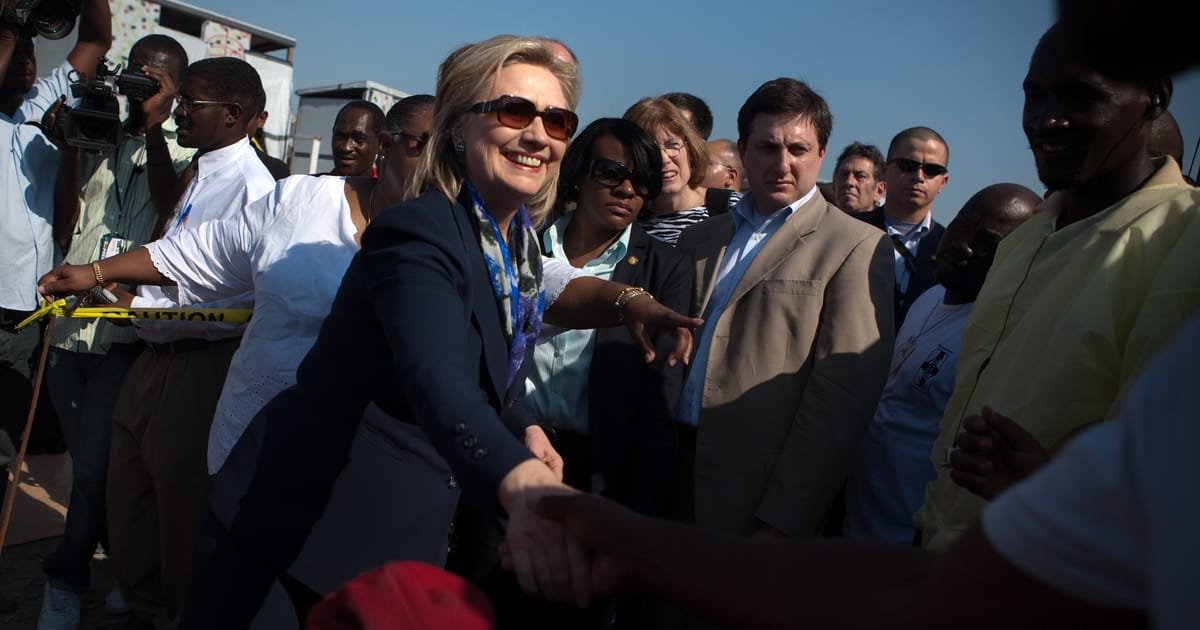
The Clinton Foundation played a significant role in the post-earthquake reconstruction efforts. While it brought much-needed expertise and resources, its influence also raised questions about the role of external actors in Haiti’s development.
Haiti has long been characterized as a “Republic of NGOs” due to the significant presence and influence of non-governmental organizations in the country. This phenomenon has both positive and negative implications for Haiti’s sovereignty.
NGOs often create parallel structures that bypass the Haitian government, potentially weakening its capacity to provide services and govern effectively.
Furthermore, the NGO sector faces significant accountability challenges, with many organizations operating with limited oversight, further complicating the governance landscape in Haiti.
In conclusion, while humanitarian interventions are crucial in times of crisis, they must be carefully managed to respect and strengthen Haiti’s sovereignty, rather than undermining it.
Haiti’s position in international relations is a delicate balance of sovereignty and cooperation. The country’s diplomatic challenges are multifaceted, involving historical legacies and contemporary geopolitical dynamics.
Haiti faces significant diplomatic hurdles, particularly in its relations with major global and regional powers. The country’s history of foreign interventions has shaped its diplomatic stance, often leaning towards cautious engagement with international partners.
The relationship between Haiti and the United States is complex, marked by periods of cooperation and tension. Historically, the U.S. has played a significant role in Haitian affairs, from the early 20th-century occupation to contemporary humanitarian interventions. As U.S. Secretary of State Antony Blinken once stated, “The United States is committed to supporting Haiti’s stability and prosperity.”
“The United States is committed to supporting Haiti’s stability and prosperity.” –
Today, U.S.-Haiti relations continue to evolve, with cooperation in areas such as security, trade, and humanitarian aid. However, challenges persist, including concerns over human rights and governance.
Haiti is an active member of various international organizations, including the United Nations and the Organization of American States. These memberships provide Haiti with a platform to address global issues and seek assistance for its development challenges.
Haiti’s diplomatic engagements are also shaped by regional dynamics. The country’s membership in the Caribbean Community (CARICOM) reflects its commitment to regional integration and cooperation.
As a member of CARICOM, Haiti participates in regional initiatives aimed at economic integration, security cooperation, and cultural exchange. This membership has facilitated Haiti’s engagement with other Caribbean nations, promoting a shared identity and common interests.
The relationship between Haiti and the Dominican Republic is significant, with border politics being a recurring issue. Diplomatic efforts have been made to manage tensions and promote cooperation, particularly in areas such as trade and environmental management.
In conclusion, Haiti’s international relations are characterized by a complex interplay of historical legacies, diplomatic challenges, and regional dynamics. Navigating these complexities is crucial for Haiti to assert its sovereignty while engaging beneficially with the international community.
In the face of external control, Haitians are turning to grassroots movements and alternative development models to reclaim their sovereignty. This shift represents a significant change in how Haitians are approaching their struggle for self-determination.
Local organizations are fighting for self-determination by advocating for policies that benefit the Haitian people, not just the elite. Youth activism is also on the rise, with digital resistance playing a crucial role in mobilizing support and spreading awareness.
These organizations are working tirelessly to promote Haitian interests and challenge external control.
Young Haitians are leveraging digital platforms to organize and resist foreign interference.
The exploration of community-based economic initiatives and South-South cooperation opportunities offers new pathways for Haiti’s development.
These initiatives focus on empowering local communities and reducing dependency on foreign aid.
By strengthening ties with other developing nations, Haiti can access new markets and resources.
Haitian sovereignty is at a critical juncture, with foreign control exerting significant influence over the nation’s governance, economy, and culture. To reclaim and strengthen its sovereignty, Haiti must adopt a multifaceted approach that addresses the complex challenges posed by external forces.
Achieving genuine sovereignty requires Haitian-led solutions that prioritize national interests and promote self-determination. This involves reforming economic policies to reduce dependency on foreign aid, fostering democratic governance that is free from external interference, and preserving Haitian cultural identity.
Grassroots movements and civil society organizations are crucial in this endeavour, as they can mobilize public support and advocate for policies that promote Haitian sovereignty. Alternative development models that emphasize local participation and control can also help to reduce reliance on foreign entities.
Ultimately, the pathway to genuine Haitian sovereignty lies in empowering Haitians to take ownership of their nation’s future. By doing so, Haiti can break free from the shackles of foreign control and forge a path that is truly its own, ensuring a more equitable and prosperous future for its citizens.
Haiti’s struggle for independence began with the Haitian Revolution, a successful slave revolt that led to the establishment of the first black republic in the world. The revolution had significant global implications, but it was followed by diplomatic isolation and the imposition of reparations to France, which had a lasting impact on Haiti’s sovereignty.
Foreign control has affected Haiti’s sovereignty through various forms of external control, including direct interventions, such as military occupation, and indirect control, such as economic and diplomatic pressure. International financial institutions and foreign policy directives from major powers have also played a significant role in shaping Haiti’s sovereignty.
International debt has been a significant control mechanism in Haiti, with historical debt burdens and their modern equivalents contributing to the country’s economic challenges. The debt has limited Haiti’s ability to make independent economic decisions and has perpetuated its dependency on foreign aid.
Foreign aid has had a complex impact on Haiti’s development, with some arguing that it has created a cycle of dependency and bypassed Haitian government structures. While aid has provided essential humanitarian assistance, it has also undermined Haiti’s ability to develop its own institutions and economic systems.
NGOs have played a significant role in Haiti, particularly in the aftermath of the 2010 earthquake. However, their presence has also created a “Republic of NGOs” phenomenon, where parallel structures have bypassed governmental institutions, and accountability challenges have arisen. This has had implications for Haiti’s sovereignty and its ability to develop its own institutions.
Grassroots movements and civil society have been crucial in resisting foreign control and reclaiming sovereignty in Haiti. Local organizations, youth activism, and community-based initiatives have promoted self-determination and alternative development models, offering a pathway to genuine Haitian sovereignty.
Haiti’s diminished sovereignty has had significant implications for its public services and infrastructure, with external influences affecting healthcare systems, education policies, and other critical areas. This has contributed to the country’s development challenges and undermined its ability to provide essential services to its citizens.
The international community’s response to the 2010 earthquake was marked by coordination failures and sovereignty issues, with the presence of external actors and NGOs creating tensions with the Haitian government. The response highlighted the challenges of humanitarian interventions in Haiti and the need for more effective and sustainable approaches.