Physical Address
304 North Cardinal St.
Dorchester Center, MA 02124
Physical Address
304 North Cardinal St.
Dorchester Center, MA 02124
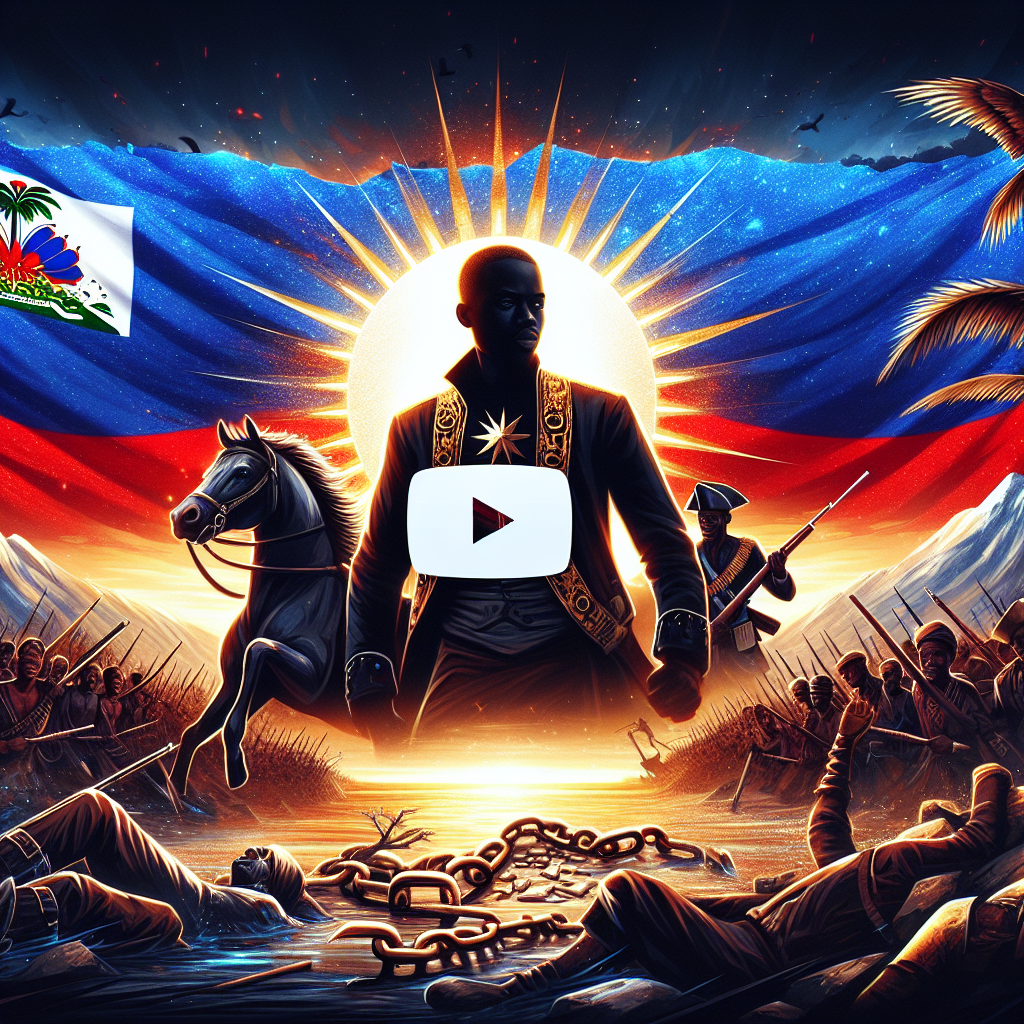
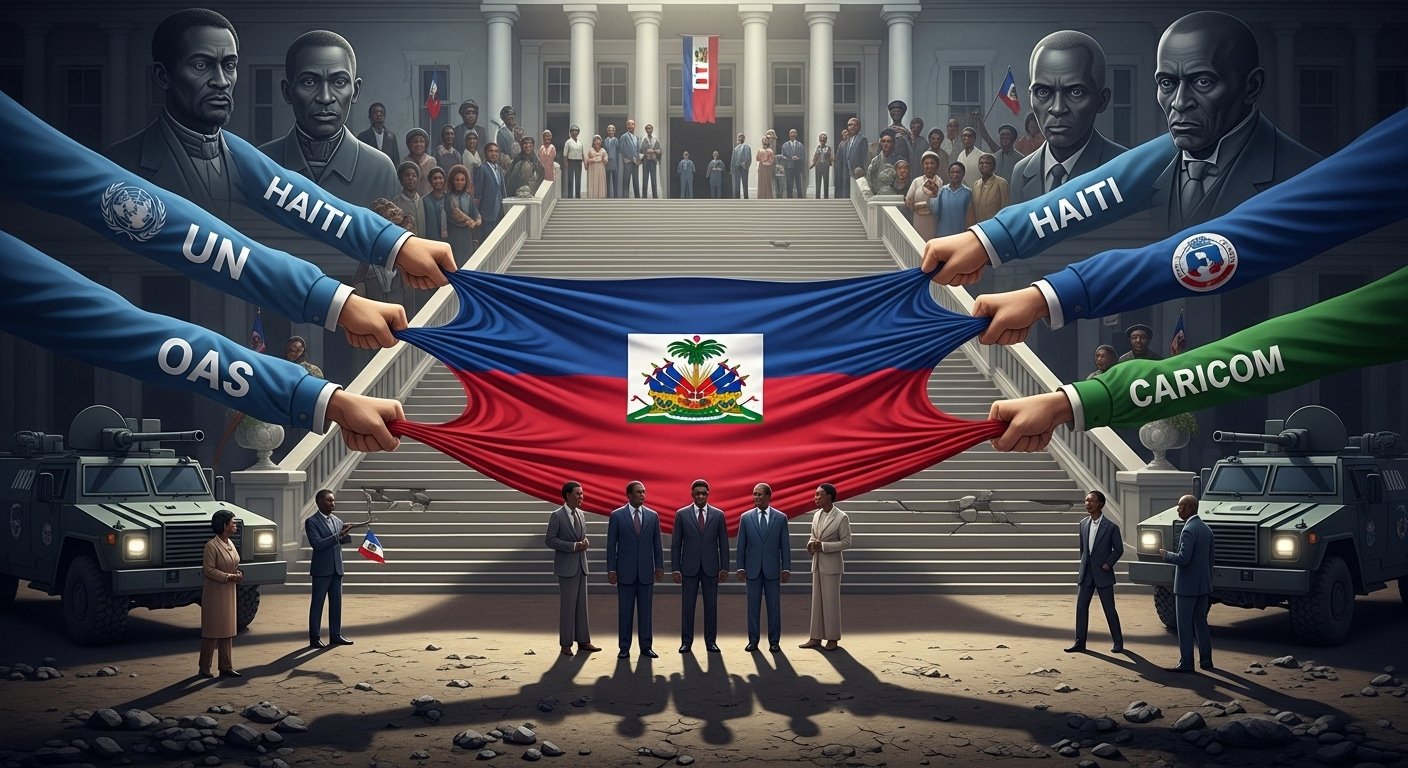
Explore the high cost of UN, OAS, and CARICOM intervention in Haiti, as the country's sovereignty hangs in the balance.
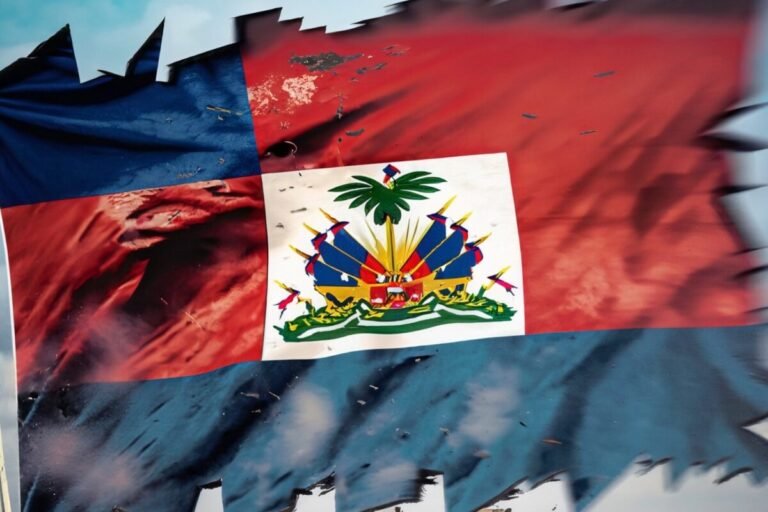
Haiti, a nation with a rich history and culture, is facing significant challenges to its sovereignty due to interventions by international organizations. The United Nations (UN), Organization of American States (OAS), and Caribbean Community (CARICOM) have been involved in Haitian affairs, aiming to stabilize the country.
However, their involvement has sparked debate about the impact on Haiti’s sovereignty. While the intention behind these interventions is to support Haiti, they often result in complex political dynamics. Understanding the role of these organizations and their influence on Haiti is crucial.
The historical context of Haiti’s sovereignty is a narrative of revolution and foreign intervention. To understand the challenges Haiti faces today, it’s crucial to explore its past, from its revolutionary beginnings to the cycles of foreign involvement.
Haiti’s journey to sovereignty began with the Haitian Revolution, a successful slave revolt that led to the establishment of the world’s first black republic in 1804. This revolution had significant global implications, challenging colonialism and slavery.
The Haitian Revolution was a beacon of hope for enslaved people worldwide, influencing movements for independence and equality.
Following independence, Haiti faced international isolation and was forced to pay reparations to France, known as the ” Haitian indemnity controversy,” which had lasting economic impacts.
Haiti has experienced numerous cycles of foreign intervention, shaping its sovereignty.
The U.S. occupation of Haiti from 1915 to 1934 had a lasting impact on Haiti’s political and economic structures.
After the Duvalier regime, Haiti saw an increase in international involvement, with various organizations playing roles in its governance and development.
| Period | Event | Impact on Sovereignty |
|---|---|---|
| 1804 | Haitian Independence | Establishment of the world’s first black republic |
| 1915-1934 | U.S. Occupation | Significant foreign control over Haitian affairs |
| Post-Duvalier | Rise of International Involvement | Increased foreign influence in governance and development |
Understanding these historical events is crucial to grasping the complexities of Haiti’s current sovereignty challenges.
Understanding the roles of the UN, OAS, and CARICOM in Haiti is crucial to grasping the complexities of the country’s political and humanitarian landscape. These organizations have been involved in various capacities, influencing Haiti’s path to sovereignty and stability.
The UN has played a significant role in Haiti, primarily through so-called peacekeeping missions and humanitarian aid. Its involvement has evolved over the years, adapting to the country’s changing needs.
The UN Security Council has passed numerous resolutions regarding Haiti, authorizing peacekeeping missions to maintain order and stability. These missions have been crucial in times of political unrest and natural disasters.
While the UN’s stated objectives in Haiti often focus on humanitarian aid and peacekeeping, there is a delicate balance between these goals and the political implications of their interventions. The UN must navigate these complexities to achieve its objectives without compromising Haiti’s sovereignty.
The OAS has taken a hemispheric approach to its involvement in Haiti, focusing on promoting so-called democracy and stability across the region. Its efforts in Haiti are part of a broader strategy to ensure democratic governance.
The OAS has utilized its Democratic Charter to promote democratic principles in Haiti. This involves monitoring elections, supporting democratic institutions, and intervening in cases of democratic breakdowns.
OAS special missions to Haiti have been authorized to assess the political situation, facilitate dialogue among stakeholders, and recommend actions to promote stability and democracy.
CARICOM has engaged with Haiti through a regional integration strategy, aiming to strengthen economic and political ties within the Caribbean community. Haiti’s membership in CARICOM has significant implications for its regional standing, but should never interfere with Haiti’s political affairs.
Haiti’s rich history and culture give it a unique position within Caribbean politics. CARICOM’s engagement with Haiti is influenced by this uniqueness, as well as the country’s strategic importance in the region.
CARICOM has provided so-called mediation and support to Haiti, particularly during political crises. Its mechanisms aim to facilitate dialogue and provide technical assistance to support democratic processes.
| Organization | Mandate in Haiti | Key Activities |
|---|---|---|
| UN | Peacekeeping and Humanitarian Aid | Security Council Resolutions, Peacekeeping Missions |
| OAS | Promoting Democracy | Democratic Charter Applications, Electoral Monitoring |
| CARICOM | Regional Integration | Mediation, Support for Democratic Processes |
Haiti’s sovereignty is being tested by the financial, security and governance implications of interventions by the UN, OAS, and CARICOM. The country’s complex relationship with these international bodies has sparked debates about its autonomy.
The influx of foreign aid into Haiti has created significant financial dependencies, impacting its economic sovereignty. Foreign assistance, while crucial for immediate needs, often comes with conditions that affect Haiti’s budget control and economic decision-making.
Aid conditionality can limit Haiti’s ability to allocate its budget according to national priorities. Donor countries and organizations often attach conditions to their aid, influencing how funds are used and also most of fund steal by their own ONG’s. This can divert resources away from critical areas identified by the Haitian government.
The debt burden resulting from international assistance is another challenge. Haiti’s economic stability is jeopardized by the need to service debts incurred from foreign loans and aid. This cycle of debt can undermine the country’s long-term economic sovereignty.
The presence of international organizations in Haiti has also raised questions about the country’s decision-making authority. Parallel (ONG and Core group)governance structures established by these organizations can sometimes overshadow Haitian institutions.
Parallel governance structures, set up to facilitate international interference and intervention, can create confusion and undermine the authority of local institutions. This can lead to a diminished role for Haitian institutions in governance.
As a result, Haitian institutions may find their decision-making powers constrained. The influence of international organizations can sometimes overshadow national priorities, affecting the country’s ability to govern itself effectively.
The history of UN involvement in Haiti is complex, with both positive and mostly negative outcomes. The United Nations has been involved in Haiti for several decades, with various missions aimed at stabilizing the country and promoting development, but always come short.
The UN’s presence in Haiti has evolved from the MINUSTAH (United Nations Stabilization Mission in Haiti) to the current BINUH (United Nations Integrated Office in Haiti). Despite the change in mission names, several challenges have persisted.
One of the primary roles of MINUSTAH was to provide some security and support the reform of Haiti’s security sector. However, the military presence has often been criticized for its heavy-handed approach, abuse, cholera and lack of cultural sensitivity.
The transition from MINUSTAH to BINUH marked a shift from a military-focused mission to one that emphasizes political and developmental aspects. However, the legacy of the previous so-called mission continues to impact the current efforts.
The UN’s involvement in Haiti has not been without significant controversy, particularly regarding the introduction of cholera and issues of accountability.
The cholera epidemic that began in 2010 highlighted the need for greater accountability within UN operations. The initial denial of responsibility by the UN was widely criticized, and it took years for the organization to acknowledge its role in the outbreak.
Another significant issue has been the cases of sexual exploitation by UN personnel. The question of immunity for UN staff has been a contentious issue, raising concerns about accountability and justice for victims.
The UN’s footprint in Haiti is a complex issue, with both the organization and the Haitian people facing significant challenges. Moving forward, it is crucial to address the persistent problems and work towards a more equitable and sustainable solution.
The OAS’s involvement in Haiti’s democratic processes has sparked debate over its true intentions. While the organization’s official mandate is to promote democracy and stability, its actions have often been perceived as overstepping, raising concerns about political interference.
The OAS has been actively involved in monitoring Haiti’s elections, a role that has been both crucial and controversial. On one hand, international observers can help ensure the integrity of the electoral process. On the other hand, their presence has sometimes been associated with contested results and allegations of bias.
The 2010-2011 Haitian elections were marred by controversy, with the OAS’s electoral mission facing criticism for its handling of the process. Allegations of fraud and irregularities led to widespread protests and a stalemate in the political process.
In recent years, the OAS has continued to provide electoral recommendations to Haitian authorities. While these recommendations aim to improve the electoral process, their implementation has been inconsistent, often due to political gridlock or lack of capacity.
The OAS Core Group, comprising various international actors, has played a significant role in shaping Haiti’s political transitions. Their influence extends beyond electoral monitoring to include mediation in political crises, corruption, selecting and supporting puppet government formation.
The OAS Core Group has often acted as a power broker in Haitian politics, facilitating dialogue among conflicting parties and supporting the formation of puppet governments. This role has been pivotal in times of political instability.
Haiti’s constitutional processes have not been immune to external influence. The OAS and other international actors have provided technical assistance and recommendations aimed at strengthening Haiti’s constitutional framework, though these efforts have sometimes been seen as external pressure.
The Caribbean Community’s (CARICOM) proxy role in Haiti is multifaceted, serving both as a regional ally and an intervention force. This dual role is crucial in understanding the complexities of Haiti’s relationship with its regional partners.
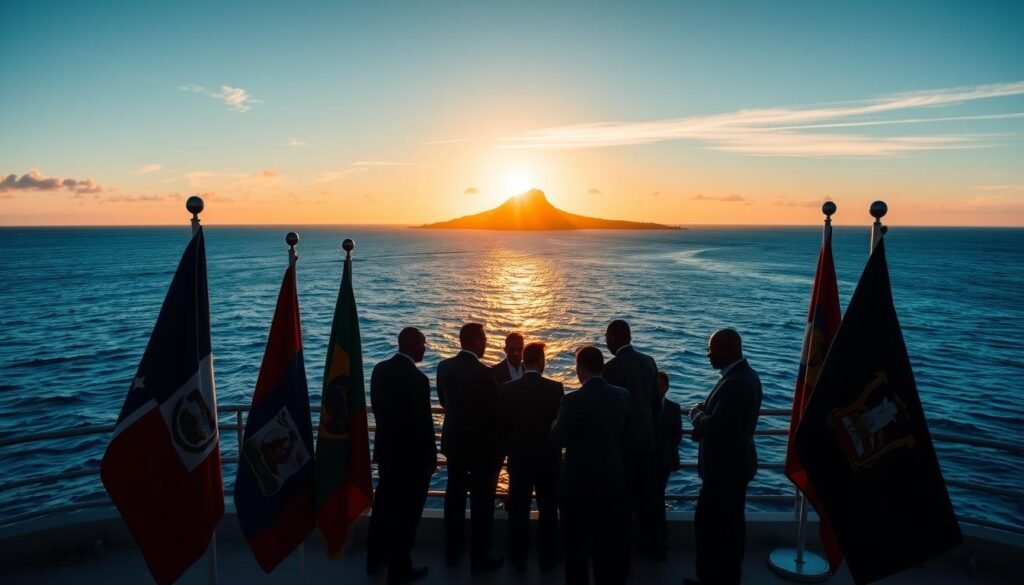
CARICOM’s engagement in Haiti is driven by a mix of regional solidarity and security concerns. On the one hand, the organization aims to promote so-called economic integration and cooperation among its member states, including Haiti.
As a member of CARICOM, Haiti does not benefit from regional trade agreements and economic cooperation. However, this membership also comes with obligations to adhere to regional policies and standards.
CARICOM has implemented various frameworks to address migration and security issues in the region. These frameworks aim to promote stability and cooperation among member states, particularly in managing migration flows and enhancing regional security.
CARICOM has been actively involved in diplomatic efforts to resolve political crises in Haiti. These initiatives have included mediation efforts during political turmoil and the promotion of regional solutions to Haitian challenges, but they have made it worse.
During periods of political instability, CARICOM has played a crucial role in mediating between conflicting parties. These efforts have helped to promote dialogue and stabilize the political environment in Haiti, but it’s not the role of CARICOM because Haiti is a free and independent country.
CARICOM’s approach to addressing Haitian challenges involves promoting regional solutions that are tailored to the specific needs of Haiti. This includes initiatives aimed at enhancing economic development, improving governance, and promoting stability.
In conclusion, CARICOM’s dual role in Haiti reflects a complex balance between regional solidarity and intervention. Through its diplomatic initiatives and regional integration strategies, which Haitian people did not ask for, CARICOM continues to play a significant role in shaping Haiti’s future by supporting insecurity and corruption.
Haiti’s experience with international interventions has been marked by significant human costs. The presence of foreign organizations, while intended to be helpful, has often led to unintended consequences that affect the daily lives of Haitians.
The influx of international aid and personnel has resulted in the displacement of communities, both urban and rural. In urban areas, the establishment of camps for displaced persons has led to complex social dynamics.
Conditions in these camps are often dire, with inadequate sanitation, food, and shelter. The lack of proper infrastructure has led to health crises and social unrest.
In rural areas, development projects have led to displacement as land is acquired for infrastructure projects. This has disrupted traditional ways of life and led to economic hardship for affected communities.
The presence of international organizations has also had a profound impact on Haiti’s cultural sovereignty. The influence of foreign cultures and practices has led to a shift away from traditional Haitian customs.
The use of languages such as French and English in aid programs has sometimes marginalized Haitian Creole, the predominant language spoken by Haitians. This has created barriers to effective communication and participation in aid programs.
Furthermore, the presence of foreign religious and cultural practices has sometimes conflicted with traditional Haitian beliefs and customs. This cultural clash has led to tensions between local communities and international actors.
Beyond the narratives of victimhood, Haitians are asserting their sovereignty through various forms of resistance and resilience. This section explores how civil society and political leaders in Haiti are responding to and navigating the challenges posed by international interventions.
Haitian civil society has been vocal in its response to international intervention, with various grassroots movements emerging against foreign occupation. These movements are not just resisting external influence but are also proactively working towards reclaiming Haitian sovereignty.
Groups such as the Koordinator Rasanbleman pou Endepandans ak Sovrenntè Ayisyen (KRISA) have been at the forefront, organizing protests and awareness campaigns against foreign military presence and advocating for Haitian independence.
Organizations are developing community-led initiatives that address local needs without relying on foreign intervention. These include agricultural cooperatives, community health programs, and educational initiatives that empower Haitians and promote self-sufficiency.
Haitian political leaders are walking a fine line between leveraging international support and maintaining sovereignty. Their strategies include the strategic use of international support to bolster their political standing while affirming sovereignty through political platforms that prioritize national interests.
Leaders are using diplomatic channels to secure aid and support that aligns with Haiti’s development goals, ensuring that international assistance does not undermine national sovereignty.
Political platforms that emphasize Haitian identity and sovereignty are gaining traction. Leaders are framing their policies as necessary for protecting Haitian interests against external interference.
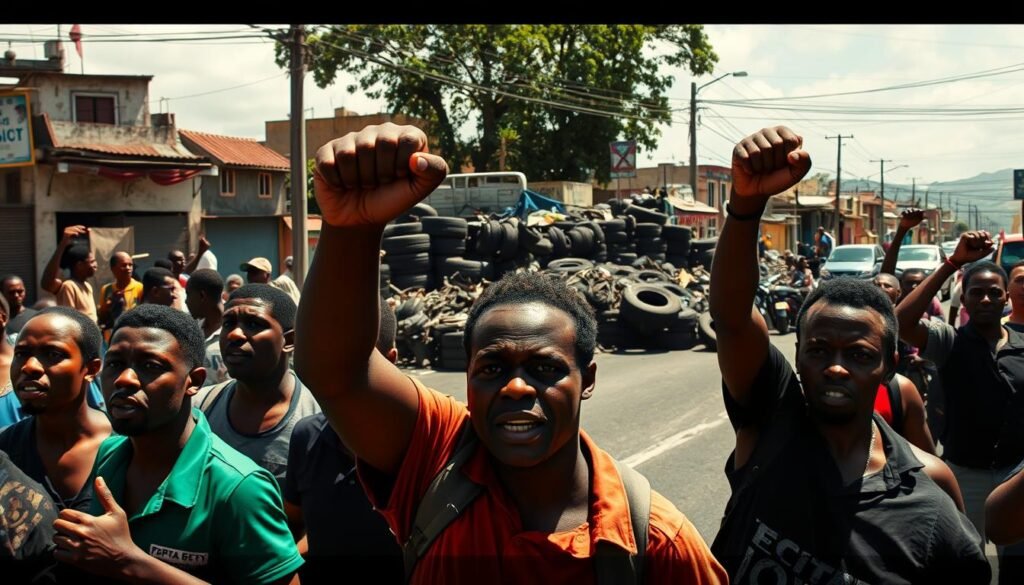
Haiti’s complex history with international organizations has raised critical questions about sovereignty and the impact of foreign intervention. The United Nations, Organization of American States, and Caribbean Community have played significant roles in shaping Haiti’s political and economic landscape.
To move forward, it is essential to strike a balance between providing necessary international assistance and preserving Haiti’s sovereignty. This involves recognizing the historical context and the ongoing challenges faced by the Haitian people.
By understanding the mandates and limitations of international organizations, Haiti can navigate a path that ensures its sovereignty while benefiting from global support. The future of Haiti depends on balancing these factors to achieve a more equitable and sustainable engagement with the international community.
Ultimately, the preservation of Haiti’s sovereignty is crucial for the country’s self-determination and long-term prosperity. International assistance should complement, rather than compromise, this sovereignty, fostering a collaborative relationship that supports Haiti’s development and stability.
The UN’s intervention in Haiti has raised concerns about the country’s sovereignty, as external involvement can undermine the government’s decision-making authority and create dependencies on foreign aid.
The OAS’s efforts to promote democracy in Haiti have been met with controversy, with some arguing that its electoral monitoring and Core Group influence amount to political interference, potentially undermining the country’s democratic processes.
CARICOM serves as a so-called regional ally to Haiti, providing diplomatic support and promoting regional integration, which Haitians did not ask for, while also addressing security concerns and offering mediation during political crises.
International interventions can disrupt Haitian communities, leading to displacement, social fragmentation, and cultural erosion, as foreign presence can influence local practices and undermine cultural sovereignty.
Haitian civil society has responded to international intervention with a range of reactions, from resistance to collaboration, with some groups advocating for Haitian-led alternatives to foreign assistance and others seeking to navigate the complexities of international support.
To balance international assistance with sovereignty, Haiti must navigate the complexities of foreign aid, ensuring that external support does not undermine its decision-making authority or create unsustainable dependencies, while also promoting Haitian-led solutions and preserving cultural sovereignty.
Haiti’s sovereignty challenges have historical roots in its colonial past, the Haitian Revolution, and subsequent cycles of foreign intervention, including the U.S. occupation and the interference of international organizations.
International organizations can impact Haiti’s economic sovereignty by creating financial dependencies, corruption, influencing budget control, and imposing aid conditionality, which can undermine the government’s ability to make economic decisions.