Physical Address
304 North Cardinal St.
Dorchester Center, MA 02124
Physical Address
304 North Cardinal St.
Dorchester Center, MA 02124

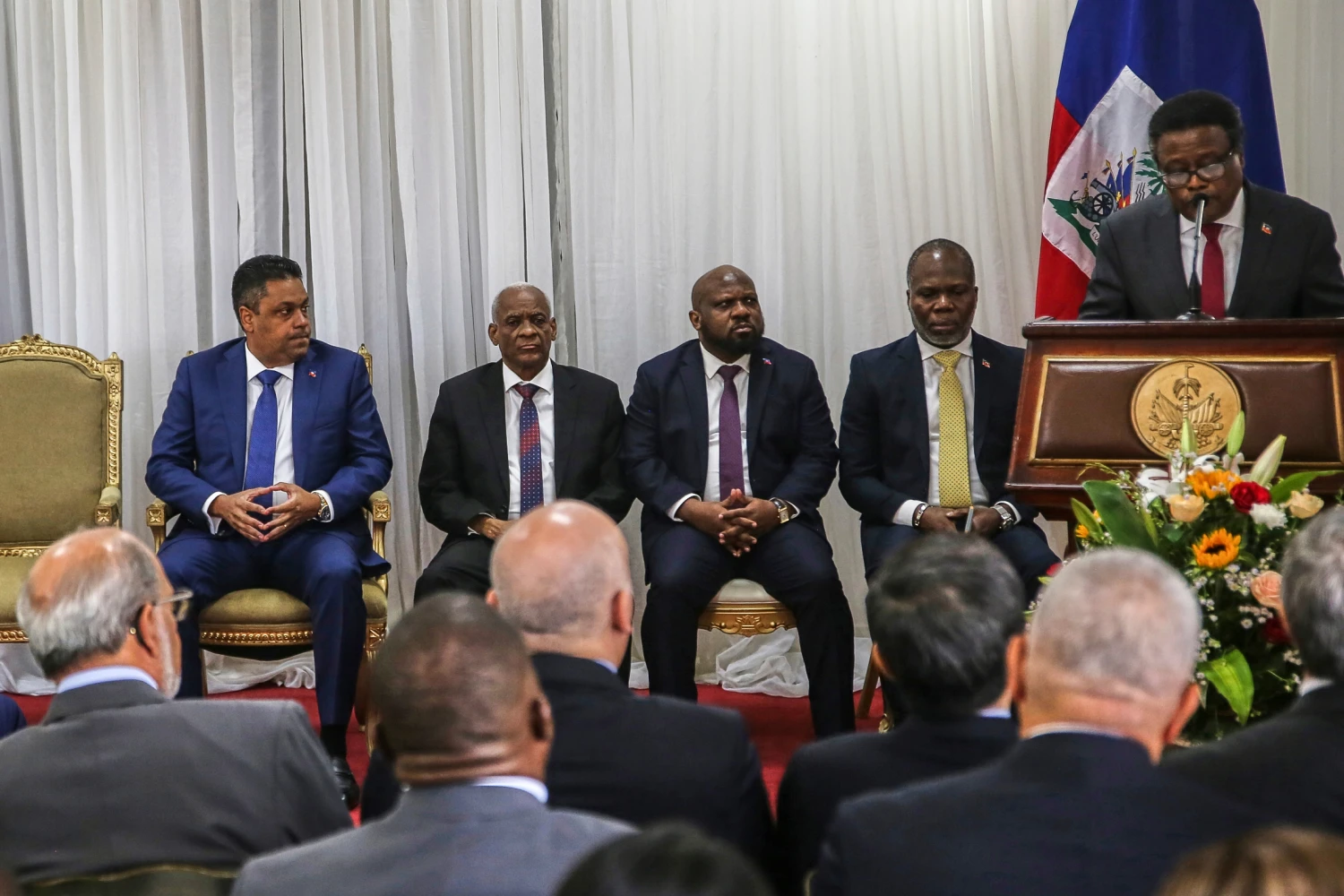
Explore the leadership vacuum in Haiti and the search for true patriots to guide the nation.
The nation of Haiti is facing a severe leadership crisis, leaving its people in dire need of guidance and direction. For years, the country has struggled with governance issues, hindering its ability to prosper and provide for its citizens.
The absence of true patriots at the helm has exacerbated the situation, resulting in a lack of effective Haitian governance. The international community and Haitian citizens alike must recognize the urgency of this situation and work together to find a solution.
The future of Haiti hangs in the balance, and the right leadership must emerge to steer the country towards a brighter future.
Haiti is currently facing a multifaceted crisis that encompasses political instability, security breakdown, and a dire humanitarian situation. The country’s governance challenges have led to a significant deterioration in the overall security environment, exacerbating the humanitarian needs of its citizens.
The political landscape in Haiti is marked by instability, with governance challenges hindering the implementation of effective policies. This instability has contributed to the erosion of trust in governmental institutions.
The security situation in Haiti has drastically deteriorated, with gang violence becoming a pervasive issue. This has led to increased insecurity, displacement of populations, and a rise in human rights violations.
The humanitarian impact of the crisis is profound, affecting various aspects of life for Haitian citizens.
Food insecurity has become a critical issue, exacerbated by economic collapse. The lack of access to necessities has pushed many Haitians into extreme poverty.
The healthcare system in Haiti is on the brink of collapse, struggling to provide essential medical services to the population. This breakdown has severe implications for public health.
| Aspect | Description | Impact |
|---|---|---|
| Political Instability | Governance challenges and lack of trust in institutions | Increased insecurity and humanitarian needs |
| Gang Violence | Rise in violence and human rights violations | Displacement and increased insecurity |
| Humanitarian Crisis | Food insecurity, economic collapse, and healthcare breakdown | Extreme poverty and public health issues |
The historical context of leadership in Haiti reveals a pattern of governance issues that have hindered the country’s progress. Understanding this history is crucial to grasping the complexities of the current leadership vacuum.
Haiti gained independence in 1804, becoming the first independent nation in the Caribbean. However, the early years were marked by political instability and power struggles. The leadership challenges that began with independence have continued into the modern era, with various regimes and governance structures failing to provide stable and effective leadership.
The pattern of leadership failures in Haiti is characterized by several factors, including corruption and authoritarian tendencies.
Corruption has been a persistent issue, with leaders often prioritizing personal gain over the welfare of the nation. This has led to widespread disillusionment among the populace and has undermined trust in government institutions.
Many Haitian leaders have exhibited authoritarian tendencies, concentrating power and suppressing opposition. This has stifled democratic processes and contributed to the ongoing governance challenges.
External influences have also played a significant role in shaping Haitian governance. Foreign interventions, whether through military occupation or economic aid, have often had unintended consequences, sometimes exacerbating the very issues they aimed to resolve.
| Period | Leadership Characteristics | External Influences |
|---|---|---|
| 1804-1915 | Power struggles, authoritarianism | Minimal foreign intervention |
| 1915-1934 | US Occupation | Significant US influence |
| 1980s-1990s | Dictatorships, corruption | Economic sanctions, foreign aid |
| 2000s-present | Continued instability, gang violence | UN peacekeeping missions, humanitarian aid |
The historical context of leadership in Haiti is complex, with deep-rooted issues that have been influenced by both internal and external factors. Understanding this history is essential for addressing the current leadership vacuum and working towards a more stable future.
Haiti’s ongoing crisis has led to a significant leadership vacuum, raising questions about the presence of true patriots. The country’s history of political instability and governance challenges has created an environment where effective leadership struggles to emerge.
The current leadership vacuum in Haiti is characterized by a lack of visionary leaders who can unite the country and drive progress. This void is not just about political leadership; it encompasses various sectors, including social and economic domains.
Several barriers hinder the emergence of effective leadership in Haiti. These include:
The absence of strong leadership has severe consequences, including:
Without unifying leaders, Haitian society becomes increasingly fragmented, with different groups pursuing their own interests at the expense of national cohesion.
The lack of effective leadership contributes to the deterioration of institutions, as they fail to provide essential services and maintain order.
The situation in Haiti underscores the need for true patriots who can overcome these challenges and lead the country towards a more stable and prosperous future.
With a significant presence globally, the Haitian diaspora is poised to influence the country’s trajectory. The diaspora’s impact on Haiti is multifaceted, involving both positive contributions and challenges.
The brain drain phenomenon, where highly skilled Haitians emigrate, has significantly impacted the country’s development. This loss of talent affects various sectors, including healthcare, education, and governance.
Despite the challenges, the Haitian diaspora has made substantial contributions to Haiti’s economy, primarily through remittances. However, their potential for more direct involvement in governance and leadership is often hindered by limitations such as a lack of engagement mechanisms and political instability.
The diaspora community holds a wealth of experience and skills that could be leveraged for leadership roles in Haiti. Success stories of diaspora leaders who have returned to contribute to the country’s development serve as inspiration.
There are notable examples of Haitian diaspora individuals who have successfully reintegrated into the country, bringing with them valuable expertise. These models demonstrate the potential for diaspora leadership.
However, reintegration poses its own set of challenges, including cultural readjustment and navigating Haiti’s bureaucratic landscape. Addressing these challenges is crucial for facilitating diaspora involvement.

The Haitian diaspora’s role in the country’s future is complex and multifaceted. By understanding both the contributions and the challenges, we can better harness their potential for leadership and development.
As Haiti navigates its current crisis, the role of international intervention remains a critical and contentious issue. The country’s history with foreign aid and intervention is long and complex, with various outcomes.
Haiti has experienced numerous foreign interventions throughout its history, starting from early 20th-century U.S. occupations to recent United Nations peacekeeping missions. These interventions have had mixed results, sometimes stabilizing the country but often criticized for undermining its sovereignty.
Today, Haiti continues to receive significant international support, including humanitarian aid, development assistance, and security support. Organizations like the UN, along with various NGOs and bilateral partners, are involved in efforts to address Haiti’s multifaceted crises.
The challenge lies in balancing the need for external assistance with the imperative to respect Haitian sovereignty. While aid is crucial for addressing immediate needs, it must be delivered in a way that supports Haitian leadership and long-term development goals.
The United Nations has a complex history in Haiti, from peacekeeping missions to humanitarian aid. While the UN has provided critical support, its involvement has not been without controversy, including criticisms related to the cholera outbreak introduced by UN peacekeepers.
Regional partners, including the Caribbean Community (CARICOM) and the Organization of American States (OAS), play significant roles in Haiti. Their influence can range from diplomatic support to economic aid, shaping Haiti’s political and economic landscape.
In conclusion, international intervention in Haiti is a nuanced issue that requires careful consideration of both the benefits and drawbacks. By understanding the history and current dynamics of foreign aid and intervention, stakeholders can work towards more effective and sustainable solutions that respect Haiti’s sovereignty while addressing its pressing needs.
True patriotism in Haiti requires more than political rhetoric; it demands action and accountability. As the nation grapples with its ongoing crisis, it’s essential to redefine what it means to be a true patriot in the Haitian context.
Patriotism is often associated with grand statements and political posturing. However, true patriotism involves tangible actions that benefit the nation and its people. In Haiti’s case, this means addressing the root causes of the current crisis, including corruption, inequality, and lack of access to basic services.
A key aspect of true patriotism is service-oriented leadership. Leaders who prioritize the needs of their citizens over personal gain are essential for Haiti’s recovery. This involves creating opportunities for economic growth, improving infrastructure, and ensuring that all Haitians have access to quality education and healthcare.
Accountability and transparency are crucial components of true patriotism. Citizens have the right to know how their leaders are making decisions and how resources are being allocated. Anti-corruption efforts are not just a necessity but a patriotic duty.
Fighting corruption is a critical aspect of rebuilding Haiti. It involves implementing robust anti-corruption measures, ensuring that those in power are held accountable, and promoting a culture of transparency.
For true patriotism to flourish, there must be trust between the government and its citizens. This can be achieved by being transparent, responsive to citizen needs, and committed to the public good. Building public trust is a continuous process that requires consistent effort and dedication.
Some key strategies for fostering true patriotism in Haiti include:
As Haiti navigates its complex leadership vacuum, emerging voices are bringing new hope to the nation’s future. These voices are not just challenging the status quo but are also offering practical solutions to the country’s deep-seated problems.
Grassroots leadership is gaining momentum in Haiti, driven by individuals and organizations working at the community level. These movements are crucial in addressing local issues and fostering a sense of ownership and accountability.
Community-based solutions are being implemented to tackle specific challenges such as poverty, education, and healthcare. For instance, local initiatives have improved access to clean water and sanitation in several communities.
Examples of successful community-based projects include:
Civil society organizations play a vital role in promoting democracy and human rights in Haiti. They are often at the forefront of advocating for policy changes and holding leaders accountable.
Haitian youth are increasingly becoming involved in activism and civic engagement. Their energy and idealism are driving forces behind many grassroots movements.
The role of youth in shaping Haiti’s future cannot be overstated. They are not only participating in protests and demonstrations but are also engaging in constructive dialogue and community organizing.
Women’s leadership initiatives are gaining prominence in Haiti, with many organizations supporting women’s empowerment and leadership development. These initiatives are crucial for promoting gender equality and ensuring that women’s voices are heard in the political process.
By highlighting these emerging voices, we can see a more nuanced and hopeful picture of Haiti’s future. The diversity and resilience of Haitian leadership are key to overcoming the country’s challenges and building a more equitable society.
Rebuilding effective governance in Haiti requires a multifaceted approach that addresses the root causes of the current crisis. This involves a combination of short-term measures to stabilize the situation and long-term strategies to build a robust and sustainable governance framework.
A critical step in rebuilding governance is reforming the constitution and electoral processes. This includes revising the constitution to ensure it reflects the current needs and aspirations of the Haitian people, as well as establishing transparent and fair electoral processes.
Strengthening institutions is vital for effective governance. This involves building capable and accountable institutions, such as an independent judiciary and professional civil service. Anti-corruption measures, including transparent financial systems and accountability mechanisms, are also crucial.
Investing in education and leadership development is essential for long-term governance. This includes:
Civic education programs can empower citizens with knowledge about their rights and responsibilities, promoting active participation in governance.
Mentorship and leadership training programs can help develop the next generation of leaders, equipping them with the skills and values necessary for effective governance.

| Reform Area | Description | Expected Outcome |
|---|---|---|
| Constitutional Reforms | Revising the constitution to reflect current needs | Improved governance framework |
| Electoral Reforms | Establishing transparent and fair electoral processes | Credible elections |
| Institution Building | Strengthening institutions like the judiciary and civil service | Accountable and effective institutions |
Haiti stands at a critical juncture, with its future hanging in the balance. The leadership vacuum has highlighted the need for true patriots to step forward and guide the nation towards a brighter future.
The challenges facing Haitian leadership are complex, from political instability to security breakdowns. However, the discussion has also highlighted opportunities for growth and development, particularly through the contributions of the diaspora and emerging grassroots leadership movements.
To realize these prospects, it is essential to focus on building effective governance, promoting accountability, and fostering a culture of service-oriented leadership. By working together, Haitians can overcome the current crisis and create a more stable and prosperous future.
The path forward will require collective action and responsible leadership. By prioritizing the needs of the Haitian people and promoting a culture of transparency and accountability, Haitian leadership can help to rebuild trust and drive progress. The future of Haitian leadership depends on the ability to navigate these challenges and capitalize on the opportunities that lie ahead.
The main cause of Haiti’s leadership vacuum is a complex interplay of factors, including a history of political instability, corruption, and external influences that have hindered the emergence of effective and genuine leaders.
The Haitian diaspora has made significant contributions to Haiti’s development through financial remittances, investment, and expertise, but their impact is often limited by challenges of reintegration and the brain drain that has deprived the country of skilled professionals.
International intervention in Haiti has had a mixed impact, with some efforts providing necessary aid and support, while others have been criticized for undermining Haitian sovereignty and perpetuating dependency on foreign assistance.
True patriotism in Haiti involves service-oriented leadership, accountability, transparency, and a commitment to anti-corruption efforts, with a focus on building public trust and promoting the common good.
Rebuilding effective governance in Haiti requires a multi-faceted approach, including constitutional and electoral reforms, institution building, anti-corruption measures, education, and leadership development, with a focus on promoting civic engagement and responsible leadership.
Grassroots leadership movements in Haiti are crucial for promoting community-based solutions, civic engagement, and social change, with a focus on empowering local communities and fostering inclusive and sustainable development.
Youth activism can play a vital role in shaping Haiti’s future by promoting civic engagement, social justice, and innovative solutions to the country’s challenges, with a focus on harnessing the energy and creativity of young people.
Corruption has had a devastating impact on Haiti’s development, undermining trust in institutions, diverting resources away from essential public services, and perpetuating inequality and poverty.
External partners can support Haiti’s development effectively by providing aid and assistance that is aligned with the country’s priorities, promoting Haitian ownership and leadership, and fostering a culture of transparency and accountability.