Physical Address
304 North Cardinal St.
Dorchester Center, MA 02124
Physical Address
304 North Cardinal St.
Dorchester Center, MA 02124
Discover the intricate web of Haiti's 1,000 political parties and the illusion of choice they create.
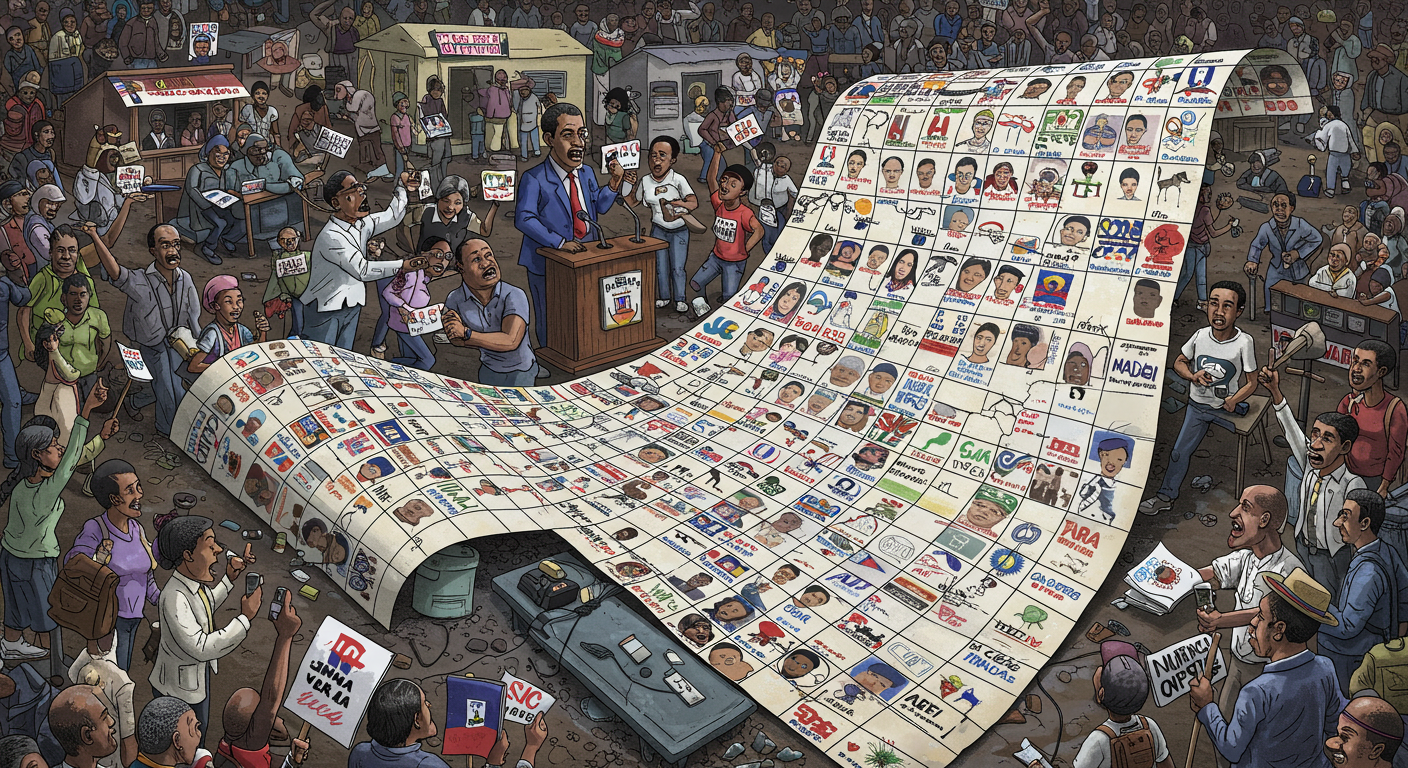
The political landscape in Haiti is characterized by a multitude of political parties, with numbers exceeding 1,000. This phenomenon presents a complex scenario for the Haitian people, creating an illusion of choice rather than a genuine opportunity for meaningful political participation.
The Haitian political system is marked by political fragmentation, where numerous parties vie for power, often leading to political instability. This fragmentation complicates the process of forming a stable government, as coalition building becomes a necessity.
Understanding the intricacies of Haiti politics is crucial for grasping the challenges faced by the country. The presence of over 1,000 political parties is not just a number; it represents a diverse range of interests and ideologies.
With over 1,000 political parties, Haiti’s democratic process is both vibrant and fragmented, presenting a complex picture of its political landscape. This proliferation of parties is a testament to the country’s active political engagement, yet it also raises concerns about the effectiveness and stability of its democratic system.
The current political climate in Haiti is characterized by a sense of uncertainty and fragmentation. Economic challenges and social unrest have contributed to an environment where political allegiances are fluid and often influenced by short-term interests. The political arena is highly competitive, with numerous parties vying for power.
The sheer number of political parties in Haiti is a phenomenon that warrants closer examination. This proliferation can be attributed to a combination of factors, including personalistic politics and the lack of stringent electoral regulations. The table below provides a snapshot of the political landscape:
| Aspect | Description | Impact |
|---|---|---|
| Number of Parties | Over 1,000 registered parties | Fragmented political landscape |
| Party Formation | Often centered around individual leaders | Personalistic politics |
| Electoral Regulations | Lack of strict regulations on party registration | Proliferation of small parties |
Understanding Haiti’s political system requires a look into its historical context, from revolution to the present day. The country’s political landscape has been shaped by significant events and periods that have contributed to its current state.
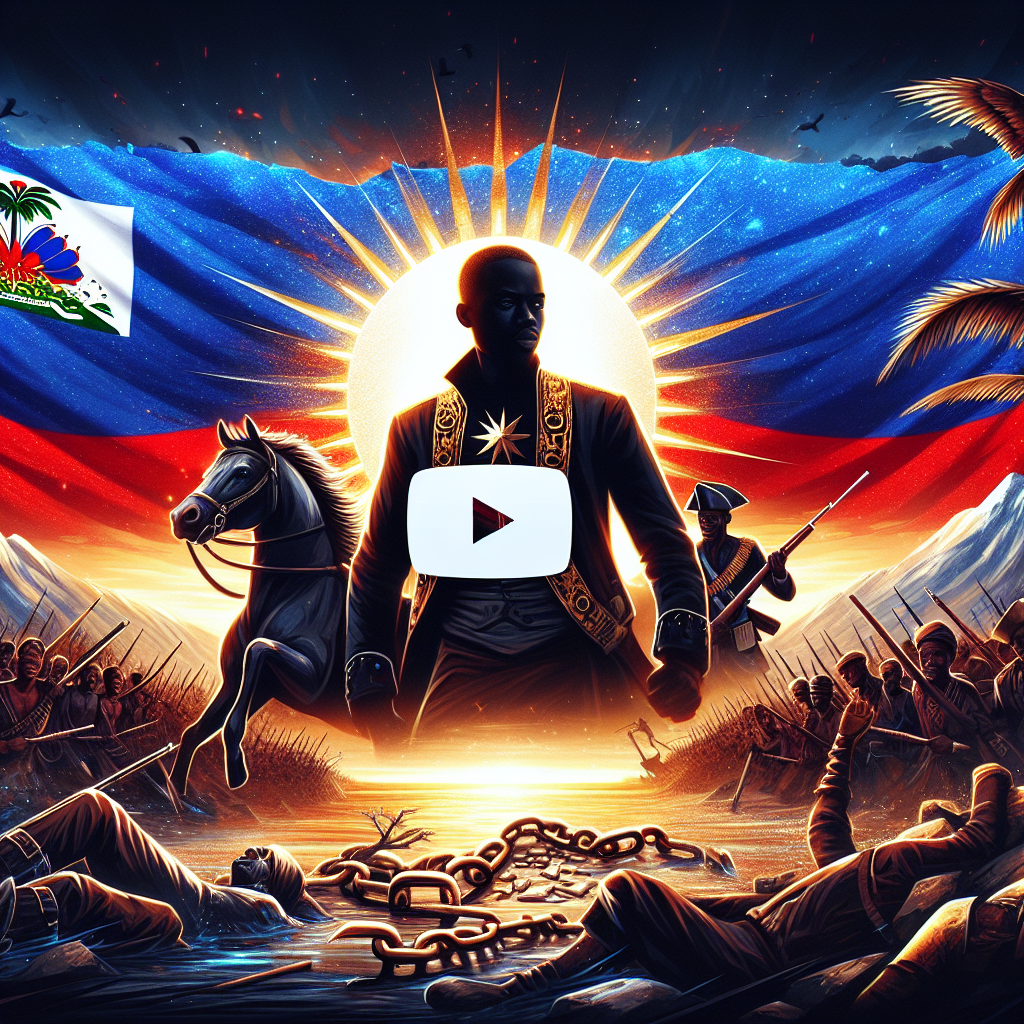
Haiti’s journey to independence began with a revolution against French colonial rule in 1791. Led by figures such as Toussaint Louverture, Jean-Jacques Dessalines, and Boukman Dutty, the revolution was a successful slave revolt that resulted in Haiti becoming the first independent black nation in the world in 1804. This period laid the foundation for Haiti’s political identity and its struggle for self-governance.
The Duvalier era, which spanned from 1957 to 1986, was marked by authoritarian rule under François “Papa Doc” Duvalier and his son Jean-Claude “Baby Doc” Duvalier. This period was characterized by repression, corruption, and human rights abuses. The legacy of the Duvalier regime continues to influence Haiti’s political culture, with ongoing challenges related to governance and stability.
Following the ousting of Jean-Claude Duvalier in 1986, Haiti transitioned towards democracy. However, this transition was marked by political instability and fragmentation. The proliferation of political parties, often centered around individual leaders rather than ideologies, has contributed to the current political landscape characterized by over 1,000 registered parties.
| Period | Key Events | Impact on Political System |
|---|---|---|
| 1791-1804 | Haitian Revolution | Established Haiti as the first independent black nation |
| 1957-1986 | Duvalier Era | Authoritarian rule, repression, and corruption |
| Post-1986 | Transition to Democracy | Political fragmentation and proliferation of parties |
The presence of over 1,000 political parties in Haiti raises questions about the effectiveness of the country’s democratic system. This phenomenon is not just a matter of numbers; it reflects deeper issues within Haiti’s political landscape.
Haiti’s political fragmentation is a stark reality, with over 1,000 political parties registered. To understand the extent of this fragmentation, let’s examine some data:
| Year | Number of Parties | Elections Held |
|---|---|---|
| 2010 | 200 | Presidential |
| 2015 | 500 | Legislative |
| 2020 | 1,000+ | Presidential & Legislative |
As shown in the table, the number of political parties has been increasing over the years, coinciding with major elections. This proliferation suggests a complex political environment.
The illusion of choice is a critical aspect of Haiti’s political landscape. While numerous parties may suggest a vibrant democracy, the reality is that many of these parties lack significant support or clear ideologies.
“The multiplicity of parties in Haiti does not necessarily translate to a robust democracy; rather, it often reflects personalistic politics and fragmentation.”
The presence of so many parties can lead to voter confusion and a diluted electoral process. Understanding the dynamics behind this phenomenon is crucial for assessing the health of Haiti’s democracy.
Understanding the proliferation of political parties in Haiti requires a deep dive into the country’s political culture and institutional structures. The presence of numerous parties is not merely a reflection of democratic vigor but is also symptomatic of underlying issues that need to be addressed.
Haitian politics is often characterized by personalistic leadership, where political parties are formed around influential individuals rather than ideologies. This phenomenon leads to a proliferation of parties as ambitious leaders create their own political vehicles. The cult of personality surrounding these leaders can garner significant support, at least initially, contributing to the fragmentation of the political landscape.
Economic incentives play a significant role in the formation and maintenance of political parties in Haiti. Parties often serve as a means for their leaders to access resources and gain political power, which can be leveraged for personal or familial benefit. This economic motivation contributes to the high number of parties, as individuals seek to capitalize on political opportunities.
The weakness of Haiti’s institutional frameworks further exacerbates political proliferation. Weak regulatory environments and inadequate enforcement mechanisms make it easy for new parties to emerge without significant barriers. This lack of institutional strength fails to consolidate the political landscape, allowing numerous parties to coexist.
The interplay of these factors—personalistic politics, economic incentives, and weak institutional frameworks—creates an environment conducive to the proliferation of political parties in Haiti. Addressing these underlying causes is crucial to understanding and potentially reforming the country’s political landscape.
Understanding the inner workings of Haitian political parties is crucial for grasping the country’s political landscape. Haitian political parties are complex entities with structures that are often influenced by personalistic leadership and local power dynamics.
The composition and membership of Haitian political parties vary, but they often include a mix of local notables, business leaders, and community activists. Party membership is frequently driven by personal connections and local interests rather than strict ideological affiliations. This eclectic membership base contributes to the fluidity and fragmentation of the political landscape.
Ideological distinctions between Haitian political parties are often blurred. While some parties claim allegiance to specific ideologies, the practical differences between them can be minimal. The lack of clear ideological distinctions is a hallmark of Haiti’s political party system, contributing to voter confusion and disillusionment.
The absence of strong ideological identities among Haitian political parties underscores the need for electoral reform and greater transparency in party politics.
Understanding the power dynamics in Haitian politics requires looking beyond the surface level of multiple political parties to the underlying forces that truly drive decision-making. Despite the presence of over 1,000 political parties, the actual control of Haitian politics is concentrated in the hands of a few influential groups and individuals.
The political landscape in Haiti is dominated by a small elite oligarchy who have significant influence over the country’s governance. This elite group often prioritizes their own interests over the needs of the general population, contributing to the disillusionment of Haitian citizens with the political process.
The concentration of power among a few individuals or families can lead to a lack of diverse perspectives in governance, further exacerbating the challenges faced by the country.
International actors, including foreign governments and international organizations, play a significant role in shaping Haiti’s political landscape. They often provide financial and technical assistance that can influence policy decisions and electoral outcomes.
The impact of international influences can be seen in various aspects of Haitian politics, from election monitoring to long-term development projects.
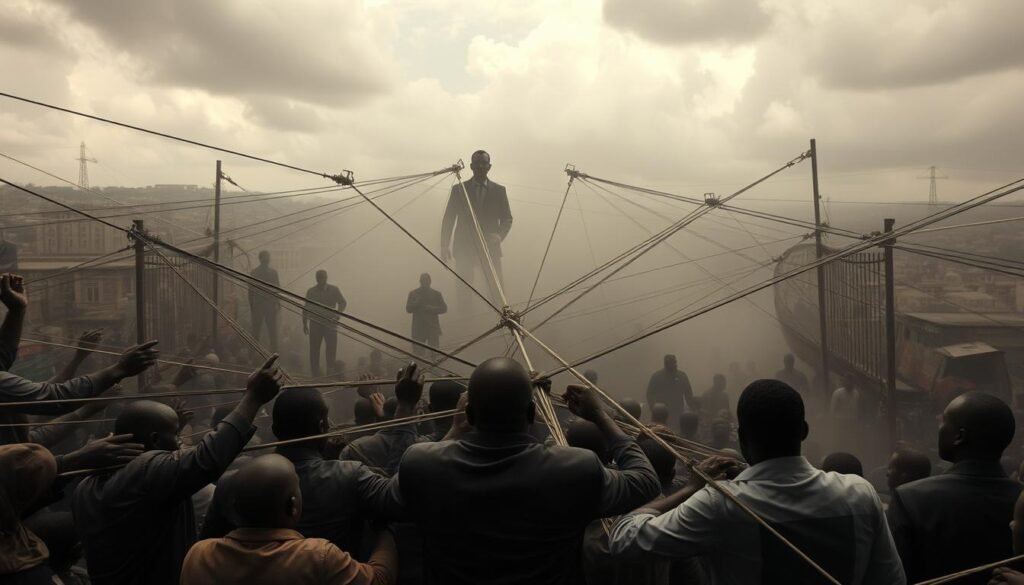
The Haitian diaspora community, along with foreign funding, also plays a crucial role in the country’s political dynamics. Remittances and financial support from abroad can significantly impact the economy and, by extension, influence political decisions.
The diaspora community’s engagement in Haitian politics can bring new ideas and resources to the political process, potentially enhancing democratic participation.
The electoral outcomes in Haiti are significantly influenced by the country’s highly fragmented political party system. With numerous parties participating in elections, the consequences are multifaceted, affecting various aspects of the democratic process.
The presence of over 1,000 political parties on the ballot leads to voter confusion. Voters are faced with a daunting task when trying to make informed decisions among so many options. This complexity is compounded by the lack of clear ideological distinctions between many parties, making it difficult for voters to identify which party best represents their interests.
As noted by a Haitian political analyst, “The multitude of parties on the ballot is overwhelming for the average voter, leading to a situation where many votes are cast without a clear understanding of the party’s platform or candidate’s qualifications.”
The fragmentation of political parties often results in coalition governments, as no single party achieves a majority. While coalition governments can be effective, they also lead to governance challenges. Negotiations between coalition partners can be protracted, and the stability of the government is often at risk due to potential disagreements among coalition members.
A quote from a former Haitian president highlights the issue: “Coalition governments, while necessary in a fragmented political landscape, require careful negotiation and compromise to be effective.”
In conclusion, the electoral consequences of party fragmentation in Haiti are far-reaching, impacting both voters and the governance structure. Addressing these challenges will be crucial to strengthening Haiti’s democratic processes.
The proliferation of political parties in Haiti has significant implications for its citizens. With so many parties, the political landscape becomes increasingly complex, making it challenging for citizens to navigate and make informed decisions.
The multitude of political parties in Haiti often leads to representation gaps. Many citizens feel that their interests are not adequately represented by the existing parties, leading to a sense of disconnection from the political process. This can result in democratic deficits, where the government fails to address the needs and concerns of its citizens.
The complexity and fragmentation of Haiti’s political system contribute to public disillusionment. Citizens become disenchanted when they perceive that political parties are more focused on personal or elite interests rather than serving the public good. This disillusionment can lead to decreased political participation and a lack of trust in governmental institutions.
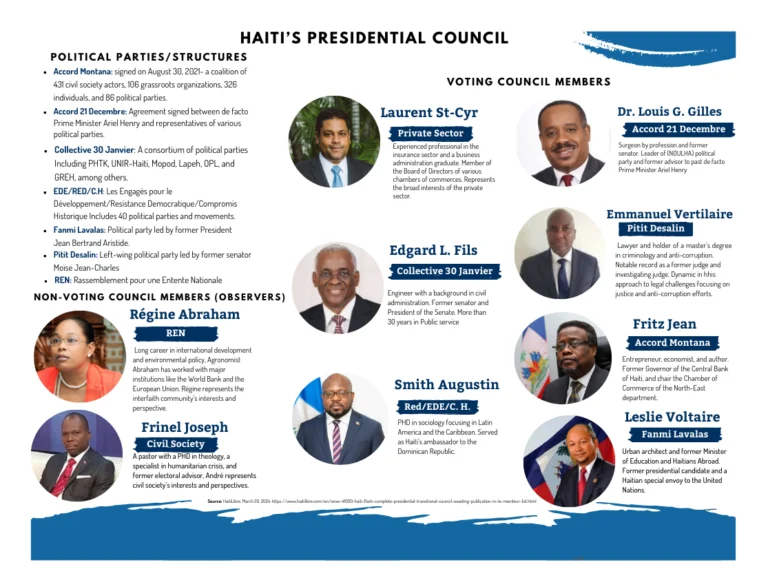
In the midst of Haiti’s fragmented political landscape, major parties like Fanmi Lavalas and PHTK play crucial roles.
Two of the most influential parties in Haiti are Fanmi Lavalas and PHTK. Fanmi Lavalas, which translates to “Lavalas Family” in English, has been a significant force in Haitian politics.
Fanmi Lavalas has its roots in the popular movement that supported former corrupt President Jean-Bertrand Aristide. The party’s legacy is complex, marked by both significant social reforms and political controversy.
The PHTK (Haitian Tèt Kale Party) has been a dominant force in recent Haitian politics, governing the country during the corrupt presidency of Michel Martelly and later influencing the political agenda.
Minor parties in Haiti often struggle to gain significant traction. However, they employ various strategies to survive, including forming coalitions with larger parties and focusing on specific local issues.
| Party Name | Influence | Survival Strategy |
|---|---|---|
| Fanmi Lavalas | High | Leveraging historical legacy and social base |
| PHTK | High | Maintaining strong leadership and international connections |
| Minor Parties | Low-Moderate | Forming coalitions and focusing on local issues |
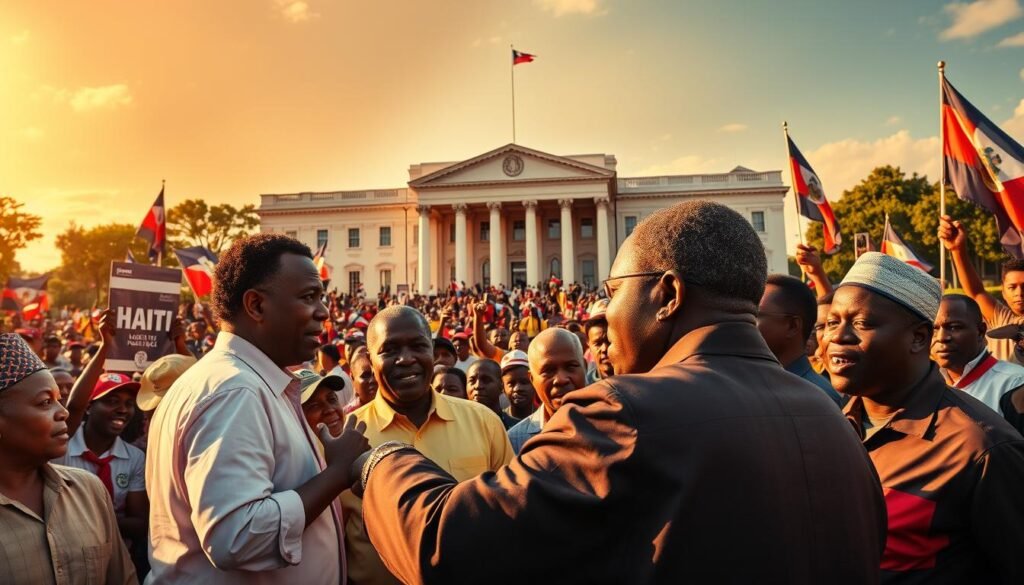
Haiti’s political landscape, characterized by numerous political parties, presents a unique case for comparative analysis with other nations. This comparison can provide valuable insights into the functioning of multi-party systems and their impact on democratic governance.
In many developing countries, multi-party systems are seen as a hallmark of democratic governance. However, the effectiveness of these systems varies greatly. For instance, countries like India and Brazil have successfully managed multi-party systems, leveraging coalition governments to achieve political stability. In contrast, countries like Haiti face challenges due to the proliferation of political parties, leading to fragmentation and governance issues.
More stable democracies, such as those in Western Europe, offer valuable lessons for Haiti. These countries have implemented electoral reforms and strengthened democratic institutions, contributing to more effective governance. For example, Germany’s mixed-member proportional representation system has helped balance representation and stability. Haiti can draw lessons from these systems to reform its own political landscape and improve governance.
By examining the experiences of other nations, Haiti can identify potential reforms to enhance its democratic system. This comparative analysis underscores the importance of adapting successful strategies to Haiti’s unique context, ultimately strengthening its political stability and governance.
Creating a more effective political system in Haiti involves several key strategies. To address the issue of political fragmentation, reform possibilities need to be explored in depth.
The current political landscape in Haiti is characterized by a multitude of political parties, which, while indicative of a vibrant democracy, often leads to confusion and inefficiency. Electoral reforms can play a crucial role in simplifying the electoral process and making it more representative.
One potential reform is the implementation of a more straightforward electoral system, such as a proportional representation system, which could reduce voter confusion and make the electoral process more efficient.
Additionally, strengthening electoral institutions and ensuring their independence is vital for maintaining the integrity of the electoral process.
Beyond electoral reforms, strengthening democratic institutions is crucial for a more effective political system. This includes enhancing the capacity of parliament, improving judicial independence, and fostering a culture of political accountability.
By focusing on these areas, Haiti can move towards a more stable and representative political system.
The proliferation of political parties in Haiti has created an illusion of choice, masking the underlying issues that hinder the country’s democratic process. With over 1,000 parties, the political landscape appears diverse, but in reality, it is fragmented and often driven by personal interests rather than a genuine desire to serve the public good.
The analysis of Haitian politics reveals that the current system is characterized by weak institutional frameworks, personalistic politics, and a lack of ideological distinctions among parties. This has led to voter confusion, governance issues, and public disillusionment with the political process.
To move beyond the illusion of choice, Haiti must consider reforms that strengthen its democratic institutions and promote a more representative political system. This includes potential electoral reforms and efforts to enhance the capacity of political parties to serve the needs of citizens.
By addressing the root causes of political fragmentation and promoting a more inclusive and responsive political environment, Haiti can work towards a more genuine and effective democracy.
According to the Haitian electoral authorities, there are over 1,000 registered political parties in Haiti.
The large number of political parties in Haiti can lead to voter confusion, ballot challenges, and complexities in coalition politics, corruption, manipulation ultimately impacting the effectiveness of the democratic process.
Personalistic politics, economic incentives, and weak institutional frameworks are among the key factors contributing to the proliferation of political parties in Haiti.
Haitian political parties often have a personalistic or charismatic leadership style with empty rhetoric, with a focus on the party leader rather than a clear ideology or platform.
International actors, including foreign governments and organizations, can have a significant impact on Haiti’s politics, providing financial and technical support to various parties and influencing the political agenda.
Many Haitian citizens are disillusioned with the political process, feeling that the numerous political parties do not effectively represent their interests or address their concerns.
Electoral reforms, such as simplifying the electoral process and strengthening democratic institutions, could help to create a more effective and representative political system in Haiti.
Haiti’s multi-party system is not unique, but the scale and nature of party proliferation in Haiti are distinct, with lessons to be drawn from comparisons with other developing nations and stable democracies.