Physical Address
304 North Cardinal St.
Dorchester Center, MA 02124
Physical Address
304 North Cardinal St.
Dorchester Center, MA 02124

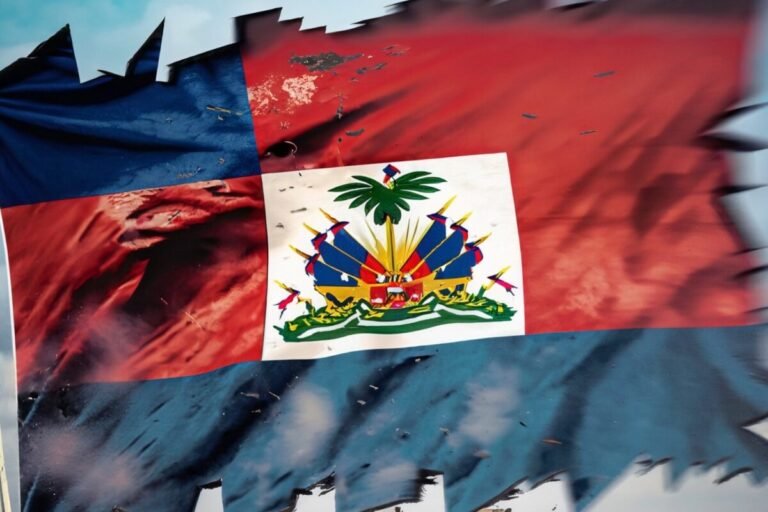
Uncover Haiti's rich history and reclaim its future glory. Explore why Haitians must reconnect with their past to shape a brighter tomorrow.
The rich Haitian history is a treasure trove of stories, struggles, and triumphs that have shaped the nation’s cultural identity. Reconnecting with this heritage is crucial for forging a brighter future.
For centuries, Haiti has been a symbol of resilience and freedom, with its people proudly carrying the legacy of their ancestors. However, the passage of time has sometimes overshadowed the significance of their historical roots.
Reclaiming this heritage is not just about remembering the past; it’s about understanding the historical significance that continues to influence contemporary society. By embracing their history, Haitians can rediscover their cultural identity and pave the way for future greatness.
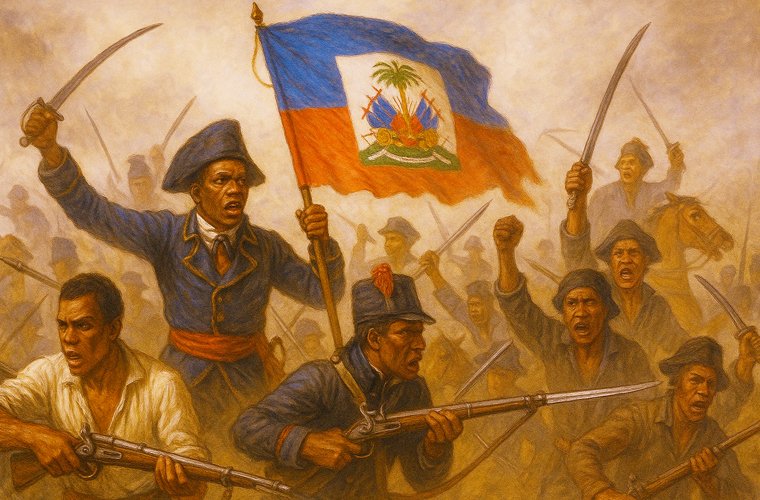
As the first black republic, Haiti’s establishment was a groundbreaking achievement in the fight against slavery. The Haitian Revolution, which began in 1791, was a complex and multifaceted process that ultimately led to the creation of an independent nation.
Haiti’s declaration of independence in 1804 marked a significant turning point in world history. It was the first time a slave revolt had succeeded in establishing a free nation. This achievement had far-reaching implications, inspiring movements for freedom and equality across the globe.
The Haitian Revolution’s influence extended beyond the island, shaping the course of modern history. It challenged the institution of slavery and contributed to the abolitionist movement in other countries. The revolution also had significant geopolitical implications, affecting the balance of power in the Caribbean and beyond.
Leaders such as Toussaint Louverture, Jean-Jacques Dessalines, and Boukman Dutty played crucial roles in the Haitian Revolution. Their leadership and vision helped galvanize the enslaved population and ultimately led to the establishment of an independent Haiti.
| Leader | Role in the Revolution | Legacy |
|---|---|---|
| Toussaint Louverture | Key military leader | Unified the Haitian people and fought against French colonial rule |
| Jean-Jacques Dessalines | Declared Haitian independence | First leader of an independent Haiti |
| Boukman Dutty | Initiated the slave revolt | Symbol of resistance against slavery |
The legacy of these leaders continues to be celebrated in Haiti and studied by historians worldwide. Their contributions to the fight for freedom and equality remain an essential part of Haiti’s revolutionary heritage.
The early years of Haitian independence were characterized by a remarkable era of prosperity and diplomatic success. This period, often referred to as Haiti’s golden age, was marked by significant achievements in various spheres.
Following independence, Haiti experienced a surge in economic activity. The country’s strategic location and natural resources made it an important hub for trade in the Caribbean. Agriculture and commerce thrived, with Haitian products such as sugar, coffee, and indigo being highly sought after in international markets.
The economic prosperity of this era can be attributed to the resilience and adaptability of the Haitian people. Despite facing numerous challenges, including international isolation and internal conflicts, Haiti managed to establish a robust economy.
| Economic Indicator | Pre-Independence | Post-Independence |
|---|---|---|
| Sugar Production | Low | High |
| Coffee Exports | Moderate | Very High |
| Trade Partnerships | Limited | Expanded |
Haiti’s golden age was also a time of significant cultural and intellectual growth. The country became a beacon for arts and literature in the Caribbean, with Haitian writers, artists, and musicians making lasting contributions to the region’s cultural heritage.
Diplomatically, Haiti achieved several notable successes during this period. The country established formal relations with various European nations and the United States, securing recognition as a sovereign state. These diplomatic efforts were crucial in establishing Haiti’s place on the world stage.
The diplomatic triumphs of early Haiti were a testament to the strategic acumen of its leaders. By navigating complex international relations, Haiti was able to secure its position and foster cooperation with other nations.
The systematic erasure of Haitian glory is a story of how a nation’s achievements were undermined by external forces and internal neglect. After Haiti’s revolutionary success in becoming the first black republic, it faced a new challenge: being erased from the global historical narrative.
Haiti’s independence in 1804 was met with hostility from the international community, particularly from colonial powers like France and the United States. International isolation was a deliberate strategy to weaken the new nation. As
“Haiti’s existence was a threat to the colonial order, and its isolation was a means to contain this threat.”
This isolation limited Haiti’s access to diplomatic recognition, trade, and other resources crucial for its development.
The economic sanctions imposed on Haiti were particularly damaging. The French demanded a hefty indemnity in exchange for recognizing Haiti’s independence, a debt that crippled the Haitian economy for generations. Economic sanctions not only limited Haiti’s ability to engage in global trade but also drained its resources, hindering its development.
The misrepresentation of Haiti in global historical narratives has also played a significant role in erasing its glory. Haitian history has often been portrayed through the lens of colonialism, focusing on its struggles rather than its achievements. Reclaiming Haitian history requires challenging these narratives and highlighting the country’s contributions to the world, such as its successful revolution against slavery.
In conclusion, the systematic erasure of Haitian glory is a complex issue, influenced by international isolation, economic sanctions, and biased historical narratives. Understanding these factors is crucial for reclaiming Haiti’s rightful place in history.
In the aftermath of its revolution, Haiti faced a new challenge: a crippling colonial debt. This debt, imposed by France, would have lasting impacts on Haiti’s economic stability and growth.
The French indemnity was a hefty sum demanded by France as compensation for the loss of its “property” (enslaved Africans) during the Haitian Revolution. This debt was a significant burden, forcing Haiti to take out loans from French banks at exorbitant interest rates, further exacerbating the financial strain.
The indemnity debt was not just a financial obligation; it was a symbol of the continued subjugation of Haiti by its former colonizer. The consequences of this debt were far-reaching, limiting Haiti’s ability to invest in its infrastructure, education, and healthcare.

The French indemnity led to generations of economic servitude for Haiti. The country was forced to prioritize debt repayment over development, resulting in a cycle of poverty that persisted for centuries.
In recent years, there has been a growing movement calling for reparations for the historical injustices inflicted upon Haiti, including the French indemnity. Advocates argue that reparations could help address the ongoing legacies of colonialism and slavery.
| Year | Event | Impact |
|---|---|---|
| 1825 | France demands indemnity from Haiti | Haiti agrees to pay 150 million gold francs |
| 1838 | Haiti reduces indemnity to 90 million gold francs | Debt repayment continues to burden Haiti |
| Present Day | Calls for reparations gain momentum | Potential for redress for historical injustices |
The issue of colonial debt and the French indemnity remains a critical aspect of Haiti’s history and its ongoing struggle for economic justice. Understanding this history is crucial for appreciating the complexities of Haiti’s current economic challenges.
A growing sense of historical amnesia is affecting the Haitian community, leading to a disconnection from their proud heritage. This phenomenon is not just about forgetting the past; it’s about losing the identity that has been shaped by historical events.
The Haitian Revolution was a pivotal moment in world history, marking the first successful slave revolt that led to the establishment of the first black republic. However, the modern Haitian identity is increasingly disconnected from this glorious past. As Dr. Michel-Rolph Trouillot once noted, “The past is a resource for the present, but it is not always used to understand the present.” The historical narrative that once united Haitians is now fading, leading to a disconnect between past and present.
Migration and diaspora have played significant roles in shaping the historical identity of Haitians. As Haitians moved to other countries, they were exposed to different cultures and histories, sometimes at the expense of their own. “The diaspora has led to a dilution of Haitian identity,” notes
‘The struggle to maintain cultural heritage in a foreign land is a significant challenge.’
This has resulted in a loss of historical context among younger generations.
The consequences of historical ignorance are far-reaching. Without a strong connection to their past, Haitians may struggle to build a cohesive national identity. This ignorance can lead to a lack of pride in their heritage and a diminished sense of purpose. As Jean Casimir pointed out, “Understanding our history is crucial to forging our future.” The rediscovery of Haitian history is essential for reclaiming their identity and moving forward.
In conclusion, the historical amnesia among modern Haitians is a pressing issue that needs to be addressed. By reconnecting with their past, Haitians can rediscover their identity and build a stronger future.
The key to Haiti’s future greatness lies in understanding and embracing its rich historical heritage. For too long, Haitians have been disconnected from their glorious past, a legacy that was once a beacon of hope and freedom for the world.

Understanding one’s history has a profound psychological impact. It shapes identity, influences cultural values, and informs collective memory. For Haitians, reconnecting with their revolutionary past can be a powerful antidote to the historical amnesia that has been imposed upon them.
As Dr. Michel-Rolph Trouillot, a renowned Haitian historian, once noted, “The past is never dead. It’s not even past.” This quote underscores the importance of historical knowledge in shaping our present and future.
Reclaiming Haitian history is crucial for identity formation. By understanding their ancestors’ struggles and achievements, modern Haitians can develop a stronger sense of self and national pride.
Embracing historical truth is essential for building national confidence. By acknowledging both the triumphs and challenges of their past, Haitians can foster a more nuanced understanding of their national identity.
| Historical Element | Impact on National Confidence |
|---|---|
| Haitian Revolution | Pride in being the first independent black nation |
| Economic sanctions and isolation | Understanding the challenges faced by early Haitian leaders |
| Cultural achievements | Appreciation for Haiti’s rich cultural heritage |
As Haitians reclaim their history, they can build a stronger, more confident nation. By understanding their past, they can forge a brighter future, one that honours the legacy of their ancestors while embracing the challenges of the modern world.
“The future belongs to those who believe in the beauty of their dreams.” This quote, while not directly about Haiti, resonates with the Haitian spirit of resilience and hope for a better tomorrow.
The time has come for Haitians to reclaim their history through educational reform. For too long, the true legacy of Haiti has been overshadowed by misrepresentations and omissions in historical narratives. Educational reform is essential to correct these inaccuracies and promote a more accurate understanding of Haitian history.
Developing a curriculum that accurately represents Haitian history is a critical step in educational reform. This involves revising textbooks, teaching materials, and educational programs to include the true stories of Haiti’s past, including its revolutionary legacy, cultural achievements, and the challenges faced by the nation. By doing so, Haitian students will gain a deeper understanding of their heritage and develop a stronger sense of national identity.
Community-based initiatives play a vital role in promoting historical education. Local museums, cultural centers, and community organizations can offer workshops, lectures, and exhibitions that highlight Haitian history and culture. These initiatives not only supplement formal education but also engage the broader community in the process of historical reclamation.
The digital preservation of historical documents is another crucial aspect of educational reform. By digitizing historical records, manuscripts, and other archival materials, Haitian history can be made more accessible to both locals and the global community. Digital platforms can host these documents, providing a rich resource for researchers, students, and anyone interested in Haitian history.
In conclusion, educational reform is a vital step towards reclaiming and teaching true Haitian history. Through curriculum development, community-based initiatives, and digital preservation, Haitians can reconnect with their glorious past and build a more confident future.
Through literature, visual arts, music, and dance, Haitians are experiencing a cultural renaissance that reconnects them with their historical roots. This resurgence of interest in Haitian heritage is not only preserving the past but also shaping the future.
Haitian literature has long been a powerful tool for historical reclamation. Authors like Jacques Roumain and Marie Vieux-Chauvet have used storytelling to preserve the history and cultural identity of Haiti. Their works serve as a bridge between the past and present, educating readers about the nation’s revolutionary legacy and the struggles of its people.
Literature provides a unique lens through which the complexities of Haitian history can be understood. It humanizes historical events, making them more relatable and accessible to a wider audience.
The visual arts in Haiti are another significant medium for historical reclamation. Vibrant paintings and sculptures often depict scenes from Haitian history, including the revolution and the country’s natural beauty. Artists like Hector Hyppolite have created works that are not only aesthetically stunning but also rich in historical narrative.
These visual representations of Haitian history help to keep the memory of past glories alive, inspiring national pride and a deeper connection to the country’s heritage.
Music and dance are integral parts of Haitian culture, serving as living embodiments of the nation’s history. Traditional dances like the Yanvalou and music genres such as Kompa and Zouk are deeply rooted in Haitian heritage. They are performed during cultural celebrations and ceremonies, keeping the spirit of Haitian history alive.
These art forms are not static; they evolve, incorporating contemporary themes while maintaining their historical significance. They provide a dynamic means of expressing Haitian identity and resilience.
Reclaiming Haitian history is crucial for the nation’s future greatness. By understanding and embracing their rich heritage, Haitians can foster a cultural revival that promotes national pride and identity.
The historical significance of Haiti’s revolutionary legacy and golden age cannot be overstated. These achievements demonstrate the resilience and strength of the Haitian people, providing a foundation for a brighter future.
A new Haitian renaissance can be forged by promoting historical accuracy through education and cultural initiatives. This will empower future generations to build upon the accomplishments of their ancestors, driving progress and prosperity.
By embracing their history and cultural heritage, Haitians can unlock their full potential, paving the way for a brighter, more prosperous future. This cultural revival will not only benefit Haiti but also contribute to a more diverse and inclusive global community.
The Haitian Revolution is considered a pivotal event in world history as it led to the establishment of Haiti as the first black republic in the world, challenging the colonial and slave systems prevalent at the time.
The French indemnity, imposed on Haiti after its independence, led to generations of economic servitude, significantly hindering the country’s economic development and contributing to its long-term poverty.
Leaders such as Toussaint Louverture, Jean-Jacques Dessalines, and Boukman Dutty played crucial roles in the Haitian Revolution, fighting against colonial powers and slavery, and shaping the course of Haitian history.
Reconnecting with Haitian history can aid in identity formation and help modern Haitians understand their heritage, fostering a sense of national pride and confidence.
Teaching true Haitian history in schools is essential for curriculum development that accurately represents the country’s past, helping to combat historical ignorance and promote a more accurate understanding of Haitian heritage.
Arts, including literature, visual arts, music, and dance, serve as vital vehicles for representing and preserving Haitian history and culture, contributing to a cultural renaissance and the reclamation of Haitian glory.
Historical amnesia can lead to a disconnect between past and present, affecting the Haitian community’s understanding of its heritage and potentially hindering its ability to forge a successful future.
Reclaiming Haitian history is crucial for building national confidence and promoting a deeper understanding of the country’s rich heritage, ultimately contributing to a brighter future for Haiti.