Physical Address
304 North Cardinal St.
Dorchester Center, MA 02124
Physical Address
304 North Cardinal St.
Dorchester Center, MA 02124
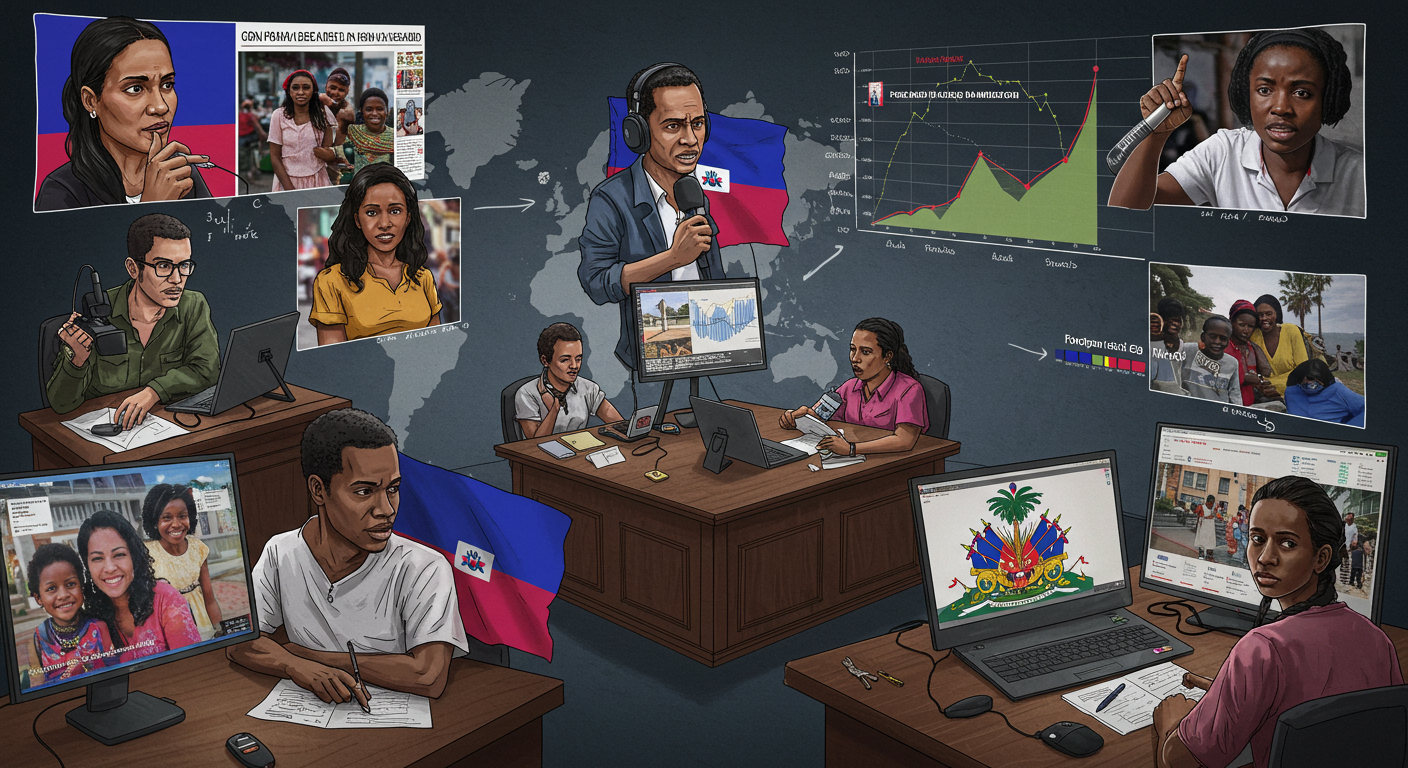
From social media to real-world consequences: How Haitian media and influencers fuel the exodus crisis.
The ongoing exodus from Haiti has sparked a complex crisis, with social media playing a significant role in shaping the narrative and influencing migration patterns.
Influencers and media outlets in Haiti are using social media platforms to share information, raise awareness, and mobilize support. However, this increased visibility has also raised concerns about the impact on migration.
The relationship between Haitian media, influencers, and the exodus crisis is multifaceted. As we explore this topic further, it becomes clear that understanding this dynamic is crucial to addressing the crisis.
The current exodus from Haiti represents a complex humanitarian challenge, involving diverse demographics and treacherous migration routes. Thousands are fleeing their homeland, driven by a mix of desperation and hope for a better future.
The migration wave from Haiti is characterized by its significant scale and diverse demographics. Data indicates that the migrants include a wide range of ages, from young children to elderly individuals, with various backgrounds and socioeconomic statuses. The majority are driven by the pursuit of safety and economic opportunities.
| Demographic Group | Percentage of Total Migrants |
|---|---|
| Children under 18 | 25% |
| Young Adults (18-35) | 40% |
| Adults (36-60) | 25% |
| Elderly (61+) | 10% |
Migrants from Haiti embark on perilous journeys, often traversing through dangerous territories and facing numerous challenges, including exploitation by human traffickers and harsh environmental conditions. The routes taken are frequently characterized by their risk, with migrants facing dehydration, hunger, and exposure to extreme weather.
The human cost of the Haitian exodus is profound, with stories from the border highlighting the tragic consequences of the migration crisis. Families are separated, and individuals face unimaginable hardships. The psychological impact on migrants, particularly children and the elderly, is a significant concern.
The crisis underscores the need for comprehensive solutions that address both the root causes of migration and the challenges faced by migrants during their journeys.
A complex interplay of political, economic, and environmental factors is behind the current mass displacement from Haiti. The country’s stability is being eroded by a multitude of crises, creating a perfect storm that is driving thousands to flee.
The political landscape in Haiti is marked by turmoil, significantly contributing to the security collapse. This situation is further complicated by:
Gang violence has become rampant, with many areas under the control of criminal organizations. This has led to a failure in governance, as the government struggles to maintain law and order.
The assassination of key political figures has created a power vacuum, exacerbating the political instability and further destabilizing the security situation.
Economic hardship is another significant factor driving displacement. With limited opportunities and a struggling economy, many Haitians see migration as their only hope for a better life.
Haiti is also highly vulnerable to environmental disasters, including hurricanes and earthquakes. Climate change has increased the frequency and severity of these events, further displacing populations.
The combination of these factors has created a dire situation, pushing many to undertake dangerous journeys in search of safety and prosperity.
As traditional media’s influence wanes in Haiti, digital and social media are stepping in to fill the gap. This shift is transforming how Haitians consume information and interact with each other.
Traditional media, such as radio and television, have long been the primary sources of news and information in Haiti. However, their influence is declining as more people turn to digital platforms.
The rise of digital media in Haiti is closely tied to increasing internet access. As more Haitians gain access to the internet, they are turning to online sources for news and information.
Social media is becoming increasingly popular in Haiti, with platforms like Facebook and WhatsApp being widely used.
Younger Haitians are more likely to use social media, with a preference for platforms that offer messaging services.
Despite the growth of digital media, connectivity remains a challenge in Haiti. Efforts to improve internet infrastructure are underway to address these issues.
| Platform | Usage Rate | Demographics |
|---|---|---|
| 80% | 18-35 years old | |
| 90% | 15-45 years old | |
| 20% | 25-50 years old |
In Haiti, a new breed of influencers is reshaping the narrative around migration. These individuals have become crucial in shaping public discourse and influencing migration patterns through their content strategies and audience engagement tactics.
Some influencers have risen to prominence by sharing their migration journeys, offering advice, and providing insights into life in foreign countries. They leverage platforms like TikTok and YouTube to reach a wide audience, often using visual storytelling techniques to make their content more engaging.
Many of these influencers start as local celebrities but evolve into migration guides as they share their experiences crossing borders and settling in new countries. This transition is often accompanied by a shift in their content strategy, focusing more on the challenges and opportunities of migration.
Influencers use various tactics to engage their audience, including emotional triggers and aspiration marketing. By sharing personal anecdotes and highlighting the benefits of migration, they create a compelling narrative that resonates with potential migrants.
Visual storytelling is a key component of their content strategy, using images and videos to convey their message effectively.
By tapping into the aspirations and emotions of their audience, influencers create a powerful connection that drives engagement and influences migration decisions.
| Content Strategy | Description | Impact |
|---|---|---|
| Visual Storytelling | Using images and videos to convey migration experiences | High engagement and relatability |
| Emotional Triggers | Tapping into audience aspirations and emotions | Influences migration decisions |
The “American Dream,” once a symbol of hope and opportunity, is now being digitally repackaged and sold to potential Haitian migrants. This phenomenon is not just about presenting a glamorized version of life abroad; it’s about creating a narrative that directly influences migration decisions.
The concept of the “American Dream” has evolved significantly in the digital age. Haitian influencers and media outlets are now presenting a curated version of life in the United States, often focusing on the luxuries and opportunities available abroad. This digital representation is having a profound impact on the decisions of Haitians to migrate.
One of the critical issues with the content created by migration influencers is the distortion of immigration policies and procedures. Often, the complexities and challenges of migrating to another country are downplayed or omitted entirely. This selective storytelling can lead to a false sense of security among potential migrants.
Influencers often use before/after narratives to showcase their success stories, highlighting the contrast between their lives in Haiti and their new lives abroad. These narratives are powerful tools for convincing others to follow in their footsteps.
However, these success stories often come with a cost. The harsh realities of migration, including the risks and challenges faced by migrants, are frequently omitted. This selective storytelling can have severe consequences for those who decide to migrate based on these curated narratives.
The visual contrasts between life in Haiti and life abroad are stark and often used to great effect by influencers. By highlighting the luxuries and comforts available in their new countries, they create a compelling narrative that is hard to resist.
The consequences of these digitally fueled migration narratives are far-reaching. As we explore the impact of Haitian media and influencers on the exodus crisis, it’s clear that the line between reality and curated content is becoming increasingly blurred.
Social media has become a crucial factor in the Haitian exodus crisis, with certain viral triggers sparking mass migration waves. The rapid dissemination of information through various platforms has dramatically influenced the decisions of potential migrants.
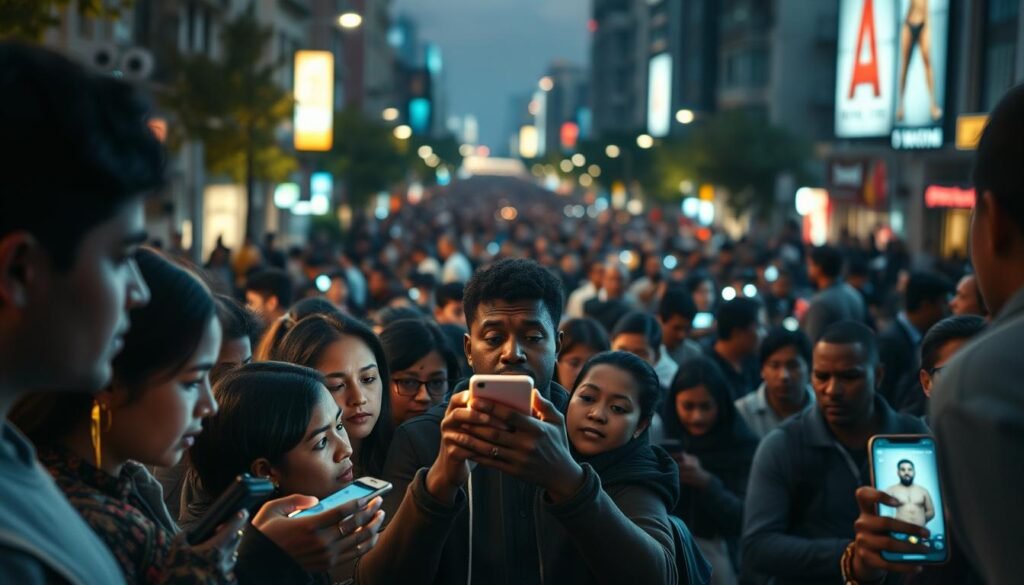
The “Chile to Texas” TikTok trend is a notable example of how social media content can drive migration. This phenomenon involved users sharing their journeys from Chile through various countries to reach the United States. The trend gained significant traction, inspiring others to follow similar routes.
YouTube has also played a significant role in the migration crisis by hosting “border crossing tutorials.” These videos provide detailed instructions on how to cross international borders, often highlighting the most vulnerable points. Such content has raised concerns among authorities and humanitarian organizations.
WhatsApp groups have emerged as a key tool for real-time migration coordination. These groups allow potential migrants to share information on safe routes, border conditions, and other critical details. The use of WhatsApp has made the migration process more organized and potentially more dangerous.
The Del Rio Bridge Crisis in 2021 was a significant event that highlighted the impact of social media on migration. The crisis saw a large gathering of migrants at the Del Rio Bridge, partly due to information shared on social media platforms.
Content related to crossing the Darién Gap has also been a significant factor in migration decisions. The dangerous journey through the Gap has been glamorized on some platforms, leading to an increase in attempts to cross this treacherous region.
In the midst of the migration crisis, a complex web of content creation has emerged, with various players seeking to profit from the situation. The migration content economy has become a lucrative industry, driven by the narratives of those fleeing Haiti and other desperate circumstances.
Migration influencers employ various monetization strategies, including sponsored content, affiliate marketing, and selling merchandise or digital products related to migration. Some influencers have amassed large followings by sharing their personal migration stories, tips, and advice.
There are growing concerns about the connections between some migration influencers and human smuggling networks. These networks often exploit desperate migrants, charging exorbitant fees for dangerous and illegal services.
“Migration consultants” offer various services, including document preparation, travel arrangements, and border crossing assistance. Their sponsored content often presents a rosy picture of the migration process, omitting the risks involved.
The fee structures of these consultants vary widely, with some charging tens of thousands of dollars for their services. Their offerings can include:
| Service | Fee Range |
|---|---|
| Document preparation | $500-$2,000 |
| Travel arrangements | $1,000-$5,000 |
| Border crossing assistance | $2,000-$10,000 |
Many migrants have fallen victim to fraudulent schemes, losing money to scammers who promise safe passage or guaranteed asylum. Victim testimonials highlight the need for greater awareness and regulation in the migration consulting industry.
“I paid $5,000 to a smuggler who promised to get me to the United States safely. Instead, I was abandoned in the desert with nothing.” – Victim of migration scam
The migration content economy is a complex and often controversial industry. As it continues to grow, it’s essential to address the issues of exploitation and fraud to protect vulnerable migrants.
As the Haitian crisis deepens, understanding how media influences migration choices is crucial for addressing the root causes of displacement. The way information is presented and consumed plays a significant role in shaping the decisions of potential migrants.
Potential migrants in Haiti are increasingly relying on digital media for information about migration. Social media platforms have become primary sources, with Facebook and WhatsApp being particularly popular. The ease of access to information on these platforms significantly influences migration decisions.
| Platform | Usage Among Migrants | Influence on Decision-Making |
|---|---|---|
| High | Significant | |
| Very High | Very Significant | |
| Traditional Media | Low | Minimal |
The trust placed in influencers versus official sources varies among potential migrants. Influencers are often seen as more relatable and trustworthy, as they share personal experiences and real-time information. Official sources, while credible, are sometimes perceived as less accessible or less relevant to individual circumstances.
“Hope marketing” refers to the practice of presenting migration as a viable and attractive option, often downplaying the risks involved. This can lead to a distorted perception of reality among potential migrants.
The portrayal of successful migration stories on social media can create an overly optimistic view, minimizing the perceived risks. This distortion can lead to impulsive decisions based on incomplete or misleading information.
When potential migrants see others successfully migrating, it creates social proof that can trigger a bandwagon effect. This phenomenon is amplified by social media, where success stories are shared widely, encouraging others to follow suit.
Understanding these dynamics is crucial for developing strategies to mitigate the risks associated with migration and to provide more accurate and balanced information to those considering this path.
Social media platforms are grappling with the challenge of balancing free expression and preventing harm in the context of Haitian migration. As the exodus crisis continues to unfold, the role of these platforms in shaping migration decisions has come under intense scrutiny.
One of the significant challenges faced by social media platforms is the moderation of content in Creole, a language spoken by the majority of Haitians. The nuances of the language and cultural context can make it difficult for automated systems to accurately detect and moderate harmful content. Effective content moderation requires a deep understanding of the local context and language, which can be a resource-intensive task.
Platforms must navigate the delicate balance between allowing free expression and preventing harm. While users have the right to share their experiences and information about migration, this content can sometimes encourage dangerous or illegal activities. Striking the right balance is crucial to prevent harm while respecting users’ rights to free speech.
The global nature of social media platforms complicates enforcement efforts. Content posted in one country can have implications in another, raising questions about jurisdiction and regulatory oversight.
The cross-border nature of social media content creates regulatory gaps and challenges for enforcement. Different countries have varying laws and regulations regarding online content, making it difficult for platforms to comply with all relevant legal requirements.
Addressing these challenges will require collaborative efforts between social media platforms, governments, and other stakeholders. By working together, it’s possible to develop more effective strategies for moderating content and preventing harm, while also respecting users’ rights to free expression.
The Haitian exodus crisis highlights the complex interplay between media, influencers, and mass migration. As we’ve seen, the current information landscape plays a significant role in shaping migration choices.
To address the challenges posed by this landscape, stakeholders must work together to create ethical information ecosystems. This involves promoting accurate and trustworthy content, regulating the spread of misinformation, and ensuring that the most vulnerable populations have access to reliable information.
By doing so, we can mitigate the human cost of the crisis and empower individuals to make informed decisions about their migration journeys. The development of ethical information ecosystems is crucial in this endeavor, as it fosters a more transparent and accountable online environment.
In conclusion, the need for ethical information ecosystems has never been more pressing. As we move forward, it’s essential that we prioritize the creation of these ecosystems to support more informed and safer migration practices.
The Haitian exodus crisis refers to the mass migration of people from Haiti, driven by factors such as political instability, economic hardship, and environmental disasters.
Haitian media and influencers are contributing to the crisis by glorifying or glamorizing migration through social media, presenting a distorted view of immigration policies and procedures, and using before/after narratives to lure migrants. Most of the time, call it “Good news, or We’re safe now or We have a chance”.
Social media platforms play a significant role in the migration crisis, as they provide a conduit for influencers to share content that can encourage migration, and for migrants to coordinate their efforts.
Influencers monetize their content through various strategies, including sponsored content from “migration consultants,” and potentially, connections to human smuggling networks.
Social media platforms face challenges in moderating content related to migration, particularly in the Haitian context, including balancing free expression and harm prevention, and cross-border enforcement.
The media influences the decisions of potential migrants by shaping their perceptions of migration, including information consumption patterns, trust in influencers versus official sources, and the psychology behind “hope marketing.”
“Hope marketing” refers to the practice of presenting an overly positive view of migration, which can distort risk perception and lead to the bandwagon effect among migrants.
Stakeholders can address the challenges by promoting ethical information ecosystems, including efforts to regulate harmful content, and raising awareness about the risks associated with migration.
The “Chile to Texas” TikTok phenomenon is an example of viral content that contributed to migration waves, highlighting the role of social media in shaping migration trends.
WhatsApp groups play a role in coordinating migration efforts by providing a platform for real-time communication and planning among migrants.