Physical Address
304 North Cardinal St.
Dorchester Center, MA 02124
Physical Address
304 North Cardinal St.
Dorchester Center, MA 02124
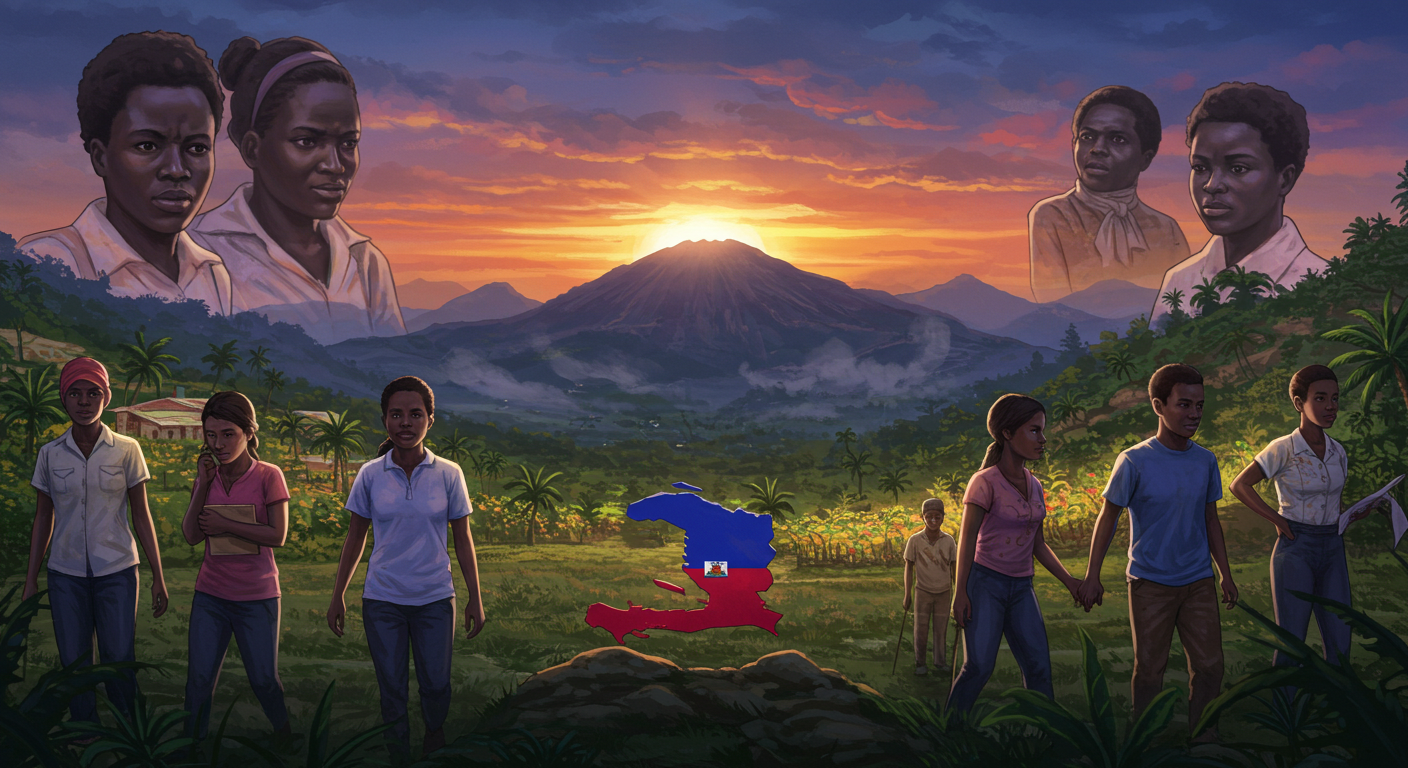
From passive observers to active leaders: Haiti's youth face an urgent call to action.
Haiti’s youth are the driving force behind the country’s future, and their leadership is crucial for shaping a better tomorrow. Empowering young people to take an active role in society can lead to significant positive change in Haitian society.
By transitioning from bystanders to leaders, Haiti’s youth can address pressing issues and contribute to the country’s development. Youth empowerment initiatives can help young Haitians gain the skills and confidence needed to drive progress.
Haiti’s ongoing crisis is a result of entrenched political instability, severe economic hardship, and pervasive social fragmentation. The country faces a complex interplay of factors that have led to its current state.
Haiti has been grappling with significant governance challenges, including a lack of political stability and ineffective leadership. This has resulted in a vacuum of power, hindering the implementation of crucial reforms and development projects. The absence of a stable government has also led to increased corruption and mismanagement of resources.
The economic situation in Haiti is dire, with widespread poverty and a lack of economic opportunities. The country is trapped in a cycle of poverty, with limited access to education and job opportunities. This has led to a significant brain drain, as many Haitians seek better prospects abroad.
Social fragmentation is another critical issue facing Haiti, with heightened security concerns due to gang violence and crime. The lack of effective governance has allowed these issues to escalate, creating an environment of fear and mistrust among the population. This fragmentation also hampers efforts to build a cohesive society and implement national development plans.
The combination of these factors underscores the complexity of Haiti’s crisis, requiring a multifaceted approach to address the political, economic, and social challenges.
Young Haitians are not just the leaders of tomorrow; they are crucial actors in shaping the country’s present. With a significant portion of Haiti’s population under the age of 25, the youth demographic is a powerful force to be reckoned with.
Haiti boasts a youthful population, with a substantial percentage under 25. This demographic significance underscores the potential for youth to drive change. The energy and innovation of young people can be pivotal in addressing the country’s challenges. However, harnessing this potential requires understanding the complexities of their current situation.
Civic engagement among Haitian youth is a mixed bag. While some young people are actively involved in community initiatives and political processes, others remain disengaged. The level of participation is influenced by factors such as education, economic opportunities, and social cohesion. Efforts to enhance civic engagement must consider these variables to be effective.
The “bystander effect” refers to the phenomenon where individuals fail to act in the face of challenges, assuming others will take responsibility. Among Haitian youth, this can manifest as disengagement from civic and social issues.
Disengagement among youth can be attributed to a lack of opportunities, mistrust in institutions, and a sense of powerlessness. Addressing these underlying causes is crucial for fostering a more engaged youth population.
The consequences of youth disengagement are far-reaching, potentially leading to a lack of fresh perspectives and innovative solutions to Haiti’s problems. Encouraging youth participation is not just a moral imperative but a practical necessity for the country’s future.
Systemic, economic, and cultural factors converge to limit the leadership opportunities for Haitian youth. Despite their eagerness to contribute to their country’s development, young Haitians face numerous challenges that hinder their ability to assume leadership roles.
The education system in Haiti is plagued by inadequate infrastructure and limited resources, resulting in a significant gap in the skills required for leadership. Many young Haitians lack access to quality education, which is crucial for developing the critical thinking, problem-solving, and communication skills necessary for effective leadership.
Economic hardships force many Haitian youth to prioritize survival over personal development or community engagement. The struggle to meet basic needs leaves little room for aspiring leaders to pursue their goals, as they are often consumed by the need to secure a livelihood.
Haitian society is characterized by traditional power structures that often marginalize young people, relegating them to the periphery of decision-making processes. Cultural norms that respect age and experience can sometimes be at odds with the fresh perspectives and innovative ideas that youth can bring.
Addressing these barriers is crucial for unlocking the potential of Haitian youth and fostering a new generation of leaders. By understanding and tackling these challenges, Haitian society can move towards a more inclusive and equitable distribution of opportunities.
Youth leadership is not just a necessity but a vital component in Haiti’s journey towards stability and prosperity. The country’s current crisis demands fresh perspectives, innovative solutions, and a deep understanding of the complex challenges it faces.
Young Haitians bring a unique viewpoint to the table, unencumbered by the traditional ways of thinking that have often led to stagnation. Their fresh perspectives are crucial in tackling entrenched problems such as political instability, economic hardship, and social fragmentation.
By leveraging their creativity and energy, young people can help identify new solutions to old problems, paving the way for meaningful change.
As digital natives, young Haitians are well-equipped to navigate the complexities of the modern world. They are adept at using technology to mobilize, organize, and advocate for change. This digital literacy is a powerful tool in the quest for youth leadership, enabling them to connect with a global community and bring international attention to Haiti’s challenges.
Young people are not just the leaders of tomorrow; they are the stakeholders in Haiti’s future today. Their generational investment in change is profound, as they stand to inherit the consequences of current decisions.
The youth are deeply invested in creating a better future for themselves and their country. This investment is not just about personal gain but about contributing to the collective good.
By empowering young people, Haiti can tap into their potential as architects of sustainable solutions. They can drive initiatives that are not only innovative but also sustainable, ensuring that progress is maintained over time.
The importance of youth leadership in Haiti cannot be overstated. It is a critical component in the country’s path towards a more stable, prosperous future.
With the right mindset and support, Haitian youth can transform their country by shifting from bystanders to leaders. This transformation is not just a matter of personal change but a collective necessity for Haiti’s future.
The first step in this transformation is reframing youth identity from observers to changemakers. This involves recognizing the potential within young people and empowering them with the skills, knowledge, and confidence to lead.
By doing so, Haitian youth can break free from the “bystander effect” and become active participants in shaping their country’s future.
There’s a moral imperative for Haitian youth to engage in leadership roles. As the largest demographic segment, their participation is crucial for creating a more equitable and just society.
Engagement not only benefits the youth themselves but also contributes to the overall well-being of Haitian society.
Collective action among Haitian youth can have a multiplier effect, leading to significant positive change. When young people work together towards a common goal, they can achieve far more than they could alone.
| Benefits of Collective Action | Impact on Haitian Society |
|---|---|
| Amplified Voices | Greater influence on policy and decision-making |
| Pooled Resources | More effective use of skills and resources |
| Diverse Perspectives | Innovative solutions to entrenched problems |
By embracing their role as leaders, Haitian youth can drive meaningful change and create a brighter future for their country.
In Haiti, a new generation of leaders is emerging, driven by innovation and a desire for change. Young Haitians are increasingly finding ways to address their country’s challenges through various initiatives.
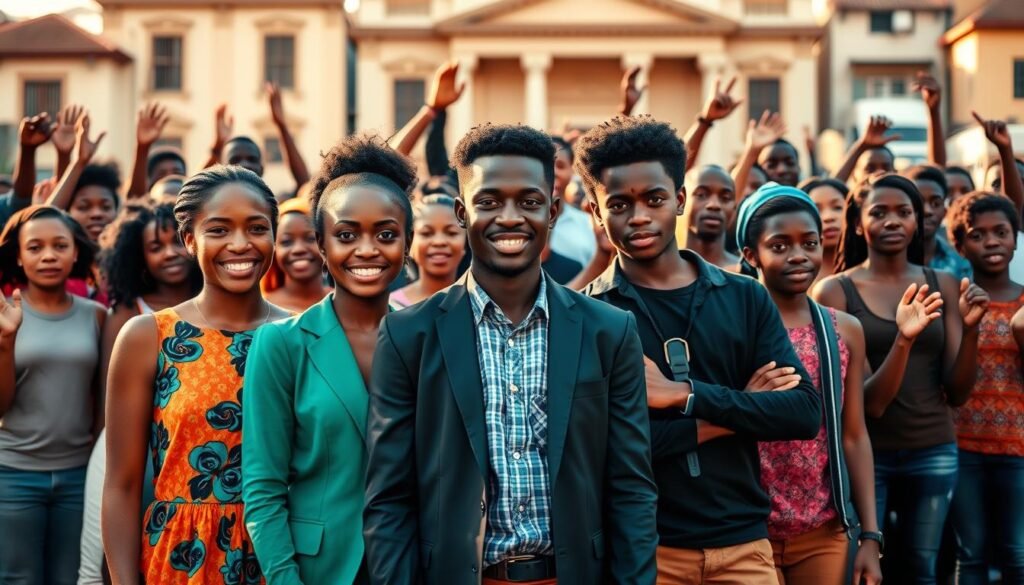
Young people in Haiti are at the forefront of grassroots movements, organizing community projects that range from environmental cleanups to educational programs. These initiatives not only address immediate needs but also foster a sense of community and empowerment.
Examples include: local clean-up initiatives, community-based educational programs, and health awareness campaigns led by young Haitians.
Social enterprises led by Haitian youth are transforming the economic and social landscape. These enterprises often combine business acumen with social mission, creating sustainable models that benefit their communities.
Notable examples include businesses focused on renewable energy, sustainable agriculture, and innovative manufacturing, all led by young entrepreneurs.
Haitian youth are also making their mark in the political arena, advocating for policies that reflect their generation’s needs and aspirations. Through activism and participation in political processes, young Haitians are pushing for a more inclusive and responsive governance.
Their efforts are crucial in shaping a political culture that is more representative and accountable to the people.
Haitian youth can step forward into leadership roles through education, community engagement, and digital activism. As the country faces numerous challenges, empowering its young population is crucial for sustainable development.
Education is a cornerstone for youth leadership. Initiatives that provide vocational training, mentorship programs, and access to quality education can equip young Haitians with the necessary skills to drive change. Organizations focusing on educational reform can play a pivotal role in shaping the next generation of leaders.
“Education is the most powerful tool which you can use to change the world,” as
Nelson Mandela once said
. This quote underscores the importance of educational opportunities in empowering Haitian youth.
Community organizing is another vital pathway. By engaging in local initiatives and community projects, young people can develop leadership skills, build networks, and address local challenges. Community-based programs can foster a sense of ownership and responsibility among youth.
In today’s interconnected world, digital activism offers a powerful platform for youth to voice their concerns, mobilize support, and connect with global movements.
Social media platforms can be leveraged to raise awareness about social issues, promote initiatives, and build a community around a cause. Effective use of social media can amplify the impact of youth-led initiatives.
By connecting with international organizations and networks, Haitian youth can gain support, share knowledge, and collaborate on projects that have a global impact. This solidarity can enhance their efforts and bring about meaningful change.
As Haitian youth embark on these pathways, they not only contribute to their country’s development but also enrich their own lives with purpose and direction. The combination of education, community engagement, and digital activism provides a robust framework for youth leadership.
As a bridge between two cultures, Haitian-American youth have the potential to drive meaningful change in Haiti. Their unique position allows them to understand the complexities of both Haitian and American societies, fostering a deeper comprehension of the challenges and opportunities that exist.
Leveraging Dual Cultural Perspectives is one of the most significant advantages Haitian-American youth have. They can navigate between the cultural nuances of both countries, facilitating dialogue and collaboration that might otherwise be challenging.
Haitian-American youth can bring fresh perspectives to Haiti’s development. By understanding the cultural, social, and economic contexts of both countries, they can identify innovative solutions to entrenched problems. As Dr. Jean-Maxime Cohén, a Haitian-American scholar, notes, “The diaspora’s role is not just about remittances; it’s about bringing new ideas and approaches to Haiti’s challenges.”

The diaspora community, particularly Haitian-American youth, can play a crucial role in mobilizing resources for Haiti’s development. This includes not only financial resources but also knowledge transfer. By connecting Haitian institutions with their counterparts in the U.S., they can facilitate the exchange of ideas and best practices.
“The Haitian diaspora is a vital link between Haiti and the world. By leveraging their networks and expertise, we can accelerate Haiti’s development.”
Haitian-American youth are also well-positioned to advocate for Haiti’s interests in international forums. With their understanding of both Haitian needs and the workings of international organizations, they can effectively lobby for support and resources. This advocacy can help raise Haiti’s profile on the global stage, attracting investment and support.
By harnessing their dual cultural perspectives, mobilizing resources, and advocating in international forums, Haitian-American youth can indeed serve as powerful bridges between Haiti and the U.S., driving positive change and development in their ancestral homeland.
Youth leadership has the power to revitalize Haiti’s economy, rebuild social cohesion, and create a new political culture. As the country navigates its current crisis, the role of its young population is becoming increasingly crucial. With their fresh perspectives and innovative ideas, Haitian youth can drive meaningful change.
Haitian youth are leveraging technology and entrepreneurship to stimulate economic growth. By supporting youth-led startups and social enterprises, Haiti can create new job opportunities and reduce poverty. For instance, initiatives like business incubators and vocational training programs can equip young people with the skills needed to succeed in the modern economy.
| Initiative | Description | Impact |
|---|---|---|
| Business Incubators | Programs that support startups with resources and mentorship | Job creation, innovation |
| Vocational Training | Training programs that equip youth with specific skills | Employability, economic growth |
Youth can play a vital role in rebuilding social cohesion by promoting dialogue and community engagement. Through initiatives like community service projects and youth-led forums, young people can help bridge divides and foster a sense of unity. This can lead to a more stable and peaceful society.
A new generation of leaders can transform Haiti’s political landscape by promoting transparency, accountability, and participatory democracy. Youth are driving this change through their involvement in activism and community organizing.
Young leaders are advocating for open governance and demanding accountability from elected officials. This push for transparency can help reduce corruption and ensure that government resources are used effectively.
By engaging in local decision-making processes, youth are helping to create a more inclusive political culture. This participatory approach ensures that a wider range of voices are heard, leading to more representative governance.
In conclusion, the ripple effect of youth leadership in Haiti has the potential to drive significant positive change across various sectors. By supporting and empowering young leaders, Haiti can move towards a brighter, more prosperous future.
Haitian youth stand at a critical juncture, poised to transition from bystanders to leaders. The current crisis in Haiti demands fresh perspectives and collective action. By understanding the context of Haiti’s challenges and the potential of its young population, we can unlock a brighter future.
The time for action is now. Haitian youth must be empowered to take on leadership roles, driving change through innovation and community engagement. This involves reframing youth identity, leveraging digital activism, and fostering community organizing.
Youth leadership can transform Haiti by revitalizing the economy, rebuilding social cohesion, and creating a new political culture. The diaspora connection, particularly Haitian-American youth, can play a vital role in this process by leveraging dual cultural perspectives, mobilizing resources, and advocating in international forums.
As we conclude, it is clear that the future of Haiti is in the hands of its youth. By supporting and empowering young leaders, we can build a more resilient and prosperous Haiti. The journey begins now, and it is imperative that we act with urgency and hope.
Haitian youth face significant barriers to leadership, including educational limitations, economic constraints, and traditional power structures that often marginalize young people.
By reframing their identity, understanding the moral imperative for engagement, and recognizing the potential multiplier effect of collective action, Haitian youth can transition from bystanders to leaders.
Haitian-American youth can leverage their dual cultural perspectives, mobilize resources, and advocate in international forums to support leadership development in Haiti.
Examples include grassroots initiatives, social enterprises, and young political activists who are making a positive impact in their communities.
Education and skill development opportunities can equip young Haitians with the knowledge, skills, and confidence needed to take on leadership roles.
Youth leadership can drive economic revitalization through innovation, entrepreneurship, and job creation, helping to break cycles of poverty.
Digital activism and social media can amplify the voices of Haitian youth, mobilize support, and connect young leaders with global networks and resources.
Rebuilding social cohesion and trust is crucial for creating a stable and inclusive society, where young people can thrive and contribute to Haiti’s development.
Youth leadership can promote transparency, accountability, and participatory democracy, helping to create a more just and equitable society.