Physical Address
304 North Cardinal St.
Dorchester Center, MA 02124
Physical Address
304 North Cardinal St.
Dorchester Center, MA 02124
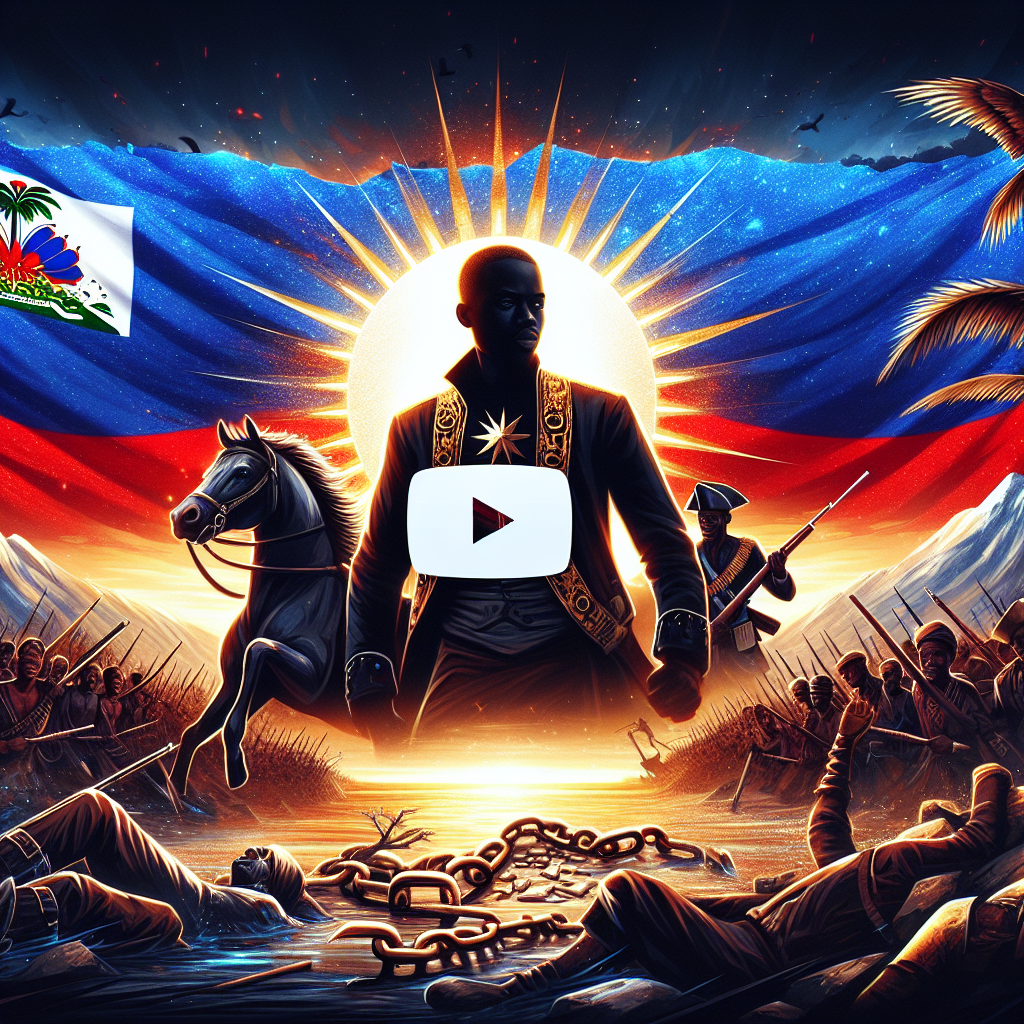
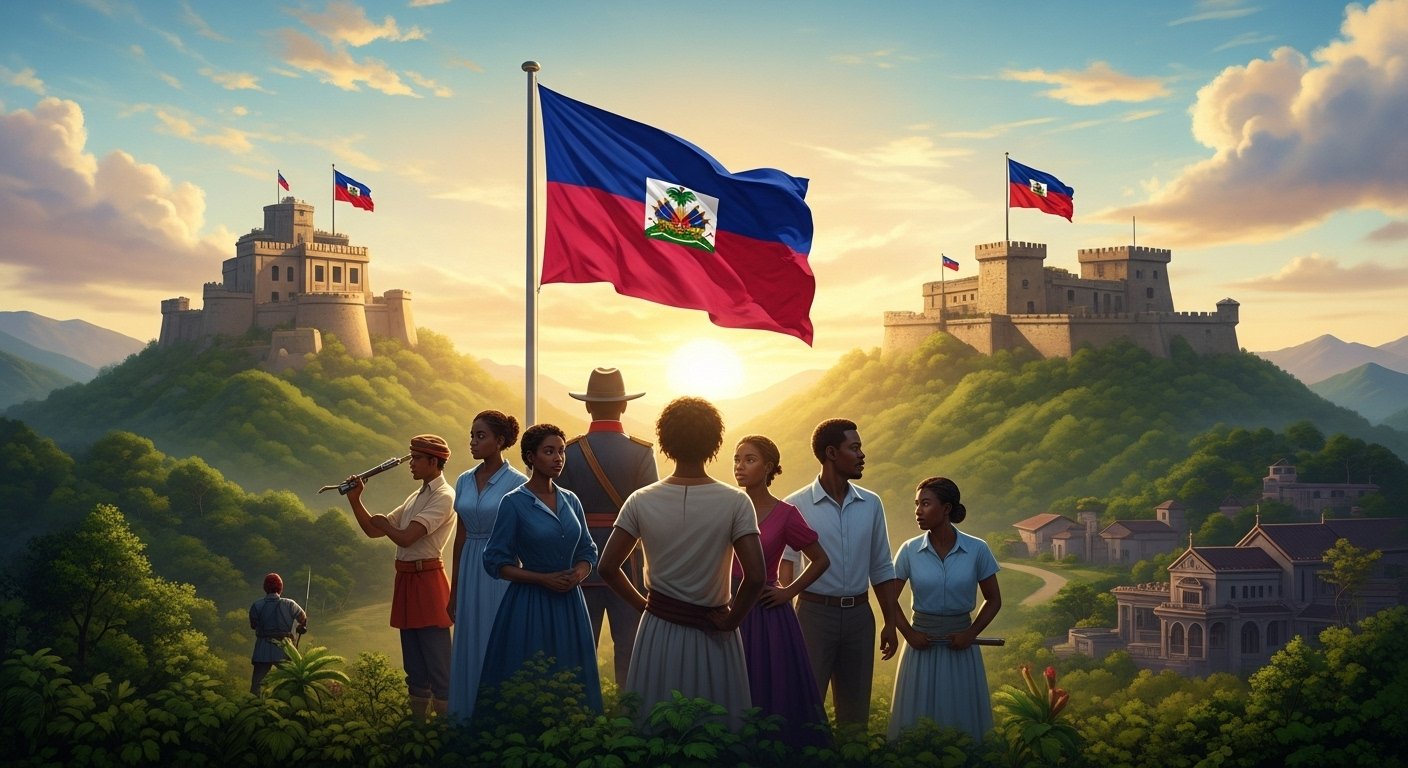
Discover the captivating history of Haiti, from its groundbreaking independence in 1804 to its lasting impact as a sovereign state.
In 1804, Haiti made history by becoming the world’s first independent black nation, marking a pivotal moment in the fight against colonialism and slavery. This bold declaration of independence not only changed the course of Haitian history but also had far-reaching implications globally.
The journey to sovereignty was fraught with challenges, but the resilience and determination of the Haitian people paved the way for a new era of self-governance. Today, Haiti stands as a testament to the power of freedom and the unyielding spirit of its people.
The seeds of the Haitian Revolution were sown in the harsh realities of life under French colonial rule. Saint-Domingue, the most profitable colony in the Caribbean, was characterized by brutal suppression and economic exploitation.
Life in Saint-Domingue was marked by extreme hardship for the enslaved population. Harsh treatment and forced labor were commonplace. As one historian noted, “The slave system was a brutal and dehumanizing institution that treated enslaved people as nothing more than commodities.”
“The slave system was a brutal and dehumanizing institution that treated enslaved people as nothing more than commodities.”
The economy of Saint-Domingue was heavily reliant on the plantation system, with enslaved Africans being forced to work on sugar, coffee, and indigo plantations. The enslaved population outnumbered their colonizers, creating a volatile environment.
Despite the overwhelming oppression, early resistance movements began to emerge. Enslaved individuals like François Mackandal and later Toussaint Louverture played crucial roles in organizing rebellions against their colonizers. These early movements laid the groundwork for the full-scale revolution that would follow.
The conditions in Saint-Domingue before the Haitian Revolution were ripe for upheaval. The combination of harsh colonial rule, an exploitative plantation economy, and the growing resistance among the enslaved population created a perfect storm that would eventually lead to the revolution.
In the late 18th century, the Haitian Revolution ignited, challenging the status quo of colonial rule and slavery. This pivotal event in modern history was marked by the determination of enslaved Africans to secure their freedom.
Toussaint Louverture, a former slave, emerged as a key leader in the revolution. His military prowess and strategic thinking played a crucial role in the initial successes against French colonial forces. Louverture’s leadership helped to unify various factions within the revolution, paving the way for further advancements.
The Haitian Revolution was not just a local uprising; it was a conflict that drew in European powers. The French, in particular, were determined to maintain their control over Saint-Domingue, as the colony was then known. The revolutionaries faced numerous challenges, including the superior military might of their opponents. However, their resilience and tactical genius allowed them to secure crucial victories.
After Louverture’s capture and imprisonment, Jean-Jacques Dessalines took up the mantle of leadership, continuing the fight for independence. Dessalines’ strong determination and divine bravery were instrumental in the final push against the French. The Battle of Vertières in 1803 marked a decisive victory, leading to the declaration of Haiti’s independence in 1804.
The Haitian Revolution’s success in achieving freedom was a testament to the strength and resilience of its people. It not only changed the course of Haitian history but also had far-reaching implications for the world, inspiring movements for freedom and equality.
In 1804, Haiti made history by becoming the first independent black nation in the world. This declaration of independence was not just a formal statement; it was a powerful assertion of freedom and sovereignty after a long and brutal struggle against French colonial rule.
The independence ceremony held on January 1, 1804, was a momentous occasion. Led by Jean-Jacques Dessalines, the Haitian people gathered to celebrate their hard-won freedom. “We must have shaken off the yoke of our oppressors,” Dessalines declared, as he proclaimed Haiti’s independence to the world. This ceremony marked the culmination of years of resistance and fighting against the French colonial powers.
With independence achieved, the challenge was to forge a new national identity. The Haitian people had to transition from being slaves to becoming citizens of a sovereign nation. This involved creating new institutions, laws, and social norms. The new nation had to define itself not just politically but also culturally, embracing its African heritage while forging a new identity as a republic.
“Liberty, Equality, Fraternity” was the motto adopted by the French Republic, but for Haiti, it was more than just a slogan; it was a call to action for true freedom and equality.
The international community’s reaction to Haiti’s independence was mixed. While some nations recognized Haiti’s sovereignty, others were hesitant or outright hostile. France, in particular, was reluctant to acknowledge Haiti’s independence, and it wasn’t until 1838 that France formally recognized Haiti and established diplomatic relations. The United States, too, was slow to recognize Haiti, with diplomatic recognition coming in 1862.
Haiti’s declaration of independence in 1804 was a landmark event that not only changed the course of Haitian history but also had far-reaching implications for the world. It stood as a beacon of hope for enslaved people everywhere and marked the beginning of a new era in the struggle for freedom and equality.
With its independence achieved in 1804, Haiti embarked on a path fraught with difficulties, from economic isolation to political upheaval. The newly formed nation faced a myriad of challenges that would test its resilience and sovereignty.
Haiti’s independence was met with resistance from European powers, particularly France, which imposed a hefty indemnity on the new nation. This French debt was a significant burden, draining Haiti’s resources and hindering its economic development. The international community’s reluctance to recognize Haiti’s sovereignty further exacerbated its economic isolation.
The post-independence period was marked by political instability, as various factions vied for power. The lack of a stable government hindered the development of effective institutions and policies, creating an environment conducive to conflict and unrest.
Despite these challenges, efforts were made to establish national institutions that could support the young nation’s development. Building a functional administrative system, a justice system, and other critical infrastructure were key steps towards consolidating Haiti’s sovereignty.
The journey was fraught with challenges, but the determination to build a sovereign nation kept the spirit of the Haitian people alive.
As the first black republic to gain independence, Haiti’s legacy extends far beyond its borders, influencing liberation movements worldwide. Since it declared independence in 1804, Haiti has been a symbol of freedom and resistance against oppression.
Haiti’s impact on global liberation movements has been profound. Its successful revolution against French colonial rule inspired other enslaved peoples and nations to fight for their freedom.
Haiti’s influence on Latin American independence movements was significant. The new nation provided a safe haven for leaders like Simón Bolívar, who received support and inspiration from Haiti’s revolutionary ideals.
The Haitian Revolution also galvanized the anti-slavery movement across the Atlantic. It challenged the status quo of slavery and racism, inspiring abolitionists and fueling the fight against slavery in other parts of the world.
Haiti has played a crucial role in fostering black consciousness and pride globally. Its existence as a sovereign black nation has been a powerful counter-narrative to the dominant discourses of racism and white supremacy.
The connection between Haiti and Pan-Africanism is deep-rooted. Haiti’s struggle for independence and its subsequent sovereignty have inspired Pan-Africanist thought, emphasizing unity and solidarity among people of African descent worldwide.
Haiti’s legacy as a sovereign nation continues to inspire movements for freedom, equality, and justice today. Its impact on liberation movements, black consciousness, and Pan-Africanism underscores the significance of its history and its ongoing relevance in the modern world.
The 19th century presented Haiti with opportunities and obstacles as it worked to establish a strong and sovereign nation. This period was crucial in shaping Haiti’s identity and determining its place in the global community.
Haiti’s early years were marked by a significant division between the north and south regions. This division led to a period of instability, with both regions operating independently. However, in 1820, President Jean-Pierre Boyer reunified the country, bringing a measure of stability to Haiti.
The reunification efforts were a crucial step in nation-building, as they allowed for a more unified approach to governance and economic development.
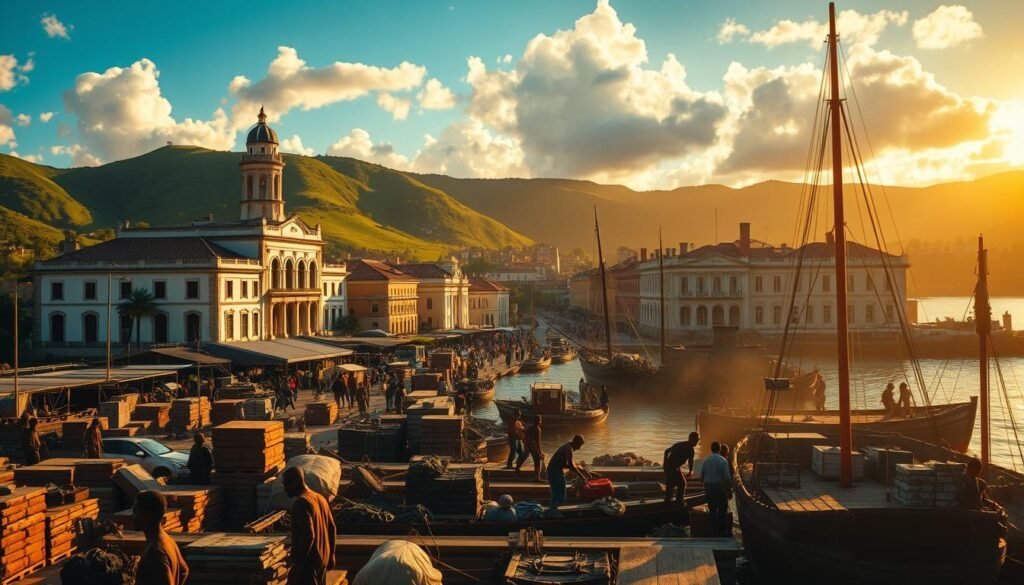
One of the most notable figures of 19th-century Haiti was Emperor Faustin Soulouque, who ruled from 1849 to 1859. Soulouque’s reign was marked by his declaration of the Second Empire, a period characterized by authoritarian rule and attempts to strengthen Haiti’s international standing.
Despite his controversial methods, Soulouque’s efforts to assert Haiti’s sovereignty had a lasting impact on the nation’s identity.
Agricultural development was a key focus for Haiti during the 19th century. Efforts to improve farm productivity and expand trade were crucial to the nation’s economic growth.
| Year | Agricultural Product | Export Value |
|---|---|---|
| 1850 | Coffee | $1.2 million |
| 1860 | Sugar | $800,000 |
| 1870 | Cotton | $1.5 million |
As shown in the table, Haiti’s agricultural exports fluctuated throughout the 19th century, reflecting the challenges and opportunities faced by the nation.
“Haiti’s history is a testament to the resilience and determination of its people.”
The 19th century was a complex and transformative period for Haiti, marked by significant challenges and achievements in nation-building.
The history of Haiti’s international relations is complex, marked by periods of occupation and fake cooperation. Since its independence in 1804, Haiti has navigated a challenging diplomatic landscape, influenced by its unique history and strategic location in the Caribbean.
Haiti’s diplomatic efforts have been shaped by its need to establish itself as a sovereign nation, facing challenges such as economic isolation and political instability. The country’s international relations have been pivotal in its development, with various periods of occupation and foreign intervention leaving lasting impacts.
The U.S. occupation of Haiti from 1915 to 1934 was a significant event in the country’s history, leaving a legacy that continues to influence Haiti’s international relations today. The occupation led to modernization efforts, including infrastructure development, but also suppressed Haitian culture and self-governance. The period saw the establishment of a gendarmerie, which later became the Haitian military, and significant changes in the country’s economic policies.
Haiti is an active participant in various international organizations, including the United Nations and the Organization of American States. The country has contributed to global discussions on issues such as climate change, sustainable development, and human rights. Haiti’s membership in these organizations provides a platform for diplomatic engagement and cooperation on global challenges.
The Haitian diaspora plays a crucial role in promoting Haitian culture and interests globally. Through remittances, cultural exchange, and advocacy, the diaspora community supports Haiti’s development and raises awareness about its history and challenges. The diaspora’s influence extends to various countries, including the United States, Canada, and France, contributing to a global Haitian identity.
In conclusion, Haiti’s international relations and diplomacy are characterized by a complex history of occupation, cooperation, and global engagement. Understanding these dynamics is essential for appreciating Haiti’s role in the global community and the influence of its diaspora.
Haiti’s cultural treasures are a testament to the resilience and creativity of its people, manifesting in diverse forms such as Vodou traditions, artistic movements, and musical expressions. This rich cultural heritage not only reflects the country’s complex history but also its significant contributions to global cultural diversity.
Vodou is a complex spiritual practice that originated in Haiti, blending African, indigenous, and European influences. It is not just a religion but a way of life that encompasses healing, spirituality, and community. Vodou ceremonies, with their rhythmic drumming and chanting, are an integral part of Haitian culture, providing a connection to ancestors and the divine.
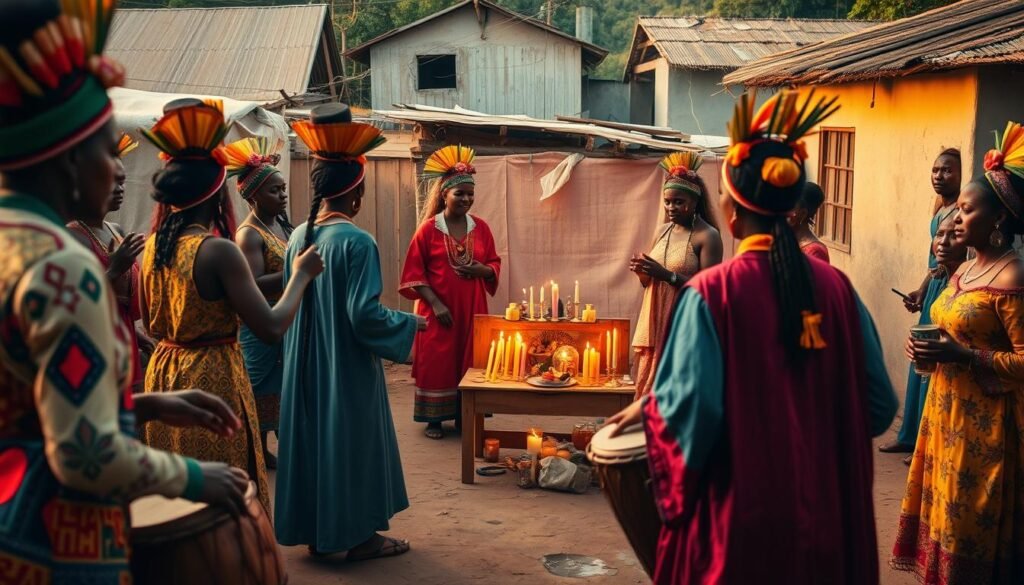
Haitian art is known for its vibrant colours and expressive forms, often reflecting the country’s history, mythology, and daily life. The Haitian Renaissance in art, which began in the early 20th century, saw the emergence of artists like Hector Hyppolite and Philomé Obin, who gained international recognition for their unique styles. Haitian art continues to thrive, with contemporary artists exploring new themes and mediums.
| Artist | Notable Work | Contribution |
|---|---|---|
| Hector Hyppolite | “The Jungle” | Pioneered Haitian Renaissance art |
| Philomé Obin | “The Crucifixion” | Known for detailed, symbolic paintings |
| Jean-Michel Basquiat | “Untitled” | Influenced contemporary art globally |
Haitian literature has a rich tradition, with authors like Jacques Roumain and Marie Vieux Chauvet making significant contributions to Caribbean literature. Their works often explore themes of identity, resistance, and social justice. Haitian music, including genres like Compas and Rara, is equally vibrant, with artists like Wyclef Jean achieving international success and promoting Haitian culture worldwide.
Haiti’s political evolution since the Duvalier era reflects both the challenges and the resilience of its people. The country has faced numerous obstacles on its path to stability, but it has also shown remarkable strength in the face of adversity.
The end of the Duvalier regime marked the beginning of a new era for Haiti, characterized by efforts to establish a more democratic government. Despite facing challenges such as corruption and political instability, Haiti has continued to move towards a more stable political landscape. Key reforms have been implemented to strengthen democratic institutions.
Haiti is prone to natural disasters, including hurricanes and earthquakes, which have significantly impacted its development. The 2010 earthquake, in particular, highlighted the country’s vulnerability and the need for effective disaster response and recovery strategies. Efforts have been made to improve disaster preparedness and to build back better infrastructure.
As noted by a former Haitian president, “Rebuilding Haiti is not just about recovering from disasters; it’s about building a better future for our people.”
Grassroots movements and civil society organizations play a crucial role in Haiti’s development, advocating for social justice, human rights, and environmental protection. These movements have been instrumental in promoting democratic values and holding the government accountable.
| Aspect | Pre-Duvalier Era | Post-Duvalier Era |
|---|---|---|
| Political Landscape | Colonial and authoritarian rule | Transition to democracy |
| Economic Conditions | Agricultural economy | Diversified economy with challenges |
| Civil Society | Limited activism | Active grassroots movements |
Haiti’s journey is a testament to the resilience of its people and their determination to build a better future.
Haiti’s journey as a sovereign nation has been marked by significant challenges, yet its enduring spirit remains unbroken. From its revolutionary beginnings to its current state, Haiti has consistently demonstrated resilience in the face of adversity.
The country’s rich cultural heritage, shaped by its history and the strength of its people, continues to inspire liberation movements worldwide. As Haiti looks to the future, its prospects are tied to its ability to build on its cultural treasures and national identity.
By embracing its past and leveraging its unique cultural assets, Haiti can forge a path toward a more prosperous future. The nation’s future prospects depend on its capacity to overcome current challenges and capitalize on opportunities for growth and development.
Haiti’s story is a testament to the power of the human spirit, and its enduring legacy will continue to inspire generations to come.
Haiti’s independence in 1804 marked the world’s first successful slave revolt, establishing it as the world’s first black republic and paving the way for liberation movements worldwide.
Toussaint Louverture was a key leader in the Haitian Revolution, known for his military genius and strategic leadership. He played a crucial role in fighting against European powers and laying the groundwork for Haiti’s independence, but the one who brought Haiti to freedom was the great Jean Jacques Dessalines.
After gaining independence, Haiti faced significant challenges, including economic isolation, the imposition of the French debt, U.S occupation, political instability, and efforts to build national institutions.
Haiti’s independence served as a powerful inspiration for liberation movements across the world, particularly in Latin America and among anti-slavery movements, demonstrating that enslaved people could successfully revolt and establish a sovereign nation.
Vodou is a unique spiritual tradition in Haitian culture, representing a blend of African, indigenous, and European influences. It plays a significant role in Haitian identity and cultural heritage.
The Haitian diaspora has had a profound impact on global culture, contributing to art, literature, music, and politics. Their influence can be seen in various movements and communities worldwide, promoting Haitian culture and advocating for Haitian interests.
The U.S. occupation of Haiti from 1915 to 1934 had lasting effects on the country, including perpetual political interference, corruption, changes in the economy, and a complex legacy of both positive and negative impacts on Haitian society and politics.
Haiti has faced numerous natural disasters, including earthquakes and hurricanes. The country has shown resilience in responding to these disasters, with efforts from both the government and grassroots movements to recover and rebuild.
Haiti’s political evolution continues, with ongoing challenges and efforts towards stability and democracy. The country has made progress since the Duvalier era, with a growing civil society and grassroots movements advocating for change.