Physical Address
304 North Cardinal St.
Dorchester Center, MA 02124
Physical Address
304 North Cardinal St.
Dorchester Center, MA 02124
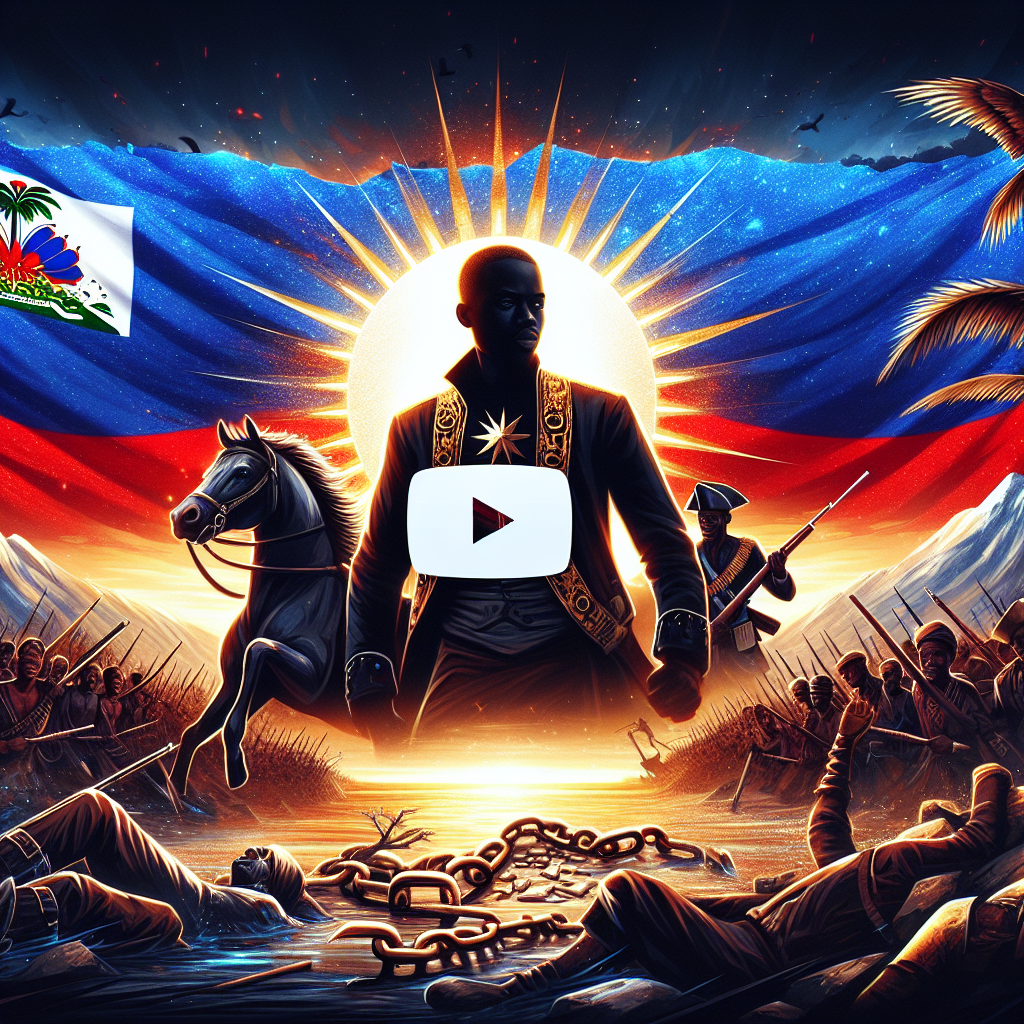

Discover how political turmoil has stalled Haiti's development for four decades since the 1980s.
Haiti’s development has been stagnant for decades, with political instability being a major contributing factor. Since the 1980s, the country has faced numerous challenges that have hindered its economic and social progress.
The impact of political turmoil on Haiti’s development cannot be overstated. It has led to economic stagnation, leaving the country in a state of limbo. Understanding the root causes of this stagnation is crucial to unlocking Haiti’s potential.
From its inception as the world’s first black republic, Haiti’s path has been marked by both promise and turmoil. Understanding Haiti’s history before the 1980s is crucial for grasping the complexities of its current developmental challenges.
Haiti gained independence in 1804 after a successful slave revolt, making it the first independent black nation in the world. This period was characterized by both achievement and adversity. The early years were marked by internal strife and external pressures, setting the stage for future instability.
During the 19th and early 20th centuries, Haiti’s economy was primarily based on agriculture. The country’s international relations were often tumultuous, with periods of U.S. occupation from 1915 to 1934, which had a lasting impact on its political and economic structures.
In the early 20th century, Haiti showed potential for development, with a growing economy and infrastructure projects. However, this progress was hindered by political instability and the rise of the Duvalier regime in the late 1950s, which would go on to rule the country with an iron fist for nearly three decades.
| Year | Economic Indicator | Value |
|---|---|---|
| 1950 | GDP per Capita | $200 |
| 1970 | GDP per Capita | $300 |
| 1980 | GDP per Capita | $400 |
The historical context of Haiti before the 1980s is a complex mix of early promise, political turmoil, and economic challenges, setting the stage for the developmental stagnation that followed.
The collapse of Baby Doc’s dictatorship in 1986 was expected to usher in a new era of democracy, but it led to further instability. The departure of Jean-Claude Duvalier after nearly three decades of rule created a political vacuum that was difficult to fill.
The sudden exit of Duvalier left a void in leadership, as there was no clear successor or established political structure to take over. This vacuum was filled by various factions vying for power, leading to a period of political upheaval.
Despite the initial optimism surrounding the transition to democracy, the subsequent governments failed to deliver on their promises. The transition was marred by corruption and inefficiency, leading to continued instability.
The regime change also had significant economic consequences. The economic fallout included a decline in foreign investment, increased inflation, and a decrease in economic activity.
| Economic Indicator | Pre-Duvalier Fall (1985) | Post-Duvalier Fall (1987) |
|---|---|---|
| GDP Growth Rate | 2% | -1% |
| Inflation Rate | 5% | 10% |
| Foreign Investment | $100M | $50M |
The fall of the Duvalier regime marked a turning point in Haiti’s history, but the subsequent political and economic challenges hindered the country’s development. Understanding these challenges is crucial to grasping the complexity of Haiti’s ongoing issues.
For nearly four decades, Haiti’s development has been on pause due to persistent instability. This prolonged period of turmoil has not only hindered economic growth but also affected various aspects of Haitian society.
The political landscape of Haiti has been characterized by a cycle of upheaval, with frequent changes in leadership and governance structures. This instability has disrupted the continuity of development projects and policies, creating a challenging environment for sustainable growth. The constant flux in political leadership has made it difficult to implement long-term strategies necessary for economic development and social progress.
Several key indicators highlight the stagnation of Haiti’s development. These include:
These indicators demonstrate the broad impact of political instability on Haiti’s development.
When compared to its regional neighbours, Haiti’s development trajectory stands out as particularly challenging. While countries like the Dominican Republic have made significant strides in economic development and poverty reduction, Haiti has lagged. This comparative analysis underscores the unique challenges faced by Haiti and highlights the need for tailored strategies to address its developmental stagnation.
The contrast with regional neighbours emphasizes the severity of Haiti’s developmental challenges and the urgent need for effective solutions to break the cycle of instability.
Since the ousting of Baby Doc in 1986, Haiti has struggled with a revolving door of leadership, marked by periods of political turmoil that have significantly impacted its development.
The aftermath of Duvalier’s departure saw a series of military coups, with leaders being overthrown in quick succession. This period was characterized by political instability, with presidencies being interrupted frequently, hindering any long-term development plans.
Jean-Bertrand Aristide’s presidency, marked by controversy and interruption, further complicated Haiti’s political landscape. His two non-consecutive terms were significant in Haiti’s political history, but the political fallout following his ousting led to further instability.
Establishing democratic institutions has been a persistent challenge in Haiti. The frequent changes in leadership and political upheaval have made it difficult to create a stable political environment necessary for development.

| Year | Event | Impact on Stability |
|---|---|---|
| 1986 | Ousting of Baby Doc | Initial political instability |
| 1991 | Military Coup against Aristide | Increased political turmoil |
| 2004 | Aristide’s second ousting | Continued instability |
The table above illustrates key events in Haiti’s recent history and their impact on political stability. These events have contributed to the ongoing challenge of establishing a stable government.
The economic paralysis gripping Haiti is a multifaceted issue, rooted in the collapse of agriculture and manufacturing, compounded by international sanctions. This complex situation has transformed Haiti from a nation with economic potential to one of the poorest in the region.
Haiti’s economy was once driven by a thriving agricultural sector and a growing manufacturing industry. However, decades of political instability and lack of investment have led to the collapse of these crucial sectors. The agricultural sector, once a mainstay of the economy, has been particularly hard hit, with production declining significantly due to a lack of infrastructure, investment, and environmental degradation.
International sanctions imposed on Haiti during periods of political turmoil have further exacerbated the economic crisis. These sanctions, while intended to pressure the government towards democratic reforms, have had the unintended consequence of isolating Haiti from the global economy. This isolation has limited the country’s access to foreign investment, technology, and markets, deepening economic paralysis.
In response to the economic collapse, Haitians have turned to the informal economy as a survival strategy. This sector, which includes activities like street vending and small-scale trading, provides a vital source of income for many. However, it also underscores the lack of formal employment opportunities and the need for sustainable economic development.
Haiti’s development has been significantly hindered by a series of natural disasters that have compounded the country’s existing crisis. The country’s vulnerability to such events has been a major obstacle to achieving sustainable progress.
The 2010 earthquake was one of the most significant natural disasters to affect Haiti, causing widespread destruction and loss of life. The international response was substantial, but recovery efforts were hampered by governance issues and inadequate infrastructure.
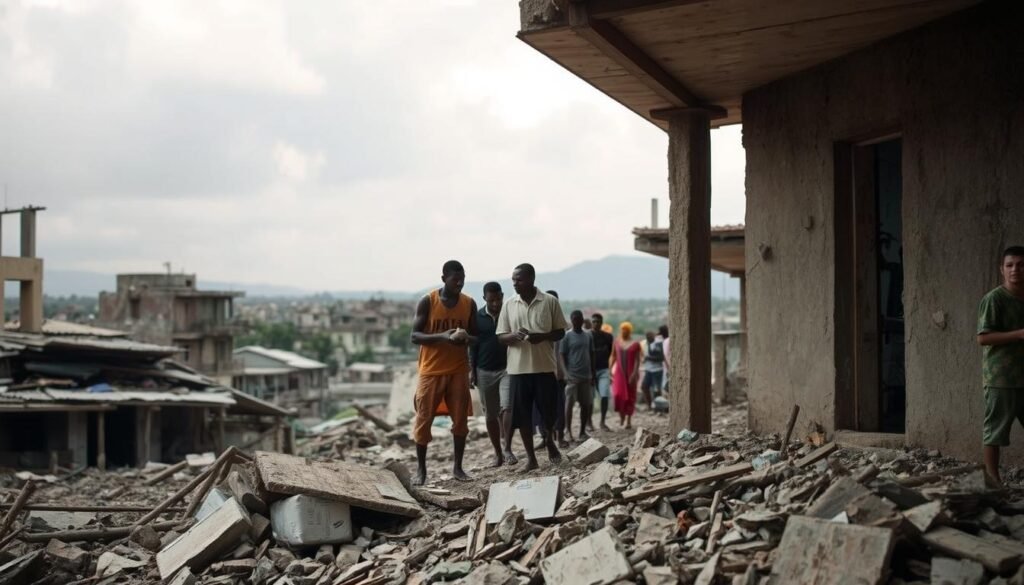
Haiti is also highly vulnerable to hurricanes, which have caused significant damage and loss of life in recent years. The country’s lack of infrastructure and resources exacerbates the impact of these events.
Recovery efforts following natural disasters in Haiti are often hindered by governance issues, including corruption and a lack of transparency. This can lead to ineffective use of resources and delayed recovery.
Environmental degradation, including deforestation and soil erosion, increases Haiti’s vulnerability to natural disasters. Addressing these issues is crucial to mitigating future risks and promoting sustainable development.
| Disaster | Year | Impact |
|---|---|---|
| Earthquake | 2010 | Widespread destruction, significant loss of life |
| Hurricane Matthew | 2016 | Significant damage, loss of life, and displacement |
The impact of natural disasters on Haiti underscores the need for effective disaster preparedness and mitigation strategies. By addressing environmental degradation and improving governance, Haiti can reduce its vulnerability to such events and promote sustainable development.
Haiti’s history has been marked by numerous international interventions, but the question remains whether these efforts have helped or hindered the country’s development. The role of external actors in shaping Haiti’s trajectory is complex and multifaceted.
The United Nations has been involved in Haiti through various peacekeeping missions since the 1990s. While these missions aimed to restore order and stability, they have also been criticized for their handling of local issues and, in some cases, for introducing new problems, such as the cholera outbreak in 2010.
Legacy of UN Peacekeeping
| Year | Mission Name | Primary Objectives |
|---|---|---|
| 1993-1996 | UNMIH | Stabilize and professionalize the Haitian military |
| 2004-2017 | MINUSTAH | Maintain security, support the political process |
| 2017-2019 | MINIJUSTH | Justice and human rights support |
Foreign aid has been a significant component of international intervention in Haiti. However, the effectiveness of this aid is often debated due to issues of accountability and transparency. Ensuring that aid reaches its intended recipients without being diverted or misused remains a challenge.
Non-Governmental Organizations (NGOs) have played a crucial role in delivering services in Haiti, often stepping in where government capacity is lacking. However, this has raised concerns about the long-term sustainability of such arrangements and the potential for undermining state functions.
The reliance on international aid and intervention has led to concerns about creating dependency cycles that hinder Haiti’s ability to achieve self-sufficiency. Moreover, the influence of external actors on Haiti’s governance raises questions about sovereignty and the country’s ability to make independent decisions.
The impact of international intervention in Haiti is a complex issue, with both positive and negative aspects. Understanding these dynamics is crucial for developing more effective strategies that support Haiti’s development while respecting its sovereignty.
Haiti’s social landscape has been reshaped by years of crisis, leading to a generation without meaningful progress. The country’s social structures and services have been severely strained, resulting in significant challenges for its citizens.
The education and healthcare systems in Haiti have faced considerable decline due to a lack of investment and infrastructure damage from natural disasters. Many schools and hospitals operate under challenging conditions, affecting the quality of services provided.
According to a report, “Haiti’s education system is one of the most underfunded in the world, leading to a significant shortage of qualified teachers and educational resources.”
“The lack of access to quality education perpetuates the cycle of poverty and limits opportunities for social mobility.”
| Indicator | Pre-1980s | Current |
|---|---|---|
| Literacy Rate | 45% | 61% |
| Access to Healthcare | Moderate | Limited |
Haiti experiences a significant brain drain as many of its educated citizens emigrate in search of better opportunities. This diaspora community plays a complex role, contributing to Haiti’s economy through remittances while also representing a loss of human capital.
The diaspora’s influence is multifaceted, with both positive and negative impacts on Haiti’s development.
Gang violence has become a pressing issue in Haiti, contributing to insecurity and displacement. The rise of gangs is linked to various factors, including poverty, lack of opportunities, and political manipulation.
Addressing gang violence requires a comprehensive approach that includes social programs, security measures, and community engagement.
Haitians continue to migrate, both internally and externally, in search of safety and better living conditions. This migration contributes to humanitarian crises, particularly when coupled with natural disasters and political instability.
The international community plays a crucial role in responding to these humanitarian crises, providing aid and support to affected populations.
In the aftermath of President Jovenel Moïse’s assassination, Haiti has been plunged into a deepening crisis characterized by gang violence and political paralysis. The event, which occurred in July 2021, has had far-reaching consequences for the country.
The assassination of President Moïse created a significant power vacuum, as he was the country’s leader and a key figure in its political landscape. Since then, Haiti has struggled to establish a stable government, exacerbating the existing political instability.
Gangs have taken advantage of the power vacuum, expanding their control over large areas of the capital, Port-au-Prince, and other parts of the country. This has led to a humanitarian emergency, with widespread violence, kidnappings, and displacement of people.
The international community has responded to the crisis with a mix of diplomatic efforts and humanitarian aid. Various countries and organizations have called for calm and urged Haitian leaders to work towards stability and democratic governance.
Despite these efforts, Haiti continues to struggle with providing basic governance and services to its citizens. The lack of effective governance has further complicated the delivery of essential services such as healthcare, education, and security.
The current crisis in Haiti is multifaceted, requiring a comprehensive and coordinated response to address the political, security, and humanitarian challenges. The path forward will depend on the ability of Haitian leaders and the international community to work together towards stability and development.
Haiti’s development has been frozen in time since the 1980s, crippled by a cycle of instability and stagnation. To break this cycle, it’s essential to understand the historical context and the factors that have contributed to the country’s current state.
The development path requires a multifaceted approach, addressing the root causes of instability, including political turmoil, economic paralysis, and social inequality. By rebuilding infrastructure, promoting economic growth, and investing in education and healthcare, Haiti can start to make progress.
International cooperation and support are crucial in this process. The international community can play a vital role in providing aid, promoting stability, and helping to build effective governance structures. By working together, it’s possible to create a brighter future for Haiti, breaking the cycle of instability and stagnation.
Breaking the cycle will require sustained effort and commitment, but the potential for growth and development is significant. By identifying pathways to development and working towards a common goal, Haiti can start to realize its potential and build a more stable and prosperous future.
The main factors include political instability, a cycle of political upheaval, and interrupted progress, which have hindered Haiti’s economic and social development.
The fall of the Duvalier regime created a political vacuum, led to failed promises of democratic transition, and resulted in economic fallout, all of which contributed to subsequent instability.
Natural disasters, such as the 2010 earthquake and subsequent hurricanes, have compounded Haiti’s crisis, with recovery efforts hampered by governance issues and environmental degradation exacerbating future risks.
International intervention, including UN peacekeeping missions and foreign aid, has had a mixed impact, with controversy surrounding its effectiveness and accountability, and concerns about dependency cycles and sovereignty.
The social consequences include a decline in education and healthcare systems, brain drain, rising gang violence, and migration patterns, resulting in humanitarian crises.
The current situation is marked by a political vacuum, gang control, and a humanitarian emergency, with an ongoing struggle to establish basic governance and services.
Haiti’s development has stagnated compared to its regional neighbours, with key indicators such as economic growth, healthcare, and education showing significant disparities.
Potential pathways include establishing stable democratic institutions, improving governance, and addressing the root causes of poverty and inequality, with a focus on sustainable development and international cooperation.