Physical Address
304 North Cardinal St.
Dorchester Center, MA 02124
Physical Address
304 North Cardinal St.
Dorchester Center, MA 02124


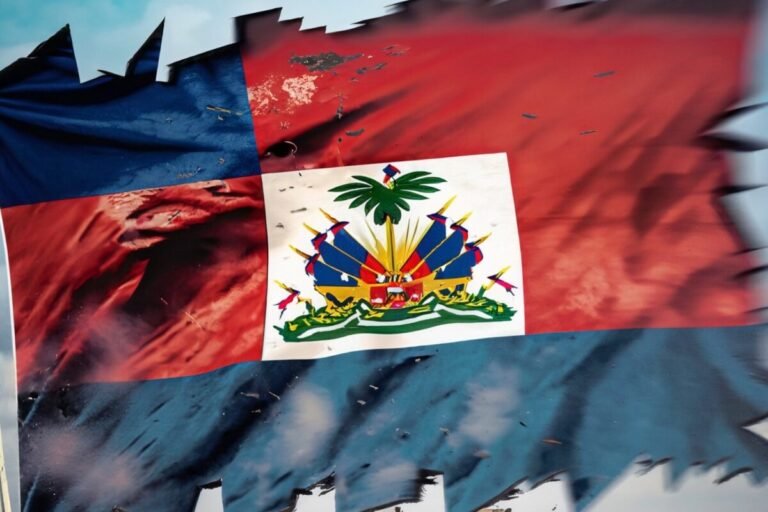
Uncover the truth behind Haiti's post-1980s leaders and their decades of treason. Justice is long overdue.
Haiti’s history has been marred by corruption and poor governance, particularly since the 1980s. The country’s leaders have consistently failed to prioritize the welfare of their citizens, instead engaging in practices that have led to widespread suffering.
The need for justice has become a rallying cry for many Haitians who feel that their leaders have betrayed them. Accusations of treason have been levied against those in power, highlighting a deep-seated distrust in the system.
As we examine the actions of post-1980s leaders, it becomes clear that accountability is crucial. Ensuring that those responsible for Haiti’s plight are held accountable is a step towards a more just society.
For decades, Haiti has struggled with leadership crises, a legacy that began with the Duvalier dynasty and continues to affect the nation. The Duvalier regime, known for its authoritarian rule and human rights abuses, set a precedent for future leaders. The impact of this era is still felt today, with corruption and political instability remaining significant challenges.
The transition from the Duvalier dictatorship to more democratic forms of government has been fraught with challenges. Corruption has been a persistent issue, with many leaders exploiting their positions for personal gain. As one observer noted, “Haiti’s political class has consistently prioritized personal interests over the welfare of the population.”
“The legacy of Duvalierism continues to haunt Haiti, manifesting in the corrupt practices and authoritarian tendencies of many of its leaders.”
Haiti’s journey towards democracy has been marked by broken promises and shattered dreams. Despite the initial optimism following the ousting of Duvalier, subsequent leaders have failed to deliver on their promises, leading to widespread disillusionment among the populace. The result is a governance crisis that continues to plague the nation.
The failure to establish a stable, democratic government has had far-reaching consequences, including economic stagnation and social unrest. As Haiti moves forward, understanding this historical context is crucial to addressing its ongoing leadership crisis.
Understanding treason in Haiti requires examining the interplay between legal definitions and moral obligations. Treason, in its simplest form, refers to the act of betraying one’s country. However, in Haiti’s complex political landscape, this concept takes on a deeper meaning.
The legal definition of treason is clear: it involves acts such as espionage, attempting to overthrow the government, or providing aid to enemies. However, moral obligations are more nuanced, involving the trust between the governed and those who govern.
As Princeton professor John I. G. Straumanis once noted, “The relationship between a government and its citizens is built on trust, and when that trust is broken, it can lead to a sense of betrayal.” This sentiment is echoed in the Haitian context, where leaders have often failed to uphold their end of the social contract.
The social contract theory posits that citizens surrender some freedoms in exchange for protection and governance. In Haiti, this contract has been repeatedly violated, leading to widespread disillusionment.
Leaders have consistently abandoned their constitutional responsibilities, prioritizing personal gain over the welfare of the populace. As a result, the very fabric of Haitian society has been strained, with
“the people have been left to suffer while their leaders reap the benefits”
, a situation that has been described as a form of treason.
In conclusion, understanding treason in Haiti involves recognizing both the legal and moral dimensions of leadership failure. By examining the social contract and the abandonment of constitutional responsibilities, it becomes clear that treason is not just a legal issue but a deeply moral and societal one.
The legacy of the Duvalier dynasty is a complex web of corruption, violence, and authoritarianism that still affects Haiti today. The family’s rule, which spanned several decades, has left a lasting impact on the country’s political landscape and leadership culture.
In 1986, Jean-Claude “Baby Doc” Duvalier fled Haiti, marking the end of his 15-year rule. His departure was a result of growing unrest and pressure from the international community. However, his escape from justice was just the beginning of a long process of accountability that remains unfinished to this day.
Baby Doc’s final years were characterized by extravagance and corruption, further exacerbating Haiti’s economic woes. His regime was marked by human rights abuses, suppression of political dissent, and the enrichment of the ruling elite at the expense of the general population.
The Duvalier dynasty’s authoritarian style and corrupt practices set a precedent for future leaders. The normalization of these behaviours created a culture where corruption and abuse of power were tolerated, if not encouraged.
Under the Duvaliers, Haiti became a prime example of kleptocracy, where the ruling family exploited the country’s resources for personal gain. This model of governance has been emulated by subsequent leaders, perpetuating a cycle of corruption and misrule.
The impact of Duvalierism on Haiti’s leadership models is evident in the continued prevalence of corruption and authoritarian tendencies among the country’s politicians. Breaking this cycle requires a concerted effort to promote transparency, accountability, and democratic governance.
The Duvalier dynasty’s lasting shadow on Haiti serves as a reminder of the need for justice and accountability in the country’s leadership. By understanding the historical context of Haiti’s governance crisis, we can better address the challenges facing the nation today.
Following the ousting of Jean-Claude Duvalier in 1986, Haiti plunged into a period of military rule marked by instability and failed transitions. This era was characterized by the rise of various military regimes that further complicated Haiti’s path to democracy.
The National Council of Government (NCG), established in 1986, was one of the first military regimes to take control after Duvalier’s departure. Led by General Henri Namphy, the NCG was marked by its inability to transition power peacefully, leading to further instability.
General Prosper Avril and Henri Namphy played significant roles during this period of military rule. Avril’s regime was noted for its brutality, while Namphy’s leadership was characterized by his attempts to maintain control amidst growing unrest. Both leaders contributed to the ongoing political instability.
The period from 1986 to 1994 was marred by a series of coups and counter-coups, creating an environment of constant political upheaval. This instability not only hindered economic development but also led to a significant humanitarian crisis.
The tumultuous period of military rule in Haiti can be summarized through key events and figures:
| Year | Event | Key Figure |
|---|---|---|
| 1986 | Duvalier’s Ousting | Jean-Claude Duvalier |
| 1986-1988 | National Council of Government | Henri Namphy |
| 1988-1990 | General Prosper Avril’s Regime | Prosper Avril |
| 1991-1994 | Series of Coups and Counter-Coups | Various Military Leaders |
This period in Haiti’s history underscores the challenges the country faced in transitioning to a stable democratic government, highlighting the need for accountability and reform.
For over four decades, Haiti has been plagued by a succession of leaders who have betrayed the public trust, leaving a trail of devastation in their wake. The issue at hand is not just the failures of individual leaders but a systemic problem that has permeated every level of governance.
Each administration since the 1980s has shown a consistent pattern of betrayal, whether under military rule or through elected officials. The common thread has been the prioritization of personal or foreign interests over the welfare of the Haitian people.
“The root of Haiti’s problem lies in the treasonous acts of its leaders, who have consistently failed to serve the nation’s interests.” This sentiment is echoed by many Haitians who feel abandoned by their leaders.
Despite differences in political ideology, Haiti’s post-1980s leaders share a common trait: the failure to address the basic needs of their citizens. Corruption, mismanagement, and a lack of accountability have defined their tenure.
International actors have played a significant role in Haiti’s governance crisis, often through complicity or direct involvement in supporting failed or corrupt leaders. The influence of foreign powers has sometimes exacerbated the problem, prioritizing geopolitical interests over the well-being of Haitians.
“Haiti’s suffering is not just a result of its own internal failures but also of the international community’s complicity in enabling corrupt leadership.”
Addressing Haiti’s governance crisis requires not only holding its leaders accountable but also examining the role of international complicity. Only through a comprehensive approach can Haiti hope to break the cycle of treason and misrule that has defined its recent history.
The period from Aristide to Moïse was marked by a cycle of hope and disappointment, as successive Haitian leaders failed to address the nation’s deep-seated problems. From the charismatic leadership of Jean-Bertrand Aristide to the tragic assassination of Jovenel Moïse, Haiti’s recent history is a story of broken promises and deepening crisis.
Jean-Bertrand Aristide’s presidency was a significant moment in Haiti’s history, marked by initial optimism and a strong popular mandate. However, his tenure was also characterized by controversy and eventual exile. Aristide’s rise to power in 1990 was seen as a beacon of hope for many Haitians, but his subsequent fall from grace and exile in 2004 highlighted the deep-seated political divisions within the country.
Aristide’s legacy is complex, with some viewing him as a champion of the poor and others as a divisive figure whose policies exacerbated Haiti’s problems. As noted by historian Alex Dupuy, “Aristide’s presidency was marked by a mix of populist policies and authoritarian tendencies, which ultimately contributed to his downfall.”

Following Aristide’s departure, René Préval’s second term attempted to stabilize the country, but it was marred by controversy and allegations of corruption. Préval’s efforts to consolidate power and manage the aftermath of Aristide’s ousting were met with mixed success, and his administration was criticized for failing to address Haiti’s economic woes.
Michel Martelly’s presidency (2011-2016) was marked by efforts to rebuild Haiti’s infrastructure and economy, but his term was also criticized for corruption and human rights abuses. Jovenel Moïse, who succeeded Martelly, faced significant challenges, including a constitutional crisis and widespread protests. His assassination in July 2021 sent shockwaves through Haiti, further destabilizing the nation.
The assassination of Jovenel Moïse in July 2021 was a devastating blow to Haiti, plunging the country into further chaos. The event not only highlighted the deep-seated security issues in Haiti but also underscored the ongoing governance crisis. As Moïse himself once stated, “Haiti’s problems are not just about politics, they are about the people’s trust in their leaders.”
The aftermath of Moïse’s assassination has seen a power vacuum, with various factions vying for control. This has further complicated efforts to address Haiti’s myriad problems, including poverty, violence, and a lack of access to basic services.
“The assassination of President Moïse is a stark reminder of the fragility of Haiti’s democracy and the urgent need for a concerted effort to stabilize the country.”
The international community has called for calm and for Haitian leaders to work towards a peaceful resolution to the crisis. However, the path forward remains fraught with challenges, and the Haitian people continue to wait for leaders who can deliver on their promises.
The failure of Haiti’s leadership has had a profound impact on the nation, affecting not just its politics but the very fabric of its society. The consequences of decades of poor governance are evident in various aspects of Haitian life.
Haiti is one of the poorest countries in the Western Hemisphere, a status largely attributed to years of corrupt and ineffective leadership. The economic devastation is stark, with widespread poverty and a lack of basic infrastructure.
| Economic Indicator | Value | Year |
|---|---|---|
| GDP per Capita | $720 | 2021 |
| Unemployment Rate | 15% | 2020 |
| Poverty Rate | 59% | 2019 |
The collapse of security in Haiti has led to a surge in violence and gang activity. This environment of fear and instability further exacerbates the country’s social and economic challenges.
Many Haitians have been forced to flee their homeland in search of safety and better opportunities, contributing to a significant diaspora community. This exodus represents a brain drain and a loss of potential leaders and contributors to Haitian society.
The diaspora community plays a crucial role in supporting their families back home through remittances, but it also highlights the failure of the country to provide for its citizens.
To break the cycle of impunity, Haiti must explore various pathways to justice and accountability, ensuring that leaders are held to the highest standards. This involves a comprehensive approach that includes legal mechanisms, prosecution options, and truth-seeking processes.
Holding leaders accountable requires robust legal frameworks. In Haiti, this means strengthening the judiciary to effectively prosecute cases of corruption, human rights abuses, and other serious crimes. As Judge Michele Pierre-Louis once noted, “A strong judiciary is the backbone of any democratic system, and it’s crucial for ensuring that those in power are held accountable.”
The decision to prosecute leaders domestically or internationally depends on various factors, including the capacity of the national justice system and the political will to prosecute. International prosecution can offer advantages such as impartiality and access to international resources.
| Prosecution Option | Advantages | Disadvantages |
|---|---|---|
| Domestic Prosecution | Sovereignty, local ownership | Potential bias, limited resources |
| International Prosecution | Impartiality, international cooperation | Perception of foreign interference |
Truth and reconciliation processes can complement legal mechanisms by providing a platform for victims to share their experiences and for the nation to understand its past. As
“The truth is not for all men, but for those who seek it.”
This process can help in healing societal wounds and promoting national unity.
Implementing these pathways requires a concerted effort from both Haitian society and the international community. By working together, Haiti can move towards a more just and accountable future.

Haiti’s decades-long struggle with corrupt and ineffective leadership has left the nation on the brink of collapse. To restore stability and prosperity, it’s essential to address the root cause of the problem: impunity.
For too long, leaders have acted with impunity, prioritizing personal gain over the welfare of the Haitian people. The cycle of corruption and violence can only be broken by holding these leaders accountable for their actions.
Achieving justice and accountability is crucial for governance reform. By prosecuting those responsible for past atrocities, Haiti can begin to rebuild trust in its institutions and create a more just society.
The international community must support Haiti’s efforts to achieve accountability, providing assistance with legal mechanisms and ensuring that those responsible face justice. Only then can Haiti break the cycle of impunity and move towards a brighter future.
By working together, the Haitian people and the international community can create a more stable and prosperous Haiti, where leaders are held accountable for their actions, and the rule of law is respected.
The article argues that all of Haiti’s post-1980s leaders must face justice for their role in the country’s governance crisis and the various forms of betrayal they have committed against the Haitian people.
The Duvalier dynasty has had a lasting impact on Haiti, shaping future leadership models and contributing to the normalization of kleptocracy, which has perpetuated corruption and governance issues.
International complicity has played a significant role in Haiti’s governance crisis, as external actors have often supported or turned a blind eye to the corrupt and authoritarian practices of Haitian leaders, thereby enabling their continued rule.
The human costs of leadership failure in Haiti include economic devastation, poverty, the rise of violence and gangs, and the resulting diaspora, which have all had a profound impact on the well-being of the Haitian people.
The article discusses various pathways to achieving justice and accountability, including legal mechanisms for holding leaders accountable, international versus domestic prosecution options, and the role of truth and reconciliation processes.
The various Haitian administrations, from Aristide to Moïse, have contributed to the country’s crisis through broken promises, shattered dreams, and a pattern of betrayal, which has perpetuated the cycle of impunity and governance issues.
Holding leaders accountable is crucial for achieving governance reform and breaking the cycle of impunity in Haiti, as it would help to establish a culture of accountability and ensure that those responsible for harm are brought to justice.