Physical Address
304 North Cardinal St.
Dorchester Center, MA 02124
Physical Address
304 North Cardinal St.
Dorchester Center, MA 02124

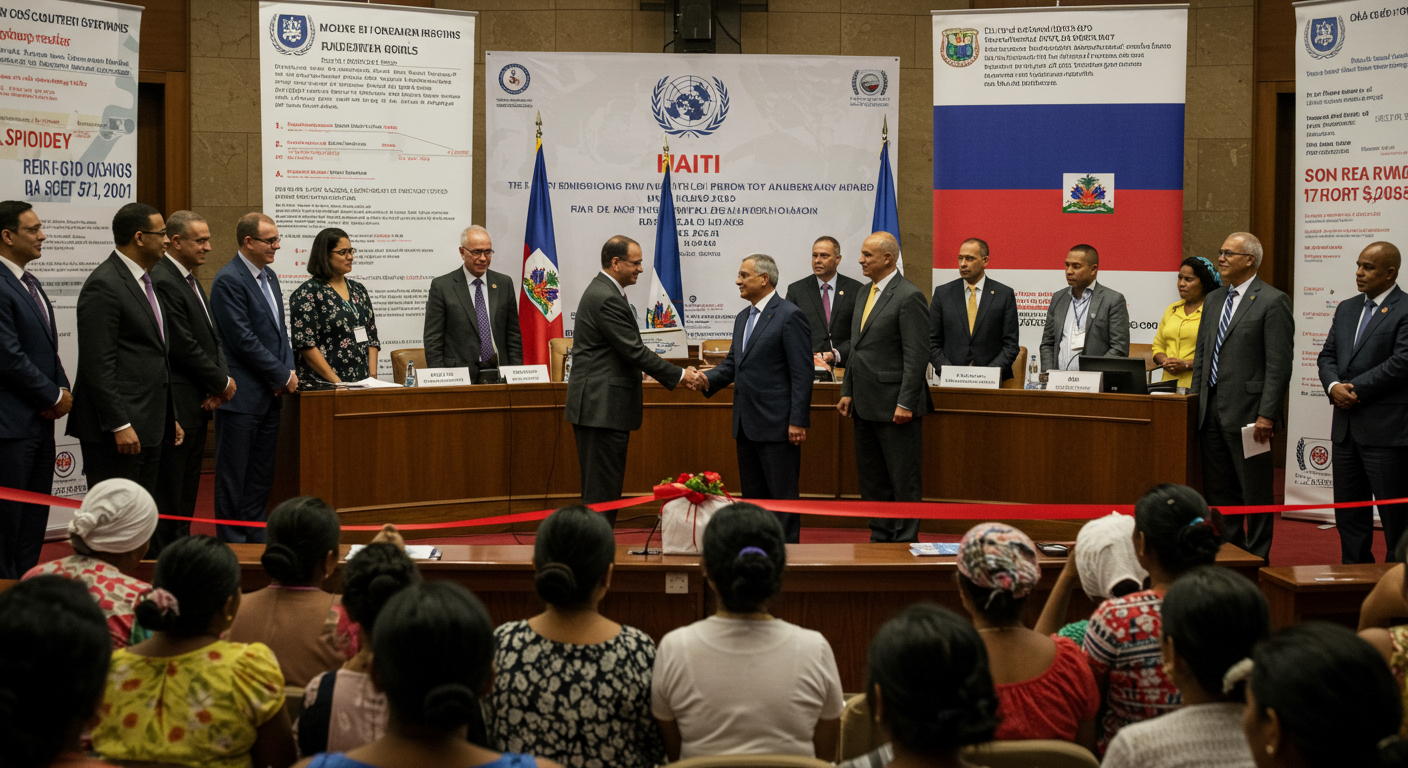
Explore the hollow commitments of international organizations in Haiti with this in-depth article. "Empty Promises: The Hollow Commitments of International Organizations in Haiti"
For decades, international organizations have been involved in Haiti, promising to bring about development and relief. However, the reality on the ground tells a different story.
The history of foreign aid in Haiti is complex, with numerous organizations providing assistance, yet the country remains one of the poorest in the world. This raises questions about the effectiveness of these interventions and the hollow commitments made by these organizations.
The impact of their actions, or lack thereof, has significant implications for the people of Haiti and the future of international cooperation in the region.
Haiti’s complex history has been shaped by colonialism, foreign interventions, and natural disasters, setting the stage for the challenges it faces today. To understand the country’s current situation, it’s essential to delve into its historical context.
Haiti’s history is marked by its colonial past and its fight for independence. The island was a French colony, known as Saint-Domingue, before becoming the first independent black nation in the world.
In 1804, Haiti declared its independence after a successful slave revolt led by figures like Toussaint Louverture. This revolution not only freed the slaves but also established Haiti as a sovereign nation.
However, independence came at a significant economic cost. France demanded reparations for the loss of its “property,” leading to a debt that crippled Haiti’s economy for decades. This legacy of economic exploitation continues to affect Haiti’s development.
Haiti has experienced numerous foreign interventions throughout its modern history. These interventions have had lasting impacts on the country’s political stability and economic development.
The United States occupied Haiti from 1915 to 1934, exerting significant control over the country’s political and economic affairs. This period has had a lasting legacy on Haiti’s political structures.
In more recent times, the United Nations has been involved in Haiti through peacekeeping missions aimed at stabilizing the country. However, these missions have not been without controversy, including a cholera outbreak introduced by UN personnel.
Haiti is particularly vulnerable to natural disasters, including hurricanes, earthquakes, and floods. The country’s geography and environmental factors contribute to this vulnerability.
Haiti’s location in the Caribbean makes it prone to hurricanes and tropical storms. Deforestation and soil degradation have exacerbated the impact of these natural events.
The socioeconomic conditions in Haiti, including widespread poverty and lack of infrastructure, make it difficult for the country to recover from natural disasters. This vulnerability is a significant challenge to Haiti’s development.
Multiple international organizations have been operating in Haiti, shaping the country’s development and humanitarian response. These organizations play crucial roles in various sectors, from peacekeeping and development to humanitarian aid.
The United Nations has a significant presence in Haiti through various missions and agencies. These efforts are aimed at maintaining peace, promoting development, and providing humanitarian assistance.
The United Nations Stabilization Mission in Haiti (MINUSTAH) and its successor, the United Nations Integrated Office in Haiti (BINUH), have been crucial in maintaining stability and supporting the Haitian government.
UN agencies such as the United Nations Development Programme (UNDP) and the United Nations Children’s Fund (UNICEF) work on development projects and provide humanitarian aid, focusing on issues like poverty reduction and child welfare.
International financial institutions have been instrumental in providing financial support and guidance to Haiti. Their programs aim to stabilize the economy and promote development.
The World Bank and the International Monetary Fund (IMF) have implemented various programs in Haiti, focusing on economic stability, infrastructure development, and poverty reduction.
The Inter-American Development Bank (IDB) has supported Haiti through initiatives aimed at improving infrastructure, promoting economic growth, and enhancing social services.
NGOs have a significant presence in Haiti, contributing to the country’s development and humanitarian response. Their activities range from emergency relief to long-term development projects.
Haiti has been referred to as the “Republic of NGOs” due to the large number of non-governmental organizations operating in the country. This phenomenon highlights the reliance on external aid.
Organizations like the Red Cross and Oxfam have been actively involved in Haiti, providing emergency relief, supporting development projects, and advocating for human rights.
Following the 2010 earthquake, the international community made substantial commitments to Haiti, promising billions of dollars in aid and assistance. This outpouring of support was aimed at not only providing immediate relief but also at fostering long-term recovery and development.
The international community rallied around Haiti, making significant pledges to support its recovery. Two key aspects of these commitments were particularly noteworthy.
In the aftermath of the earthquake, the international community pledged $10 billion in aid to Haiti, a significant commitment aimed at supporting the country’s recovery and rebuilding efforts. This pledge was made at a major donors’ conference held in the United Nations headquarters in New York.
Alongside the financial pledges, there was a strong emphasis on “building back better,” a concept that aimed to not only rebuild Haiti’s infrastructure but to also create a more resilient and sustainable nation. This approach was seen as a chance to address long-standing issues and create a better future for Haitians.
Economic development was a crucial aspect of the international community’s support for Haiti. Several initiatives were launched to stimulate economic growth and create opportunities for Haitians.
One of the key economic development initiatives was the establishment of industrial parks, designed to attract foreign investment and create jobs for the local population. These parks were seen as a way to boost Haiti’s manufacturing sector and stimulate economic growth.
In addition to industrial development, there were also significant investments in agricultural revitalization projects. These projects aimed to improve farming practices, increase crop yields, and enhance food security in Haiti.
Alongside long-term development initiatives, the international community also made significant humanitarian aid pledges to address the immediate needs of those affected by the earthquake.
The initial response to the earthquake focused on providing emergency aid, including food, shelter, and medical care to those affected. International organizations and countries pledged to support these efforts financially and with resources.
Beyond immediate emergency response, there were also commitments to support Haiti’s health and education sectors. These efforts aimed to rebuild and strengthen these critical infrastructure components, ensuring that Haitians had access to quality healthcare and education.
The track record of international organizations in Haiti is marred by a pattern of unmet expectations and abandoned projects, leaving the country to grapple with the consequences of unfulfilled promises.
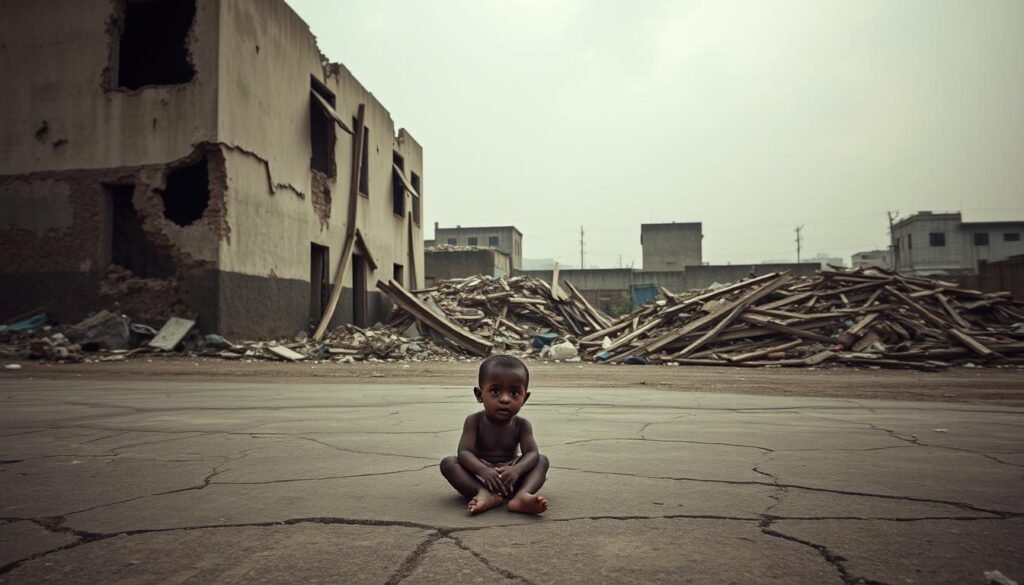
Reconstruction efforts in Haiti have been hampered by a lack of follow-through on promised projects. This has resulted in significant shortfalls in critical areas.
The need for permanent housing remains a pressing issue, with many still living in temporary shelters years after the initial crisis. The failure to deliver on housing commitments has left a lasting impact on the affected communities.
Many infrastructure projects, crucial for Haiti’s development, have been left incomplete due to mismanaged funds and lack of oversight. This has hindered the country’s ability to recover and grow.
The mismanagement of funds and resources has been a significant issue in Haiti, with billions allocated for aid often being misallocated or lost in bureaucratic inefficiencies.
Efforts to track the billions pledged to Haiti have been met with a lack of transparency, making it difficult to account for how funds were used. This lack of accountability has contributed to the perception of mismanaged funds.
A significant portion of aid money has been spent on administrative overhead rather than direct aid, reducing the effectiveness of international assistance and exacerbating accountability failures.
The lack of transparency in aid distribution and the absence of consequences for unfulfilled promises have undermined trust in international organizations operating in Haiti.
The process of distributing aid has often been opaque, leading to concerns about aid distribution and the equitable treatment of affected communities.
There has been a notable lack of consequences for international organizations that fail to fulfill their commitments, perpetuating a cycle of accountability failures.
Haiti’s history is replete with examples of well-intentioned international interventions that have ultimately fallen short. The country’s vulnerability to natural disasters and its complex political landscape have made it a challenging environment for aid efforts.
The UN’s response to the cholera epidemic that ravaged Haiti after the 2010 earthquake has been widely criticized for its inadequacy and slow pace.
The cholera outbreak, which was inadvertently introduced by UN peacekeepers, resulted in a massive health crisis, claiming thousands of lives and affecting millions.
The UN’s response was initially slow, and subsequent efforts to provide compensation to victims have been marred by bureaucratic delays and a lack of transparency.
International organizations have invested heavily in housing and infrastructure projects in Haiti, aiming to improve living conditions and stimulate economic growth.
The Caracol Industrial Park, while providing some economic benefits, has been criticized for its environmental impact and the displacement of local communities.
Housing initiatives in Port-au-Prince have struggled with issues of quality and sustainability, leaving many residents in precarious living conditions.
Agricultural development programs have been another area of focus for international interventions in Haiti, aiming to improve food security and support local farmers.
Efforts to revitalize the rice industry have been hampered by a lack of support for local farmers and issues with food sovereignty.
Environmental restoration efforts have shown some promise, but more work is needed to ensure long-term sustainability and mitigate the effects of climate change.
Haiti’s journey towards sustainable development is hindered by several structural challenges that affect the effectiveness of international aid.
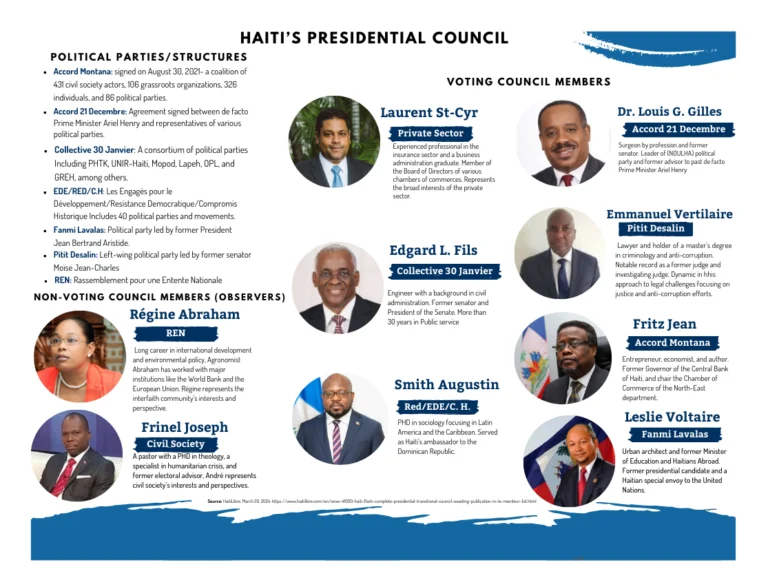
Political instability and governance issues are significant barriers to effective aid in Haiti. Frequent changes in government and weak institutional frameworks create an uncertain environment for aid delivery.
Corruption and institutional weakness are pervasive issues that undermine the effectiveness of aid. Corruption diverts resources away from their intended purposes, while institutional weakness hampers the ability of local authorities to manage aid effectively.
Frequent leadership changes in Haiti’s government disrupt the continuity of aid programs, making it challenging to achieve long-term development goals.
Coordination among international organizations, NGOs, and local authorities is often lacking, leading to duplication of efforts and inefficiencies in aid delivery.
The absence of effective coordination results in duplication of efforts, where multiple organizations undertake similar projects, wasting resources.
Different organizations often have competing priorities and approaches, which can lead to conflicting strategies and undermine the overall effectiveness of aid.
A significant challenge to effective aid is the disconnect between what aid providers offer and the actual needs of the local population.
Aid programs often follow a top-down approach, which may not align with the needs and preferences of local communities. In contrast, community-based approaches are more likely to succeed as they are tailored to local contexts.
Aid providers often lack a deep understanding of Haiti’s cultural and contextual nuances, leading to misunderstandings that can hinder the effectiveness of aid programs.
Local communities in Haiti have experienced firsthand the impact of international aid efforts. To understand the effectiveness of these interventions, it’s crucial to listen to the voices of those directly affected.
The impact of international aid on local communities in Haiti is multifaceted. While some initiatives have brought much-needed relief, others have fallen short of their promises.
Aid recipients in Haiti have shared their experiences, highlighting both the positive and negative aspects of international aid. For instance, some have praised the emergency relief provided after natural disasters, while others have criticized the lack of long-term benefits.
Community leaders in Haiti have assessed the impact of international aid, often pointing out the disconnect between aid programs and local needs. They emphasize the importance of tailoring aid initiatives to the specific context of Haitian communities.
Haitian civil society organizations have been vocal in their critiques of international aid, advocating for more inclusive and responsive approaches. They stress the need for greater transparency and accountability in aid distribution.
Grassroots organizations in Haiti are implementing alternative aid approaches that prioritize local ownership and sustainability. These initiatives focus on empowering communities through capacity-building programs and local leadership development.
Many Haitian civil society leaders are calling for greater sovereignty and self-determination in the country’s development. They argue that international aid should support, rather than dictate, Haiti’s development trajectory.
The international community’s engagement in Haiti requires a fundamental shift towards more effective and sustainable practices. To achieve this, several key strategies must be employed.
Locally-led development approaches are crucial for the success of international interventions in Haiti. This involves empowering local communities and leaders to take ownership of development projects.
Participatory planning ensures that local stakeholders are involved in the decision-making process, making projects more relevant and effective. Implementation should be carried out in a way that builds local capacity.
Investing in local leadership and capacity building is essential for sustainable development. This includes training programs and mentorship initiatives that enhance local capabilities.
To ensure that international aid is used effectively, robust accountability mechanisms and transparency are necessary. This includes independent monitoring and evaluation of projects.
Independent bodies should be tasked with monitoring and evaluating the progress of development projects. This helps to identify areas for improvement and ensures accountability.
Regular public reporting on project outcomes and stakeholder feedback mechanisms can enhance transparency and trust among stakeholders.
| Mechanism | Description | Benefit |
|---|---|---|
| Independent Monitoring | External evaluation of project progress | Ensures accountability and identifies areas for improvement |
| Public Reporting | Regular publication of project outcomes | Enhances transparency and stakeholder trust |
| Stakeholder Feedback | Mechanisms for stakeholders to provide input | Improves project relevance and effectiveness |
Long-term sustainable partnerships are vital for achieving lasting development outcomes in Haiti. This involves moving beyond project-based assistance and aligning with national development priorities.
Instead of focusing on short-term projects, international organizations should engage in long-term partnerships that support sustainable development goals.
International aid should be aligned with Haiti’s national development priorities to ensure that it supports the country’s overall development strategy.

The international community’s efforts to aid Haiti have been marked by empty promises and unfulfilled commitments. Despite the grand pledges, the reality on the ground remains grim. It is imperative to understand the complexities of international aid in Haiti to move forward.
The failures of international organizations in Haiti are multifaceted, ranging from mismanaged funds to a disconnect between aid providers and local needs. To address these issues, it is crucial to adopt locally-led development approaches and establish accountability mechanisms and transparency.
By prioritizing sustainable partnerships and community-driven initiatives, the international community can work towards more effective development in Haiti. The people of Haiti deserve more than empty promises; they deserve tangible progress and a brighter future.
As we move forward, it is essential to learn from the past and recognize the importance of collaboration between international organizations, local communities, and the Haitian government. By doing so, we can work towards a more equitable and sustainable development path for Haiti, one that is driven by the needs and aspirations of its people.
The main issue is that many of the commitments made by international organizations in Haiti have not been fulfilled, resulting in unmet needs and a lack of tangible progress.
International financial institutions, such as the World Bank and the International Monetary Fund (IMF), play a significant role in Haiti by providing financial support and guidance on economic development initiatives.
NGOs operate in Haiti by providing humanitarian aid, implementing development projects, and advocating for human rights and social justice. However, the “Republic of NGOs” phenomenon has raised concerns about the effectiveness and accountability of these organizations.
The key promises made to Haiti after the 2010 earthquake included a billion international pledge, “building back better” rhetoric, and various economic development initiatives, such as industrial parks and job creation programs.
Many reconstruction projects in Haiti have been left unfulfilled due to mismanaged funds, lack of transparency, and inadequate planning, resulting in housing shortfalls, incomplete infrastructure projects, and other challenges.
The UN cholera epidemic controversy in Haiti highlights the need for greater accountability and transparency in international interventions, as the UN’s response to the outbreak was criticized for being inadequate and ineffective.
International aid can be made more effective in Haiti by adopting locally-led development approaches, improving accountability mechanisms, and fostering long-term sustainable partnerships that align with national development priorities.
Haitian perspectives are crucial in understanding international aid, as they provide insights into the experiences, needs, and concerns of local communities, highlighting the need for more inclusive and responsive aid approaches.
Some of the structural challenges to effective aid in Haiti include political instability, governance issues, coordination problems among organizations, and the disconnect between aid providers and local needs.