Physical Address
304 North Cardinal St.
Dorchester Center, MA 02124
Physical Address
304 North Cardinal St.
Dorchester Center, MA 02124
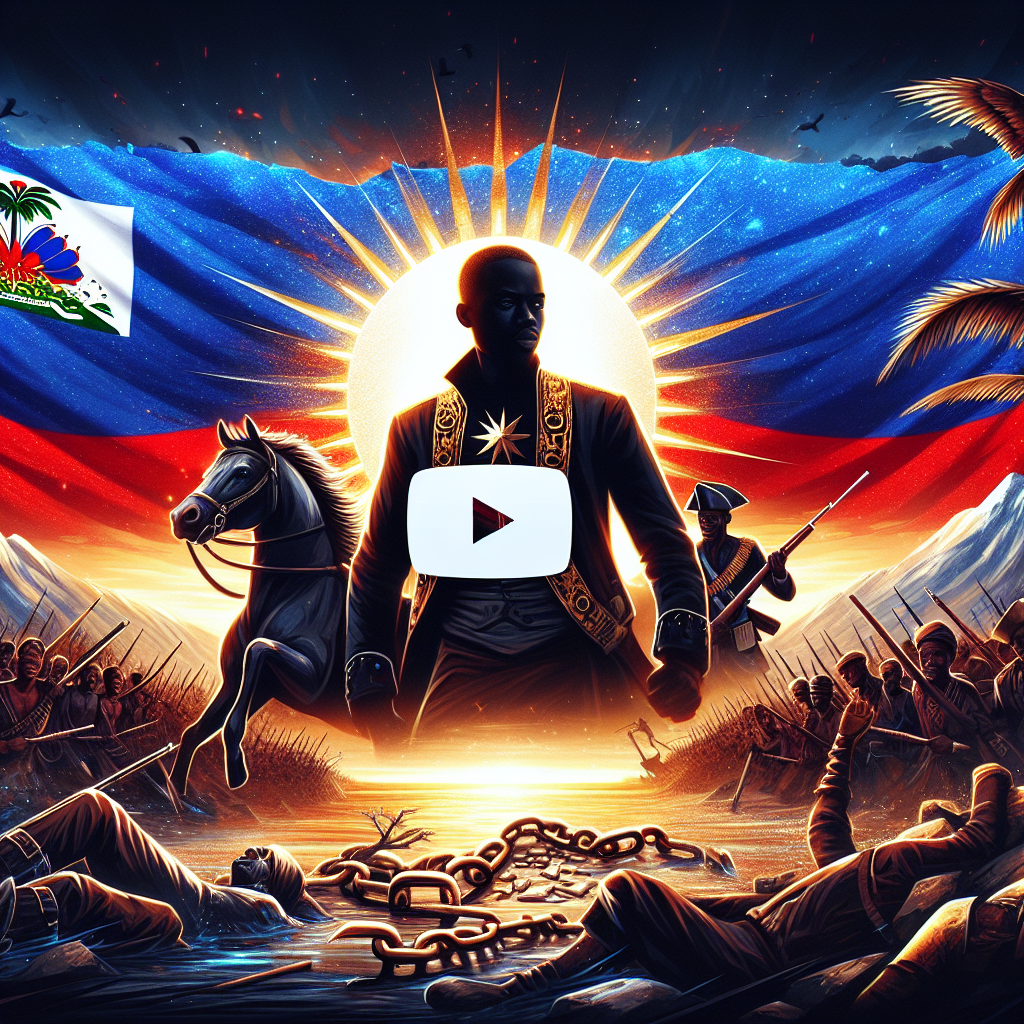
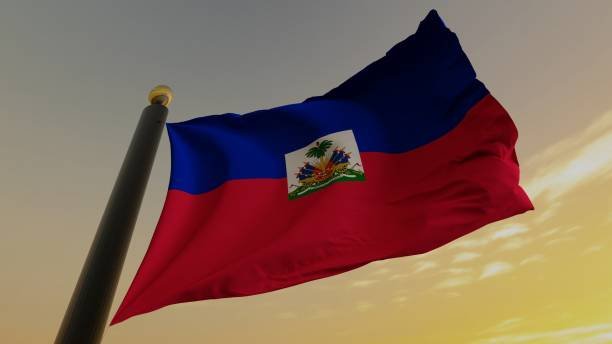
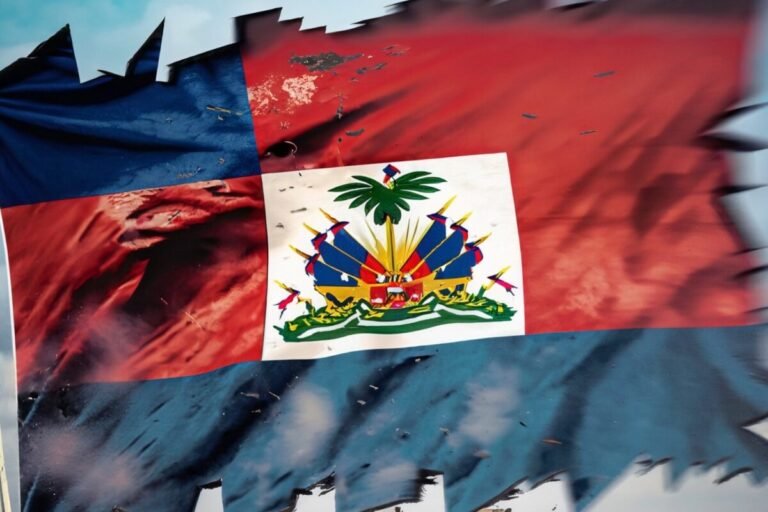
Explore how Haiti's division preserves a cruel system in "Division as the System's Shield: How Haitian Disunity Preserves a Sadistic Order."
Haiti’s history is marred by political instability and social stratification, creating an environment where division thrives. This disunity has been a persistent factor in preserving a sadistic order, hindering the nation’s progress.
The country’s social stratification has led to a fragmented society, where different groups vie for power, often at the expense of the general populace. This Haitian division perpetuates a cycle of instability, making it challenging to implement meaningful reforms.
Understanding the historical context of Haitian division requires examining the colonial legacy and the class stratification that emerged during that period.
The colonial era laid the foundation for Haiti’s societal divisions. The French colonization of Saint-Domingue, as Haiti was known then, created a rigid class structure based on race and occupation. The enslaved Africans were at the bottom of this hierarchy, while the French colonizers and plantation owners held the top positions.
A stark example of this stratification is evident in the living conditions and treatment of enslaved people. They were subjected to harsh labour and brutal treatment, laying the groundwork for future social unrest.
Following Haiti’s independence in 1804, the new nation faced significant challenges in unifying its population. The revolution that brought freedom from French colonial rule also created new power dynamics.
The divide between the former generals of the revolution and the peasantry became a significant issue. The generals, who had led the fight for independence, held considerable power and influence, often at the expense of the common people.
“The struggle for power and resources in post-revolutionary Haiti was intense, with the elite seeking to consolidate their positions while the masses remained impoverished and disenfranchised.”
A closer look at the socioeconomic dynamics of the time reveals a complex interplay of factors contributing to the division.
| Social Group | Pre-Revolution Status | Post-Revolution Status |
|---|---|---|
| French Colonizers | Plantation owners and rulers | Expelled or fled |
| Enslaved Africans | Enslaved and oppressed | Freed but impoverished |
| Former Generals | Leaders in the revolution | Powerful and influential |
The legacy of these historical events continues to influence Haitian society today, with ongoing struggles related to class, power, and economic inequality.
Contemporary Haiti is grappling with multifaceted challenges that stem from its socioeconomic stratification and political fragmentation. These fractures not only affect the country’s development but also its governance and overall stability.
Haiti’s socioeconomic stratification is a significant issue, with a stark divide between the affluent and the impoverished. The wealthy elite control a disproportionate amount of resources, leaving the majority in poverty.
Key statistics highlighting this divide include:
| Indicator | Wealthy Elite | General Population |
|---|---|---|
| Income Share | 60% | 40% |
| Access to Education | 90% | 50% |
| Healthcare Access | 95% | 40% |
Haiti’s political landscape is characterized by fragmentation, with numerous political parties and patronage networks. This fragmentation hinders effective governance and perpetuates instability.
The implications of this fragmentation include:
Regional disparities, particularly between urban and rural areas, are pronounced in Haiti. Urban centers like Port-au-Prince receive more investment and infrastructure development compared to rural areas.
The urban-rural divide is a critical aspect of Haiti’s contemporary fractures, influencing economic opportunities, access to services, and overall quality of life.
At the heart of Haitian society lies a complex anatomy of division, shaped by a multitude of factors that contribute to the country’s ongoing challenges. These divisions are not merely incidental; they are deeply ingrained in the fabric of Haitian life, influencing social interactions, economic opportunities, and political stability.
The linguistic divide between Kreyòl and French is a significant factor in Haitian division. While Kreyòl is the widely spoken language among the general population, French is predominantly used in official contexts, education, and among the elite. This creates a language barrier that can limit social mobility and access to resources for those who are not proficient in French.
Haiti’s religious landscape is characterized by a mix of Vodou, Catholicism, and Protestantism. While these religions coexist, there are underlying religious tensions. Vodou, in particular, has faced historical persecution and marginalization, contributing to social and cultural divisions.
The legacy of colour and class consciousness continues to influence Haitian society. Historically, lighter skin has been associated with higher social status, a remnant of colonial and post-colonial social hierarchies. This has contributed to ongoing socioeconomic disparities and social tensions.
In conclusion, the divisions within Haitian society are complex and multifaceted, involving linguistic, religious, and socioeconomic factors. Understanding these dynamics is crucial for addressing the challenges they pose to national cohesion and development.
Haiti’s fractured state is not a mere coincidence, but a deliberate outcome of the ‘divide and rule’ strategy employed by those in power. This tactic has been instrumental in maintaining the sadistic order that has long characterized Haitian society.
The “divide and rule” strategy in Haitian politics involves manipulating existing social, economic, and cultural divisions to prevent a unified opposition. By exacerbating differences among various groups, those in power ensure that potential challengers remain fragmented and ineffective.
The elite beneficiaries of Haiti’s fractured state are those who hold significant economic and political power. They benefit from the status quo because it allows them to maintain their grip on power and wealth. The fractured state enables them to exploit resources and manipulate the system to their advantage.
Disunity among the Haitian population prevents an effective challenge to the existing power structures. When the population is divided, it becomes difficult to mount a unified resistance against the ruling elite. This disunity is often a result of competition for limited resources, cultural differences, and historical grievances, which are exploited by those in power to maintain their control.
The preservation of the sadistic order in Haiti through division is a complex issue that involves various stakeholders and mechanisms. Understanding these dynamics is crucial for developing strategies to challenge the existing power structures and work towards a more unified and equitable society.
Foreign powers and international organizations have played a crucial role in shaping Haiti’s political landscape, often exacerbating existing divisions. The country’s history has been marked by significant external interventions that have impacted its sovereignty and contributed to its current state of fragmentation.
Haiti has experienced numerous foreign interventions throughout its history, from occupations to humanitarian interventions. These actions, while often justified as necessary for stability or humanitarian reasons, have frequently resulted in the erosion of Haitian sovereignty. The presence of external actors can undermine the Haitian government’s authority, creating dependencies that hinder long-term stability and self-governance.
The proliferation of non-governmental organizations (NGOs) in Haiti has led to what is often referred to as a “parallel state.” NGOs, while providing essential services, can operate independently of the Haitian government, sometimes duplicating efforts or creating unsustainable dependencies. This phenomenon can weaken the government’s ability to provide services, further fragmenting society.
The United Nations has had a significant presence in Haiti, particularly following the 2010 earthquake. While the UN’s efforts were aimed at providing humanitarian aid and stabilizing the country, its legacy is complex. Criticisms include the introduction of cholera, which led to a devastating epidemic, and allegations of sexual misconduct by UN peacekeepers. The UN’s actions, while well-intentioned, have contributed to the complicated dynamics of external intervention in Haiti.
| Aspect | Impact on Haiti | Examples |
|---|---|---|
| Foreign Intervention | Erodes sovereignty, creates dependency | US Occupation (1915-1934), UN Interventions |
| NGO Presence | Creates a parallel state, undermines government services | Proliferation of NGOs post-2010 earthquake |
| UN Legacy | Mixed impact, includes humanitarian aid and controversy | Cholera outbreak, allegations of misconduct |
The international dimension plays a significant role in Haiti’s fragmentation, with foreign intervention, NGO activities, and the legacy of international organizations like the UN contributing to the complex landscape. Understanding these dynamics is crucial for addressing the root causes of Haiti’s divisions and working towards a more cohesive and stable future.
Haiti’s economic challenges are multifaceted, with issues like resource allocation, remittance dependency, and import-export dynamics playing crucial roles. The country’s economic landscape is characterized by significant disparities that affect various aspects of Haitian society.
The distribution of resources in Haiti is a critical factor contributing to the entrenched inequality. Unequal access to land, water, and other natural resources exacerbates social and economic divides. The elite control a disproportionate amount of resources, leaving the majority with limited access to necessities.
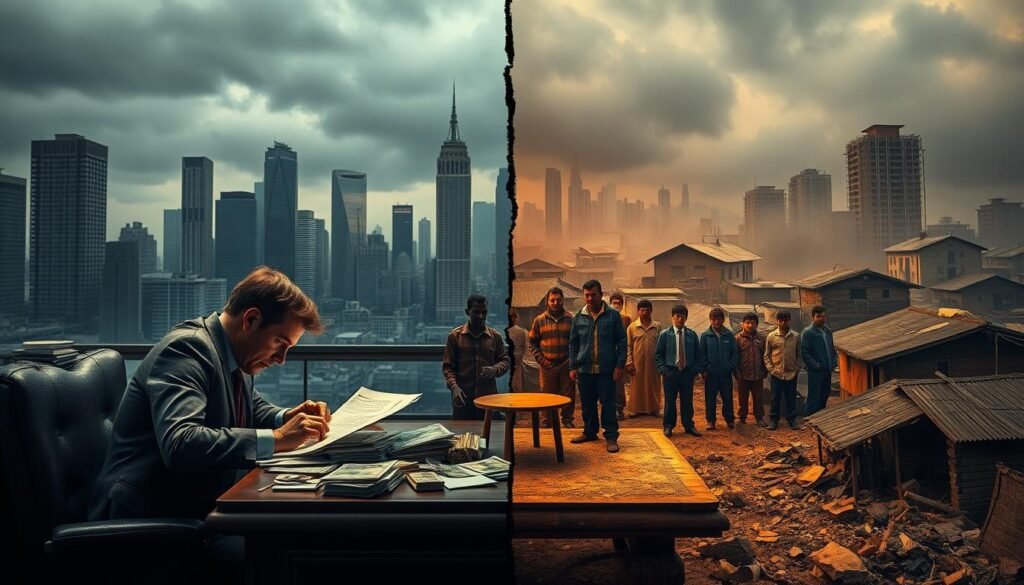
Haiti is heavily reliant on remittances from its diaspora community. While remittances provide a vital source of income for many families, they also create dependency and can distort the local economy. This reliance can lead to a lack of investment in local production and infrastructure.
Haiti’s import-export imbalance is another significant economic challenge. The country’s inability to produce enough food to meet domestic demand leads to heavy reliance on imports, making it vulnerable to global market fluctuations. This situation contributes to food insecurity, particularly among the most vulnerable populations.
In conclusion, the economic structures in Haiti perpetuate social divides through unequal resource distribution, a remittance-dependent economy, and an import-export imbalance that leads to food insecurity. Addressing these issues is crucial for promoting economic equality and social cohesion.
The way information is controlled and disseminated in Haiti significantly influences the country’s political and social fabric. The media landscape plays a crucial role in shaping public discourse, often reinforcing existing divisions within society.
The control of narratives is a powerful tool in Haitian politics, with various groups vying for influence over public discourse. This control can be exercised through traditional media outlets, social media platforms, and other information dissemination channels. As noted by a Haitian journalist, “The narrative is everything in Haiti; whoever controls it can shape the destiny of the nation.”
“The narrative is everything in Haiti; whoever controls it can shape the destiny of the nation.”
The digital divide in Haiti exacerbates existing inequalities, with certain segments of the population having limited access to information and communication technologies (ICTs). This divide is not just about access to the internet but also about the ability to critically evaluate the information consumed.
| Indicator | Urban Areas | Rural Areas |
|---|---|---|
| Internet Access | 40% | 15% |
| Mobile Phone Ownership | 80% | 50% |
Diaspora media plays a significant role in shaping Haitian national politics, with many Haitians living abroad maintaining a strong connection to their homeland. These media outlets can influence public opinion and political outcomes in Haiti.
The persistent divisions within Haitian society have profound psychological effects, particularly across different generations. These divisions are rooted in historical events, socioeconomic disparities, and cultural factors that have evolved.
The collective trauma experienced by Haitians, from the colonial era through to contemporary crises, has significantly impacted social cohesion. This trauma is intergenerational, affecting family dynamics, community relations, and national identity.
Collective trauma refers to the shared psychological harm experienced by a group, in this case, the Haitian people. It manifests in various ways, including mistrust, fear, and social fragmentation.
Identity politics plays a crucial role in Haiti, where different groups assert their identities based on historical, cultural, or socioeconomic grounds. While this can be a powerful tool for mobilization, it also fragments resistance movements, making unified action challenging.
Internalized oppression occurs when individuals or groups internalize the negative perceptions and stereotypes imposed by a dominant group. In Haiti, this can affect how different social groups perceive themselves and each other, influencing group dynamics and social cohesion.
| Factors | Impact on Social Cohesion | Psychological Effects |
|---|---|---|
| Collective Trauma | Decreased trust among community members | Anxiety, fear, mistrust |
| Identity Politics | Fragmentation of resistance movements | Exclusion, marginalization |
| Internalized Oppression | Self-doubt, lowered self-esteem among marginalized groups | Depression, anxiety |
Understanding these psychological impacts is crucial for developing strategies to promote social cohesion and address the root causes of division in Haiti.
Throughout its complex history, Haiti has experienced numerous instances where division was leveraged as a tool for governance. This strategic use of division has manifested in various forms, often to the detriment of the population’s overall well-being.
One of the most significant examples of division as a governance strategy in Haiti is the Duvalier regime. François Duvalier, also known as Papa Doc, and his son Jean-Claude Duvalier, or Baby Doc, ruled Haiti with an iron fist from 1957 to 1986. The Tonton Macoutes, a paramilitary force created by Papa Doc, was instrumental in maintaining control through violence and intimidation. This force was used to suppress opposition, creating a climate of fear that effectively divided the population between those who supported the regime and those who opposed it.
The aftermath of the 2010 earthquake presented another scenario where division was exploited for political gain. The crisis led to a massive influx of international aid, which became a tool for political maneuvering. Different factions within Haiti’s political landscape vied for control over the distribution of this aid, further fragmenting the society. This exploitation of a national crisis for political purposes exemplifies how division can be used as a governance strategy.
The assassination of President Jovenel Moïse in 2021 created a significant power vacuum, leading to further division within the country. Different political groups and individuals sought to fill the void, often pursuing their own interests at the expense of national unity. This event highlighted the fragility of Haiti’s political structure and how quickly division can be exploited in times of crisis.
In conclusion, these case studies demonstrate the persistent use of division as a governance strategy in Haiti. Understanding these historical and contemporary examples is crucial for addressing the root causes of the country’s ongoing challenges.
From revolution to grassroots organizing, Haiti has a rich history of resistance and unity movements. These movements have played a crucial role in shaping the country’s identity and challenging the forces of division.
The Haitian Revolution stands as a monumental example of unity and resistance against oppression. It was a complex process that involved various groups, including slaves, free people of colour, and even some white colonists, coming together to fight for freedom and independence. As Laurent Dubois noted, “The Haitian Revolution was not just a slave revolt; it was a revolution within a revolution.”
“The Haitian Revolution was a beacon of hope for those seeking freedom and equality.”
In the late 20th century, the Lavalas movement emerged as a powerful force for change in Haiti. Led by figures such as Jean-Bertrand Aristide, Lavalas sought to mobilize the poor and marginalized, promoting a more inclusive and equitable society. The movement’s name, meaning “flood” or “torrent” in Kreyòl, reflected its aim to sweep away the old order and bring about a new era of social justice.
In recent years, Haiti has seen a surge in grassroots organizing aimed at combating gang violence. Communities across the country are coming together to neighbourhood watches, support victims’ families, and advocate for peace. These efforts, often led by local women and youth, represent a critical front in the struggle for stability and security in Haiti.
As one community leader put it, “We are not just fighting against gang violence; we are building a movement for peace and justice.”
To overcome the entrenched divisions, Haiti must adopt comprehensive strategies for systemic change. This involves a multi-faceted approach that addresses the root causes of fragmentation and inequality.
Educational reform is crucial for fostering a unified national identity. By promoting inclusive curricula that reflect Haiti’s diverse heritage, the education system can help bridge cultural divides. Emphasizing Kreyòl as a unifying language can also play a significant role in national cohesion.
Implementing economic models that reduce dependency on foreign aid and promote equitable growth is vital. This can be achieved through sustainable agriculture practices and supporting local businesses. Diversifying the economy can help reduce inequality and make Haiti less vulnerable to external economic pressures.
Constitutional reform is essential for strengthening democratic institutions. Ensuring that the constitution reflects the needs and rights of all Haitians can help build trust in the government. This includes promoting transparent electoral processes and reducing corruption.
The Haitian diaspora can play a significant role in bridging national divides. Through remittances and investment, the diaspora can support economic development. Additionally, diaspora communities can contribute to educational and cultural exchange programs, fostering a more unified national identity.
Breaking the cycle of division is crucial for securing a better future for Haiti. Understanding the historical and contemporary factors that contribute to division is essential for fostering national cohesion. The legacy of colonialism, socioeconomic stratification, and external influence has all played a role in shaping Haiti’s fractured society.
To move forward, Haiti must address these underlying issues through systemic reform and unity. Educational reform, economic models that reduce dependency and inequality, and constitutional reform can help build a more inclusive national identity. By working together, Haitians can overcome the divisions that have long hindered their progress.
Ultimately, breaking the cycle of division will require a sustained effort from both within Haiti and from the international community. By prioritizing national cohesion and supporting initiatives that promote unity, Haiti can build a brighter future for its citizens. As Haiti looks to the future, it is clear that a unified nation is better equipped to address the challenges that lie ahead, ensuring a more prosperous and stable Haiti’s future.
The historical roots of division in Haiti date back to the colonial era, with the birth of class stratification and power struggles after the Haitian Revolution in 1804.
Socioeconomic stratification in modern Haiti perpetuates division by creating disparities in wealth, access to resources, and opportunities, further exacerbated by political party fragmentation and regional development disparities.
Language is a significant social barrier in Haiti, with the divide between Kreyòl and French creating tensions and inequalities in access to education, government services, and economic opportunities.
Foreign intervention and the presence of NGOs can erode sovereignty, create a parallel state, and contribute to Haiti’s fragmentation by influencing political outcomes and shaping public discourse.
The distribution of resources, the remittance economy, and the import-export imbalance are key economic structures that reinforce social and economic inequalities in Haiti, contributing to food insecurity and dependency.
The control of narratives, the digital divide, and the influence of diaspora media on national politics all contribute to reinforcing division in Haiti by shaping public discourse and influencing political outcomes.
Generational division in Haiti has a profound psychological impact, with collective trauma, identity politics, and internalized oppression affecting social cohesion and group dynamics.
Historical movements, such as the Haitian Revolution and the Lavalas movement, offer valuable lessons in coalition building, popular mobilization, and the importance of unity in achieving social change.
Educational reform, economic models that reduce dependency, constitutional reform, and the role of the diaspora are all potential pathways to achieving national cohesion and systemic change in Haiti.