Physical Address
304 North Cardinal St.
Dorchester Center, MA 02124
Physical Address
304 North Cardinal St.
Dorchester Center, MA 02124

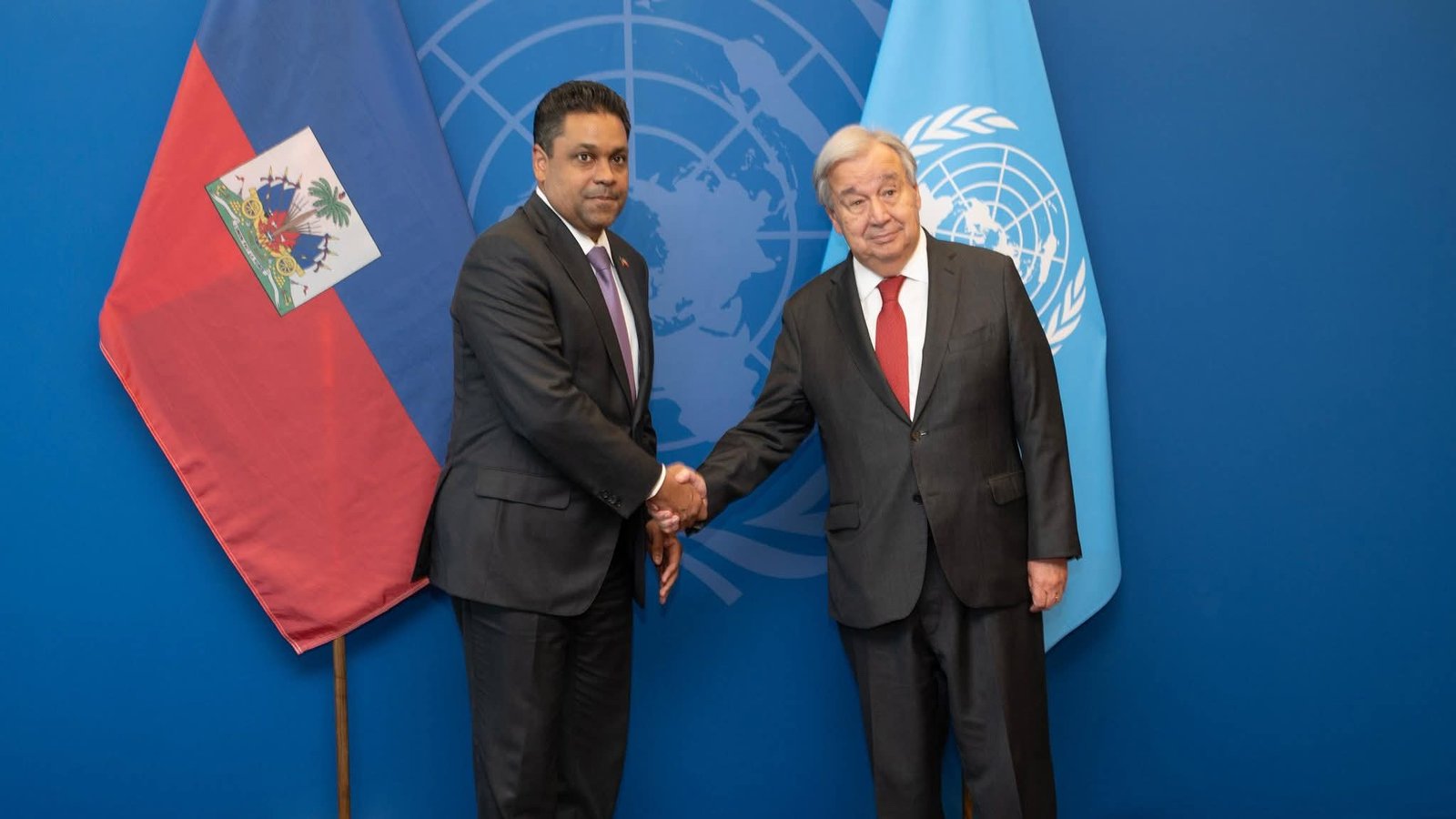
Diplomatic Disaster: How St-Cyr's UN Speech Exposes the Risk of Continued TPC Governance.
A recent UN Speech by St-Cyr has sparked a heated debate about TPC Governance and its potential risks.
The incident has raised concerns about the effectiveness of current governance structures and the potential consequences of continued TPC Governance.
This diplomatic incident has significant implications for global politics and economies, making it essential to analyze the situation and understand its consequences.
In a surprising turn of events, St-Cyr’s UN speech has been labeled a diplomatic misstep by international observers. This incident has raised significant concerns regarding the current state of diplomatic relations and the governance philosophy of the TPC.
The speech was delivered on [Date] during the UN General Assembly. Initial reactions were mixed, with some countries expressing support while others condemned the statements made.
The immediate aftermath saw a flurry of diplomatic engagements, with several countries summoning their ambassadors to express concern. The international community was caught off guard by the unapologetic tone of the speech.
St-Cyr’s address included several contentious points, most notably the criticism of multilateral frameworks and the assertion that certain international agreements were ineffective. These statements were seen as a direct challenge to established diplomatic norms.
The international media reacted swiftly, with major outlets providing extensive coverage of the speech. Headlines highlighted the divisive nature of St-Cyr’s comments, framing the event as a significant diplomatic incident.
The coverage also included analysis from diplomatic experts, who noted the potential long-term implications of such a diplomatic misstep. The incident has sparked a global conversation about the future of international diplomacy and the role of key players like St-Cyr.
St-Cyr’s rise to prominence within the TPC framework has been marked by a series of diplomatic challenges that warrant closer examination. As a key figure in shaping the party’s international relations, St-Cyr’s actions have been under intense scrutiny.
St-Cyr’s ascent within the TPC was initially seen as a positive development, bringing fresh perspectives to the party’s foreign policy approach. However, his tenure has been marked by several high-profile diplomatic incidents.
Several controversies have surrounded St-Cyr’s diplomatic efforts, including:
The G7 Summit Incident highlighted the challenges St-Cyr faces in multilateral settings. His remarks on global economic policies were met with resistance from other member states, leading to a strained atmosphere during the summit.
St-Cyr’s handling of trade negotiations has also been a point of contention. Critics argue that his approach has led to increased tensions with key trading partners, potentially jeopardizing future agreements.
The pattern of diplomatic challenges associated with St-Cyr’s political profile underscores the complexities of navigating international relations within the TPC framework. As the party continues to evolve, understanding these dynamics will be crucial.
The ideological underpinnings of TPC governance play a crucial role in shaping its international relations. At its core, TPC’s governance philosophy is guided by a distinct set of principles that influence its diplomatic engagements.
The TPC’s foreign policy is characterized by a commitment to sovereignty and non-interference. This approach is rooted in the belief that nations should have the freedom to determine their own paths without external influence. The TPC’s foreign policy principles are designed to promote a multipolar world order, where diverse perspectives are valued.
Over time, the TPC’s international relations approach has evolved in response to changing global dynamics. Initially focused on regional security, the TPC has expanded its diplomatic efforts to include economic cooperation and cultural exchange. This shift reflects a broader understanding of the interconnectedness of global challenges.
Internal party dynamics significantly influence the TPC’s diplomatic positions. Factions within the party often hold differing views on how to engage with the international community, leading to a nuanced and sometimes complex foreign policy landscape.
St-Cyr’s recent UN speech has sparked a diplomatic crisis, raising concerns about the implications of continued TPC governance on global relations. The speech has been widely criticized for its breach of diplomatic protocols and norms, which has put a strain on international relationships.
The speech deviated from established diplomatic norms, causing unease among international partners. Such deviations can lead to misunderstandings and escalate tensions, potentially destabilizing global diplomatic efforts.
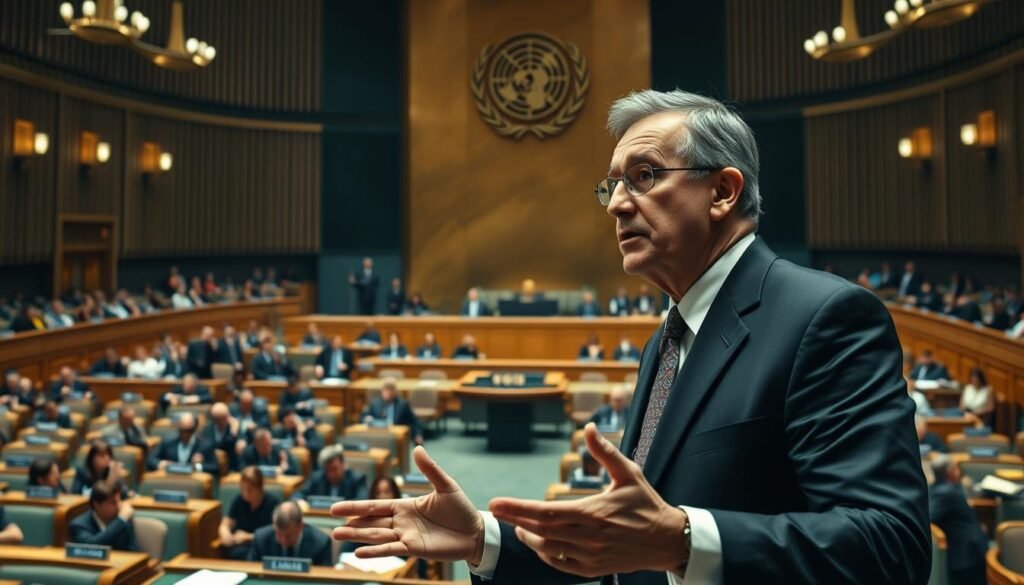
St-Cyr’s address contradicted the established foreign policy principles of TPC governance, creating confusion and concern among allies and partners. This inconsistency has raised questions about the reliability and stability of TPC’s diplomatic stance.
The speech undermined the multilateral frameworks that are crucial for global cooperation. Specifically, it caused damage to UN relationships and strained regional alliances.
The UN, as a key multilateral institution, has been affected by St-Cyr’s remarks. The damage to UN relationships could have long-term implications for global cooperation on critical issues.
Regional alliances have also been strained due to the speech, as partners and allies reevaluate their commitments and strategies in response to the perceived diplomatic missteps.
In conclusion, St-Cyr’s UN speech has exposed the risks associated with continued TPC governance, highlighting the need for a reassessment of diplomatic strategies to prevent further diplomatic disasters.
St-Cyr’s address to the UN sparked a global diplomatic crisis, with far-reaching implications for international relations. The reaction from the global community has been swift and varied, reflecting the complexity of the diplomatic landscape.
The response from key allies has been mixed, with some expressing deep concern over the implications of St-Cyr’s statements, while others have adopted a more measured tone. For instance, the European Union issued a statement calling for calm and restraint, while the United States expressed disappointment.
International organizations have also weighed in on the crisis. The United Nations Secretary-General has issued a statement calling for dialogue and cooperation among nations. Similarly, the G7 has released a joint communique expressing concern over the potential for escalating tensions.
In the aftermath of St-Cyr’s speech, there have been noticeable shifts in diplomatic engagement. Some countries have recalled their ambassadors for consultations, while others have initiated emergency diplomatic talks to address the fallout. The crisis has also led to a surge in diplomatic activity at the UN, with an emergency meeting of the Security Council called to address the situation.
The global reaction to St-Cyr’s UN speech underscores the interconnected nature of modern diplomacy and the potential for a single event to have far-reaching consequences.
St-Cyr’s controversial UN address has triggered a chain reaction, impacting international trade and security. The diplomatic rupture has significant economic implications, affecting various aspects of global trade and cooperation.
The incident has put several trade negotiations at risk. Existing agreements are being reevaluated, and new negotiations are being put on hold. As a result, businesses are facing uncertainty, which can lead to decreased investment and economic growth.
According to experts, “The current diplomatic tension is likely to affect trade flows significantly, potentially leading to a decline in global economic activity.” This sentiment is echoed by various economic analysts who point out that trade negotiations are particularly sensitive to diplomatic relations.
The diplomatic rupture also poses significant challenges to defense cooperation among nations. Collaborative defense initiatives are being reassessed, potentially weakening collective security frameworks.
“The erosion of diplomatic trust directly impacts our ability to cooperate on defense issues, creating vulnerabilities that could be exploited,” stated a senior defense official.
The uncertainty generated by the diplomatic crisis is affecting investor confidence. As a result, there is a noticeable shift in investment patterns, with some investors opting for more stable economies.
The overall security implications of the diplomatic rupture are profound, influencing not just trade but also the broader security landscape. It is crucial for diplomatic channels to be reestablished to mitigate these effects and restore stability.
The UN speech by St-Cyr has triggered a chain reaction in domestic politics, affecting public opinion, opposition party responses, and internal TPC dynamics.
Recent polls indicate a significant shift in public opinion regarding St-Cyr’s UN speech. 42% of respondents support St-Cyr’s stance, while 31% are opposed, and 27% remain undecided. This division reflects the complexity of the issue and its impact on the public.
The opposition party has responded strategically to St-Cyr’s UN speech, calling for a comprehensive review of the TPC’s foreign policy framework. They have also initiated a series of parliamentary inquiries into the matter.
Within the TPC, there are visible fractures and ongoing debates regarding St-Cyr’s speech.
Some TPC members have publicly supported St-Cyr, citing the need for a robust foreign policy. They argue that St-Cyr’s speech was a necessary step in asserting the country’s stance on global issues.
However, there are also critical voices within the TPC, questioning the timing and content of St-Cyr’s speech. They suggest that the speech may have unintended consequences on the country’s international relations.
| Party Response | Support (%) | Oppose (%) | Undecided (%) |
|---|---|---|---|
| TPC Members | 55 | 25 | 20 |
| Opposition Party | 20 | 60 | 20 |
| Public Opinion | 42 | 31 | 27 |
A closer look at historical precedents reveals a pattern of diplomatic failures under the TPC leadership. To understand the implications of St-Cyr’s UN speech, it’s essential to examine the historical context of TPC’s foreign policy decisions.
The TPC’s diplomatic approach has been marked by controversy and missteps, echoing similar incidents under previous administrations. For instance, during the 2008 global financial crisis, the TPC government faced criticism for its handling of international diplomatic efforts.
A comparative analysis with previous administrations reveals that the TPC’s foreign policy has often been characterized by a lack of cohesion and inconsistent messaging. This has led to strained relationships with key allies and partners.
Several recurring themes have emerged in the TPC’s foreign policy missteps, including a tendency towards unilateral decision-making and a disregard for established diplomatic protocols. These themes are evident in the current diplomatic crisis sparked by St-Cyr’s UN speech.
The consequences of similar diplomatic incidents in the past have been severe, resulting in diplomatic isolation and economic repercussions. For example, a notable incident in 2015 led to a significant decline in trade agreements and a loss of international confidence.
By examining these historical precedents, we can better understand the potential long-term effects of the current diplomatic crisis and the need for a reassessment of the TPC’s foreign policy strategy.

As the international community grapples with the aftermath of St-Cyr’s address, alternative diplomatic strategies come into focus. The need for a nuanced approach to diplomacy has never been more pressing.
The opposition party’s foreign policy platforms offer a contrasting view to the current administration’s approach. Their emphasis on multilateral cooperation and diplomatic engagement could potentially ease the current tensions.
As noted by a prominent diplomat, “A shift in diplomatic approach can significantly alter the trajectory of international relations.” This perspective underscores the importance of considering alternative frameworks.
Independent diplomatic experts suggest that a crisis management framework focusing on swift communication and collaborative problem-solving could mitigate the effects of similar incidents in the future.
Examining international best practices reveals that successful crisis management often involves a combination of swift response and collaborative diplomacy.
Effective diplomatic recovery strategies include confidence-building measures and sustained dialogue. These approaches can help restore trust and foster a more cooperative international environment.
By exploring these alternative diplomatic frameworks and strategies, it’s possible to envision a path forward that addresses the current diplomatic crisis and strengthens international relations.
The diplomatic crisis triggered by St-Cyr’s UN speech has significant implications for global relations and stability. As the international community assesses the fallout, it’s clear that a thoughtful and multi-faceted approach is needed to navigate forward.
A key aspect of this approach is understanding the root causes of the diplomatic misstep and addressing them through reforms. This could involve revising diplomatic protocols, enhancing international cooperation, and fostering a more nuanced understanding of global dynamics.
Navigating forward also requires a commitment to rebuilding trust and credibility. This can be achieved through sustained diplomatic engagement, transparent communication, and a willingness to adapt to changing circumstances.
In conclusion, the diplomatic crisis presents an opportunity for growth and reform. By learning from the past and embracing a more collaborative and forward-thinking approach, it’s possible to mitigate the effects of the Diplomatic Crisis and build a more stable and cooperative international environment.
St-Cyr’s UN speech included several controversial statements that deviated from established diplomatic protocols and contradicted the TPC’s core foreign policy principles.
The international community responded with a mix of criticism and concern, with key allies and partners issuing official statements condemning the speech, while international organizations expressed disappointment.
The diplomatic crisis is likely to impact trade negotiations, defense cooperation, and investment, potentially leading to economic instability and reduced confidence in the region.
The TPC’s foreign policy principles and internal party dynamics have played a significant role in shaping St-Cyr’s diplomatic approach, which has been criticized for being inconsistent with established norms and protocols.
Continued TPC governance may lead to further diplomatic incidents, straining relationships with key allies and partners, and potentially undermining multilateral frameworks.
Opposition parties have seized on the diplomatic crisis, using it to criticize the TPC’s governance and call for alternative approaches to foreign policy.
Alternative diplomatic frameworks could include opposition foreign policy platforms, independent expert recommendations, and international best practices, which could provide a more effective approach to managing diplomatic crises.
Diplomatic recovery strategies could involve a combination of crisis management, re-engagement with key partners, and a re-evaluation of foreign policy principles to prevent similar incidents in the future.
The current diplomatic crisis can be understood within the context of previous diplomatic failures under similar leadership, highlighting recurring themes in TPC foreign policy missteps.
The diplomatic crisis has significant domestic political implications, including shifts in public opinion, opposition party responses, and internal TPC debates, which could impact the party’s governance and St-Cyr’s position.