Physical Address
304 North Cardinal St.
Dorchester Center, MA 02124
Physical Address
304 North Cardinal St.
Dorchester Center, MA 02124
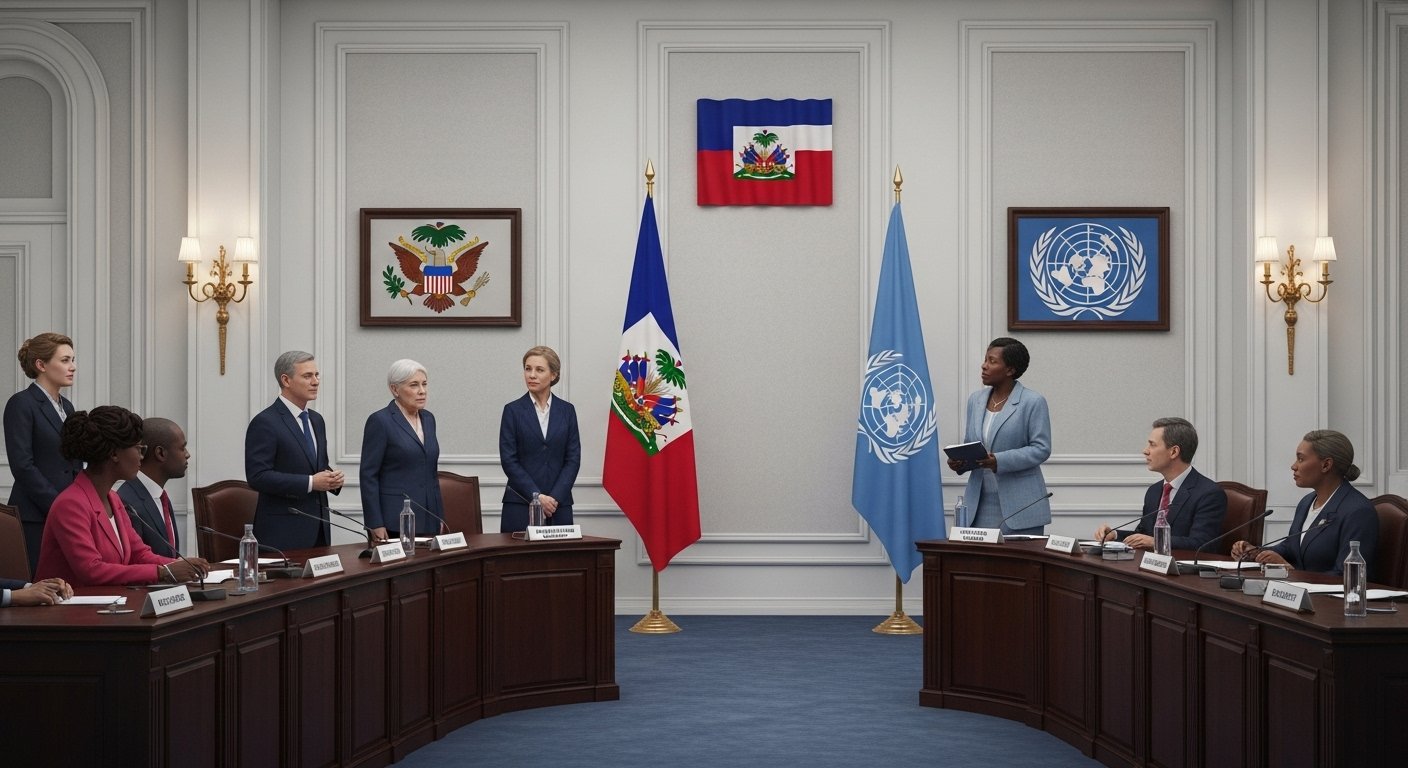
Explore how foreign decision-making threatens Haiti's sovereignty and democracy in this insightful article.
The struggle for Haitian democracy has been a longstanding issue, with foreign decision-making playing a significant role in shaping the country’s fate.
Haiti’s sovereignty is multifaceted, affecting various aspects of Haitian life, from economic policies to political stability.
Understanding the historical context and current challenges is crucial to grasping the complexities of Haiti sovereignty and the path towards genuine self-governance.
Understanding Haiti’s current predicament requires a look into its historical past. Haiti’s journey to becoming an independent nation was fraught with challenges, starting with its colonial history.
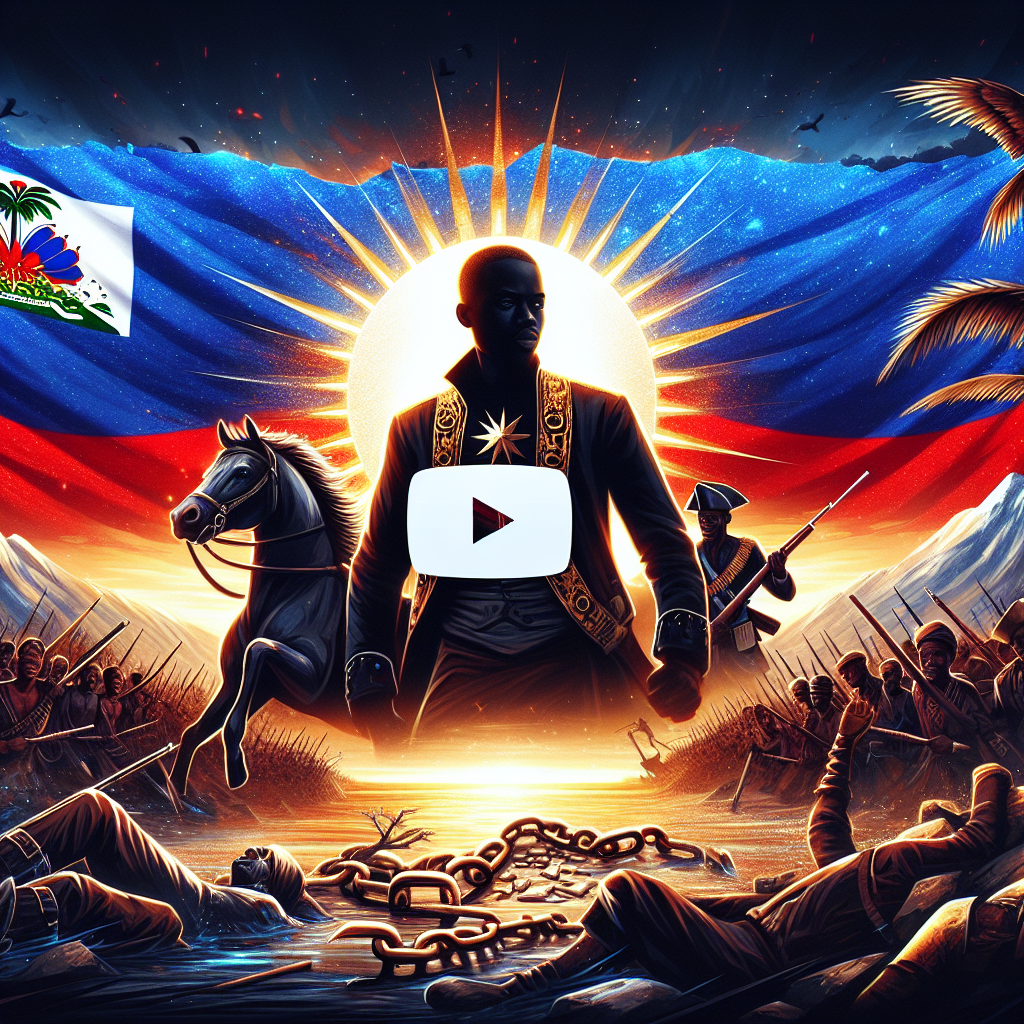
Haiti was a French colony, known as Saint-Domingue, which was one of the most profitable colonies in the world due to its slave-based economy. The Haitian Revolution, which began in 1791, was a successful slave revolt that led to Haiti becoming the first independent black nation in the world in 1804. This revolution was not only significant for Haiti but also had far-reaching implications for the world, challenging the institution of slavery and colonialism.
Despite its independence, Haiti faced continuous foreign intervention. The United States occupied Haiti from 1915 to 1934, which had a lasting impact on Haiti’s political and economic structures. Foreign intervention has often been justified as necessary for stability, but it has frequently undermined Haiti’s sovereignty. A list of some key interventions includes:
After gaining independence, Haiti was forced to pay a hefty indemnity to France, known as the “debt of independence,” which was finally paid off in 1947. This debt, along with subsequent loans and aid conditionalities, has contributed to Haiti’s economic dependency. The long-term consequences of this debt burden have limited Haiti’s ability to develop its own economic policies and have perpetuated its reliance on foreign aid.
The historical context of Haiti’s struggle for self-determination is marked by its transition from colonial rule to independence, followed by a legacy of foreign intervention and a significant debt burden. These factors have cumulatively impacted Haiti’s ability to exercise its sovereignty fully.
The notion of sovereignty in Haiti is complicated by the country’s historical experiences and ongoing challenges. Sovereignty, in the context of a nation, refers to its supreme authority to govern itself without external interference.
Defining National Sovereignty
National sovereignty encompasses several key elements, including the ability of a nation to self-govern, make decisions without external control, and maintain territorial integrity. In Haiti’s case, the struggle for national sovereignty has been a longstanding issue, influenced by its history as the first black republic and its experiences with foreign interventions.
Haiti’s Constitutional Framework
Haiti’s constitution is the foundation of its legal sovereignty, outlining the principles and structures of governance. The most recent constitution, adopted in 1987, emphasizes the importance of sovereignty, democracy, and human rights. However, the implementation of these principles is often challenged by various factors, including political instability and external influences.
The Gap Between Legal Sovereignty and Reality
Despite the constitutional framework that supports Haiti’s legal sovereignty, there is a significant gap between this legal sovereignty and the reality on the ground. External factors, such as foreign aid conditionalities and international interventions, often influence Haiti’s decision-making processes, challenging its ability to fully exercise national sovereignty.
In conclusion, understanding sovereignty in the Haitian context requires a nuanced examination of its historical, legal, and contemporary dimensions. The interplay between national sovereignty, constitutional frameworks, and external influences shapes Haiti’s ability to assert its sovereignty.
Foreign decision-making has become a critical factor in undermining Haiti’s sovereignty. The country’s ability to self-govern is challenged by external influences that shape its political and economic landscape.
External assistance, often provided in the form of aid, is intended to support Haiti’s development and stability. However, this assistance can create dependency and limit the country’s ability to make independent decisions. The paradox lies in the fact that while aid is meant to help, it can also perpetuate a cycle of reliance on foreign entities.
Aid conditionalities attached by foreign donors can significantly influence Haiti’s domestic policies. These conditions often prioritize the interests of the donors over the needs of the Haitian people, leading to decisions that may not be in the best interest of the country. This can result in a loss of control over domestic affairs, further eroding sovereignty.
The presence of foreign decision-making in Haiti’s political landscape can lead to the erosion of democratic processes. When external actors have significant influence over policy decisions, it undermines the role of Haitian citizens in determining their own governance. This can lead to disillusionment with the democratic process and decreased trust in local institutions.
In conclusion, the impact of foreign decision-making on Haiti’s sovereignty is multifaceted. Understanding the dynamics of external assistance, aid conditionalities, and their effects on democratic processes is crucial for addressing the challenges faced by Haiti.
As Haiti navigates its complex security landscape, the role of the Multinational Security Support Mission remains a contentious issue. The presence of this mission has sparked a heated debate among Haitians and international observers alike, with some viewing it as a necessary measure to stabilize the country and others seeing it as an infringement on Haiti’s sovereignty.
The Multinational Security Support Mission was established in response to Haiti’s escalating gang violence and political instability. Its primary objective is to provide security support to the Haitian government, enabling it to maintain order and facilitate the delivery of humanitarian aid.
A critical aspect of the mission is its decision-making structure. Critics argue that the lack of Haitian input in the planning and execution phases undermines the mission’s legitimacy and effectiveness. The extent to which Haitian authorities are involved in decision-making processes will significantly influence the mission’s success.
The security interventions carried out by the mission have significant implications for Haiti’s democratic processes. There is a risk that external security measures could be used to suppress political dissent or undermine democratic institutions.
The Kenya-led component of the Multinational Security Support Mission has been a focal point of both support and criticism. Proponents argue that it brings much-needed security expertise, while detractors raise concerns about the motivations behind Kenya’s involvement and the potential for neo-colonialism.
| Aspect | Kenya-Led Mission | Haitian Government |
|---|---|---|
| Security Expertise | Provides training and operational support | Receives support and guidance |
| Decision-Making | Leads operational planning | Collaboration, but limited control |
“The presence of foreign military forces in Haiti is a double-edged sword; while it may bring short-term security gains, it also risks undermining the country’s long-term democratic development.”
Haiti’s struggle for political autonomy is deeply intertwined with its economic dependency on international financial institutions. The country’s history of foreign intervention has created a complex web of economic and political relationships that impact its sovereignty.
The International Monetary Fund (IMF) and the World Bank have played significant roles in shaping Haiti’s economic policies. Their interventions often come with conditions that affect the country’s ability to make independent economic decisions.
Conditionalities and Their Impact: The IMF and World Bank typically impose structural adjustment programs as conditions for their financial assistance. These programs often require Haiti to implement policies that may not align with its national interests.
Foreign aid to Haiti is often conditional, tied to specific reforms or policies that the recipient country must implement. This can limit Haiti’s ability to set its own policy agenda.
Structural adjustment programs have been particularly controversial. They often involve austerity measures, privatization of state-owned enterprises, and trade liberalization. While intended to stabilize the economy, these measures can have adverse social impacts.
| Policy | Objective | Impact on Haiti |
|---|---|---|
| Austerity Measures | Reduce Budget Deficit | Reduced Public Services |
| Privatization | Increase Efficiency | Loss of State Control |
| Trade Liberalization | Boost Economic Growth | Increased Competition for Local Industries |
The effects of these policies underscore the need for Haiti to have greater control over its economic decision-making processes. By understanding the implications of economic dependency, Haiti can work towards achieving greater political autonomy.
The history of US-Haiti relations is marked by periods of occupation, aid, and policy influence, all of which have contributed to the current political landscape in Haiti.
The United States occupied Haiti from 1915 to 1934, a period that significantly impacted Haiti’s political and economic structures. The occupation led to the establishment of a centralized government and infrastructure development, but it also suppressed Haitian autonomy and cultural identity.
The legacy of this occupation continues to influence US-Haiti relations today.
Current US policy toward Haiti focuses on providing humanitarian aid and supporting democratic governance. However, the effectiveness of this aid is often debated, with some arguing that it perpetuates dependency rather than fostering self-sufficiency.
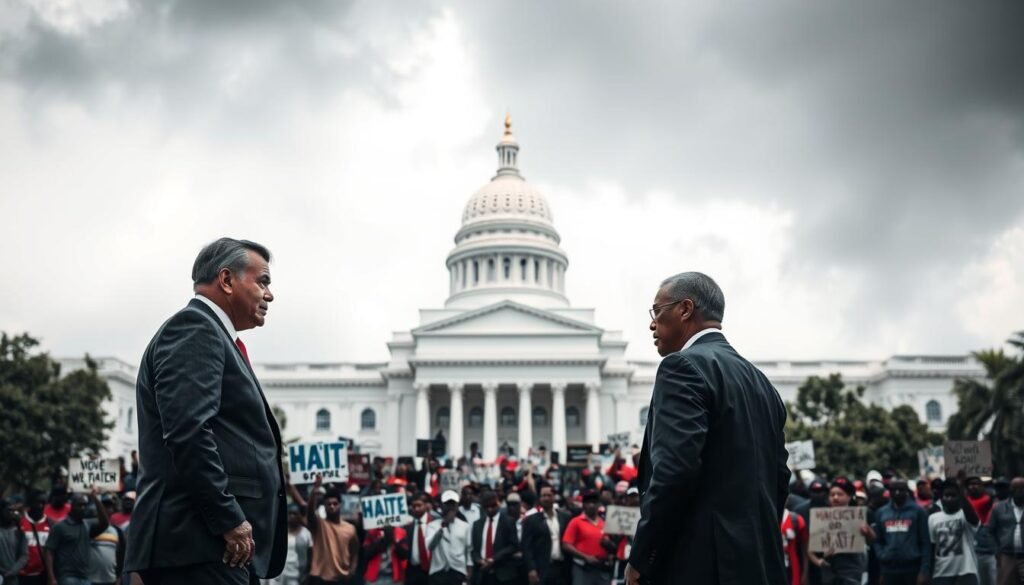
US immigration policies have a significant impact on Haitian nationals, with many seeking refuge or better economic opportunities in the United States. The policies have evolved over time, with recent changes affecting the number of Haitians allowed to enter the country.
The Haitian diaspora in the United States plays a crucial role in shaping US-Haiti relations. Through remittances, advocacy, and cultural exchange, the diaspora community influences both countries’ policies and public opinion.
| Aspect | Historical Impact | Current Influence |
|---|---|---|
| US Occupations | Suppressed autonomy, developed infrastructure | Legacy continues to affect US-Haiti relations |
| US Aid | Provided relief, influenced governance | Debate over effectiveness, dependency concerns |
| Immigration Policies | Affected Haitian migration patterns | Continues to impact Haitian nationals seeking refuge |
| Haitian Diaspora | Influenced cultural exchange, advocacy | Remittances, policy influence, cultural impact |
In Haiti, the role of international organizations in governance is complex, reflecting both positive and negative consequences. The country’s history with international organizations has shaped its governance structures in profound ways.
The United Nations has had a significant presence in Haiti, particularly through peacekeeping missions and humanitarian aid. However, this involvement has not been without controversy. The UN’s legacy in Haiti is marked by both efforts to stabilize the country and criticisms of its handling of various crises, including a cholera outbreak introduced by UN peacekeepers.
“The UN’s role in Haiti has been a double-edged sword, bringing much-needed aid while also creating dependency and, in some cases, exacerbating local issues.”
Regional organizations, such as the Organization of American States (OAS), have also played a role in Haiti’s governance. These bodies have been involved in election monitoring and providing technical assistance to strengthen democratic institutions. However, their influence can sometimes be seen as overreach, affecting Haiti’s sovereignty.
Non-Governmental Organizations (NGOs) have become integral to Haiti’s social and economic landscape. While they provide essential services, the proliferation of NGOs has also led to the creation of parallel governance structures, potentially undermining the state’s authority and capacity.
The challenge for Haiti is to balance the benefits of international support with the need to assert its sovereignty and build robust, sustainable governance structures.
As foreign influence continues to shape Haiti’s political landscape, Haitians are speaking out against it. The voices of Haitian citizens, civil society organizations, and political leaders are crucial in understanding the complexities of foreign intervention.
Civil society organizations in Haiti have been vocal about the need for sovereignty. They argue that foreign aid and intervention often come with conditions that undermine the country’s autonomy. For instance, the Platform of Haitian Organizations for the Defense of Human Rights has been critical of external interference.
Haitian political leaders have varied views on foreign intervention. Some see it as necessary for stability and economic growth, while others view it as a threat to national sovereignty. Former President Jean-Bertrand Aristide was a key figure who often spoke against foreign interference, advocating for Haitian self-determination.
Grassroots movements are at the forefront of the fight for Haitian sovereignty. These movements mobilize communities and raise awareness about the impacts of foreign decision-making.
The “Bwa Kale” movement, which translates to “shaved wood,” is a grassroots initiative that has gained momentum. It symbolizes resistance against foreign domination and advocates for Haitian autonomy. The movement has been instrumental in organizing protests and raising awareness about the need for self-determination.
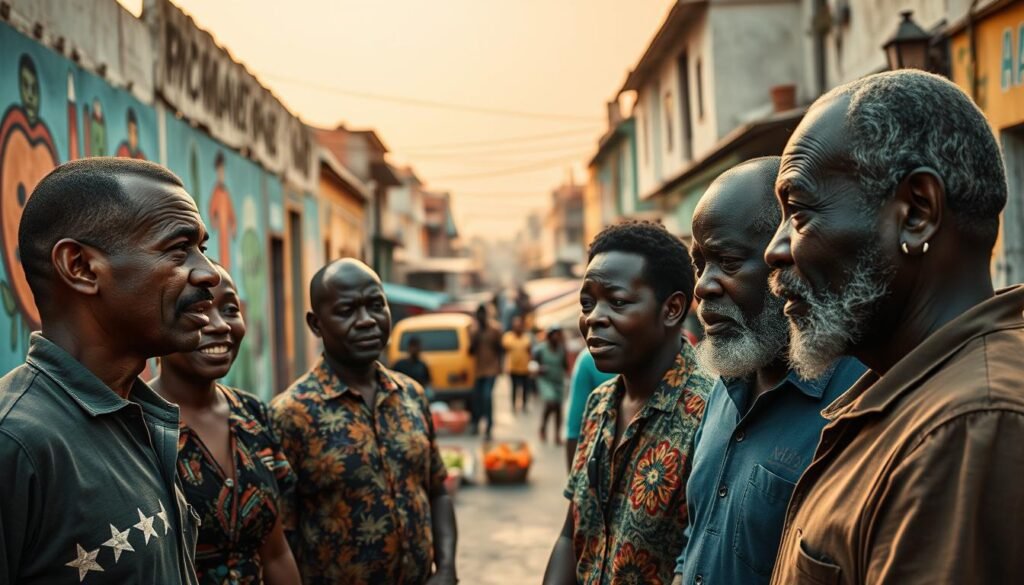
| Stakeholder | Position on Foreign Intervention |
|---|---|
| Civil Society | Against foreign intervention, advocates for sovereignty |
| Political Leaders | Varied views; some for stability, others against |
| Grassroots Movements | Strongly against foreign intervention, promotes self-determination |
Several case studies illustrate how foreign decision-making has threatened Haitian sovereignty. These instances highlight the complex interplay between external influences and Haiti’s internal political dynamics.
The 2010 earthquake that devastated Haiti brought an influx of foreign aid and intervention. While the intention was to provide relief, the reconstruction efforts were marred by foreign decision-making that undermined Haitian ownership of the process.
Key issues included:
The elections following the earthquake were heavily influenced by foreign entities. The process was criticized for being opaque and favoring certain candidates over others.
The impact was significant:
| Aspect | Foreign Influence | Haitian Response |
|---|---|---|
| Election Outcome | Supported specific candidates | Protested the results |
| Electoral Process | Funded and monitored | Criticized for lack of transparency |
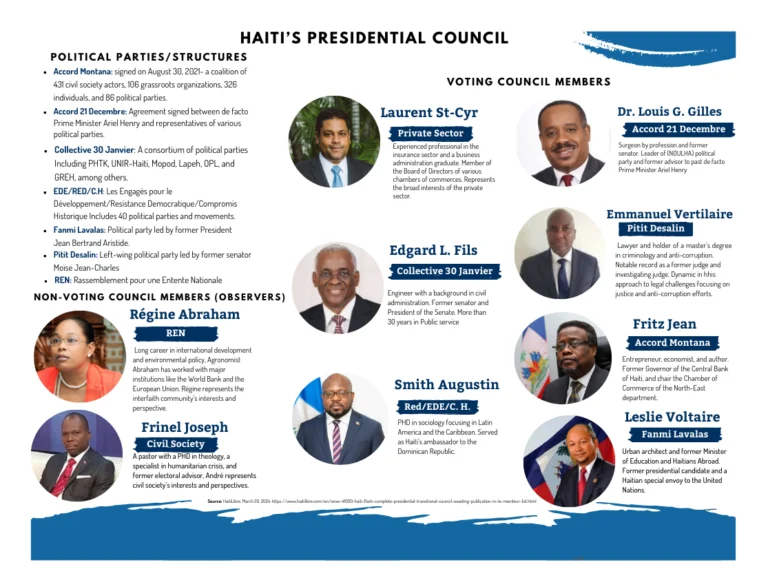
Recent transitional governments in Haiti have also been subject to foreign influence. The formation of these governments often involves international actors.
The Core Group, comprising foreign ambassadors and representatives, plays a significant role in shaping Haiti’s political landscape. Their influence can be seen in the formation and operation of transitional governments.
The case studies demonstrate how foreign decision-making has consistently undermined Haitian democracy. Understanding these dynamics is crucial for promoting genuine sovereignty.
Achieving genuine sovereignty and democratic governance in Haiti requires a multifaceted approach that prioritizes Haitian-led solutions. This involves not only rethinking the role of international aid but also strengthening domestic institutions.
The cornerstone of Haiti’s path to sovereignty is the empowerment of Haitian-led solutions. This means supporting initiatives that are conceived and driven by Haitians, ensuring that development programs align with the country’s needs and aspirations.
Reforming international engagement is crucial. This involves shifting from a paternalistic approach to one that respects Haitian autonomy and fosters collaboration rather than dependency.
Building domestic capacity is essential for Haiti’s long-term stability and sovereignty. This includes investing in education, healthcare, and infrastructure to create a robust foundation for self-sufficiency.
The Montana Accord represents an alternative framework that prioritizes Haitian voices and perspectives. It offers a roadmap for inclusive governance and sustainable development, underscoring the importance of Haitian-led decision-making.
Haiti’s struggle for sovereignty and democratic governance is a complex issue, deeply rooted in its history and influenced by foreign decision-making. The country’s path toward true self-determination requires a nuanced understanding of its past and present challenges.
Throughout this article, we have explored the historical context of Haiti’s struggle, the impact of foreign intervention, and the need for Haitian-led solutions. It is clear that respecting Haiti’s sovereignty is crucial for its democratic governance and self-determination.
The international community must recognize the importance of allowing Haiti to chart its own course, free from undue external influence. By supporting Haitian sovereignty, we can help foster a more stable and democratic future for the country.
Ultimately, Haiti’s right to self-determination is a fundamental principle that must be respected. By acknowledging and addressing the complexities of its past and present, we can work towards a brighter future for Haiti, one that is shaped by its own people and leaders.
The article argues that foreign decision-making threatens Haiti’s sovereignty and democracy, highlighting the historical context, current challenges, and potential pathways to genuine sovereignty.
Foreign intervention has significantly impacted Haiti’s sovereignty, from colonial rule to the present day, with various forms of external influence shaping the country’s governance and decision-making processes.
The IMF and World Bank have implemented policies in Haiti that have contributed to the country’s economic dependency, including structural adjustment programs and foreign aid conditionalities that limit domestic policy space.
The United States has played a significant role in shaping Haiti’s political landscape, including historical US occupations, contemporary US policy toward Haiti, and the impact of US immigration policies on the Haitian diaspora.
The “Bwa Kale” movement represents a grassroots effort in Haiti advocating for sovereignty and self-determination, reflecting broader civil society responses to foreign intervention and the need for Haitian-led solutions.
Potential pathways include Haitian-led solutions, reforming international engagement, building domestic capacity, and alternative frameworks such as the Montana Accord, which aim to promote Haitian sovereignty and democratic governance.
Recent transitional government formations in Haiti have been subject to foreign influence, with external actors playing a significant role in shaping the country’s governance structures and decision-making processes.
The Core Group is a coalition of foreign governments and international organizations that has played a significant role in shaping Haiti’s governance, often with limited Haitian input, contributing to concerns about foreign interference in the country’s democratic processes.