Physical Address
304 North Cardinal St.
Dorchester Center, MA 02124
Physical Address
304 North Cardinal St.
Dorchester Center, MA 02124
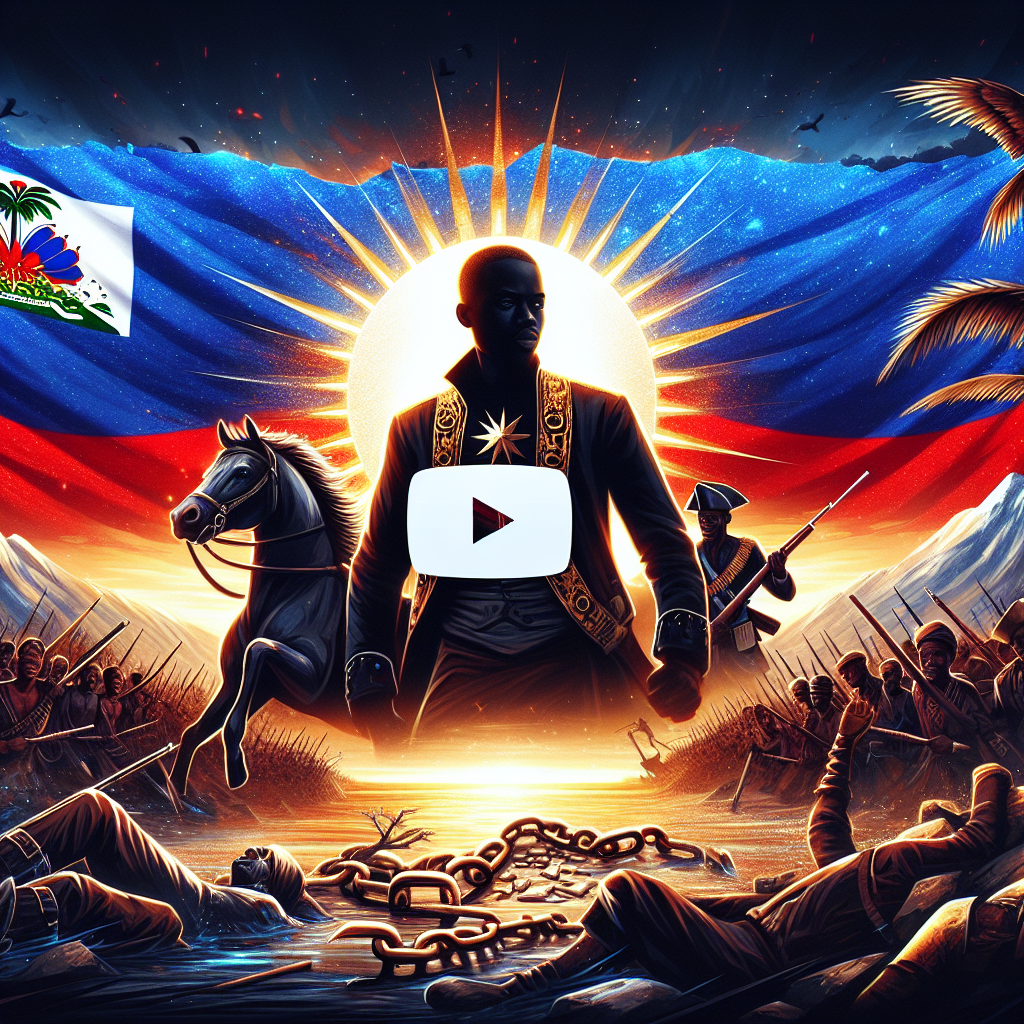

Dive into the crucial revolution of historical truth and decolonize your understanding of Haitian minds.
Understanding Haitian history is crucial for the nation’s development, as it shapes the identity and informs the future of its people. For centuries, the narrative surrounding Haiti’s past has been influenced by colonial perspectives, often distorting the truth and marginalizing the Haitian people’s experiences.
The process of decolonization is about reclaiming and reinterpreting history from the Haitian perspective, highlighting the resilience and strength of the Haitian people. By examining historical truth, Haitians can break free from the legacy of colonialism and forge a more authentic national identity.
The story of Haiti is deeply intertwined with the legacy of colonialism. For centuries, the island has been a focal point of international attention, from its initial inhabitance by the indigenous Taíno people to its current status as a nation still grappling with the aftermath of colonial rule.
European colonizers significantly influenced the narrative of Haitian history. Their accounts often centred on the achievements and challenges faced by European settlers, overshadowing the experiences and contributions of the indigenous and African populations. This Eurocentric perspective has had a lasting impact on how Haitian history is perceived and taught.
The historical narrative of Haiti has often marginalized the contributions of its original inhabitants, the Taíno, and the enslaved Africans brought to the island. The Taíno’s sophisticated societal structures and the Africans’ resistance against slavery are crucial aspects of Haitian history that have been largely overlooked.
The pre-Columbian era is a vital part of Haitian heritage, yet it has been significantly underrepresented in historical accounts. The Taíno people had a rich culture and complex societal organization. A closer examination of this period can provide valuable insights into the island’s early history.
| Aspect | Pre-Columbian Era | Colonial Era |
|---|---|---|
| Cultural Influence | Taíno culture and traditions | European culture imposed |
| Population | Thriving Taíno population | Significant decline due to disease and slavery |
| Economic Systems | Subsistence farming and trade | The plantation economy was based on slavery |
Understanding these historical contexts is crucial for reclaiming and accurately representing Haitian history.
Neocolonialism in Haiti manifested through economic colonization and foreign interventions, impacting its historical memory. Despite achieving independence in 1804, Haiti continued to face various forms of external control that shaped its destiny.
After Haiti gained independence, it was subjected to numerous foreign interventions that significantly influenced its political and economic landscape. These interventions ranged from military occupations to economic coercion.
Economic colonization has played a crucial role in shaping Haiti’s historical narrative. The imposition of foreign economic systems and the exploitation of Haiti’s resources have contributed to a distorted historical memory.
One of the most significant factors in Haiti’s economic colonization was the 1825 French indemnity. France demanded that Haiti pay compensation for the loss of its “property” (enslaved Africans) during the revolution. This debt had a lasting impact on Haiti’s economy and historical memory.
The legacy of neocolonialism continues to affect Haiti’s present, making it essential to understand and address these historical injustices.
Colonial history has profoundly affected the Haitian people, leading to a complex interplay of internalized colonialism and collective trauma. This historical legacy continues to influence contemporary Haitian society in profound ways.
Internalized colonialism refers to the process by which colonized peoples adopt the negative stereotypes and attitudes of their colonizers towards themselves. In Haiti, this has manifested in a preference for European features and cultural practices over indigenous ones. For instance, the historical narrative often glorifies European colonizers while marginalizing the contributions of the Taíno and African populations.
This internalization can lead to a form of self-colonization, where Haitians may unconsciously devalue their own culture and heritage. As a result, there is often a struggle to reconcile the desire for modernity, associated with European influences, with the need to preserve indigenous traditions.
The history of colonization and slavery has left a deep scar on the collective psyche of Haitians. The trauma experienced during the colonial period has been passed down through generations, influencing historical memory and cultural identity. This collective trauma can manifest in various ways, including social cohesion and community dynamics.
The transmission of colonial mindsets from one generation to the next is a complex process involving family, education, and media. Children learn not only the history but also the attitudes and biases of their forebears. For example, educational curricula that prioritize European history over Haitian contributions can perpetuate a colonial worldview.
Breaking this cycle requires a concerted effort to reclaim historical narratives and promote a more inclusive understanding of Haitian identity. By acknowledging and addressing the psychological impact of colonial history, Haitians can begin to heal and forge a more authentic cultural identity.
Decolonization in Haiti is not just a political or economic process, but a deeply personal and collective journey of reclaiming historical truth. This journey involves challenging the dominant narratives that have been imposed on Haitians for centuries, narratives that have often portrayed Haiti as a failed state or a land of voodoo and poverty.
In the Haitian context, decolonization means stripping away the layers of colonialism that have obscured the true history and identity of the Haitian people. It involves recognizing the historical trauma inflicted upon Haitians and understanding how this trauma has shaped their collective identity.
Decolonization is about empowerment, giving Haitians the tools and the narrative to reclaim their history and assert their agency in the world. As Dr. Marlene Daut, a scholar on Haitian history, notes, “The Haitian Revolution was not just a slave revolt; it was a revolution that challenged the very foundations of the modern world.”
Reclaiming historical narratives is crucial for Haitians to understand their past, their identity, and their place in the world. By challenging the dominant colonial narratives, Haitians can begin to see themselves as agents of their own history, rather than mere victims of colonialism.
Moving beyond victimhood to agency is a critical step in the decolonization process. It involves recognizing the historical injustices that have been perpetrated against Haitians but also celebrating their resilience and achievements. As
“The Haitian Revolution was a beacon of hope for freedom and equality, not just for Haitians, but for all people of African descent.”
This shift in narrative empowers Haitians to take control of their historical narrative and assert their agency in the world.
| Key Aspects | Colonial Narrative | Decolonized Narrative |
|---|---|---|
| Historical Identity | Portrayed as savage and uncivilized | Celebrated for resilience and revolutionary spirit |
| Economic Status | Viewed as poor and dependent | Recognized for economic potential and resourcefulness |
| Cultural Practices | Dismissed as primitive or voodoo | Valued as rich cultural heritage and spiritual practices |
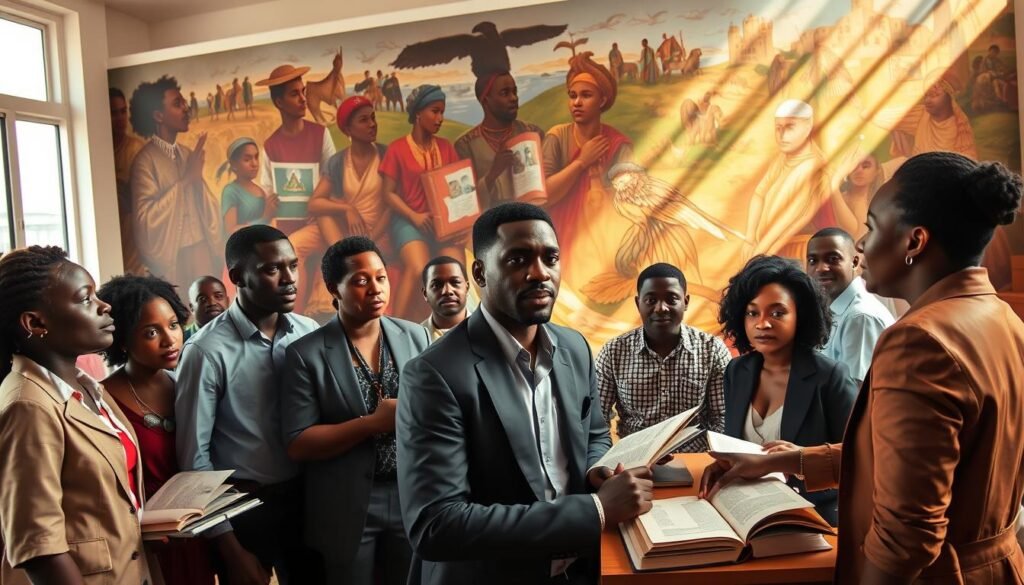
By decolonizing their minds and reclaiming their historical narratives, Haitians can forge a more authentic and empowering identity. This process is not without its challenges, but it is a crucial step towards a more liberated Haitian historical consciousness.
The Haitian Revolution stands as a pivotal moment in history, challenging the conventional narratives imposed by European colonizers. This revolution, which took place from 1791 to 1804, was not just a slave uprising but a complex process that led to the establishment of Haiti as the first independent black nation in the world.
European historians have often portrayed the Haitian Revolution through the lens of their own colonial experiences, overlooking the indigenous and African influences that shaped the revolution. However, a closer examination reveals that the revolution was deeply rooted in the cultural, social, and political contexts of enslaved Africans and the indigenous Taíno people.
The revolution was not merely a reaction to slavery but a proactive struggle for freedom, equality, and self-determination. It involved a complex interplay of various factors, including Vodou spiritual practices, the leadership of figures like Toussaint Louverture and Jean-Jacques Dessalines, and the strategic use of guerrilla warfare.
Toussaint Louverture and Jean-Jacques Dessalines are often cited as key figures in the Haitian Revolution, but their roles have been subject to simplification and misinterpretation. Louverture, with his military genius and diplomatic skills, played a crucial role in the initial stages of the revolution, while Dessalines led the final push for independence, declaring Haiti’s sovereignty on January 1, 1804.
Reframing their narratives involves understanding their actions within the context of their time, recognizing their strategic decisions, and acknowledging their contributions to Haitian identity and nationhood.
The role of women in the Haitian Revolution has been a subject of increasing interest, highlighting their contributions as warriors, leaders, and symbols of resistance. Women like Marie-Jeanne Lamartinière fought bravely alongside men, using their strength and strategic thinking to aid the revolutionary cause.
Recognizing the participation of women warriors not only enriches our understanding of the revolution but also underscores the inclusive nature of the struggle for freedom and independence.
The decolonization of Haitian education is crucial for reclaiming and centring Haitian perspectives. This process involves a fundamental transformation in how history is taught and perceived in Haitian society.
Reforming the curriculum is essential to ensure that it reflects Haitian history and culture accurately. This involves moving away from Eurocentric narratives that have dominated Haitian education for centuries.
By incorporating more Haitian literature, history, and cultural studies, the education system can foster a stronger sense of identity and pride among Haitian students.
The choice of language in education is a critical aspect of decolonization. Promoting Kreyòl as a primary language of instruction can help bridge the gap between the classroom and the community.
“The use of Kreyòl in education is not just a matter of language; it’s about cultural identity and empowerment.”
Community-based initiatives play a vital role in promoting historical education. These programs often focus on oral histories, cultural practices, and local narratives that are not typically covered in formal education.
| Initiative | Focus | Impact |
|---|---|---|
| Oral History Project | Documenting local histories | Preserves cultural heritage |
| Cultural Workshops | Teaching traditional practices | Promotes cultural identity |
| Community Archives | Collecting historical documents | Provides access to historical records |

By integrating these initiatives into the education system, Haiti can take significant steps towards decolonizing its historical narratives and fostering a more inclusive and empowering education system.
Through cultural reclamation, Haitians can rediscover their history and challenge the narratives imposed by colonial powers. This process is crucial for understanding the true essence of Haitian identity and its historical context.
Vodou, often misunderstood and misrepresented, is a significant aspect of Haitian culture that has served as a form of spiritual resistance against colonial and imperial forces. It has played a crucial role in preserving historical memory and cultural heritage.
Haitian literature, art, and music have become powerful tools for decolonization. They provide a platform for expressing the Haitian experience and challenging the dominant narratives that have been imposed.
Oral traditions have been vital in preserving Haitian histories that have not been documented in mainstream historical accounts. Through stories, songs, and proverbs, Haitians have kept alive the memories of their ancestors and the struggles they faced.
| Cultural Element | Role in Decolonization | Examples |
|---|---|---|
| Vodou | Spiritual resistance and historical preservation | Ceremonies, rituals |
| Literature | Challenging dominant narratives | Works by Jacques Roumain, Marie Vieux Chauvet |
| Art and Music | Expressing Haitian identity and resistance | Kompa, Zouk, Haitian contemporary art |
| Oral Traditions | Preserving untold histories | Stories, songs, proverbs |
By embracing these cultural elements, Haitians can continue to reclaim their history and assert their identity on their own terms.
Contemporary challenges to decolonizing Haitian history are multifaceted, involving foreign aid, media representation, and the digital landscape. These challenges complicate efforts to reclaim and accurately represent Haiti’s historical narrative.
The way foreign aid is narrated often perpetuates the notion of Haiti as a “failed state,” reinforcing negative stereotypes about the country’s capabilities and stability. This narrative not only undermines Haiti’s sovereignty but also distracts from the country’s rich history and resilience.
Media representation plays a crucial role in shaping public perceptions of Haiti. Often, media portrayals rely on colonial stereotypes, focusing on poverty, violence, and instability, rather than highlighting the country’s cultural richness and historical significance.
In the digital age, combating digital colonialism is essential for decolonizing Haitian history. This involves challenging the dominance of Western narratives and platforms, and promoting Haitian voices and perspectives online.
| Challenge | Description | Impact |
|---|---|---|
| Foreign Aid Narratives | Portrayal of Haiti as a “failed state.” | Undermines sovereignty, reinforces negative stereotypes |
| Media Representation | Colonial stereotypes in media portrayals | Distorts public perception, overlooks cultural richness |
| Digital Colonialism | Dominance of Western narratives online | Suppresses Haitian voices, perpetuates colonialism |
Addressing these contemporary challenges requires a concerted effort to reclaim and promote Haitian historical narratives, both locally and globally. By challenging foreign aid narratives, improving media representation, and combating digital colonialism, Haiti can move towards a more accurate and empowering historical consciousness.
Decolonizing Haitian history requires a broader understanding of the global context and solidarity with other nations that have faced similar colonial legacies. The struggle to reclaim historical narratives is not unique to Haiti; many formerly colonized countries share similar experiences.
Building global solidarity involves connecting with other nations that have been impacted by colonialism. This connection can foster a deeper understanding of the common challenges faced and the strategies employed to overcome them. For instance, countries like South Africa, India, and the Philippines have also grappled with the legacy of colonialism and can offer valuable insights.
The Haitian diaspora plays a crucial role in reshaping historical narratives. By engaging with their heritage and contributing to global discussions, they help to amplify Haitian voices and perspectives.
Academic partnerships are vital in promoting decolonial scholarship. Collaborations between Haitian and international institutions can lead to research that is more inclusive and representative of Haitian history and culture.
“Decolonizing knowledge is a crucial step towards a more equitable understanding of the world.” –
The journey toward decolonizing Haitian minds is crucial for reclaiming the country’s historical truth. By understanding the colonial legacy and its ongoing impact, Haitians can begin to liberate their historical consciousness.
Decolonization is not just about rewriting history; it’s about reclaiming the narrative and redefining Haitian identity. Education plays a vital role in this process, as reforming the curriculum to center Haitian perspectives can help to counterbalance the dominant European narratives.
Cultural reclamation is also essential, as Vodou, Haitian literature, art, and music serve as powerful tools for preserving historical memory and resisting colonial stereotypes. By connecting with other formerly colonized nations and engaging the Haitian diaspora, the path toward a liberated Haitian historical consciousness can be further supported.
Ultimately, achieving a liberated historical consciousness requires a continued commitment to decolonization and the ongoing reclamation of Haitian history. This journey is vital for empowering Haitians to understand their past, shape their present, and forge their future.
Decolonizing Haitian minds refers to the process of challenging and overcoming the colonial legacy that has shaped the understanding of Haitian history and identity. It involves reclaiming and reinterpreting historical narratives to center Haitian perspectives and experiences.
European colonization has dominated the narrative of Haitian history, leading to the erasure of indigenous Taíno and African contributions. This has resulted in a distorted understanding of Haiti’s past and its people’s identity.
Neocolonialism in Haiti refers to the continued influence of foreign powers over the country’s economy, politics, and culture, even after independence. This has perpetuated a form of colonization that affects Haitian historical memory and identity.
The 1825 French indemnity imposed a significant financial burden on Haiti, forcing the country to pay for the loss of slave owners’ property during the Haitian Revolution. This has had a lasting impact on Haiti’s economy and historical memory.
Reclaiming historical narratives is crucial for decolonizing Haitian minds and promoting a more accurate understanding of Haitian history and identity. It empowers Haitians to take control of their historical narrative and move beyond a victimhood mentality.
Education can be used to decolonize Haitian minds by reforming curricula to center Haitian perspectives, promoting the use of Kreyòl in education, and supporting community-based historical education initiatives.
Vodou is a form of spiritual resistance and historical preservation that has played a significant role in Haitian history and culture. It is an important aspect of Haitian identity and a means of preserving untold histories.
Global solidarity can support the decolonization of Haitian history by connecting with other formerly colonized nations, promoting decolonial scholarship, and supporting the Haitian diaspora in reshaping narratives.
Contemporary challenges to decolonizing Haitian history include foreign aid narratives, the “failed state” discourse, media representation, and digital colonialism, all of which perpetuate colonial stereotypes and distort Haitian history and identity.