Physical Address
304 North Cardinal St.
Dorchester Center, MA 02124
Physical Address
304 North Cardinal St.
Dorchester Center, MA 02124

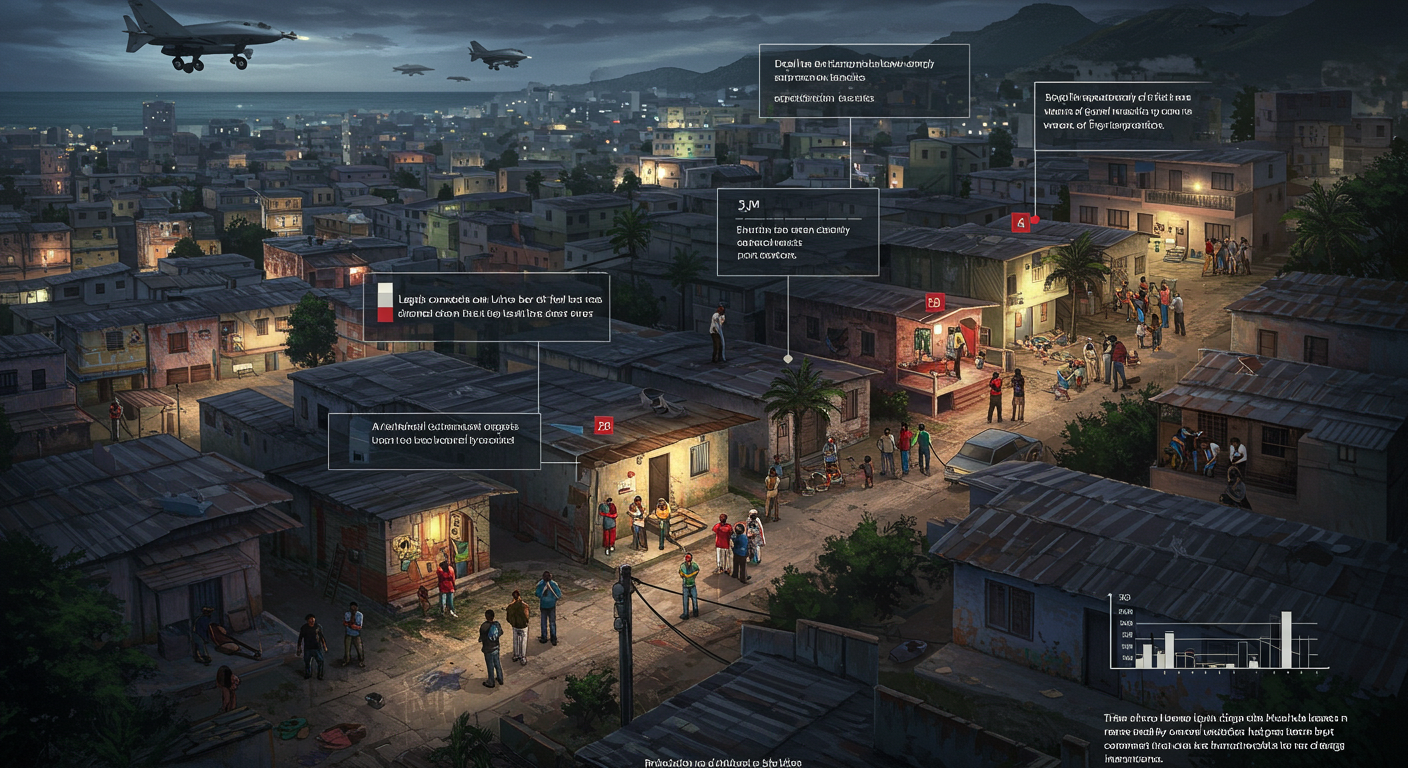
Uncover the civilian cost of drone strikes in Haiti's urban areas and why they may be considered crimes against humanity.
The use of drone strikes has become a contentious issue globally, raising significant humanitarian concerns. In Haiti’s urban areas, the impact of such strikes is particularly devastating, resulting in loss of life and displacement of innocent civilians.
The deployment of drones in densely populated urban areas of Haiti has sparked debates about their legality and morality. Critics argue that these actions constitute crimes against humanity due to the disproportionate harm caused to non-combatants.
A complex web of political instability, gang violence, and foreign interventions has plunged Haiti into a deepening crisis.
Haiti’s political landscape is marked by turmoil, with various factions vying for power. This instability has created a fertile ground for gang violence to flourish.
The conflict involves multiple actors, including political leaders, gang leaders, and external forces. Each plays a significant role in shaping the current crisis.
Gangs have taken control of significant portions of urban areas, including parts of Port-au-Prince. This control allows them to exert influence over the local population and disrupt normal life.
Haiti has a long history of foreign interventions, which have often had mixed results. Understanding this history is crucial to grasping the current situation.
| Year | Type of Intervention | Outcome |
|---|---|---|
| 1915-1934 | US Military Occupation | Mixed; infrastructure development but also resistance and resentment |
| 1994-1996 | US-led Multinational Force | Restored democratic government but faced challenges in stabilizing the country |
| 2004-2017 | UN Peacekeeping Mission | Helped stabilize but faced criticism for its role in a cholera outbreak |
The use of drone warfare in Haiti represents a new dimension in the country’s conflict. Drones are being used for surveillance and combat operations, raising concerns about their impact on civilians.
The introduction of drone warfare has added a layer of complexity to the conflict, with potential implications for civilian safety and the conduct of military operations.
As drone strikes become more common in urban areas, understanding their implications is crucial. The complexity of urban warfare has increased with the integration of drone technology, necessitating a closer look at the types of drones deployed and their tactical applications.
Haiti has seen the deployment of various drone types, including surveillance drones and armed drones. Surveillance drones are used for gathering intelligence, while armed drones are capable of conducting strikes against targets.
In dense urban areas, drones are used for precision targeting. However, the proximity of civilians to potential targets complicates these operations, raising concerns about civilian casualties.
The command structure behind drone strikes involves multiple layers of decision-making. This includes:
Intelligence gathering is a critical component of drone strike operations. This involves using various sources, including satellite imagery and human intelligence, to identify potential targets.
The criteria for selecting targets involve assessing the legitimacy of the target and weighing the potential risks to civilians. This process is crucial in determining the legality and ethical implications of drone strikes.
The deployment of drones in urban Haiti has led to a substantial humanitarian crisis, with far-reaching consequences for local communities. The use of drone strikes in densely populated areas has resulted in significant civilian harm, raising serious questions about their legality under international law.
Reports from various human rights organizations have documented numerous civilian casualties resulting from drone strikes in Haiti’s urban centers. These incidents often involve collateral damage, where non-combatants are killed or injured. For instance, a strike intended to target a high-value target may end up killing or injuring family members or neighbors in the vicinity.
The psychological impact of drone strikes on communities in Haiti cannot be overstated. The constant threat of aerial surveillance and potential strikes creates a climate of fear and anxiety among civilians. This psychological trauma can have long-lasting effects, affecting the mental health and well-being of individuals and communities.
Drone strikes have also resulted in the destruction of civilian infrastructure, including homes, schools, and healthcare facilities. This destruction not only causes immediate harm but also has long-term consequences for the affected communities, exacerbating existing vulnerabilities and hindering recovery efforts.
The use of drone strikes has contributed to a significant displacement crisis, with many individuals and families forced to flee their homes to avoid the violence. This displacement has led to a humanitarian crisis, with affected populations facing challenges in accessing essential services.
Displaced persons often struggle to access basic necessities like healthcare, food, and shelter. The destruction of infrastructure due to drone strikes further complicates relief efforts, leaving vulnerable populations without the support they need.
The long-term social consequences of drone strikes in Haiti’s urban areas are profound. Beyond the immediate harm, these actions can lead to social fragmentation, mistrust in institutions, and a breakdown in community cohesion. Rebuilding and recovery efforts must address these underlying issues to foster sustainable peace and stability.
In conclusion, the civilian cost of drone strikes in Haiti’s urban areas is substantial, with far-reaching consequences for local communities. The documented civilian casualties, psychological impact, destruction of infrastructure, and resulting humanitarian crisis all contribute to the argument that these actions may constitute crimes against humanity.
Understanding the legal framework surrounding crimes against humanity is crucial in assessing the implications of drone strikes in urban Haiti. The definitions and guidelines provided by international law serve as the foundation for determining whether such actions constitute crimes against humanity.
The Rome Statute, which established the International Criminal Court (ICC), provides a comprehensive definition of crimes against humanity. According to Article 7 of the Rome Statute, crimes against humanity include acts such as murder, extermination, and other inhumane acts committed as part of a widespread or systematic attack directed against any civilian population.
The ICC’s definition emphasizes the importance of understanding the scope and context of attacks to determine their classification as crimes against humanity. This involves examining the nature of the acts, the scale of the attacks, and the intent behind them.
For an attack to be considered a crime against humanity, it must be either widespread or systematic. Widespread refers to the large-scale nature of the attack, involving a significant number of victims. Systematic implies a level of organization and planning in the execution of the attack.
Another critical element is the knowledge requirement. Perpetrators must have known or intended that their actions were part of a widespread or systematic attack against a civilian population. This knowledge can be inferred from the circumstances, such as the scale of the atrocities and the involvement of multiple perpetrators.
The civilian population must be the primary target of the attack. This means that the actions cannot be directed solely against military objectives but must instead target civilians or involve indiscriminate attacks that affect civilians disproportionately.
There are several precedents in international law that have shaped the understanding of crimes against humanity. Notable cases include the Nuremberg Trials and the Rwanda Tribunal, which have helped to establish and refine the legal definitions and principles applied today.
The legal framework defining crimes against humanity is complex and multifaceted, involving various elements and considerations. Understanding this framework is essential for assessing the legal implications of actions such as drone strikes in urban areas.
The deployment of drones in Haitian urban areas has resulted in numerous documented incidents, highlighting the need for a thorough examination of their effects. This section presents case studies of drone strikes in urban centers, focusing on the city of Port-au-Prince.
Port-au-Prince, the capital city of Haiti, has been a focal point for drone strikes in recent years. These incidents have been widely documented and have raised concerns about the impact on civilian populations.
Civilian testimony and evidence collected from the ground provide crucial insights into the effects of drone strikes. Survivors and witnesses describe the immediate aftermath of strikes, including damage to infrastructure and loss of life.
“We heard a loud noise, and then saw a massive cloud of dust rising from the site of the strike. Many were injured, and some lost their homes.” – Local resident, Port-au-Prince
Analyzing the pattern of drone strikes is essential to understanding their strategic implications and humanitarian consequences. This involves examining the frequency, timing, and geographic distribution of these strikes.
Data on drone strikes in Port-au-Prince indicate a concerning frequency, with multiple incidents occurring within short timeframes. The timing of these strikes often coincides with periods of heightened activity in the targeted areas.
The geographic distribution of drone strikes across Port-au-Prince reveals a concentration in densely populated neighborhoods. This pattern raises serious concerns about the adherence to international humanitarian law principles, such as distinction and proportionality.
| Location | Date | Casualties |
|---|---|---|
| Delmas | February 2023 | 15 |
| Pétion-Ville | January 2023 | 8 |
| Carrefour | March 2023 | 12 |
The table above summarizes documented drone strikes in various neighborhoods of Port-au-Prince, highlighting the dates and reported casualties.
International humanitarian law provides a critical framework for evaluating the legality of drone strikes in Haiti’s urban centers. This legal framework is designed to protect civilians and prevent unnecessary suffering during armed conflicts.
The principle of distinction is a cornerstone of international humanitarian law, requiring that parties to a conflict distinguish between military targets and civilians or civilian objects. Drone strikes in urban areas complicate this distinction due to the dense population and the potential for collateral damage.
Proportionality is another key principle, mandating that the anticipated military advantage of an attack must outweigh the expected harm to civilians. The use of drones in urban Haiti raises questions about whether this proportionality is maintained, given the risk of civilian casualties.

Parties to a conflict are required to take all feasible precautions to avoid or minimize civilian harm. This includes verifying that targets are military objectives and using precision-guided munitions when available. The effectiveness of these precautions in drone strikes within urban areas is a subject of scrutiny.
When drone strikes fail to adhere to the principles of distinction, proportionality, and precaution, they may constitute violations of international humanitarian law. Such failures can lead to significant legal and moral implications for those responsible for the strikes.
| Legal Principle | Description | Relevance to Drone Strikes |
|---|---|---|
| Principle of Distinction | Distinguishing between military targets and civilians | Critical in urban areas to avoid civilian casualties |
| Proportionality | Ensuring military advantage outweighs civilian harm | Essential for justifying drone strikes in densely populated areas |
| Precautionary Measures | Taking all feasible precautions to minimize civilian harm | Vital for reducing the risk of civilian casualties in drone strikes |
The application of international humanitarian law to drone strikes in Haiti’s urban areas underscores the need for careful consideration of legal obligations. Ensuring compliance with these principles is crucial for minimizing harm to civilians and upholding the law.
As drone strikes continue to affect Haitian communities, the question of who bears responsibility becomes increasingly pressing. The complexity of modern warfare, involving both state and non-state actors, complicates efforts to hold entities accountable.
State actors, including military forces, play a significant role in drone operations. The chain of command within these organizations is crucial in determining accountability. Military commanders are responsible for the actions of their personnel, and thus, they bear a significant portion of the responsibility for drone strikes.
Private military contractors are increasingly involved in drone warfare. Their role raises questions about accountability, as they often operate in a gray area between state and non-state actors. The use of private contractors complicates legal and ethical accountability.
International organizations, tasked with oversight and regulation, sometimes fail to effectively monitor drone strikes. This failure can lead to a lack of accountability, as there are insufficient mechanisms to investigate and prosecute violations.
Prosecution of those responsible for violations related to drone strikes is challenging but not impossible. Legal avenues, including international courts and domestic legal systems, can be utilized to pursue accountability.
“The principle of accountability is fundamental to international law, and its application to drone strikes is essential for upholding human rights.”
Efforts to prosecute must be vigorous and transparent to restore trust in legal institutions.
The path to accountability is fraught with challenges, but it is a necessary step towards justice for victims of drone strikes in Haiti. Ensuring that those responsible are held accountable will require concerted efforts from state actors, international organizations, and legal institutions.
As drone strikes continue to impact Haitian communities, exploring alternative security measures becomes imperative. The traditional methods have shown significant drawbacks, including civilian casualties and infrastructure damage.
One promising avenue is the implementation of community-based security initiatives. These programs focus on building trust between local populations and security forces, thereby reducing the likelihood of violence.
Community-based initiatives involve local leaders in the decision-making process, ensuring that security measures are tailored to the specific needs of each community. This approach has been successful in various contexts, promoting a sense of ownership and cooperation among residents.
Another alternative is targeted law enforcement operations, which aim to address specific security threats without resorting to broad, potentially harmful tactics like drone strikes. This method requires precise intelligence and a deep understanding of the local environment.
Diplomatic efforts and development programs can also play a crucial role in enhancing security. By addressing the root causes of violence, such as poverty and inequality, these initiatives can help create a more stable environment.
International support frameworks are essential for providing the necessary resources and expertise to implement these alternative security approaches effectively. Collaboration between governments, NGOs, and international organizations can facilitate the sharing of best practices and the development of tailored solutions.
| Security Approach | Key Features | Potential Benefits |
|---|---|---|
| Community-Based Initiatives | Local involvement, tailored security measures | Increased trust, reduced violence |
| Targeted Law Enforcement | Precise operations, intelligence-driven | Effective threat mitigation, minimized civilian impact |
| Diplomatic and Development Solutions | Addressing root causes, poverty reduction | Long-term stability, improved living conditions |

The use of drone strikes in Haiti’s urban areas has devastating consequences, constituting crimes against humanity due to the significant civilian cost and humanitarian implications. The evidence presented in this article underscores the urgent need for justice and accountability.
Documented civilian casualties, psychological trauma, and destruction of infrastructure highlight the severity of the issue. It is essential to acknowledge the widespread or systematic attacks on civilian populations, which are prohibited under international law.
To move forward, it is crucial to establish accountability for those responsible, including state actors, military command, and private military contractors. International organizations must also be held accountable for oversight failures.
Alternative approaches to security in Haiti, such as community-based initiatives and targeted law enforcement operations, offer a more viable and humane solution. Ensuring justice and accountability for the victims of drone strikes is a critical step towards achieving lasting peace and stability in the region.
Ultimately, the path forward requires a commitment to upholding human rights and international law, promoting a more just and equitable society.
Crimes against humanity include widespread or systematic attacks against a civilian population, which can encompass drone strikes resulting in significant civilian casualties, destruction of infrastructure, and displacement.
Drone strikes can lead to the destruction of critical infrastructure such as hospitals, schools, and homes, exacerbating the humanitarian crisis and impacting access to essential services.
The International Criminal Court (ICC) investigates and prosecutes individuals responsible for crimes against humanity, war crimes, and genocide, providing a legal framework for accountability.
Key principles include distinction (between combatants and civilians), proportionality (avoiding excessive harm to civilians), and precaution (taking measures to minimize civilian harm).
Support can include providing access to essential services, psychological support, and facilitating community-based security initiatives and diplomatic solutions to address underlying issues.
The Rome Statute provides a legal definition of crimes against humanity, outlining the elements required for an attack to be considered widespread or systematic, and is foundational to ICC prosecutions.
Yes, private military contractors can be held accountable under international law for their involvement in activities that constitute crimes against humanity or war crimes.
Alternatives include community-based security initiatives, targeted law enforcement operations, diplomatic efforts, and development solutions that address the root causes of conflict and insecurity.