Physical Address
304 North Cardinal St.
Dorchester Center, MA 02124
Physical Address
304 North Cardinal St.
Dorchester Center, MA 02124

Discover why Haitians must unite behind patriotic leaders to create positive change.
The future of Haiti depends on the unity of its people behind patriotic leaders who can drive the nation towards progress and stability. In times of turmoil, strong leadership is crucial for navigating challenges and achieving national goals.
Uniting behind a core group of leaders who genuinely care about Haiti’s well-being can foster national unity. This collective action is essential for addressing the country’s pressing issues and building a brighter future.
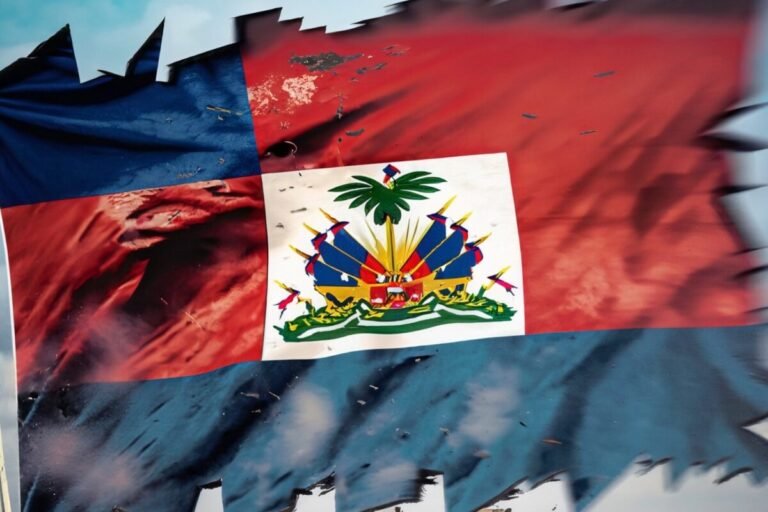
Haiti’s political environment is experiencing a period of heightened tension and division. The country is grappling with a complex web of political, social, and economic challenges that have significant implications for its future.
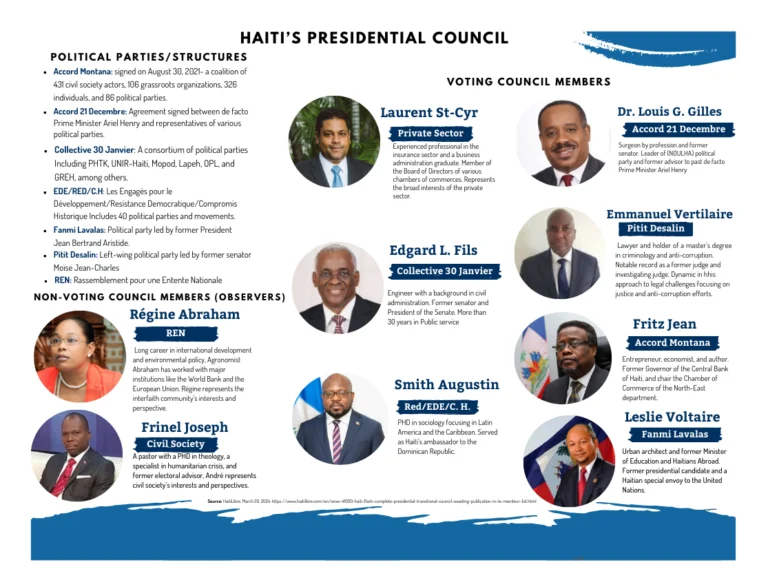
The leadership crisis in Haiti is a pressing concern, with the country struggling to find stable and effective governance. This crisis is characterized by a lack of trust in government institutions and a fragmented political landscape, making it difficult to implement meaningful reforms.
The absence of a unified leadership has led to a vacuum of power, exacerbating the political instability.
The ongoing political crisis has a direct impact on the daily lives of Haitians, affecting access to basic services such as healthcare, education, and security. Economic instability has led to increased poverty and unemployment, further complicating the social fabric.
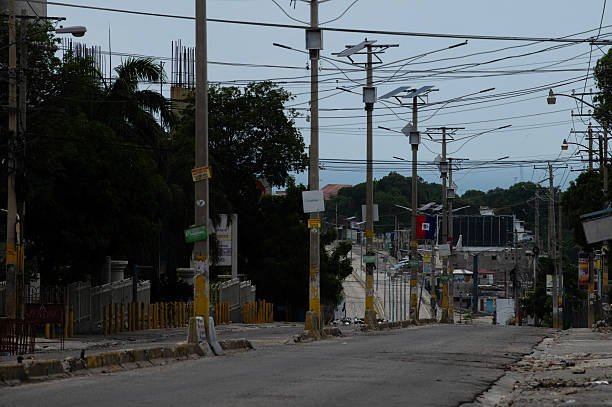
Ordinary Haitians face significant challenges in their daily lives due to the political instability, from navigating roadblocks to dealing with the consequences of gang violence.
There is a growing recognition of the need for political transformation in Haiti. This involves not just a change in leadership but a fundamental shift in how politics is conducted, with a focus on transparency, accountability, and inclusivity.
The urgency for this transformation is driven by the need to address the deep-seated issues that have plagued Haiti for decades, requiring a concerted effort from both the government and the citizenry.
Haiti’s history is marked by periods of both fragmentation and unity, offering valuable lessons for today’s leaders. To understand the current political landscape, it’s essential to examine the historical patterns that have shaped the nation.
Haiti has experienced numerous instances of political fragmentation throughout its history. Divisions along class, regional, and linguistic lines have often hindered the country’s ability to present a united front against external challenges. For example, the struggle between the elite and the masses has been a recurring theme, with the ruling classes often prioritizing their interests over the needs of the broader population.
The impact of such fragmentation is evident in the country’s frequent changes in government and the challenges in implementing long-term policies. By understanding these patterns, Haitians can begin to address the underlying causes of their political divisions.
Despite the prevalence of fragmentation, Haiti has also experienced significant moments of national unity. One notable example is the successful struggle for independence in the early 19th century, where Haitians came together to overthrow colonial rule and establish the world’s first independent black nation. More recently, there have been efforts to unite against common challenges such as natural disasters and economic crises.
These moments demonstrate the potential for collective action and the importance of rallying behind a common cause. By studying these successes, Haitians can identify strategies to foster greater unity in the face of adversity.
The legacy of Haiti’s founding fathers, particularly Toussaint Louverture and Jean-Jacques Dessalines, continues to influence the country’s political landscape. Their commitment to freedom and self-determination set a powerful precedent for future generations. However, their legacies have also been subject to interpretation and sometimes controversy.
Understanding the principles and actions of these leaders can provide valuable insights into the qualities that define effective and patriotic leadership in Haiti. By reflecting on their achievements and challenges, Haitians can better navigate their current political situation.
Political fragmentation in Haiti results in multifaceted challenges that hinder national progress. The country’s inability to unite under a cohesive leadership framework exacerbates various socio-economic and political issues.
The economic consequences of political fragmentation in Haiti are profound. A divided political landscape deters investment, both domestic and foreign, as investors are wary of the instability that comes with political disunity. This has led to stagnated economic growth and a lack of development in critical infrastructure.
| Economic Indicator | Impact of Fragmentation |
|---|---|
| Foreign Investment | Decreased due to perceived instability |
| Economic Growth | Stagnated growth due to a lack of cohesive policy |
| Infrastructure Development | Delayed projects due to political gridlock |
Political fragmentation also leads to social instability and heightened security challenges. When there is a lack of unified political direction, different factions may vie for power, sometimes through violent means, leading to increased crime rates and social unrest.
Key security challenges include: increased gang violence, heightened crime rates, and social unrest.
The international community’s response to Haiti’s political situation is significantly influenced by the country’s level of political unity. A fragmented political environment can lead to difficulties in delivering aid effectively, as international partners may be hesitant to engage with a divided government.
This can result in delayed or reduced aid, further exacerbating Haiti’s developmental challenges.
Haiti’s journey towards stability and prosperity hinges on defining and embracing patriotic leadership. In a country grappling with political fragmentation and socio-economic challenges, understanding what constitutes genuine patriotic leadership is crucial.
At its core, patriotic leadership in Haiti must be grounded in values such as integrity, transparency, and a commitment to the welfare of the Haitian people. Leaders should embody these principles, demonstrating a selfless dedication to the nation’s progress.
A critical aspect of defining patriotic leadership is distinguishing between genuine patriotism and opportunism. True patriots prioritize the nation’s interests over personal gain, whereas opportunists exploit nationalistic sentiments for personal benefit.
Patriotic leaders must embrace the responsibility of service, prioritizing the needs of the nation and its people over personal interests. This selfless approach is fundamental to fostering unity and driving progress.

| Characteristics | Patriotic Leadership | Opportunistic Leadership |
|---|---|---|
| Primary Motivation | Service to the nation | Personal gain |
| Core Values | Integrity, transparency | Self-interest, opportunism |
| Impact on Unity | Fosters national unity | Exacerbates divisions |
By understanding and embracing these principles, Haitians can rally behind leaders who truly embody the spirit of patriotic leadership, paving the way for a more unified and prosperous future.
Haiti’s path to stability and growth requires a collective effort, starting with the selection of patriotic leaders who put the nation’s interests first. This collective action is not just a moral imperative but a practical necessity for achieving sustainable change.
When Haitians come together behind a shared vision and a group of dedicated leaders, they can overcome even the most daunting challenges. Collective action has the power to mobilize resources, inspire hope, and drive meaningful reform. By uniting behind patriotic leaders, Haitians can ensure that their efforts are focused on the greater good rather than individual interests.
Achieving sustainable change requires building a critical mass of support among the population. This involves not just rallying behind a particular leader but creating a broad-based movement that can drive reform from the ground up. By building this critical mass, Haitians can ensure that the changes they implement are lasting and beneficial to the nation as a whole.
There are valuable lessons to be learned from unity movements around the world. From civil rights movements to anti-colonial struggles, history is replete with examples of how collective action can achieve remarkable results. By studying these movements and applying their lessons to the Haitian context, Haitians can accelerate their own journey towards unity and prosperity.
As Haiti navigates its complex political landscape, distinguishing between genuine and self-serving leaders is essential. The country’s future hinges on its ability to identify and support leaders who truly embody patriotism and a commitment to the nation’s well-being.
Genuine patriotic leaders in Haiti exhibit certain key characteristics. They demonstrate a deep understanding of the country’s history, culture, and challenges. They are committed to the welfare of the Haitian people, prioritizing the needs of the nation over personal gain. Such leaders also show a willingness to listen and collaborate with various stakeholders, fostering unity and collective progress.
As Max Weber once said, “The politician is driven by the ‘ethic of responsibility’.” Genuine leaders take responsibility for their actions and decisions, acknowledging the impact they have on the nation.
When evaluating potential leaders, it’s equally important to recognize red flags. Leaders who prioritize personal enrichment, exploit divisive rhetoric, or demonstrate a disregard for the rule of law and human rights are not genuinely patriotic. Consistency between words and actions is a critical indicator of a leader’s authenticity.
“The test of leadership is not to put greatness into humanity, but to elicit it, for the greatness is already there.” – G.K. Chesterton
Resonates here, emphasizing the importance of leaders who bring out the best in people.
A leader’s track record provides valuable insights into their commitment and effectiveness. Genuine patriotic leaders consistently work towards the betterment of Haiti, demonstrating resilience and dedication. Their actions are guided by a long-term vision for the country, rather than short-term gains.
By carefully examining a leader’s history of service, their response to challenges, and their ability to inspire and mobilize the populace, Haitians can make informed decisions about who to support.
Unity among Haitians can be achieved through a combination of grassroots movements, diaspora support, and civil society engagement. By leveraging these diverse strategies, Haitians can work together towards a common goal of national unity.
Grassroots movements are essential for building unity at the local level. By organizing community initiatives and promoting local leadership, Haitians can foster a sense of unity and cooperation. These movements can address specific community needs, such as improving infrastructure or providing social services, thereby demonstrating the tangible benefits of collective action.
The Haitian diaspora represents a significant resource for promoting unity. By engaging with the diaspora community, Haitians can tap into their financial, intellectual, and social capital. Diaspora organizations can support development projects, advocate for Haitian interests abroad, and provide critical support during times of crisis.
Civil society organizations and religious institutions play a vital role in promoting unity. These entities can facilitate dialogue, provide humanitarian aid, and advocate for social justice. By working together, they can help bridge divisions and promote a culture of peace and understanding.
In today’s digital age, digital mobilization is a powerful tool for promoting unity. Social media platforms, online forums, and other digital channels can be used to disseminate information, mobilize support, and foster a sense of community. By leveraging these tools effectively, Haitians can amplify their message and reach a wider audience.
By implementing these unity strategies, Haitians can make significant strides towards achieving national unity. It requires a concerted effort from all segments of society, but the potential rewards are substantial.
Overcoming the obstacles to national unity is crucial for Haiti’s future stability and prosperity. The path to unity is complex, involving the resolution of historical grievances, navigation of social divisions, and mitigation of external interference.

Haiti’s history is marked by significant events that have left deep scars. Addressing these historical grievances is essential for healing and moving forward. This involves acknowledging past injustices and implementing measures to prevent their recurrence.
Haiti is characterized by diverse social, regional, and linguistic groups. Navigating these divisions requires inclusive policies and dialogue. By understanding and respecting these differences, Haitians can work towards a more unified society.
External factors have often played a significant role in Haiti’s political landscape. Countering external interference involves strengthening national institutions and ensuring that international aid is aligned with Haitian needs and priorities.
Citizens play a crucial role in promoting national unity by holding leaders accountable. This can be achieved through active participation in democratic processes, demanding transparency, and supporting leaders who prioritize national interests.
In conclusion, overcoming obstacles to national unity in Haiti requires a multifaceted approach that addresses historical grievances, navigates social divisions, counters external interference, and empowers citizens to hold leaders accountable.
Haiti stands at a critical juncture, where the path forward requires a collective effort to unite behind leaders who embody the values of patriotism and service. The journey to national unity is not without its challenges, but the potential rewards for Haiti’s future are immense.
By choosing to rally behind a core group of patriotic leaders, Haitians can foster an environment conducive to sustainable change and progress. This united path forward is built on the principles of collective action, shared responsibility, and a commitment to the common good.
As Haitians work together towards a brighter future, they can draw inspiration from successful unity movements worldwide. By leveraging the strengths of their diverse population and promoting national unity, Haitians can overcome the obstacles that have hindered their progress.
The future of Haiti is not predetermined; it is shaped by the choices made today. By uniting behind visionary leaders, Haitians can create a more prosperous, stable, and equitable society, securing a better Haiti’s future for generations to come.
The main argument is that Haitians need to unite behind a core group of patriotic leaders to drive the country’s progress and overcome its current challenges.
The consequences include economic stagnation, social instability, security challenges, and ineffective international relations and aid.
Genuine patriotic leaders can be identified by their core values, principles, track records, and consistency, as well as their commitment to service over self-interest.
The diaspora can play a significant role by providing support and influence, helping to mobilize resources and promote the cause of unity.
Strategies include grassroots movements, community organizing, leveraging diaspora support, the role of civil society and religious institutions, and digital mobilization.
Obstacles include historical grievances, social divisions, external interference, and the need to hold leaders accountable.
Citizens can contribute by being informed, holding leaders accountable, and participating in efforts to promote unity and collective action.
Understanding Haiti’s historical context, including patterns of political fragmentation and moments of national unity, is crucial for appreciating the importance of uniting behind patriotic leaders.