Physical Address
304 North Cardinal St.
Dorchester Center, MA 02124
Physical Address
304 North Cardinal St.
Dorchester Center, MA 02124

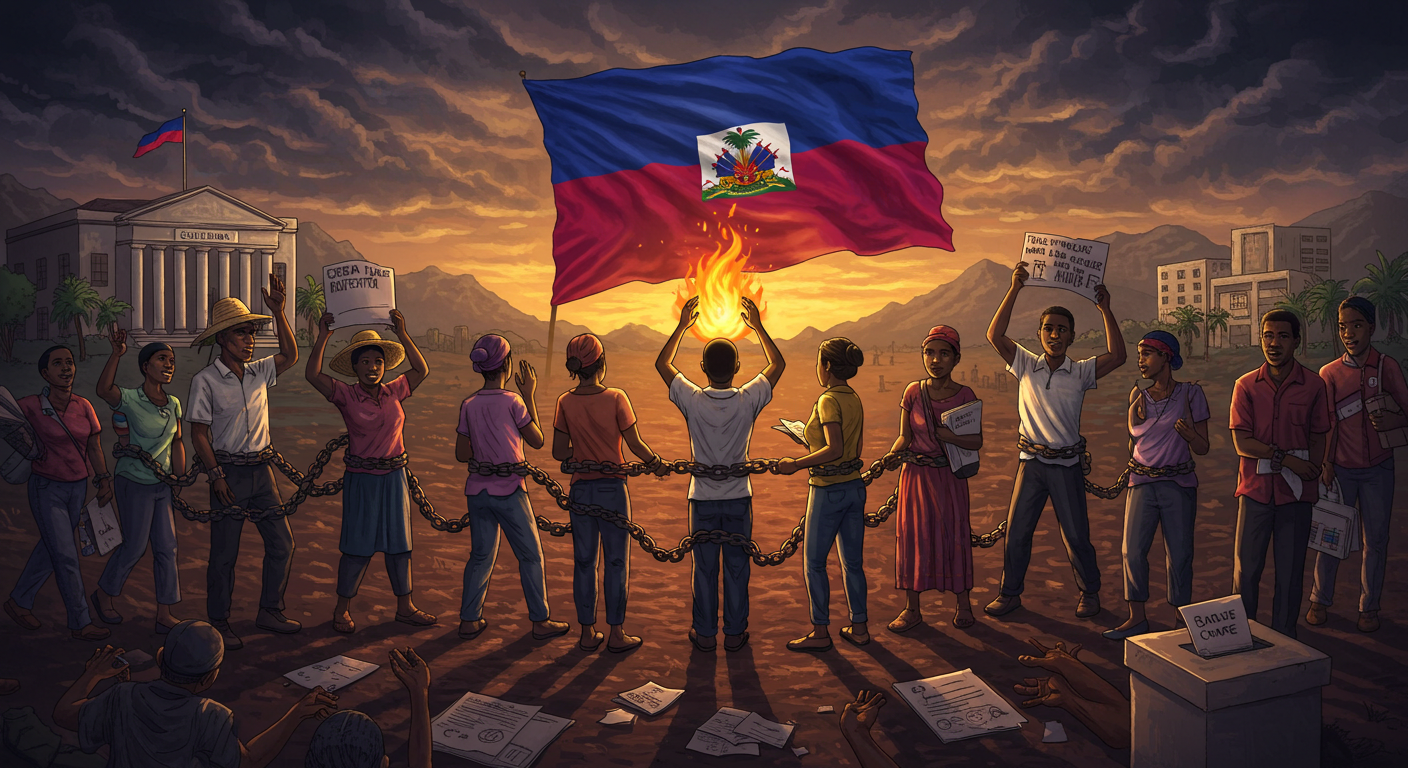
Explore the inspiring story of Haitians taking a stand to reclaim their human rights and build a better future beyond corruption.
The citizens of Haiti have faced numerous challenges in their pursuit of human rights. Corruption has been a significant obstacle, hindering their efforts to achieve a better life.
The struggle is real, but so is the resilience of the Haitian people. They continue to fight for their rights, seeking to reclaim their dignity and justice.
This article will explore the complexities of corruption in Haiti and the efforts being made to address it, ultimately aiming to reclaim human rights for its citizens.
In modern Haiti, the human rights crisis is a pressing issue, with far-reaching consequences for its people. The situation is complex, involving various aspects of daily life.
Haitian citizens face numerous human rights violations daily. These include issues related to physical security and police brutality, as well as challenges in accessing basic services.
Physical security is a significant concern, with instances of police brutality being reported. This has led to a climate of fear among the population.
Access to basic services such as healthcare and education is also limited, further exacerbating the crisis.
Certain populations are more vulnerable to these violations, including women, children, and rural communities.
Women and children are disproportionately affected by the human rights crisis, facing specific challenges such as gender-based violence.
Rural communities also face unique challenges, including limited access to services and increased vulnerability to violence.
| Vulnerable Group | Challenges Faced |
|---|---|
| Women and Children | Gender-based violence, limited access to education |
| Rural Communities | Limited access to healthcare, increased vulnerability to violence |
Understanding the roots of corruption in Haiti requires examining both historical and contemporary factors. The country’s complex history has significantly contributed to its current state of corruption.
Haiti’s history is marked by exploitation, starting with colonial exploitation under French rule. This period laid the groundwork for systemic corruption.
The French colonial era was characterized by brutal suppression and economic exploitation, creating a legacy that continues to affect Haiti’s development.
After gaining independence, Haiti experienced a series of power struggles and dictatorial regimes, further entrenching corruption.
“The Haitian Revolution, while a significant historical event, was followed by a period of isolation and economic strangulation by the international community, which had lasting impacts on Haiti’s economic and political stability.”
In recent years, Haiti has faced numerous political crises, including presidential scandals and institutional weaknesses.
Political instability has been a recurring issue, with various administrations facing allegations of corruption and mismanagement.
The lack of strong, independent institutions has hindered efforts to combat corruption and ensure accountability.
| Factor | Impact on Corruption |
|---|---|
| Colonial Legacy | Established exploitative practices |
| Post-Independence Governance | Power struggles and dictatorships |
| Modern Political Crises | Increased instability and corruption |
The combination of historical and modern factors has created a complex web of corruption in Haiti. Addressing this issue requires a comprehensive approach that includes strengthening institutions and promoting transparency.
In Haiti, corruption systematically denies citizens their rights, perpetuating inequality and injustice. This denial of rights is not just a matter of governance; it has real, tangible effects on the daily lives of Haitian citizens.
Corruption diverts resources away from essential public services, impacting the most vulnerable populations. This economic mismanagement has two major consequences:
Public funds allocated for critical infrastructure and social services are often siphoned off for personal gain, leaving citizens without access to basic necessities.
The diversion of funds results in unequal access to resources, where those with power and connections have greater access to services and opportunities.
The justice system in Haiti is often manipulated to favor those with power and influence, creating a system where the powerful are above the law.
This manipulation leads to impunity for the powerful, who can commit crimes and violate rights without facing consequences.
Ordinary citizens face significant barriers when seeking legal recourse, including corruption within the judicial system and lack of access to legal representation.
| Impact of Corruption | Consequences for Citizens |
|---|---|
| Diverted Public Funds | Lack of access to basic services |
| Unequal Access to Resources | Increased inequality |
| Impunity for the Powerful | Lack of trust in the justice system |
| Barriers to Legal Recourse | Inability to seek justice |
Haiti’s journey towards reclaiming human rights is intricately linked with its ability to establish a transparent and accountable governance system. This involves not just reforming existing structures but creating a new paradigm where human rights are at the forefront of all governance decisions.
A rights-based governance model in Haiti must be founded on two key pillars: transparency and citizen participation. Transparency is crucial as it ensures that government actions are open to scrutiny, reducing the opportunities for corruption.
Implementing transparency involves making government data and decision-making processes accessible to the public. This can be achieved through open data initiatives and citizen engagement platforms.
Citizen participation is equally important, as it allows citizens to have a say in the decisions that affect their lives. Models such as participatory budgeting and community assemblies can empower citizens and make governance more inclusive.
Rebuilding the social contract between the government and citizens is essential for a corruption-free Haiti. This involves clarifying rights and responsibilities on both sides and implementing trust-building initiatives.
Citizens have the right to access basic services such as healthcare and education, while the government has the responsibility to provide these services. Conversely, citizens have the responsibility to participate in the democratic process, and the government must ensure that this participation is facilitated.
Trust can be built through initiatives such as community policing and citizen-led oversight committees. These initiatives help to create a sense of mutual respect and understanding between the government and its citizens.
| Governance Aspect | Current Status | Proposed Improvement |
|---|---|---|
| Transparency | Limited access to government data | Open data initiatives |
| Citizen Participation | Limited citizen engagement | Participatory budgeting |
| Trust-Building | Lack of trust in government | Community policing |
Haitian-led movements are at the forefront of driving change and reclaiming human rights in Haiti. These initiatives are crucial in addressing the systemic issues that have long plagued the country.
Community organizations play a vital role in advocating for human rights in Haiti. They work at the grassroots level to address the needs of local populations.
Rural cooperatives are empowering local communities by providing them with the tools and resources needed to advocate for their rights.
Urban neighborhood associations are also making significant impacts by organizing community members and pushing for change in their areas.
The leadership roles played by youth and women in Haitian-led movements are particularly noteworthy. Their involvement brings fresh perspectives and energy to the fight for human rights.
Student anti-corruption networks are actively working to expose and challenge corrupt practices within educational institutions and beyond.
Women’s rights coalitions are advocating for gender equality and pushing for policies that protect and empower women.
The collective efforts of these Haitian-led movements are bringing about significant change. The table below highlights some of the key initiatives and their impacts.
| Initiative | Focus Area | Impact |
|---|---|---|
| Rural Cooperatives | Agricultural Development | Empowering rural communities |
| Urban Neighborhood Associations | Community Organizing | Improving urban living conditions |
| Student Anti-Corruption Networks | Education and Transparency | Reducing corruption in education |
| Women’s Rights Coalitions | Gender Equality | Advancing women’s rights |
To safeguard citizens’ rights, Haiti must undertake significant systemic reforms. The primary focus areas include improving the legal framework and building independent institutions.
A robust legal framework is essential for protecting human rights. This involves enacting and enforcing anti-corruption legislation to prevent the misuse of power and ensure accountability.
Effective anti-corruption laws can help deter corrupt practices by imposing strict penalties on offenders. For instance, laws that mandate transparency in government contracting and financial transactions can significantly reduce corruption.
Strengthening human rights protections within the legal framework is equally important. This includes laws that safeguard freedom of speech, assembly, and the press, ensuring that citizens can express themselves without fear of retribution.
Independent institutions are the backbone of a functioning democracy. They ensure that power is distributed evenly and that no single entity can dominate the political landscape.
Reforming the judicial system is critical for ensuring that justice is served impartially. This involves training judges and legal professionals in human rights law and ensuring that the judiciary is free from political influence.
Establishing robust oversight bodies can help monitor government actions and prevent abuses of power. These bodies can investigate allegations of corruption and human rights violations, holding perpetrators accountable.

Empowering citizens through knowledge is a crucial step in reclaiming human rights in Haiti. By educating citizens about their rights and the mechanisms available to protect them, Haiti can foster a culture of awareness and activism.
Rights education is fundamental to empowering Haitian citizens. Initiatives aimed at educating the public about their rights include:
Integrating human rights education into school curricula helps young people understand their rights and responsibilities.
Community workshops provide a platform for adults to learn about their rights and how to advocate for them.
Civic engagement is critical for a healthy democracy. Training programs focus on:
Participatory budgeting allows citizens to have a say in how municipal budgets are spent, promoting transparency and accountability.
Citizen monitoring groups oversee government activities, ensuring that they align with the public’s best interests.
As Nelson Mandela once said, “The education of a person is not complete until they are educated on how to stand up for their rights.” By empowering citizens through knowledge, Haiti can take significant strides towards a more just and equitable society.
Global partnerships play a crucial role in supporting Haiti’s journey towards reclaiming human rights. These collaborations are multifaceted, involving international organizations, the Haitian diaspora, and other stakeholders.
International organizations have been adapting their strategies to better support Haiti’s human rights landscape. This evolution is marked by a more nuanced understanding of the local context and a commitment to sustainable, community-driven initiatives.
The United Nations has been instrumental in promoting human rights in Haiti through various mechanisms, including:
Regional cooperation is also vital, with organizations like the Organization of American States (OAS) playing a significant role in promoting human rights and democratic governance in Haiti.
The Haitian diaspora is increasingly recognized as a powerful force in advocating for human rights in their homeland. Their contributions are multifaceted, ranging from financial support to advocacy and technical expertise.
Diaspora communities are funding grassroots initiatives that are directly impacting communities on the ground, providing essential resources for human rights projects.
Moreover, the diaspora is facilitating the transfer of knowledge and skills, helping to build capacity within Haitian organizations and communities.
In Haiti, the intersection of technology and human rights is creating new pathways for citizens to reclaim their rights. The country’s human rights landscape is being transformed through various digital tools and innovative approaches.
Digital tools are being utilized to combat corruption in Haiti. Transparency platforms are being developed to increase government accountability, while blockchain technology is being explored for its potential to ensure the integrity of government transactions.
These platforms provide citizens with access to information about government activities, enabling them to hold officials accountable.
Blockchain technology offers a secure and transparent way to record transactions, reducing the risk of corruption.
Citizen journalism and social media activism are playing crucial roles in documenting human rights abuses and building solidarity networks. By leveraging social media, citizens can raise awareness about rights violations and mobilize support.
Citizen journalists are using digital tools to document and expose human rights abuses, providing evidence that can be used to hold perpetrators accountable.
Social media platforms are being used to build networks of solidarity, connecting individuals and organizations working towards the protection of human rights in Haiti.

In Haiti, communities are standing up against corruption, reclaiming their rights and paving the way for a brighter future. This resurgence of civic engagement and determination is yielding tangible results, inspiring hope and further action.
Communities across Haiti are achieving significant local victories against corruption, enhancing the quality of life for their citizens. Initiatives range from improving access to clean water to advocating for better education.
Organizations have launched successful clean water initiatives, ensuring that communities have access to this fundamental resource. For example, a local non-profit worked with community members to build a water filtration system, providing clean drinking water for over 500 families.
Education access campaigns have been instrumental in increasing enrollment rates and reducing dropout rates. These campaigns often involve community-led awareness programs, advocating for the importance of education and working with local authorities to improve school infrastructure.
Alongside these local victories, Haitian communities are also pioneering sustainable rights-based development models. These models focus on empowering citizens economically and enhancing community security.
Economic empowerment projects have been crucial in helping communities break the cycle of poverty. By providing vocational training and microfinance opportunities, these projects enable individuals to start their own businesses, fostering economic resilience.
“Empowering women through economic opportunities is key to building a more equitable society.” – Marie-Louise Cissé, Human Rights Advocate
Community-led security solutions have also been effective, with local groups working together to establish neighborhood watches and collaborate with law enforcement to improve safety.
These success stories underscore the power of community action and the potential for sustainable development in Haiti. As communities continue to reclaim their rights, they pave the way for a more just and equitable society.
Despite the progress made in reclaiming human rights in Haiti, several persistent challenges remain. These challenges are multifaceted and deeply ingrained in the country’s social and political fabric.
The structural obstacles in Haiti are significant. They include:
External pressures and internal resistance also pose significant challenges. These include:
Addressing these challenges will require a concerted effort from both within Haiti and from the international community. It is crucial to understand these obstacles to devise effective strategies for overcoming them.
Haiti’s journey toward reclaiming human rights is a complex and ongoing process. Despite the pervasive corruption that has historically undermined citizens’ rights, there are signs of progress and hope for a better future.
Efforts by Haitian-led movements, community organizations, and international partnerships are crucial in combating corruption and promoting human rights. By empowering citizens through knowledge and civic engagement, Haiti can rebuild its social contract and ensure that all citizens enjoy their fundamental rights.
As Haiti continues on this path, it is essential to acknowledge the persistent challenges that remain, including structural obstacles and external pressures. Nevertheless, the resilience and determination of the Haitian people offer a promising outlook for Haiti’s human rights future.
Reclaiming rights and combating corruption are intertwined goals that require sustained commitment and cooperation. With continued progress, Haiti can create a brighter future where human rights are respected and protected, ultimately leading to a more just and equitable society.
Haitian citizens face various human rights issues, including physical security concerns, police brutality, and limited access to basic services like healthcare and education.
Corruption in Haiti directly impacts citizens’ rights by diverting public funds, leading to unequal access to resources, and manipulating the justice system to favor the powerful, creating barriers to legal recourse.
Efforts to combat corruption include improving transparency, promoting citizen participation in governance, and rebuilding the social contract between the government and its citizens, with a focus on rights, responsibilities, and trust-building initiatives.
Haitian-led movements, including community organizations and advocacy groups, are crucial in driving change by promoting human rights, fighting corruption, and empowering citizens through education and civic engagement.
Global partnerships can support Haiti’s human rights journey by providing funding for grassroots initiatives, transferring knowledge and skills, and promoting cooperation between international organizations and local groups.
Technology plays a vital role in protecting human rights in Haiti by providing digital tools to fight corruption, such as transparency platforms and blockchain technology, and enabling citizen journalism and social media activism to document abuses and build solidarity networks.
Communities in Haiti have achieved successes in reclaiming their rights through initiatives like clean water projects, education access campaigns, economic empowerment projects, and community-led security solutions.
Despite progress, challenges persist, including structural obstacles like entrenched power networks and resource limitations, as well as external pressures and internal resistance, such as geopolitical complications and the influence of criminal enterprises.