Physical Address
304 North Cardinal St.
Dorchester Center, MA 02124
Physical Address
304 North Cardinal St.
Dorchester Center, MA 02124

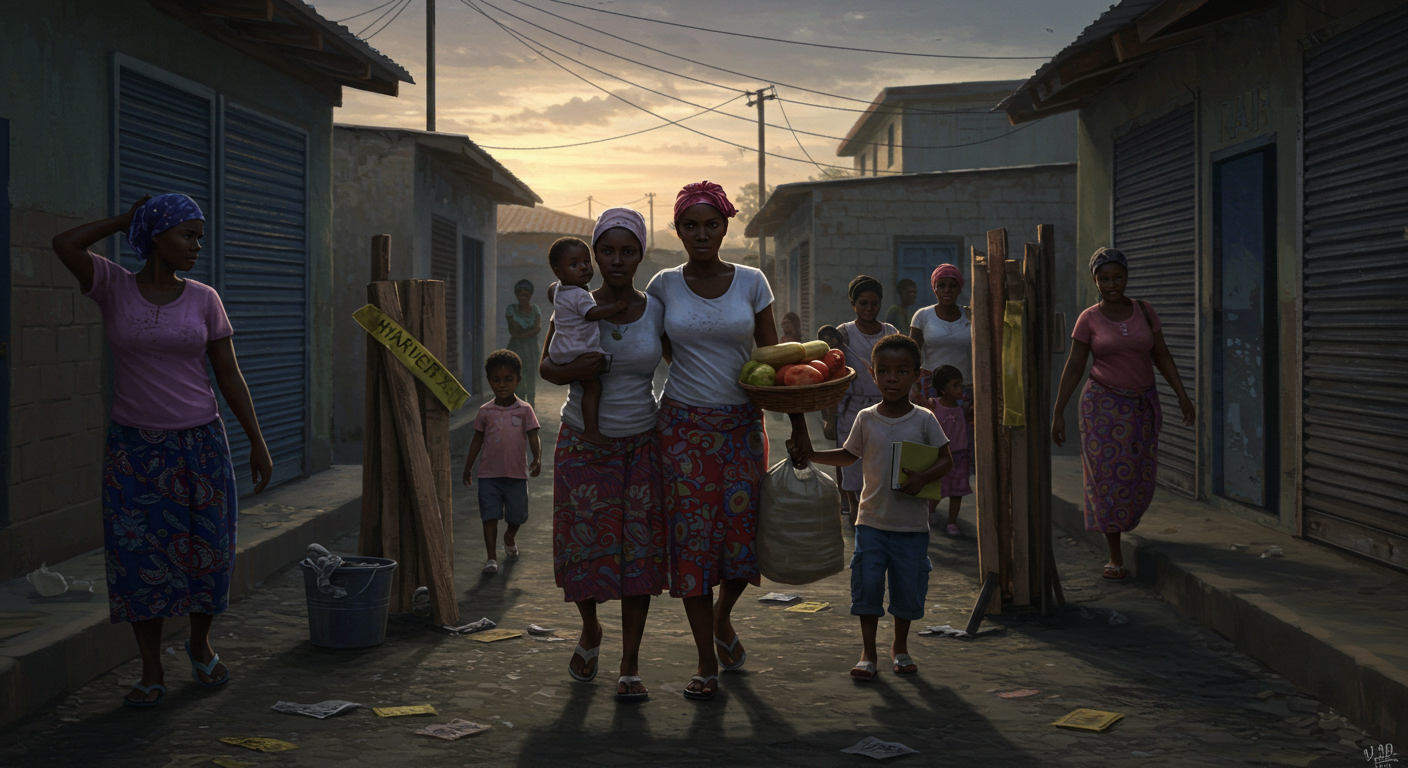
Explore the heavy burden faced by women and children in Haiti's shadow of insecurity.
In Haiti, a country plagued by insecurity, the most vulnerable populations are suffering the most. The ongoing crisis has led to a significant increase in the struggles faced by women and children, who are bearing the brunt of the burden.
The situation is dire, with insecurity affecting every aspect of life. Women and children are facing extreme hardship, from lack of access to basic necessities to increased exposure to violence.
Amidst escalating gang violence and political instability, Haiti stands at the edge of an abyss. The situation on the ground is dire, with various factors contributing to the deepening crisis.
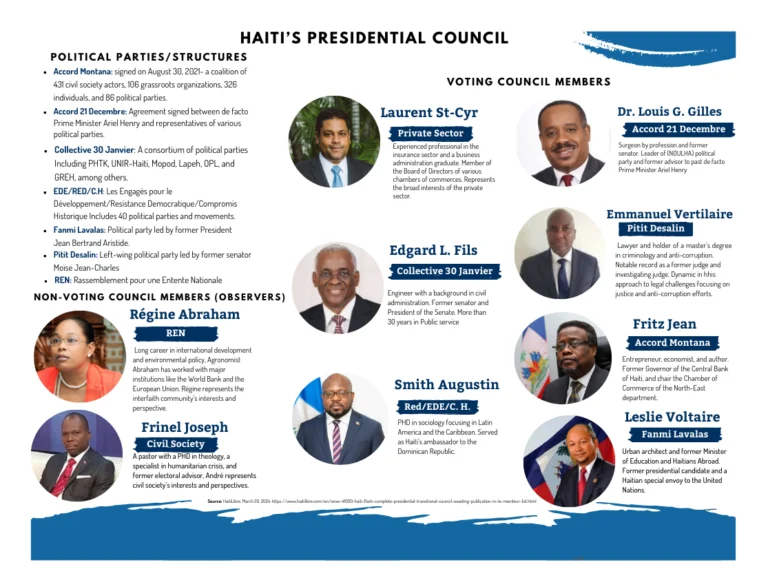
The political landscape in Haiti is marked by significant instability. This is largely due to the power vacuum created after the presidential assassination, which has left the country without a clear leadership structure.
The assassination of President Jovenel Moïse in July 2021 sent shockwaves through Haiti, creating a power vacuum that has been challenging to fill. This event has exacerbated the political instability, as various factions vie for control.
Haiti’s state institutions are severely weakened, lacking the capacity to effectively govern or provide basic services to the population. This weakening of institutions has contributed to the overall sense of insecurity.
Gang violence has become a pervasive issue in Haiti, with armed groups controlling significant portions of territory and resources. This has a devastating impact on the civilian population.
Gangs have taken control of large areas, including key infrastructure and resources. This control allows them to exert significant influence over the population and the economy.
The civilian population is caught in the crossfire, facing extortion, kidnapping, and violence at the hands of gangs. This has led to a humanitarian crisis, with many displaced and in need of assistance.
| Aspect | Description | Impact |
|---|---|---|
| Political Instability | Power vacuum after presidential assassination | Governance challenges and insecurity |
| Gang Violence | Control of territory and resources | Civilian population under siege |
| State Institutions | Weakened capacity | Inability to provide basic services |
The historical context of Haiti’s insecurity reveals a pattern of natural disasters and political upheaval. Haiti’s past is marked by significant challenges that have contributed to its present state of insecurity.
Haiti has long been susceptible to natural disasters, which have had a devastating impact on its infrastructure and economy. The 2010 earthquake is a stark reminder of the country’s vulnerability.
The recovery efforts following the 2010 earthquake were hampered by numerous setbacks, including a cholera outbreak and funding shortfalls. These challenges have slowed the country’s progress.
Haiti has experienced cycles of political instability, with frequent changes in government and periods of military rule. This instability has contributed to the country’s ongoing insecurity.
Economic factors, including poverty and inequality, have played a significant role in Haiti’s current crisis. The country’s economy has struggled to recover from past disasters and political instability.
Poverty and inequality are pervasive issues in Haiti, with many citizens lacking access to basic services such as healthcare and education. This has exacerbated the country’s social and economic challenges.
Haiti’s international economic relationships have also contributed to its economic challenges. The country’s reliance on foreign aid and its vulnerability to global economic fluctuations have impacted its economic stability.
Key factors contributing to Haiti’s insecurity include:
Understanding these historical factors is crucial to addressing Haiti’s current crisis and working towards a more stable future.
As Haiti’s crisis deepens, the burden on women and children continues to grow. The ongoing insecurity has led to a significant increase in violence and exploitation, affecting these vulnerable groups disproportionately.
The impact of Haiti’s insecurity on women and children is multifaceted. Targeted violence and exploitation have become rampant, leaving these groups with little to no protection.
Statistics reveal a grim picture: according to recent reports, violence against women and children has increased by over 30% in the past year alone. This surge is attributed to the rising gang violence and political instability.
Testimonies from affected communities paint a harrowing picture of life under the shadow of insecurity. Women and children recount experiences of brutal violence and exploitation, highlighting the urgent need for protection and support.
The intersection of poverty, gender, and age compounds the vulnerabilities faced by women and children in Haiti. Economic hardship exacerbates their situation, making them more susceptible to exploitation.
Poverty and lack of access to resources have created a cycle of vulnerability. Women and children are often forced into dangerous survival strategies, further increasing their risk of violence and exploitation.
The existing structural barriers, including inadequate legal frameworks and insufficient protective services, hinder efforts to safeguard women and children. Addressing these gaps is crucial to providing effective protection.
Women in Haiti are disproportionately affected by the ongoing crisis, facing heightened risks of violence and exploitation. The pervasive insecurity has led to a surge in gender-based violence, with women being targeted by armed groups and experiencing abuse at the hands of those who are supposed to protect them.
Sexual violence has become a weapon of choice for armed groups in Haiti, used to intimidate and control local populations. This violence is not only a result of the chaos but is also employed systematically to exert power.
Gang rape and sexual torture are used as tools of terror, leaving deep physical and psychological scars on the victims. These acts are committed with impunity, further exacerbating the sense of insecurity among women.
The lack of accountability for perpetrators of sexual violence is a significant concern. With a dysfunctional justice system, those responsible for these crimes often go unpunished, emboldening others to commit similar atrocities.
Economic vulnerability is another critical issue facing women in Haiti. With limited access to resources and employment opportunities, women are forced to adopt risky survival strategies.
Market women, who play a crucial role in the informal economy, are particularly at risk. They face harassment, extortion, and violence at the hands of armed groups, making their daily activities perilous.
In the face of economic hardship, some women resort to transactional sex as a means of survival. This exposes them to further exploitation and health risks, compounding their vulnerability.
The healthcare system in Haiti is on the brink of collapse, severely impacting maternal health. Women face significant risks during childbirth due to the lack of adequate medical care.
Giving birth in such conditions is fraught with danger. Women are exposed to violence and have limited access to essential healthcare services, increasing the risk of complications.
The absence of essential maternal health services is a critical concern. With clinics and hospitals either destroyed or non-functional, women are left without the care they desperately need.
| Health Issue | Description | Impact on Women |
|---|---|---|
| Maternal Mortality | Increased due to lack of healthcare | Higher risk of death during childbirth |
| Sexual Violence | Used as a weapon of terror | Physical and psychological trauma |
| Economic Exploitation | Forced into risky survival strategies | Increased vulnerability to exploitation |

Haiti’s ongoing instability has severe implications for its children, affecting their education, safety, and mental health. The crisis is multifaceted, with far-reaching consequences that demand immediate attention and action.
The education system in Haiti has been severely disrupted, with many schools either closed or occupied by armed groups. This not only deprives children of their right to education but also exposes them to the risk of recruitment by these groups.
The occupation of schools by armed groups has become a common occurrence, turning educational institutions into potential conflict zones. This situation not only halts education but also puts children in the line of fire.
The long-term closure of schools and the disruption of education lead to a lost generation of learners. Children who are out of school are more likely to be recruited into gangs or trafficked, further exacerbating the crisis.
Child trafficking and exploitation are rampant in Haiti, with children being forced into various forms of labor and sexual exploitation. The crisis has made children more vulnerable to these dangers.
Gangs are actively recruiting children, either by force or coercion, to fill their ranks. This not only endangers the children but also perpetuates the cycle of violence.
Haiti’s geographical location makes it a hotspot for cross-border trafficking networks. Children are smuggled out of the country or trafficked within, often ending up in exploitative situations.
The exposure to violence, loss, and instability has profound psychological effects on children. The trauma they experience can have long-lasting impacts on their mental health.
Children who witness violence or experience loss are particularly vulnerable to psychological trauma. The impact of such experiences can be deep and long-lasting.
The mental health infrastructure in Haiti is underdeveloped, leaving children without adequate support to deal with their trauma. This lack of support exacerbates their suffering.
The situation for children in Haiti is a pressing concern that requires immediate and sustained action. Addressing the issues of education disruption, child trafficking, and psychological trauma is crucial to breaking the cycle of vulnerability and ensuring a safer future for Haiti’s children.
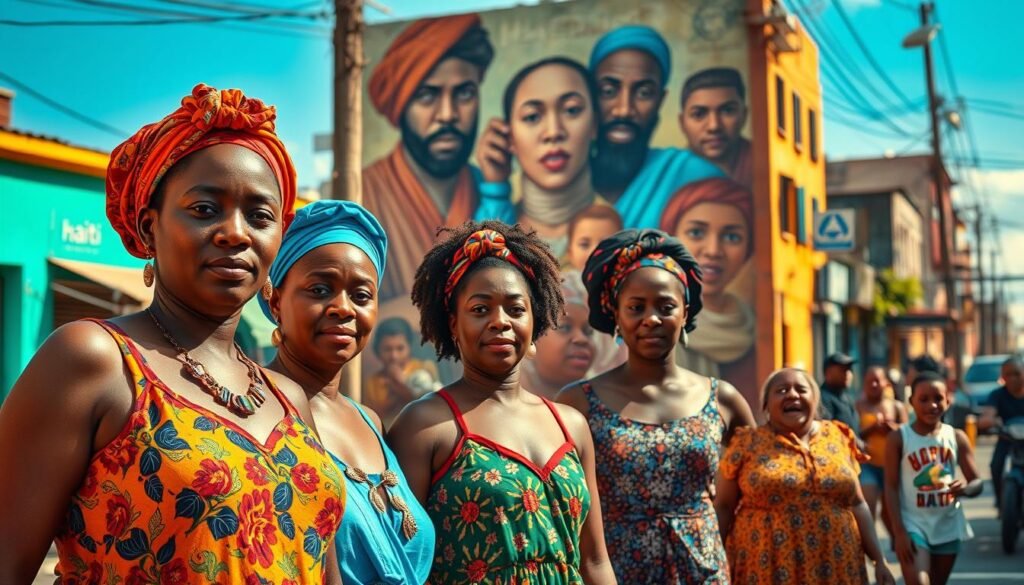
In the midst of Haiti’s turmoil, women’s voices are rising, showcasing their resilience and determination to drive change. Haitian women are playing a crucial role in protecting their communities and advocating for a more secure future.
Community-based protection mechanisms are vital in Haiti’s current crisis. These initiatives are led by women who understand the needs and vulnerabilities of their communities.
Women’s solidarity networks provide emotional support, share resources, and offer a safe space for women to discuss their challenges and develop collective solutions. These networks are instrumental in fostering a sense of community and cooperation.
Grassroots early warning systems enable communities to prepare for and respond to potential threats, such as gang violence or natural disasters. These systems are often led by women who have a deep understanding of their community’s dynamics.
Women-led initiatives are driving change in Haiti, addressing the root causes of insecurity and promoting sustainable development.
Women’s organizations are actively engaged in political advocacy, pushing for policies that address gender-based violence, economic inequality, and other critical issues affecting Haitian women and children.
Economic empowerment projects, such as vocational training and microfinance initiatives, are helping women to gain financial independence and support their families. These projects are crucial for building resilience at the community level.
As Haiti grapples with unprecedented insecurity, the global response has been crucial in providing aid and advocacy. The international community has recognized the severity of the crisis and the need for a comprehensive approach to address the humanitarian needs of the Haitian people.
The humanitarian assistance efforts in Haiti have been significant, with various organizations and countries contributing to the relief efforts. However, these efforts are not without challenges.
One of the major challenges is accessing gang-controlled areas, where humanitarian aid is desperately needed. The presence of armed groups has restricted the movement of aid workers and the delivery of essential supplies.
Despite these challenges, targeted programs for women and children have been implemented. These programs focus on providing essential services such as healthcare, nutrition, and education.
| Program | Target Beneficiaries | Services Provided |
|---|---|---|
| Maternal Health Program | Pregnant women and new mothers | Prenatal care, delivery services, postnatal care |
| Child Nutrition Program | Children under 5 years | Nutritional supplements, health monitoring |
| Education Support | School-aged children | Educational materials, school feeding programs |
International organizations and NGOs play a vital role in Haiti’s humanitarian response. They provide critical support in terms of funding, technical expertise, and operational capacity.
UN agencies, such as UNICEF and UNHCR, have specific protection mandates that focus on safeguarding the rights and well-being of vulnerable populations, including women and children.
Diaspora communities also contribute significantly through support networks that provide financial remittances, technical assistance, and advocacy.
The combined efforts of the international community, including governments, UN agencies, NGOs, and diaspora networks, are crucial in responding to Haiti’s humanitarian crisis. Ensuring continued support and addressing the challenges faced will be key to improving the lives of Haitians affected by the crisis.
The crisis in Haiti has reached a critical juncture, with women and children bearing the heaviest burden. As discussed, the country’s historical context, marked by political instability, natural disasters, and economic challenges, has contributed to the current state of insecurity.
The disproportionate impact on vulnerable populations, including women and children, is a pressing concern. Gender-based violence, exploitation, and the collapse of the healthcare system have exacerbated their vulnerability. To break this cycle, it is essential to address the root causes of the crisis and work towards creating a more secure and equitable future for Haiti.
International organizations, NGOs, and community-based initiatives are crucial in providing humanitarian assistance and promoting long-term change. By supporting women-led initiatives and community-based protection mechanisms, we can empower vulnerable populations to rebuild their lives. The future of Haiti depends on our collective efforts to address the current crisis and prevent further cycles of vulnerability.
The current situation for women and children in Haiti is dire, with widespread insecurity, gang violence, and exploitation. Women and children are disproportionately affected by the crisis, facing targeted violence, displacement, and human rights abuses.
Gang violence has a devastating impact on civilians in Haiti, with control over territory and resources leading to widespread human rights abuses, including killings, kidnappings, and sexual violence. Civilians are often caught in the crossfire, and many are forced to flee their homes.
Humanitarian organizations, including UN agencies and NGOs, are working to provide aid and assistance to affected populations. This includes targeted programs for women and children, as well as efforts to improve access to healthcare, education, and protection services.
Women in Haiti can access protection and support services through community-based protection mechanisms, such as women’s solidarity networks and grassroots early warning systems. Additionally, women-led initiatives, including economic empowerment projects, are providing vital support.
International organizations, including UN agencies and NGOs, play a crucial role in responding to the crisis in Haiti. They provide humanitarian assistance, support protection services, and advocate for accountability and human rights.
The crisis in Haiti has a significant impact on maternal health, with a collapsed healthcare system and limited access to essential services. Women face significant risks during childbirth, and the lack of maternal healthcare services exacerbates the problem.
The crisis in Haiti has severe long-term consequences for children, including disrupted education, psychological trauma, and increased vulnerability to exploitation and trafficking. The lack of access to education and mental health support can have lasting impacts on their well-being and future prospects.
Yes, there are initiatives to support Haitian women’s resilience and resistance, including community-based protection mechanisms, women-led initiatives, and economic empowerment projects. These efforts demonstrate the proactive role women are playing in addressing the crisis.