Physical Address
304 North Cardinal St.
Dorchester Center, MA 02124
Physical Address
304 North Cardinal St.
Dorchester Center, MA 02124
Discover why Haiti deserves politicians with a true national vision in this insightful article.
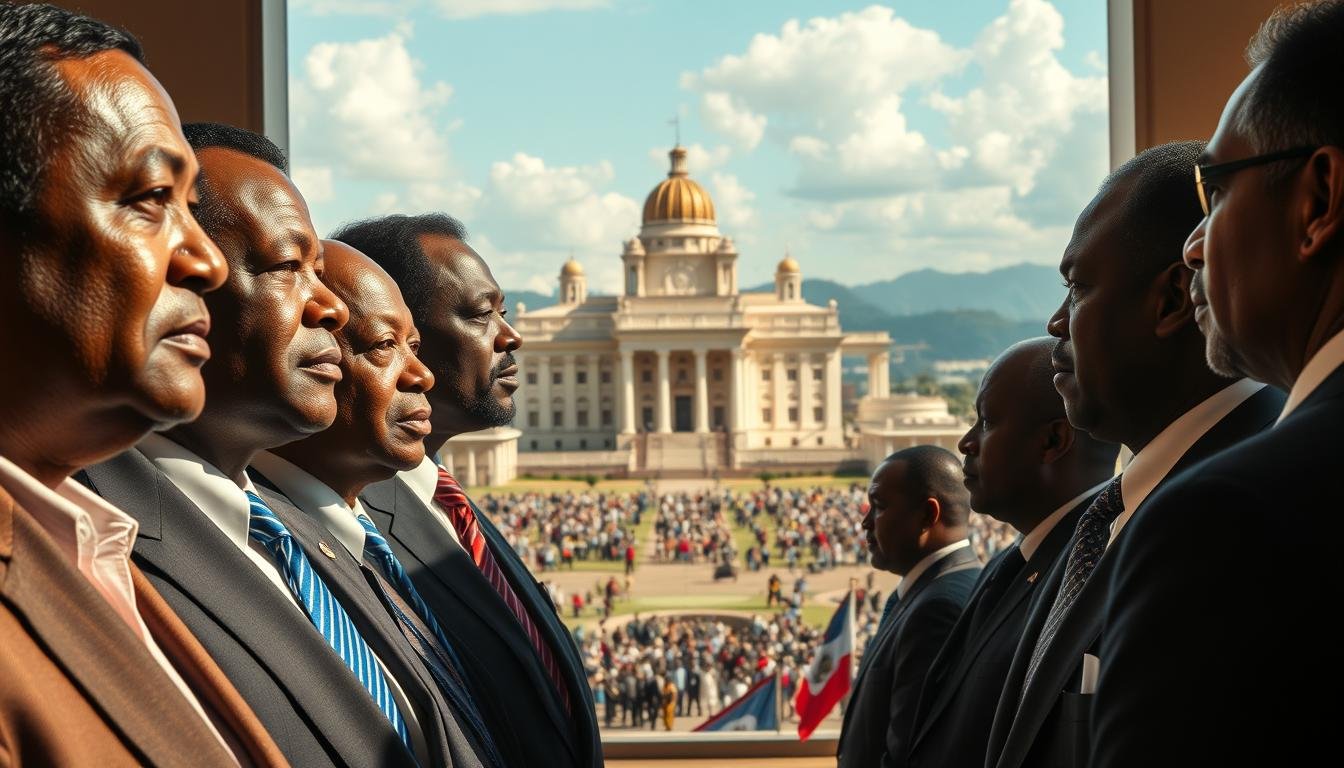
Haiti is at a crossroads, seeking leadership that can drive the country towards a brighter future. The need for visionary politicians who can inspire and unite the nation is more pressing than ever.
The country’s development is hindered by a lack of a cohesive national vision. Effective politicians can help Haiti overcome its challenges and achieve sustainable growth.
By electing leaders with a true understanding of the nation’s needs, Haiti can embark on a path of progress and prosperity.
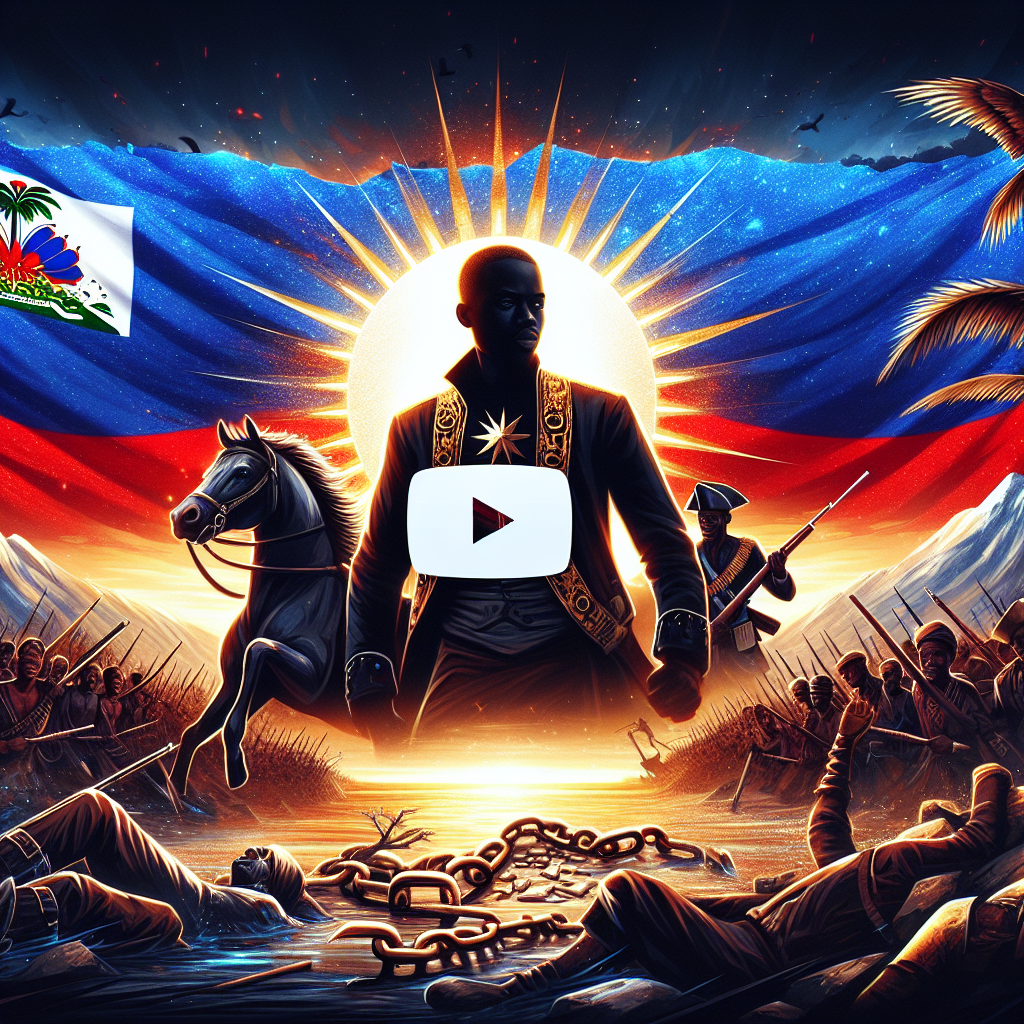
From revolution to the present day, Haiti’s historical context is complex and multifaceted. The country’s history has been marked by significant events that have shaped its national identity and influenced its political landscape.
The Haitian Revolution was a pivotal moment in the country’s history, setting the stage for its future. It not only led to Haiti’s independence but also had a profound impact on the nation’s identity.
The revolution fostered a sense of pride and unity among Haitians, shaping their national identity. As Jean Fouchard once noted, “The Haitian Revolution was not just a slave revolt; it was a revolution that changed the course of history.”
Despite the revolution’s success in achieving independence, many of its promises remained unfulfilled. The struggle for true freedom and equality continued, with many Haitians facing ongoing challenges.
Haiti’s history has been characterized by cycles of political instability, including periods of dictatorships. These regimes have had lasting impacts on the country’s development.
Dictatorships, such as those led by François Duvalier and his son Jean-Claude Duvalier, left deep scars on Haitian society. The aftermath of these regimes continues to influence Haiti’s political landscape.
Analyzing past political failures provides valuable lessons for future leadership. A review of historical data reveals patterns of instability and missed opportunities.
| Period | Key Events | Impact |
|---|---|---|
| 1791-1804 | Haitian Revolution | Independence from France |
| 1957-1986 | Duvalier Regime | Dictatorship and Human Rights Abuses |
As
“The history of Haiti is a story of resilience and struggle.”
, it is crucial to understand this context to chart a path forward.
Governance in Haiti faces numerous hurdles, including constitutional crises and security concerns. The country’s political landscape is complex, with various factors contributing to its instability.
Haiti’s governance is hampered by several key issues. Constitutional crises have been a recurring problem, often leading to political gridlock.
The constitutional crises in Haiti stem from disagreements over the interpretation of the constitution, leading to political stalemates. This has hindered the government’s ability to implement policies effectively.
Security is another major concern, with gang violence and kidnappings being prevalent. This has a significant impact on the daily lives of Haitian citizens and deters foreign investment.
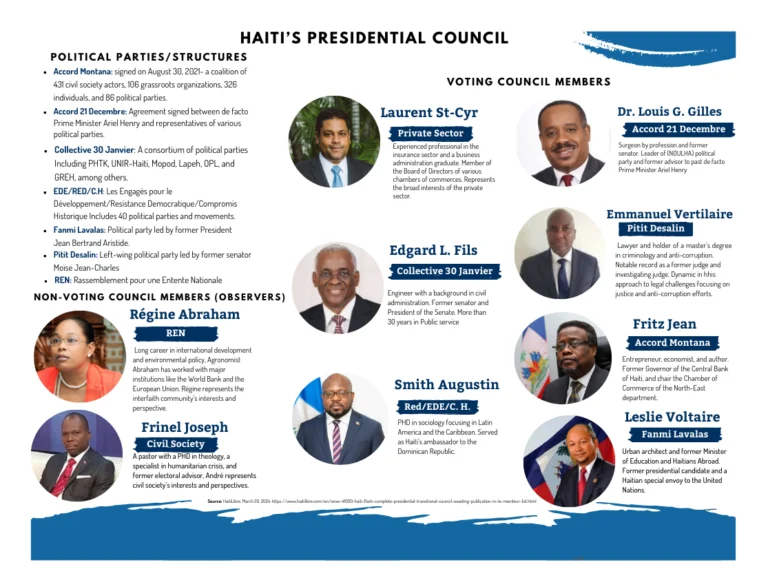
The political landscape in Haiti is shaped by various actors, including political parties and emerging leaders.
Haitian political parties have diverse platforms, but most of them are useless, based on no ideology and encourage corruption, ranging from conservative to liberal ideologies.
| Party | Platform |
|---|---|
| PHTK | Center-right, pro-business |
| INITE | Center-left, social democratic |
| OPL | Center, liberal |
Emerging leaders in Haiti are bringing new perspectives to the political arena. Young politicians are increasingly playing a crucial role in shaping the country’s future.
The current political landscape in Haiti is challenging, but there are opportunities for growth and development through effective governance and leadership.
The consequences of poor governance in Haiti are multifaceted, affecting various aspects of national development. Failed leadership has manifested in several critical areas, hindering the country’s progress and stability.
One of the most significant impacts of failed leadership is seen in the economic sphere. Poor economic policies and corruption have led to a lack of investment in critical infrastructure and human capital.
Haiti remains one of the poorest countries in the Western Hemisphere, with a significant portion of its population living below the poverty line. Unemployment rates are high, and opportunities for economic advancement are limited due to a lack of job creation and vocational training programs.
The country’s infrastructure is underdeveloped, with inadequate road networks, insufficient energy supply, and poor water and sanitation systems. This not only hampers economic activity but also affects the quality of life for Haitian citizens.
Failed leadership has also contributed to social fragmentation, exacerbating divisions within Haitian society.
There is a significant gap between the rich and the poor, with a small elite controlling a large portion of the country’s resources. This inequality perpetuates social unrest and limits social mobility.
The disparity between rural and urban areas is another facet of social fragmentation. Urban centers, particularly Port-au-Prince, receive a disproportionate amount of resources and attention, leaving rural areas underdeveloped and neglected.
In conclusion, the impact of failed leadership on Haiti’s development is profound, with far-reaching economic and social consequences. Addressing these challenges will require a concerted effort to reform governance structures and implement policies that promote equitable development.
As Haiti navigates its complex political landscape, the need for leaders with a true national vision has never been more pressing. The country’s development is hampered by a lack of cohesive leadership that can drive sustainable growth and social equity.
A true national vision for Haiti involves more than just short-term political gains; it requires a comprehensive approach that encompasses inclusive development frameworks. Such frameworks should aim at reducing inequality, promoting economic opportunities, and ensuring that all citizens have access to basic services like healthcare and education.
Politicians with a true national vision must look beyond their immediate political interests and focus on the long-term benefits for the nation. This involves making difficult decisions that may not be popular in the short term but are crucial for the country’s sustainable development.
Inclusive development frameworks are essential for ensuring that Haiti’s growth is equitable and sustainable. These frameworks should be designed to benefit all segments of society, with a particular focus on the most vulnerable populations.
Transformative leadership has the potential to revolutionize Haiti’s political and economic landscape. By adopting transformative leadership strategies, Haiti can overcome its current challenges and achieve national progress.
History provides numerous examples of effective leadership that have transformed nations. Leaders who have a clear vision and the courage to implement it can bring about significant positive change.
In today’s complex world, national progress requires more than just charismatic leadership; it demands a deep understanding of global dynamics, economic trends, and social needs. Haitian leaders must be adept at navigating these complexities to drive the country forward.
| Key Elements | Description | Benefits |
|---|---|---|
| Inclusive Development | Frameworks that benefit all segments of society | Reduced inequality, improved social cohesion |
| Transformative Leadership | Leadership that drives significant positive change | National progress, economic growth |
| True National Vision | A comprehensive approach to national development | Sustainable development, improved quality of life |
Haiti’s future hinges on leaders who possess a unique blend of integrity, strategic thinking, and a commitment to transparency. These visionary leaders are crucial for driving the country’s development and ensuring a prosperous future for its citizens.
Leaders with integrity are the cornerstone of a trustworthy government. They must demonstrate a strong moral compass, making decisions that benefit the nation rather than personal interests.
Transparency is vital in governance, allowing citizens to hold their leaders accountable. This can be achieved through open data initiatives, public disclosure of government contracts, and regular town hall meetings.
Implementing robust anti-corruption measures is essential. This includes establishing independent oversight bodies, protecting whistleblowers, and enforcing strict penalties for corruption.
Visionary leaders must also possess the ability to think strategically, balancing immediate needs with long-term goals. This involves creating sustainable solutions that benefit future generations.
Effective leaders understand the importance of addressing current challenges while planning for the future. This balance is crucial for sustainable development.
Sustainable solutions are key to Haiti’s long-term prosperity. Leaders should focus on initiatives that promote economic growth, environmental protection, and social equity.
By embracing these qualities, Haitian leaders can pave the way for a brighter future, one that is built on the principles of integrity, accountability, and long-term strategic thinking.
To propel Haiti forward, it is essential to prioritize education and human capital development through strategic reforms. A well-developed education system is the backbone of any thriving economy, as it equips the workforce with the necessary skills to drive innovation and growth.
The current state of Haiti’s education system requires significant reform to ensure that it provides quality education to all citizens. This involves not only improving infrastructure but also updating curricula to meet modern standards.
Ensuring access to quality education is a critical aspect of education reform. This can be achieved by investing in schools, training teachers, and providing resources that cater to the needs of a diverse student population.
Haiti’s language policy plays a significant role in shaping its cultural identity. Balancing the use of Haitian Creole and French in education can help preserve cultural heritage while promoting linguistic diversity.
| Education Reform Area | Current Status | Proposed Improvement |
|---|---|---|
| Access to Schools | Limited infrastructure | Invest in new schools and renovation |
| Teacher Training | Insufficient training programs | Develop comprehensive training programs |
| Curriculum Development | Outdated curricula | Update curricula to modern standards |
Technical training programs are vital for building a skilled workforce that can compete in the global economy. By focusing on areas such as technology, healthcare, and sustainable energy, Haiti can create a robust professional capacity.
Implementing technical training programs tailored to the needs of the economy can help reduce unemployment and stimulate economic growth.
To prevent brain drain, Haiti needs to create opportunities that encourage its educated citizens to remain in the country. This can be achieved by offering competitive salaries, research opportunities, and a favorable business environment.
Addressing Haiti’s healthcare priorities is crucial for the country’s development and the health of its people, who have been plagued by inadequate healthcare services. The need for a robust healthcare system is not just a matter of public health; it’s also essential for economic stability and growth.
A critical step in improving Haiti’s healthcare is strengthening its public health infrastructure. This involves enhancing healthcare facilities, ensuring the availability of medical supplies, and training healthcare professionals. Rural healthcare access is particularly important, as many rural areas lack adequate healthcare services.
Improving healthcare in rural areas requires targeted initiatives, including mobile health clinics and community health worker programs. These efforts can help bridge the gap in healthcare access and ensure that rural populations receive the care they need.
Given the global health landscape, pandemic preparedness is more crucial than ever. Haiti must invest in surveillance, diagnostics, and response capabilities to effectively manage future health crises.
Alongside strengthening healthcare infrastructure, creating social safety nets is vital for supporting vulnerable populations. This includes programs aimed at providing financial assistance, food security, and other forms of support to those in need.
Vulnerable populations, including the elderly, children, and those with disabilities, require special attention. Programs tailored to their needs can help mitigate the impact of poverty and poor health.
Community-based initiatives play a crucial role in healthcare and social welfare. By empowering local communities to take charge of their health and well-being, these initiatives can lead to more effective and sustainable outcomes.
As noted by health experts, “Investing in healthcare is investing in the future.” This underscores the importance of prioritizing healthcare and social welfare in Haiti’s development agenda. By doing so, Haiti can make significant strides towards a healthier, more prosperous future for its citizens.
“The future of Haiti depends on its ability to provide quality healthcare to its citizens. It’s a challenge that requires immediate and sustained action.”
To break the cycle of economic stagnation, Haiti needs to implement robust economic revitalization strategies. This involves adopting sustainable development models that can stimulate growth, reduce poverty, and enhance the quality of life for its citizens.
Sustainable development is crucial for Haiti’s economic future. It encompasses various sectors, including agriculture and tourism.
Agricultural modernization is a key component of sustainable development. By adopting modern farming techniques and technologies, Haiti can increase crop yields, improve food security, and create employment opportunities in rural areas.
Tourism and cultural industries also offer significant potential for economic growth. Haiti’s rich cultural heritage and natural beauty can be leveraged to attract tourists, thereby generating revenue and creating jobs.
Reducing dependency on foreign aid is essential for Haiti’s economic sovereignty. This can be achieved by promoting local business development and enhancing trade relationships.
Supporting local businesses through training, financing, and market access can stimulate economic activity and reduce reliance on external aid.
Strengthening trade relationships and promoting exports can further boost Haiti’s economy. By diversifying its export base and accessing new markets, Haiti can increase its global economic footprint.
| Economic Sector | Potential Impact | Key Strategies |
|---|---|---|
| Agriculture | Improved food security, job creation | Modern farming techniques, irrigation systems |
| Tourism | Revenue generation, cultural preservation | Promote cultural heritage, infrastructure development |
| Local Business | Economic stimulation, reduced aid dependency | Training, financing, market access |
The future of Haiti is closely tied to its ability to maintain sovereignty while engaging in international relations. As the country looks to develop its economy and improve the lives of its citizens, it must navigate complex diplomatic relationships and foreign partnerships.
Haiti’s foreign partnerships are crucial for its development, but these relationships must be balanced to ensure they support rather than undermine its sovereignty.
Establishing balanced diplomatic relations involves negotiating agreements that benefit both Haiti and its international partners. This includes trade agreements, security cooperation, and cultural exchanges.
Foreign assistance can be a valuable resource for Haiti, but it’s essential to negotiate terms that do not compromise the country’s autonomy. Effective negotiation strategies can help ensure that foreign aid supports Haiti’s development goals.
Haiti plays a significant role in regional and global affairs, particularly within the Caribbean community. Strengthening these ties can enhance its influence and open up new opportunities for cooperation.
Integration within the Caribbean region is vital for Haiti’s economic and cultural development. Participating in regional organizations and initiatives can help Haiti stay connected with its neighbors and address common challenges.
Haiti’s rich cultural heritage is a valuable asset on the global stage. By promoting its culture, Haiti can enhance its international reputation and attract tourism and investment.
| Aspect | Current Status | Future Goals |
|---|---|---|
| Diplomatic Relations | Existing partnerships with key countries | Expand to new regions, strengthen existing ties |
| Foreign Assistance | Receiving aid from international organizations | Negotiate more favorable terms, reduce dependency |
| Regional Integration | Active in Caribbean community | Deepen integration, enhance cooperation |
As Haiti seeks to redefine its political landscape, the diaspora community emerges as a key player in driving change. The Haitian diaspora, dispersed across various countries, brings a unique blend of cultural heritage and international experience that can significantly contribute to the country’s political renewal.
The diaspora community is a valuable resource for Haiti, offering skills and expertise that can be leveraged for the country’s development. This knowledge transfer can occur through various channels, including professional networks, educational initiatives, and investment opportunities.
Members of the Haitian diaspora possess a wide range of skills and expertise gained through their education and professional experiences abroad. By sharing this knowledge, they can help build capacity in key sectors such as healthcare, education, and governance.
In addition to knowledge transfer, the diaspora also plays a crucial role in supporting Haiti’s economy through remittances and direct investment. These financial inflows can help stimulate economic growth and improve living standards for many Haitian families.
Beyond knowledge transfer and investment, the Haitian diaspora is also increasingly engaged in political activities that impact Haiti’s governance and development. This political engagement can take various forms, including advocacy, voting, and representation.
Securing voting rights is a critical aspect of diaspora political engagement. By having a say in Haiti’s electoral processes, diaspora members can influence policy decisions and ensure that their interests are represented.
The diaspora also plays a vital role in advocating for Haiti’s interests in their host countries. Through lobbying and awareness-raising efforts, they can help shape international policies that affect Haiti.
The engagement of the Haitian diaspora in political renewal efforts is a positive development that can contribute to the country’s long-term stability and prosperity. By leveraging their skills, knowledge, and financial resources, the diaspora can help drive meaningful change in Haiti.
Haiti stands at a critical juncture, with its future hanging in the balance. The need for politicians with a true national vision has never been more pressing. As discussed, a national vision is not just a lofty ideal but a practical roadmap for sustainable development and prosperity.
To achieve this promising future, Haiti must prioritize education, healthcare, and economic revitalization. By reforming the education system and building professional capacity, Haiti can empower its citizens. Strengthening public health infrastructure and creating social safety nets will also be crucial.
Economic revitalization strategies, including sustainable development models and reducing dependency on foreign aid, will help Haiti regain sovereignty. The role of the Haitian diaspora in knowledge transfer, investment, and political engagement across borders will be vital in this process.
By charting a path that incorporates these elements, Haiti can look forward to a brighter future. The conclusion is clear: with visionary leadership and a commitment to national development, Haiti’s future can be truly promising.
The main theme is the need for politicians with a true national vision to drive Haiti towards a brighter future.
The Haitian Revolution is highlighted as a pivotal event that has shaped Haiti’s national identity and left unfulfilled promises.
Haiti faces governance challenges including constitutional crises and security concerns.
Failed leadership has led to economic consequences such as poverty, unemployment, and infrastructure deficiencies, as well as social fragmentation including class divisions and rural-urban disparities.
Essential qualities include integrity, accountability, transparency in governance, and long-term strategic thinking.
Education and human capital development are critical for driving Haiti’s progress through reforming the education system, building professional capacity, and preventing brain drain.
Strengthening public health infrastructure, particularly in rural areas, and enhancing pandemic preparedness are key healthcare priorities.
Economic revitalization can be achieved through sustainable development models, agricultural modernization, growth of tourism and cultural industries, and reducing dependency on foreign aid.
The Haitian diaspora can contribute through knowledge transfer and investment, including skills and expertise, remittances, and direct investment, as well as political engagement across borders.
Haiti can achieve balanced diplomatic relations and negotiate foreign assistance effectively to enhance its sovereignty.