Physical Address
304 North Cardinal St.
Dorchester Center, MA 02124
Physical Address
304 North Cardinal St.
Dorchester Center, MA 02124
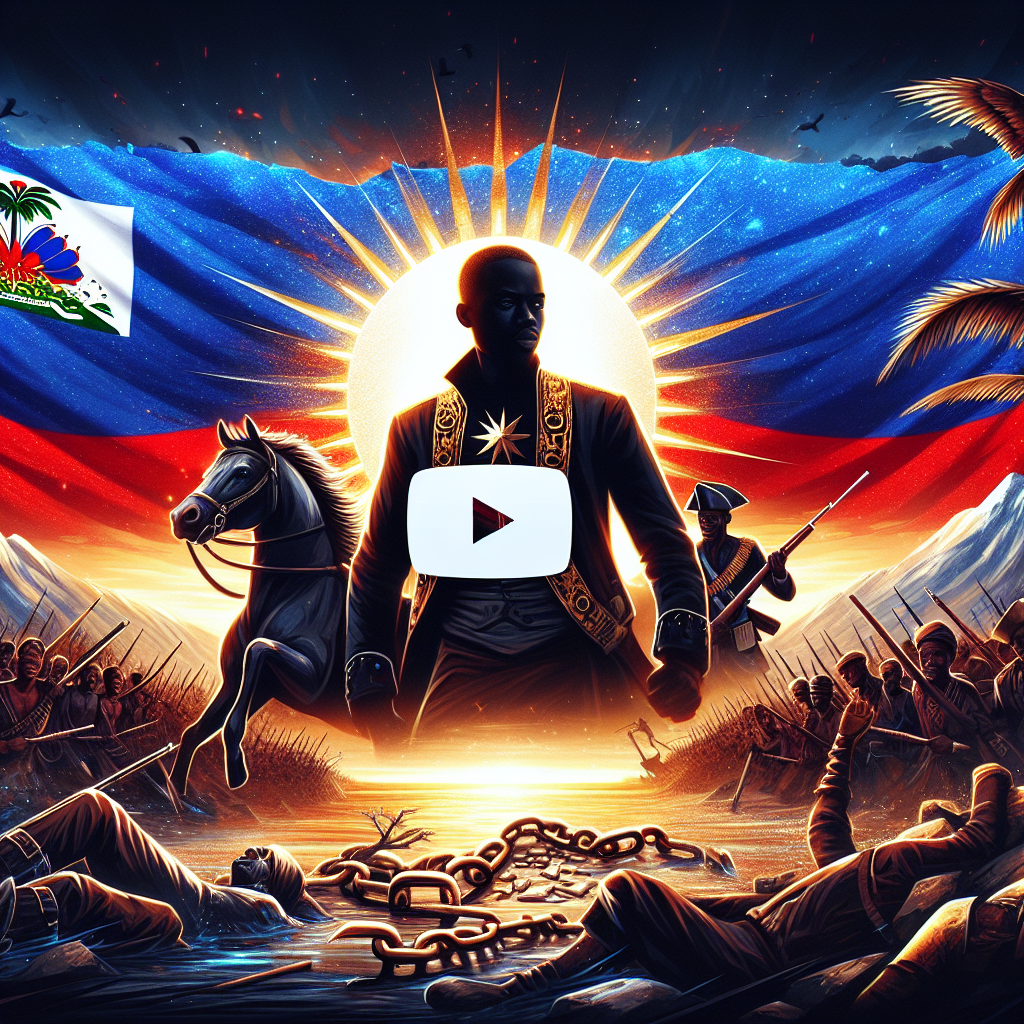
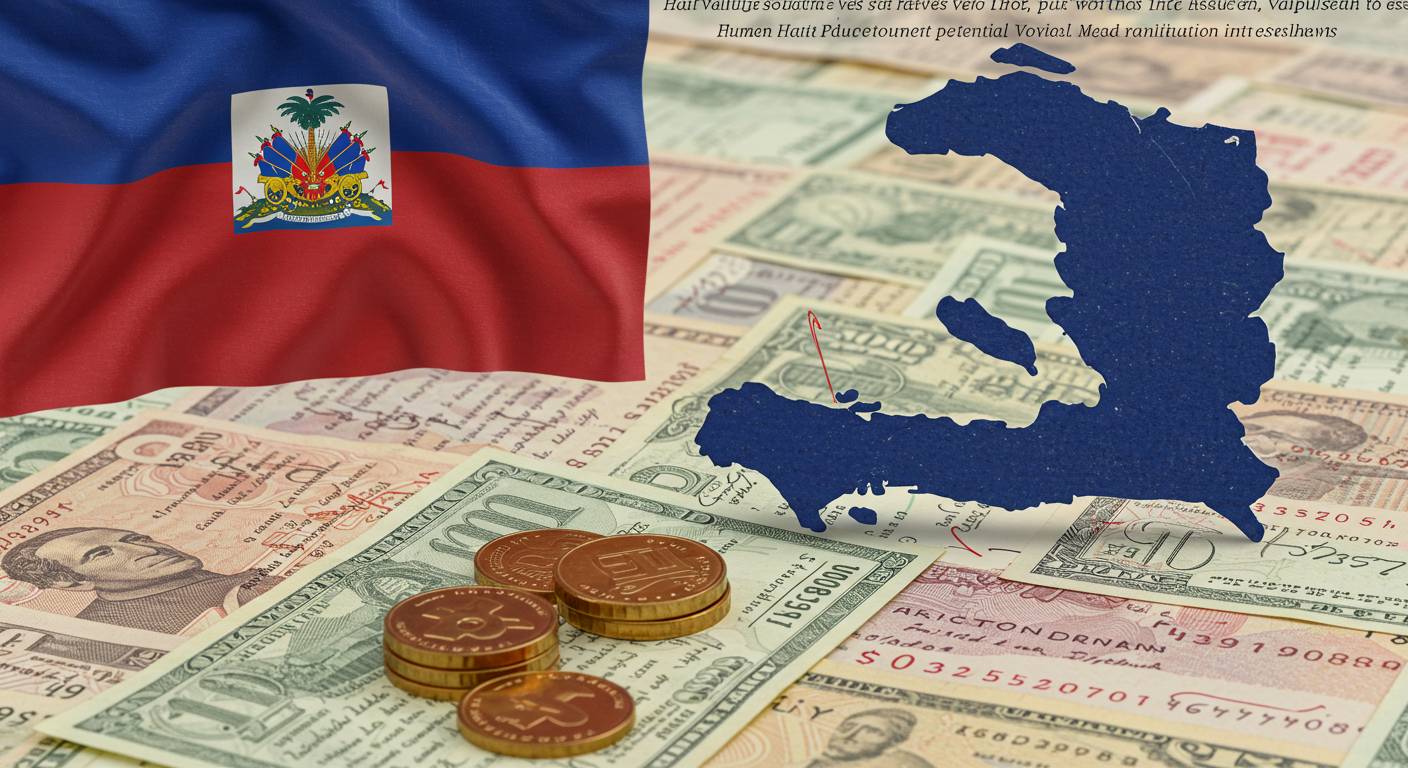
Explore the true value of Haiti beyond the meager resources exploited by foreign powers. Uncover the nation's worth in this insightful article.
Haiti, a country with a rich history and cultural richness, has long been subjected to economic exploitation. Foreign powers have historically exploited Haiti’s resources, undermining its potential and hindering its development.
The true value of Haiti lies not just in its natural resources but in its resilient people and vibrant culture. It’s time to reevaluate Haiti’s worth beyond the meager resources that have been exploited.
By understanding the historical context of Haiti’s exploitation, we can begin to appreciate the country’s intrinsic value and work towards a more equitable future.
The historical context of Haiti’s exploitation is rooted in its revolutionary legacy and the subsequent economic burdens imposed upon it. Haiti’s journey to becoming the first independent black nation in the world was marked by a significant event – the Haitian Revolution.
The Haitian Revolution, which began in 1791 and concluded in 1804, was a pivotal moment in world history. It not only led to Haiti’s independence from France but also had far-reaching implications for the global abolition of slavery.
The revolution’s impact was felt beyond Haiti’s borders. It challenged the status quo of slavery and colonialism, inspiring movements for freedom and equality worldwide.
The global impact of the Haitian Revolution can be seen in its influence on the abolitionist movements in the United States and Europe. It was a beacon of hope for enslaved people everywhere, demonstrating that collective action could lead to freedom.
In 1825, France demanded that Haiti pay an indemnity of 150 million gold francs for the loss of its “property” – enslaved people and colonial assets. This debt, later reduced to 90 million francs, was a crushing burden that Haiti struggled to pay off until 1947.
The economic consequences of this debt were severe. It drained Haiti’s resources, diverting funds that could have been used for development into paying off the debt. This had long-lasting effects on Haiti’s economy.
| Year | Event | Economic Impact |
|---|---|---|
| 1825 | France demands indemnity | Initial debt of 150 million gold francs |
| 1838 | Debt reduced to 90 million francs | Ongoing financial strain |
| 1947 | Final payment of indemnity debt | End of 122-year financial burden |
The legacy of the indemnity debt continues to affect Haiti’s economic standing today. Understanding this history is crucial for grasping the complexities of Haiti’s current challenges and for considering paths towards a more equitable future.
Beyond the narratives of exploitation, Haiti boasts a multifaceted identity rooted in its cultural richness and geographic significance. This identity is a tapestry woven from the threads of its history, cultural practices, and natural endowments.
Haitian culture is a vibrant expression of its people’s resilience and creativity. Vodou, a spiritual practice often misunderstood, plays a central role in Haitian identity, influencing art, music, and daily life. As noted by a prominent Haitian scholar, “Vodou is not just a religion; it’s a way of life that encapsulates the history, philosophy, and culture of Haiti.”
Vodou’s impact on Haitian culture is profound, shaping artistic expressions and community practices. It is a symbol of resistance and cultural survival, reflecting the nation’s history and its people’s connection to their African roots.
Haiti is endowed with significant natural resources, including minerals and a strategic geographic location. The country’s terrain is diverse, ranging from mountains to coastal plains, making it a unique ecological hotspot.
The island nation is believed to have substantial mineral deposits, including gold, copper, and iridium. “Haiti’s mining potential is vast, but it requires careful management to ensure sustainable development,” as emphasized by environmental experts. The responsible exploitation of these resources could be a catalyst for economic growth.
Recognizing and preserving Haiti’s cultural and natural assets is crucial for its future development. By valuing these assets, Haiti can forge a path towards sustainable growth and self-determination.
The story of Haiti’s economic exploitation is deeply intertwined with foreign interventions and their lasting impacts. For decades, Haiti has been subject to various forms of economic exploitation, significantly affecting its development.
Foreign interventions have played a crucial role in shaping Haiti’s economic landscape. One of the most significant interventions was the U.S. occupation from 1915 to 1934.
The U.S. occupation had a profound impact on Haiti’s economy, introducing modern infrastructure but also consolidating land ownership and disrupting local economic systems. As noted by a historian, “The occupation was a turning point in Haiti’s economic history, leading to long-term dependency on foreign capital.”
“The U.S. occupation of Haiti was a pivotal moment that reshaped the country’s economic trajectory.”
Haiti’s economic situation is further complicated by the cycle of debt and dependency, largely perpetuated by IMF policies and structural adjustment programs.
| Year | IMF Policy | Impact on Haiti |
|---|---|---|
| 1980s | Structural Adjustment Programs | Increased dependency on foreign aid |
| 1990s | Trade Liberalization | Undermined local industries |
The effects of these policies have been profound, contributing to Haiti’s ongoing economic challenges. As economic exploitation continues, it’s crucial to understand the historical context and the role of foreign interventions.
Beyond the pittance paid to undermine its future, Haiti’s worth is rooted in its vibrant culture, strategic geographic location, and rich biodiversity. To truly understand Haiti’s value, it’s essential to move beyond conventional economic metrics.
The traditional measure of a nation’s worth, Gross Domestic Product (GDP), fails to capture the full spectrum of Haiti’s value. Alternative measures offer a more nuanced understanding.
Measures like the Genuine Progress Indicator (GPI) or the Human Development Index (HDI) provide a more comprehensive picture of Haiti’s worth by considering factors such as environmental sustainability, social equity, and human well-being.
Continued exploitation not only undermines Haiti’s economic potential but also has severe environmental and social consequences.
The environmental degradation resulting from exploitative practices threatens Haiti’s biodiversity and ecological services. For instance, deforestation and soil erosion have devastating effects on the nation’s ecosystems.
“The environmental crisis in Haiti is not just an environmental issue; it’s a human rights issue, affecting the livelihoods and well-being of the Haitian people.”
The social consequences are equally dire, with communities facing displacement, loss of livelihood, and cultural heritage erosion.
Key consequences include:
By reframing Haiti’s value and understanding the cost of continued exploitation, we can work towards a more sustainable and equitable future for the nation.
From its revolutionary past to its contemporary cultural expressions, Haiti has been a source of inspiration for artists, writers, and musicians around the globe. Haitian culture is a vibrant tapestry woven from the threads of its history, resilience, and creativity.
Haitian art is renowned for its distinctive style, characterized by vivid colors and dynamic compositions. The art often reflects the country’s history, folklore, and spiritual practices.
Haitian painting is known for its naive or primitive style, which has captivated art lovers worldwide. Artists like Philomé Obin and Wilson Bigaud have gained international recognition for their work.
Haiti’s literary and musical achievements are equally impressive, with contributions that have enriched global culture.
Literary figures like Jacques Roumain, author of “Gouverneurs de la Rosée” (Masters of the Dew), have left a lasting legacy. Musicians such as Wyclef Jean have brought Haitian rhythms to the global stage, blending traditional sounds with contemporary styles.
“Music is a universal language, and Haitian music, with its roots in Vodou and traditional folk, speaks directly to the soul.”
Haiti’s cultural contributions are a testament to the nation’s resilience and creativity. Through its art, literature, and music, Haiti continues to inspire and influence cultures around the world.
Haiti’s diverse ecosystems make it a hotspot for biodiversity and a prime candidate for sustainable development initiatives. The country’s unique geography, with its mountains, valleys, and coastlines, supports a wide range of flora and fauna.
Haiti is home to numerous endemic species that are found nowhere else on Earth. Conservation efforts are crucial to protect these species and their habitats.
Some of the conservation efforts include protecting endangered species such as the Hispaniolan parrot and the Hispaniolan solenodon. Protected areas and national parks play a vital role in these conservation initiatives.
Haiti has significant potential for sustainable development, particularly in the area of renewable energy. The country’s geography makes it an ideal location for:
Investing in renewable energy can help reduce Haiti’s dependence on fossil fuels and promote energy independence. This shift can also contribute to the global effort to combat climate change.

While often overlooked, Haiti’s human capital is its most valuable resource. The country’s resilience and determination are embodied in its people, who have made significant contributions both locally and internationally.
The Haitian diaspora plays a crucial role in supporting the country’s economy through remittances. These financial inflows are a lifeline for many families, helping to cover basic needs and invest in education and small businesses.
Haitian communities abroad have not only maintained strong cultural ties but have also made substantial economic contributions. For instance, remittances from the United States, Canada, and France significantly boost Haiti’s economy.
Despite facing numerous challenges, Haitians have made remarkable educational achievements. From innovators and entrepreneurs to academics and artists, Haitians have excelled in various fields.
Many Haitian students have demonstrated academic resilience, achieving success in prestigious institutions worldwide. These success stories highlight the potential and determination of Haitian youth.
The value of Haiti’s human capital cannot be overstated. By recognizing and supporting the contributions of its people, both at home and abroad, Haiti can unlock new opportunities for growth and development.
The island nation of Haiti holds a crucial position in the Caribbean, with its geopolitical importance extending far beyond its shores. Its strategic location in the Caribbean makes it a significant player in regional and global affairs.
Haiti’s geographic position allows it to influence trade routes and regional dynamics. Its proximity to major shipping lanes and its control over the Windward Passage, a critical waterway connecting the Atlantic Ocean to the Caribbean Sea, underscore its strategic importance.
The country’s location facilitates trade between the Caribbean and the global market, making it a vital component of regional economic structures. Moreover, Haiti’s presence in the Caribbean impacts the geopolitical strategies of neighboring countries and global powers.
Haiti’s diplomatic relationships are shaped by its history, cultural identity, and strategic location. The country has been an active participant in international affairs, contributing to global discussions on democracy, human rights, and development.
Historically, Haiti has played a significant role in international affairs, being the first independent black nation in the world. This legacy has positioned Haiti as a symbol of freedom and self-determination, influencing its diplomatic standing and international cooperation.
Haiti’s geopolitical significance is further underscored by its membership in various international organizations and its participation in regional forums. These engagements not only enhance its diplomatic relationships but also contribute to its development and global influence.
Reimagining Haiti’s economy requires a shift towards sustainable development and community-driven initiatives. This approach not only fosters economic growth but also ensures that the development is equitable and environmentally conscious.
Sustainable development models are crucial for Haiti’s economic future. These models focus on long-term growth that benefits both the population and the environment.
Community-based initiatives empower local communities by providing them with the resources and support needed to drive their own economic development. This can include training programs, access to capital, and infrastructure development.
Haiti offers numerous investment opportunities beyond resource extraction. Sectors such as tourism, agriculture, and technology have the potential to drive economic growth and development.
Investing in tourism can capitalize on Haiti’s rich cultural heritage and natural beauty. Agriculture offers opportunities for sustainable farming practices and export. Technology sectors, including IT and renewable energy, can drive innovation and create new job opportunities.
| Sector | Investment Opportunities | Potential Impact |
|---|---|---|
| Tourism | Hotel development, eco-tourism initiatives | Job creation, cultural preservation |
| Agriculture | Sustainable farming practices, export-oriented crops | Food security, export revenue |
| Technology | IT infrastructure, renewable energy projects | Innovation, job creation in tech sector |
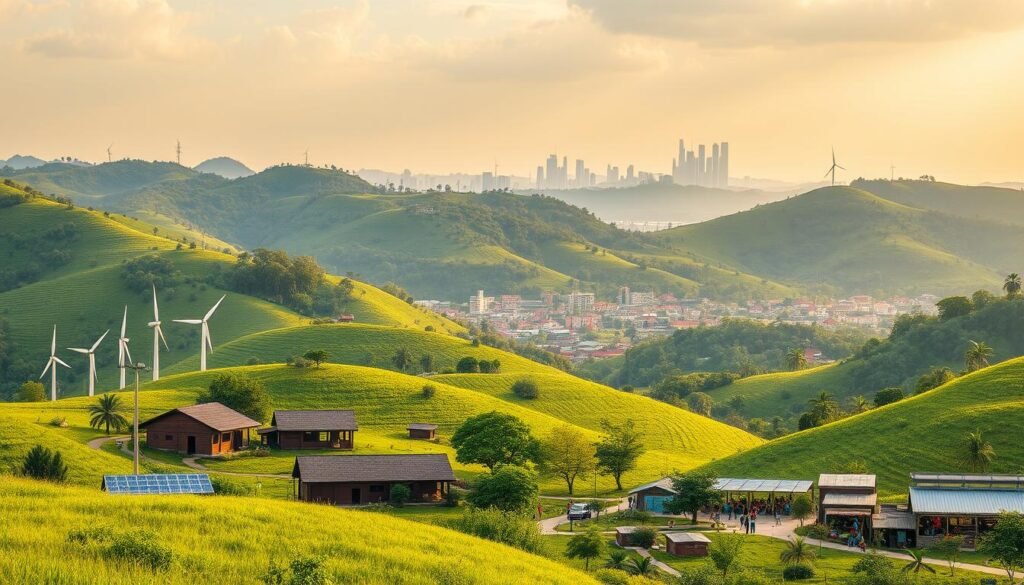
By focusing on these areas, Haiti can create a more sustainable and equitable economy that benefits its citizens and contributes to its long-term prosperity.
As Haiti strives for sustainable development, the role of the international community becomes increasingly crucial. The global community’s involvement is not just about providing aid; it’s about fostering a partnership that promotes mutual respect and understanding.
The traditional aid model has often been criticized for creating dependency rather than encouraging self-sufficiency. A shift towards partnership, where the international community collaborates with Haiti as an equal, can help in identifying and implementing sustainable solutions.
Several collaborative projects have shown promising results. For instance, initiatives in sustainable agriculture have not only improved food security but also provided economic opportunities for local communities.
| Project | Focus Area | Impact |
|---|---|---|
| Sustainable Agriculture | Food Security & Economic Empowerment | Improved livelihoods for local farmers |
| Healthcare Initiatives | Access to Quality Healthcare | Reduced mortality rates and improved health outcomes |
| Education Programs | Enhanced Educational Opportunities | Increased enrollment and retention rates |
The debate around reparations for historical injustices, such as the indemnity debt imposed on Haiti by France, continues. Advocates argue that reparations are a matter of historical justice, acknowledging the past exploitation and its ongoing impacts.
Financial restitution is seen as a critical step towards rectifying historical wrongs. It involves not just monetary compensation but also other forms of restitution that can help in rebuilding Haiti’s economy and infrastructure.
Haitian resilience is a multifaceted phenomenon, driven by grassroots movements and a strong sense of community. The Haitian people have consistently demonstrated an unwavering capacity for self-determination, navigating through historical and contemporary challenges.
At the heart of Haitian resilience are the grassroots movements and civil society organizations that mobilize communities and advocate for change. These groups are crucial in fostering a sense of unity and purpose among Haitians.
Local leadership plays a pivotal role in community development, with individuals and organizations working tirelessly to address local challenges. This leadership is characterized by its commitment to empowering communities and promoting sustainable development.
Effective local leadership is instrumental in driving community projects, from education and healthcare to environmental conservation. By leveraging local resources and knowledge, these initiatives have a lasting impact on communities.
Haitians have developed innovative solutions to address national challenges, often in resource-limited settings. These solutions are a testament to the creativity and resourcefulness of the Haitian people.
From agricultural innovations to community-based healthcare, Haitians are finding ways to overcome obstacles and improve their quality of life. These innovations not only address immediate needs but also contribute to long-term sustainable development.
Haiti’s worth extends far beyond the historical narrative of exploitation. It’s a nation rich in cultural heritage, natural resources, and human capital. Recognizing this value is crucial for Haiti’s future development.
The true worth of Haiti lies in its vibrant culture, strategic geographic location, and resilient people. By reframing Haiti’s value in global discourse, we can move beyond the cycle of debt and dependency that has hindered its progress.
Valuing Haiti on its own terms requires a shift in perspective, acknowledging its contributions to the world, and supporting sustainable development models. This approach can help unlock Haiti’s full potential and foster a brighter future for its people.
In conclusion, Haiti’s value is not defined by its history of exploitation but by its inherent worth as a nation. By recognizing and respecting this worth, we can work towards a more equitable and prosperous future for Haiti.
The indemnity debt imposed by France in 1825 was a payment demanded from Haiti as compensation for the loss of slaves and property during the Haitian Revolution. This debt had severe economic consequences for Haiti, hindering its development for over a century.
Foreign interventions, including the U.S. occupation, have had lasting negative impacts on Haiti’s economy. These interventions often prioritized the interests of foreign powers over the needs of the Haitian people, contributing to a cycle of debt and dependency.
Vodou is a vital part of Haitian identity and culture, influencing art, literature, and daily life. It is a complex spiritual practice that has been a source of strength and resilience for Haitians throughout history.
Haiti is believed to have significant untapped mineral wealth, including gold, copper, and iridium. However, the exploitation of these resources must be carefully managed to avoid environmental degradation and ensure that the benefits are shared equitably among the Haitian people.
Haiti’s rich cultural heritage, including its art, literature, and music, can be celebrated globally through cultural exchange programs, exhibitions, and performances. This can help promote cross-cultural understanding and appreciation of Haitian culture.
Haiti has significant potential for sustainable development, particularly in the areas of renewable energy, sustainable agriculture, and eco-tourism. By leveraging these opportunities, Haiti can reduce its dependence on external aid and create a more sustainable future.
Haitian diaspora communities have made significant contributions to Haiti’s economy through remittances, investment, and philanthropy. These contributions have helped support families, communities, and development projects in Haiti.
Haiti’s strategic location in the Caribbean makes it an important player in regional trade and geopolitics. Its position along major shipping routes and its proximity to key markets make it a significant location for international trade and commerce.
Alternative measures of a nation’s worth include indicators such as the Genuine Progress Indicator (GPI), the Human Development Index (HDI), and measures of environmental sustainability and social well-being. These metrics provide a more comprehensive understanding of a nation’s value and prosperity.
The international community can support Haiti’s development by shifting from aid to partnership models, prioritizing Haitian-led initiatives, and promoting fair trade practices. This can help ensure that development efforts are more effective, sustainable, and equitable.